
In an era defined by professional burnout and the relentless pursuit of corporate milestones, a growing demographic of individuals is turning away from traditional vacations in favor of long-term transformative journeys. Among the pioneers of this movement is Heather Markel, a former corporate executive who has redefined her life through full-time solo travel and now operates professionally as a "Travel Reset Catalyst." Markel’s transition from a standard six-figure corporate career to a nomadic lifestyle highlights a broader cultural shift in how modern professionals evaluate success, mental health, and personal fulfillment.
The Genesis of a Corporate Exodus
The narrative of professional burnout is increasingly familiar in modern economies, but Markel’s journey underscores the severe physical and psychological toll that prolonged misalignment with one’s career can cause. Her immersion into global travel began unexpectedly in 1986 when, as an only child from New York, she was sent to live with a host family on a French farm. That summer fundamentally altered her worldview, instilling a deep appreciation for linguistic and cultural immersion. She eventually mastered six languages.
However, subsequent career trajectories steered her away from her passions. Following corporate mergers and acquisitions, Markel found herself employed by telecommunications giant AT&T. Despite a stable income, corporate benefits, and a supportive working environment, she spent nearly two decades navigating a traditional path that failed to utilize her linguistic capabilities. Compounded by a dissolving marriage and the monotony of a sedentary corporate routine, Markel experienced a profound existential crisis.
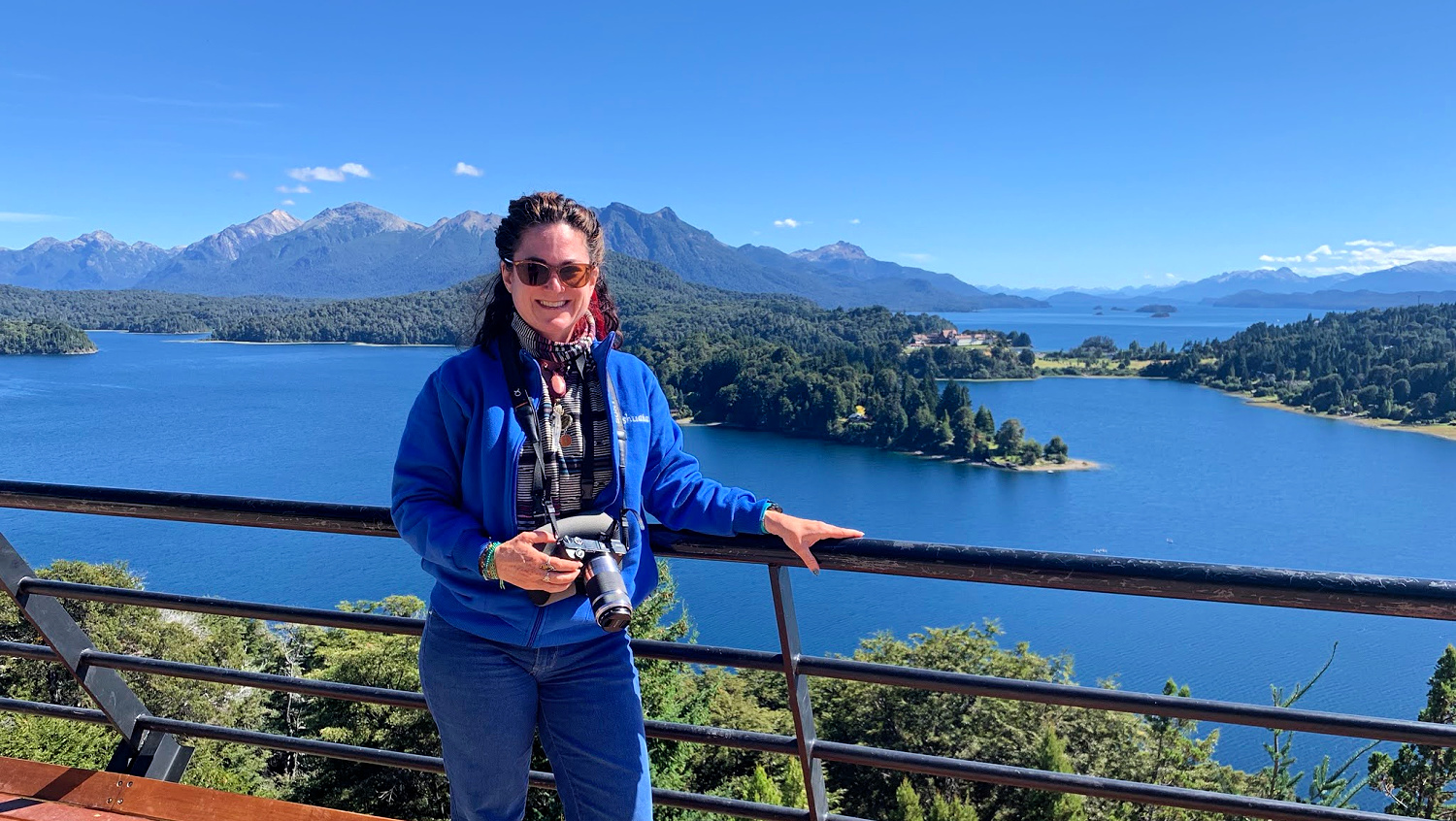
Like many professionals experiencing burnout, she initially sought conventional remedies: therapy, professional coaching certifications, board memberships, and recreational sports leagues. Instead of finding relief, these activities yielded deeper exhaustion. The realization that she was more loyal to external responsibilities than to her own well-being ultimately forced a pivotal decision: she walked away from her corporate career. What was initially conceived as a six-year-month career break has since evolved into nearly a decade of continuous global exploration spanning 45 countries across six continents.
Defining the "Travel Reset": Beyond the Traditional Vacation
To understand Markel’s methodology, analysts and travel psychologists emphasize the structural difference between a standard vacation and what she defines as a "Travel Reset."
Traditional vacations typically span one to two weeks. Their primary function is temporary escapism and rapid decompression. Travelers often attempt to maximize efficiency by touring multiple cities or countries in a compressed timeframe. According to Markel, this model is inherently flawed for individuals seeking systemic life changes. A short-term vacation rarely provides adequate time to disengage from ingrained psychological routines. Upon returning home, the traveler is immediately reabsorbed into the exact environment that generated their burnout, rendering inspirational epiphanies short-lived and impractical.
Conversely, a Travel Reset is an intentional, extended period of relocation lasting anywhere from one month to several years. By removing oneself from familiar social structures, domestic responsibilities, and professional obligations for an extended duration, the individual creates a psychological vacuum. This environment allows deep-seated personal reflections to transition from abstract ideas into actionable life plans. Furthermore, long-term travel often proves economically efficient compared to accelerated, short-term tourism, as slow travel minimizes transit costs and encourages economical daily living.

Psychological Implications and Solo Exploration
Markel’s framework places particular emphasis on solo travel as an unparalleled tool for self-discovery. Her experiences navigating six-month bus journeys through South America, border crossings in Central America, and an involuntary two-year residency in New Zealand during the COVID-19 pandemic illustrate the resilience forged by extended solo navigation.
Psychologists note that solo travel forces individuals out of automated behavioral loops. In familiar environments, interpersonal conflicts and emotional patterns are frequently projected onto external factors—colleagues, family members, or employers. When an individual relocates entirely alone to an unfamiliar country, those same recurring interpersonal challenges often manifest in new settings. This confrontation removes the illusion of external victimization, forcing individuals to recognize their own role in creating behavioral friction and granting them the agency to alter it.
Broader Economic and Societal Trends
Markel’s practice arrives at a time when the global workforce is undergoing structural reevaluation. The rise of remote work platforms, digital nomad visas, and gig economy structures has democratized extended travel. According to industry analysis, global interest in long-term remote work and extended career pauses has surged significantly over the past decade, driven largely by post-pandemic shifts in corporate attitudes toward work-life integration.

Sociologists and labor economists point out that Markel’s journey reflects a broader generational disillusionment with the traditional linear career path. The expectation of remaining within a single corporate ecosystem for decades in exchange for retirement security is steadily giving way to portfolio careers, sabbatical cultures, and intentional life design.
Methodology for Transitioning from Stuck to Mobile
As a Travel Reset Catalyst, Markel structures her professional coaching around bridging the gap between existential stagnation and practical mobility. Her consulting framework typically involves three primary phases:
- Introspection and Expectation Setting: Clients evaluate their current psychological and professional standing, identifying the underlying causes of their stagnation and establishing clear, intentional goals for their time abroad.
- Strategic Destination Mapping: Rather than selecting destinations based purely on tourism metrics, Markel matches clients with geographic locations that align specifically with their psychological and developmental objectives.
- Post-Reset Integration: A critical component of Markel’s methodology involves planning the reentry phase. Clients learn how to translate the self-awareness and adaptability gained abroad into sustainable lifestyle modifications upon their return, ensuring that the insights acquired during the reset are permanently integrated rather than discarded upon re-entry.
Through her published resources, public speaking engagements, and individualized coaching programs, Markel continues to advocate for a proactive approach to personal realignment—urging professionals to address structural unhappiness before it manifests as physical or psychological exhaustion.
Related posts: