The annual American tradition of Thanksgiving dinner presents a unique logistical challenge for home cooks: the severe spatial limitation of the standard residential oven. As families gather on the fourth Thursday of November to prepare elaborate, multi-course meals, the primary point of failure is almost invariably the bottleneck created by competing cooking times for the turkey, stuffing, casseroles, and roasted vegetables. Data from consumer appliance surveys consistently indicate that oven capacity is the top cited stressor for holiday hosts, with over 60% of home cooks reporting that they struggle to coordinate the timing of oven-baked dishes. To mitigate this, culinary experts and professional caterers are increasingly advising a shift toward stove-top, slow-cooker, and raw-prep side dishes to maintain the integrity of the meal without overtaxing the kitchen’s primary heating element.
The Logistics of the Thanksgiving Bottleneck
The traditional Thanksgiving menu is heavily weighted toward roasting, baking, and casseroles. When a 15-pound turkey requires three to four hours at 325 degrees Fahrenheit, the oven is effectively occupied, leaving little room for secondary dishes that require similar temperatures. Historically, this has forced hosts into a complex, high-pressure scheduling regime. The implications of this are significant: food safety risks increase when dishes are held at improper temperatures while waiting for oven space, and the overall quality of the meal declines when side dishes are subjected to prolonged warming or are served tepid.
By strategically re-evaluating the menu, hosts can decouple the preparation process from the oven’s cycle. This approach, often referred to by professional kitchens as "mise en place," involves preparing components in advance so that the final assembly occurs on the stovetop or requires no heat at all.
Chronology of Preparation and Efficiency
Successful holiday hosting relies on a phased timeline. By shifting away from oven-dependent sides, the kitchen workflow becomes more linear:

- Three to Four Days Prior: Procurement of ingredients and initial preparation of sauces, dressings, and vinaigrettes.
- Two Days Prior: Blanching vegetables, such as green beans, to ensure they maintain texture and color without needing a lengthy oven roast.
- One Day Prior: Preparing stovetop purées or pasta dishes that can be reheated gently or held in a slow cooker.
- Thanksgiving Day: Final assembly and rapid stovetop finishing, allowing the oven to be dedicated solely to the protein.
Stovetop Alternatives and Modern Techniques
Modern culinary practices offer numerous alternatives to the traditional oven-baked side dish. These alternatives not only save space but often provide a fresher, more vibrant flavor profile.
The Evolution of Green Bean Dishes
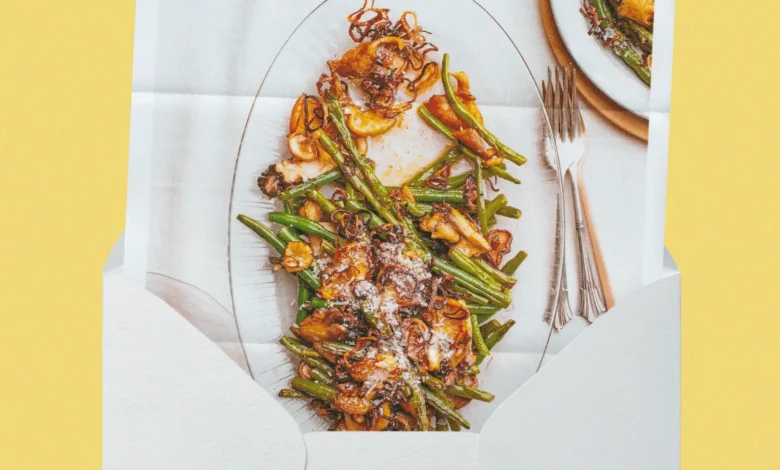
Rather than the standard green bean casserole, which relies on a long bake to achieve texture, a stovetop version using high-quality mushrooms and fresh shallots can be prepared in minutes. By opting for varieties like shiitake or oyster mushrooms, cooks can achieve deep, savory notes that traditionally required a long roast. Similarly, incorporating global influences, such as tahini-miso dressings, allows for a sophisticated flavor profile that requires zero oven time.
Steaming as a Superior Alternative
While roasting sweet potatoes is conventional, the steaming method—popularized in contemporary culinary circles—often produces a superior, more uniform result. Steaming retains moisture and ensures the interior becomes exceptionally creamy. This technique also frees the oven for the turkey, as the sweet potatoes can be finished with a stovetop-prepared glaze or butter infusion.
The Role of Small Appliances
The rise of the air fryer and the multi-cooker has fundamentally changed the landscape of home cooking. Air fryers, which utilize high-velocity convection heat, can mimic the "roasting" effect on Brussels sprouts or root vegetables in a fraction of the time and space. These appliances are increasingly viewed as essential, not supplemental, tools for the Thanksgiving host.
Expert Insights on Kitchen Strategy
Industry analysts and professional chefs emphasize that the psychological burden of Thanksgiving cooking is often self-imposed. "The goal is to provide a balanced meal where no single element is compromised by the limitations of the hardware," notes a representative from a leading culinary research firm. "When you remove the oven as the sole source of heat, you expand the possibilities for texture and freshness."

The inclusion of raw or cold sides, such as kale salads with complex, nut-based vinaigrettes, also adds a necessary acidic and crisp element to a meal that is typically heavy in fats and carbohydrates. This diversification of the plate is not only a logistical strategy but a culinary improvement that balances the palate.
Broader Economic and Social Implications
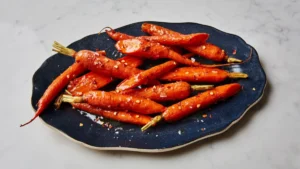
The trend toward "oven-agnostic" cooking reflects a broader shift in consumer behavior. As households become more mindful of energy consumption and time efficiency, the traditional "all-day-in-the-oven" model is being challenged by faster, more efficient techniques. Furthermore, the economic pressure of rising food costs has led home cooks to seek recipes that are flexible; dishes like stovetop mac and cheese or glazed carrots allow for ingredient substitutions based on seasonal availability and price, without sacrificing the spirit of the holiday.
Strategic Menu Planning for Success
To successfully execute an oven-free side menu, the following categories should be prioritized:
- Stovetop Purées: Parsnips or celeriac, when boiled and pureed with high-quality butter, offer a sophisticated alternative to mashed potatoes.
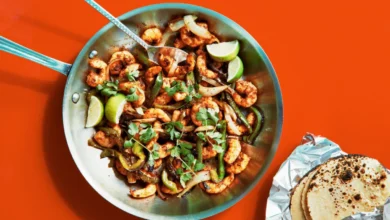
- Stir-Fried Vegetables: Brussels sprouts and other cruciferous vegetables benefit from the high, direct heat of a sauté pan, which creates a caramelization similar to roasting but in minutes rather than hours.
- Slow-Cooker Greens: Collard greens or kale can be braised in a multi-cooker, allowing the host to set them aside early in the day, thereby clearing the stovetop for last-minute preparations.
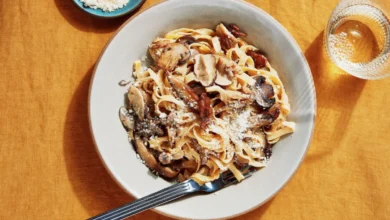
- Pasta and Grains: Dishes like artisanal macaroni and cheese, when prepared with a béchamel sauce on the stove, avoid the drying effects of an oven bake.
Conclusion
The transition toward a diversified cooking strategy—utilizing the stove, air fryer, and raw preparation—represents a modern, pragmatic approach to the Thanksgiving holiday. By shifting the burden away from the oven, the host is empowered to manage the kitchen with greater precision and less anxiety. This method not only preserves the quality of the food but also allows the host to participate in the social aspects of the holiday rather than remaining sequestered in the kitchen managing a bottleneck of baking trays. As the culinary landscape continues to evolve, the most successful holiday tables will be those that prioritize efficiency, versatility, and the strategic use of all available kitchen resources.