How to Connect with India Through Authentic Local Experiences and Traditions

The global travel landscape is currently undergoing a significant paradigm shift, as modern voyagers increasingly pivot away from traditional sightseeing in favor of deep cultural immersion. While iconic landmarks such as the Taj Mahal and the Amber Fort remain essential pillars of the Indian tourism experience, a growing movement emphasizes the "pauses in between"—the subtle, everyday rituals and regional nuances that constitute the true essence of the Indian subcontinent. This evolution in travel preference reflects a broader desire for authenticity, where the value of a journey is measured by the depth of human connection and the understanding of localized traditions.
India’s vastness is not merely geographical but also cultural, characterized by a staggering diversity of languages, cuisines, and social practices. To truly engage with the country, experts suggest a focus on regionality. From the spiritual fervor of the northern plains to the tranquil waterways of the south, the Indian experience is a kaleidoscope of regional pride. Local guides, such as Madan Singh of Intrepid Travel, emphasize that the "real India" is often found in the smallest gestures, such as the drawing of a rangoli pattern at a doorstep or the shared silence during a ritualistic lamp-lighting ceremony.
The Spiritual Pulse: Varanasi and the Rituals of the Ganges
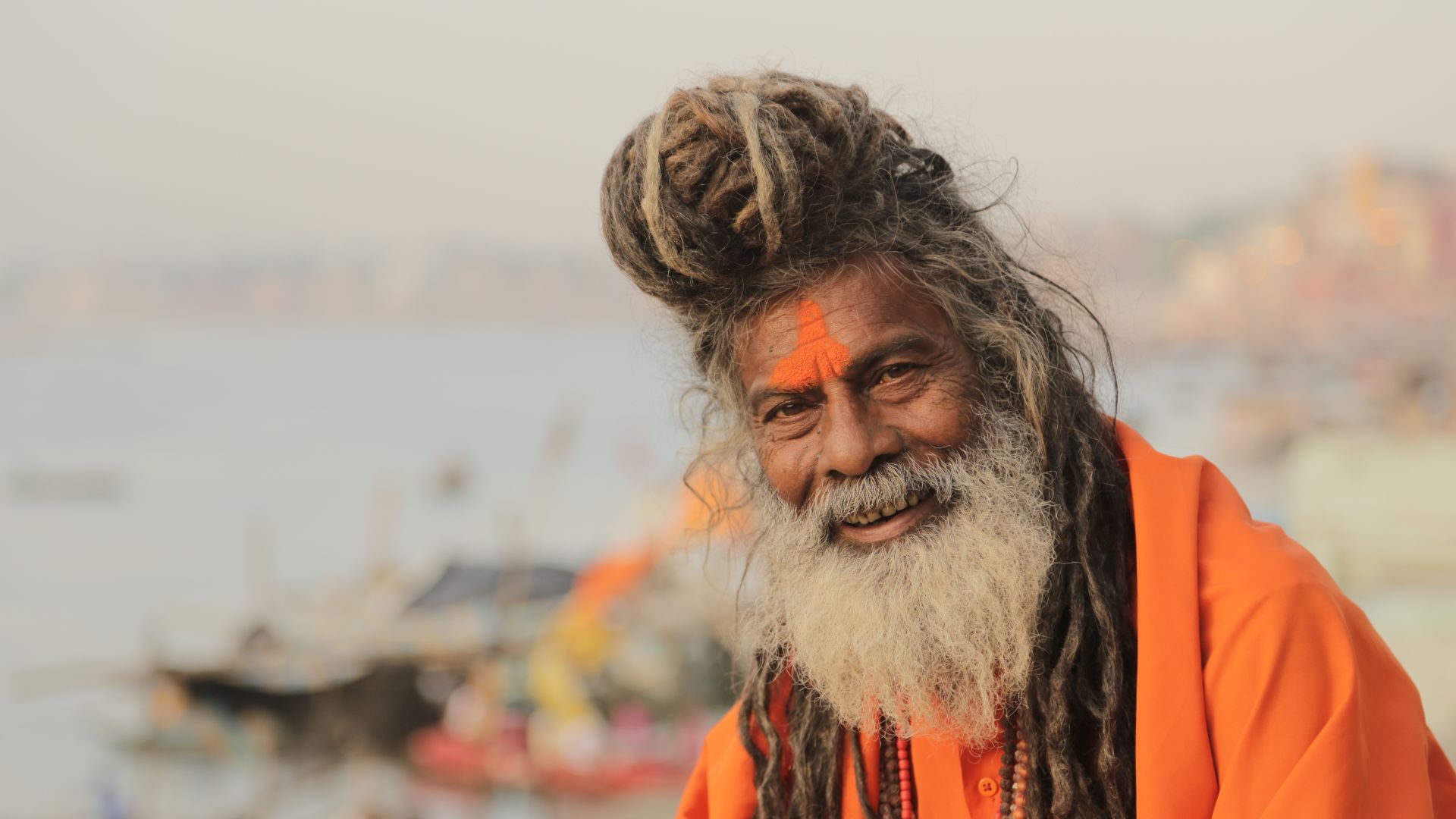
Varanasi, often cited as the spiritual capital of India and one of the oldest continuously inhabited cities in the world, offers a profound entry point into the country’s religious psyche. While the nightly Ganga Aarti—a synchronized ritual of fire and chants—is a well-documented spectacle, the city’s true character is revealed through its slower rhythms. Walking tours led by local residents provide a perspective that transcends the typical tourist lens.
Ankita Jaiswal, a local guide who was raised in the city, notes that the ringing of temple bells and the scent of incense at dusk signal a collective pause in the urban chaos. Shopkeepers often perform small prayers at their thresholds to welcome prosperity, a ritual that momentarily slows the frantic pace of the markets. This spiritual infrastructure is central to the lives of the millions who reside along the Ganges, where the river is viewed not just as a body of water, but as a living deity. Observing these daily interactions provides travelers with a nuanced understanding of how faith and commerce coexist in modern India.
Socio-Economic Empowerment Through Urban Mobility
In the city of Jaipur, the traditional auto-rickshaw ride has been transformed into a vehicle for social change. The Pink City Rickshaw Company, a notable non-profit organization, has pioneered a model of employment for women from low-income households. This initiative addresses two critical needs: the economic empowerment of women and the provision of authentic, sustainable transport for visitors.
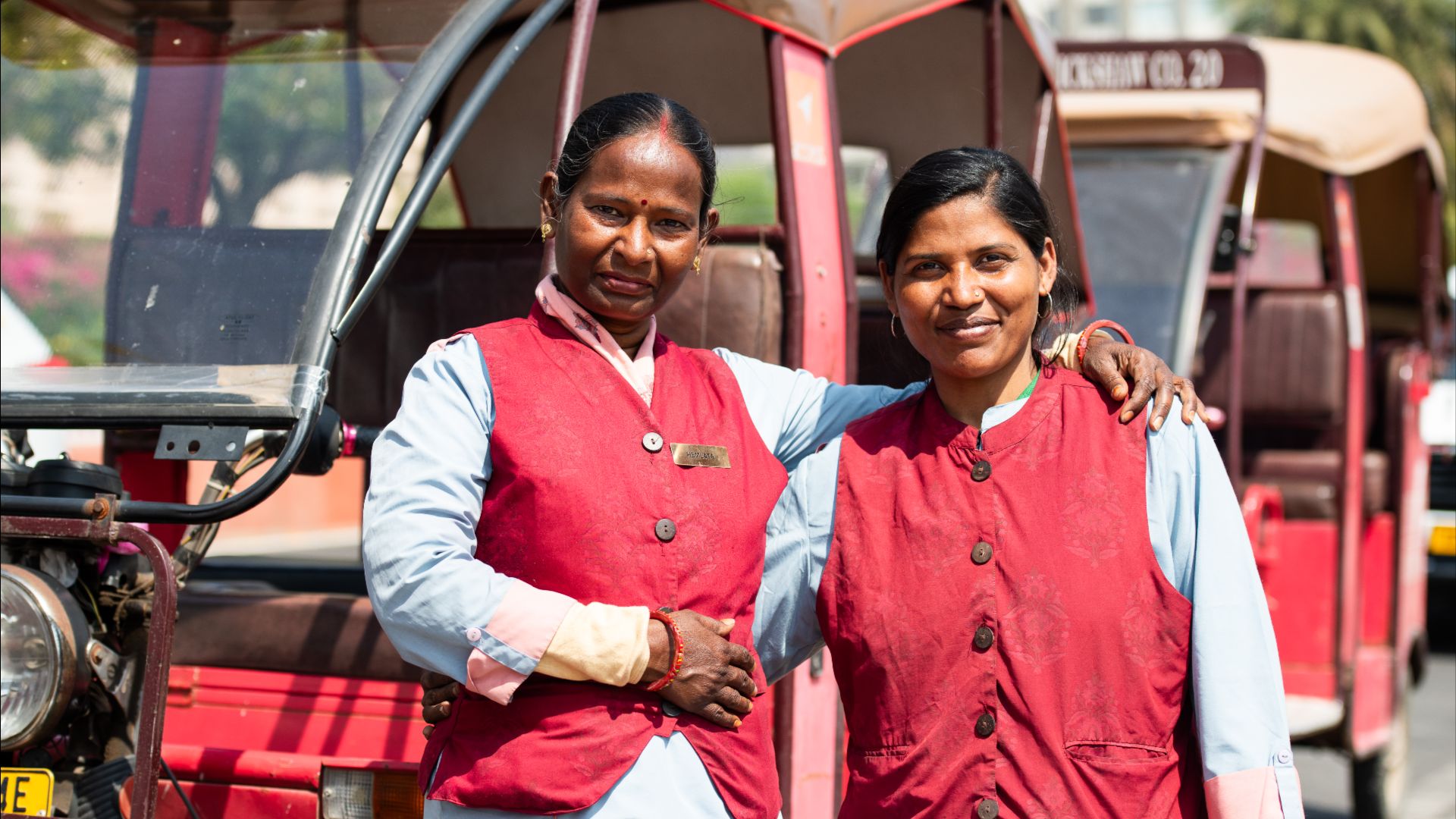
Unlike the common "tuk-tuks" found elsewhere in Asia, these "autos" serve as the primary mode of transport for millions of Indians, sitting at the intersection of public accessibility and private convenience. By engaging with female drivers, travelers gain a unique vantage point on the city’s history and the contemporary challenges faced by its residents. This form of experiential tourism ensures that travel expenditures directly benefit the local community, fostering a more equitable tourism economy.
The Communal Experience of Indian Cinema
The Indian film industry, popularly known as Bollywood, is one of the largest in the world, producing over 1,000 films annually. However, the cultural impact of cinema in India extends far beyond the screen. Watching a film at a historic venue like Jaipur’s Raj Mandir Cinema—an Art Deco landmark from the 1970s—is a participatory event.
The atmosphere inside such a theater is a reflection of the national passion for storytelling. Audiences are known to react vocally to the narrative, with cheers, applause, and occasional dancing in the aisles. This communal engagement offers a window into the social fabric of India, where cinema acts as a unifying force across different social strata. For the international visitor, this is not merely an entertainment choice but an exercise in cultural sociology.

Agricultural Heritage: The Journey of Chai
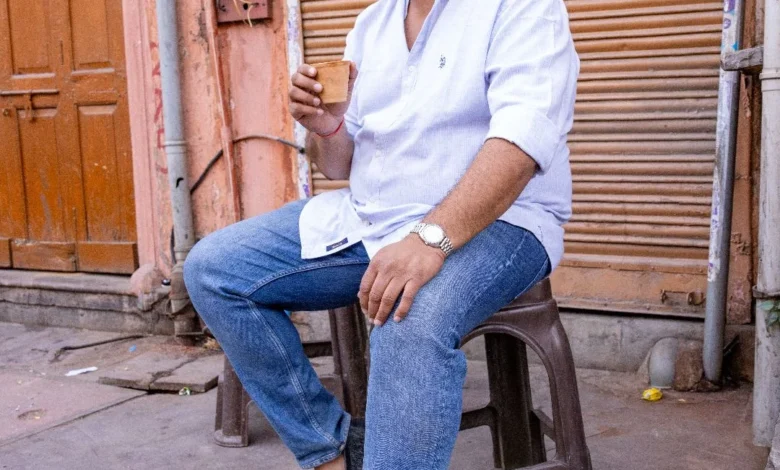
India is the world’s second-largest producer of tea, and the ritual of drinking "chai" is woven into the daily life of every citizen. While street-side chai stalls are ubiquitous, visiting the source—the tea plantations of Kerala’s Western Ghats—provides a deeper context for this national beverage.
In regions like Munnar, the landscape is defined by rolling emerald hills and high-altitude estates that date back to the colonial era. Local experts like Kuldeep Pujari highlight the importance of understanding the "terraces to terracotta cups" journey. Participation in farming activities, particularly during the harvest season, allows travelers to appreciate the labor-intensive nature of tea production. This connection to the land provides a rare glimpse into the agricultural backbone of the country, which remains the primary source of livelihood for a significant portion of the population.
The Philosophy of Food and the Auspicious First Transaction
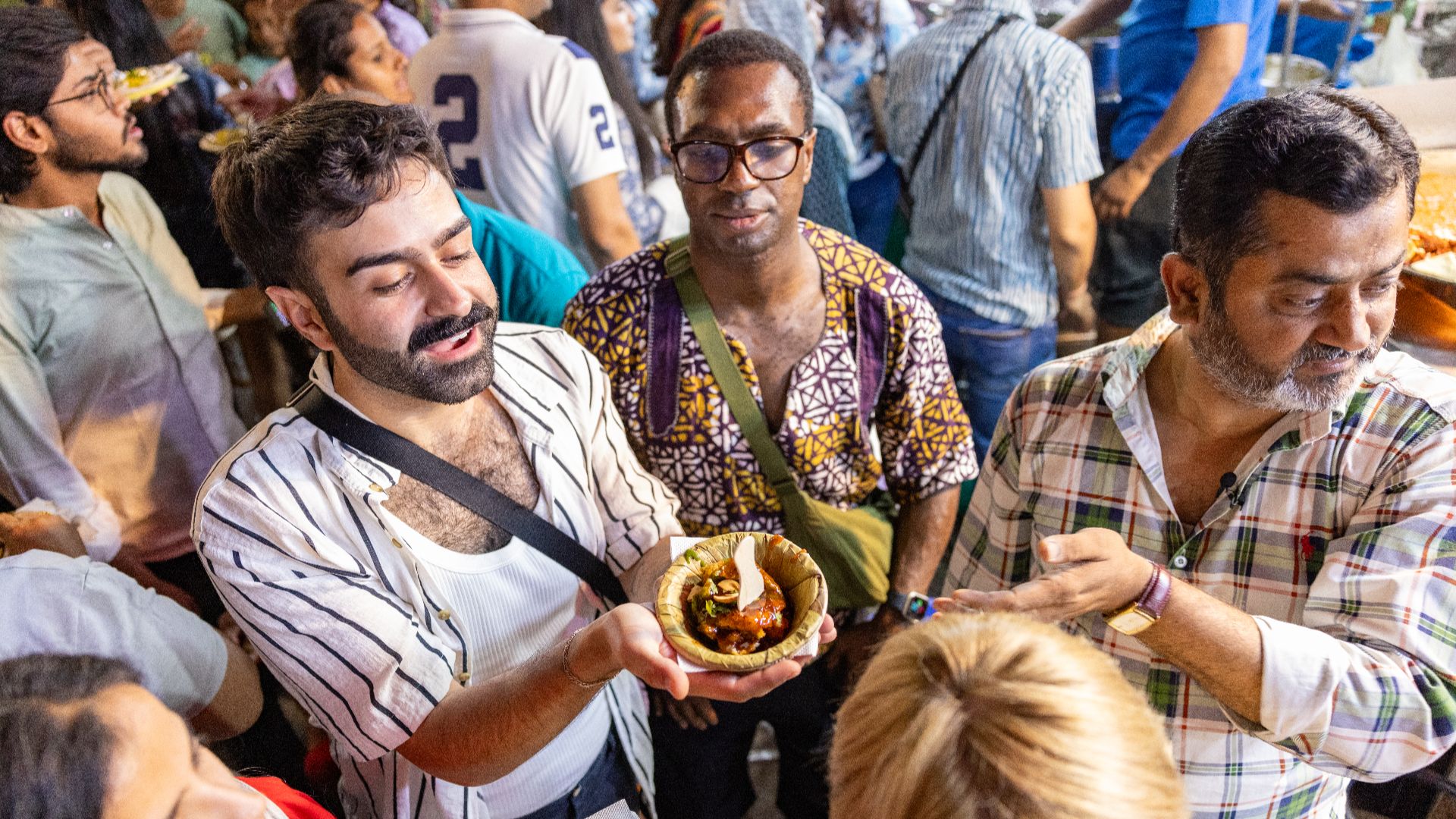
Indian gastronomy is a complex system influenced by geography, religion, and history. Street food, in particular, is a vital component of urban life. From the savory "chaat" of Delhi to the spicy "kachoris" of Rajasthan, the flavors are as diverse as the dialects.

Beyond the palate, food in India is governed by deep-seated traditions. Mahaveer Singh, a cultural guide, explains the concept of the "first transaction." In many Indian markets, the first sale of the day is considered highly auspicious (bohani), believed to set the tone for the day’s prosperity. Shopkeepers may bless the currency received or the item sold, creating a moment of spiritual significance in a mundane commercial exchange. Understanding these nuances transforms a simple meal into a lesson in local belief systems.
Wellness Beyond the Physical: The Roots of Yoga
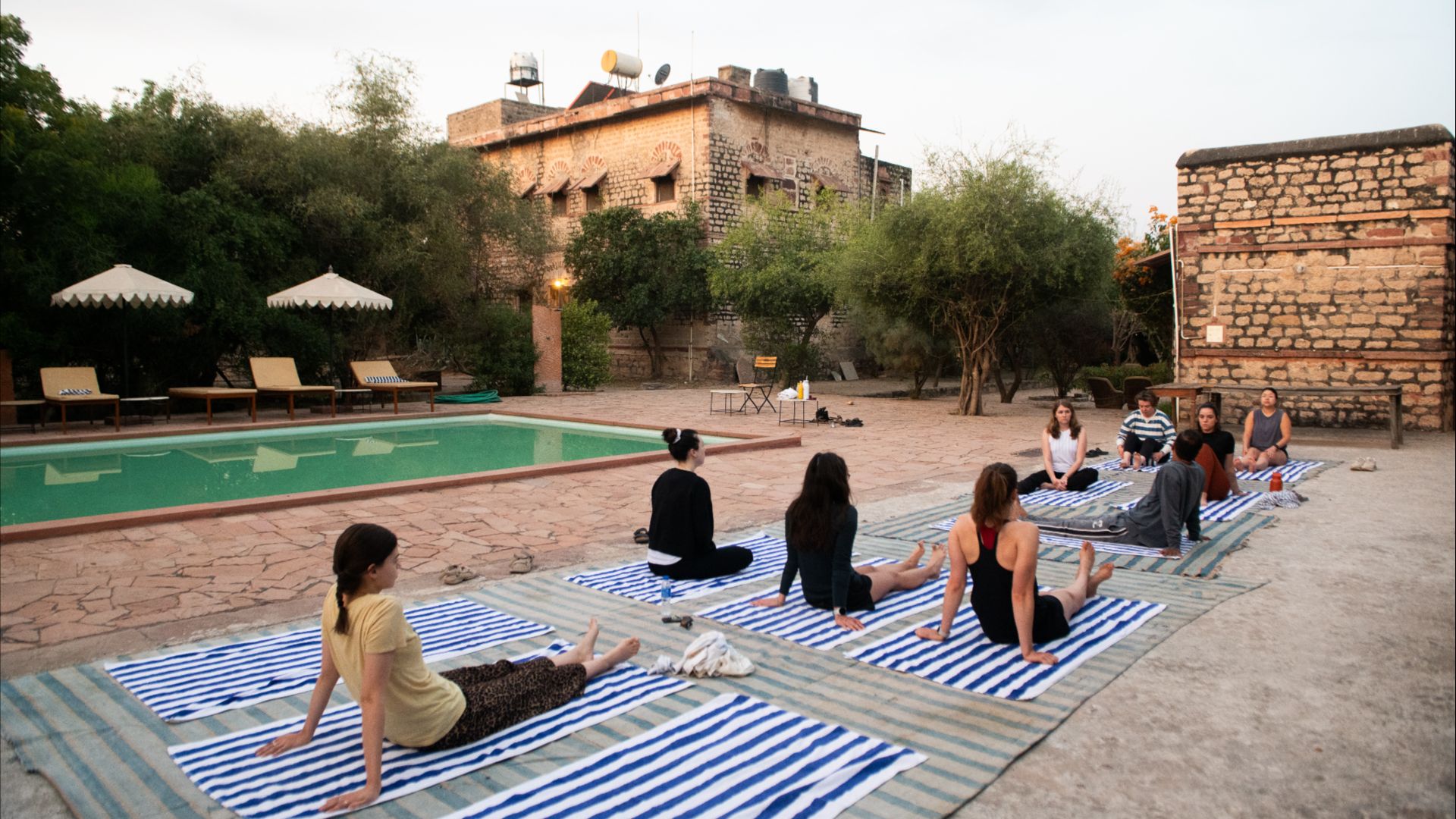
While yoga has become a multi-billion dollar global industry focused largely on physical fitness, its origins in India are rooted in a holistic philosophy of life. Rishikesh, nestled in the Himalayan foothills, is globally recognized as the "Yoga Capital of the World." Here, the practice is viewed as a daily ritual for self-discovery and inner strength rather than a purely athletic endeavor.
The presence of local teachers and ashrams provides an environment where the spiritual and meditative aspects of yoga are prioritized. This authentic approach to wellness encourages travelers to slow down and align with the natural environment, offering a stark contrast to the fast-paced nature of modern Western life.
Preservation of Traditional Crafts and Artisanal Skills
India’s textile heritage is among the richest in the world, with each region boasting its own unique weaving and embroidery techniques. A sari is often more than a garment; it is a repository of generational history. For instance, the intricate Chikankari embroidery of Lucknow and the Patola weaves of Gujarat represent centuries of artistic evolution.
In villages like Chandelao, projects such as Sunder Rang play a crucial role in keeping these traditional skills alive. By creating a space where women can produce handmade textiles, these initiatives prevent the loss of cultural identity to industrialization. For visitors, engaging with these artisans provides an opportunity to learn about the symbolism of patterns, such as rangoli or mehndi (henna), which are integral to village life and festive celebrations.
The "Slow Travel" Movement on Keralan Backwaters
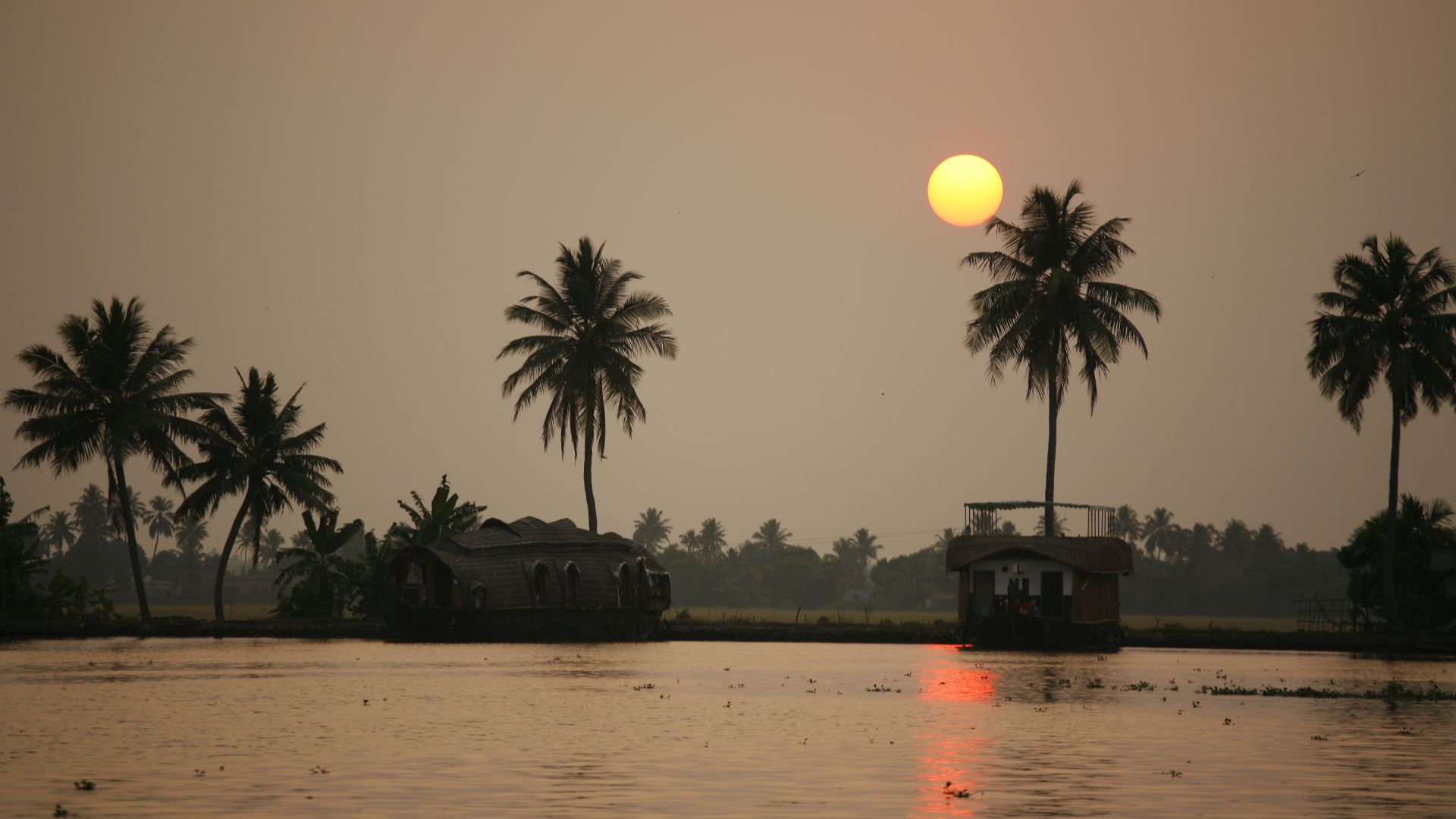
In an era dominated by digital connectivity, the backwaters of Kerala offer a sanctuary for "slow travel." Navigating the network of lagoons, canals, and lakes on a traditional houseboat (a kettuvallam) necessitates a departure from the hurried pace of conventional tourism.
This region, often referred to as "God’s Own Country," provides an intimate look at waterside life. Travelers can observe fishermen in vallam canoes and children playing on the banks, all while surrounded by coconut groves and paddy fields. This environment fosters a unique connection with nature and local communities, particularly through the lens of Southern Indian cuisine and the traditional lifestyle of the Keralan people.
Seasonal Festivals as a Cultural Entry Point
The Indian calendar is punctuated by an array of festivals that offer profound insights into the country’s diverse traditions. While Diwali and Holi are internationally famous, smaller seasonal celebrations like Basant Panchami—which marks the arrival of spring—are equally significant.
During Basant Panchami, cities like Jaipur are transformed as families gather on rooftops to fly kites, sharing food and music. These events are not staged for the benefit of tourists; they are authentic snapshots of life unfolding as it has for generations. Aligning a visit with these seasonal milestones allows for a more organic integration into the local culture.
Conclusion: The Broader Impact of Authentic Engagement
The shift toward authentic cultural experiences in India has significant implications for both the traveler and the host nation. For the traveler, it results in a more profound, memorable, and educational journey that challenges stereotypes and fosters global understanding. For India, it supports the preservation of traditional crafts, empowers marginalized communities, and promotes a more sustainable model of tourism that protects the country’s cultural and environmental integrity.
As Bhupesh Tamang, a veteran travel leader, notes, the most enduring memories of India are rarely the monuments themselves, but the friendliness and the everyday interactions with the people who call the country home. By prioritizing these connections, visitors can experience a version of India that is as deep and nuanced as it is beautiful. Through small-group adventures and locally led tours, the opportunity to engage with the "real India" is more accessible than ever, ensuring that the country’s rich cultural tapestry continues to thrive in the 21st century.