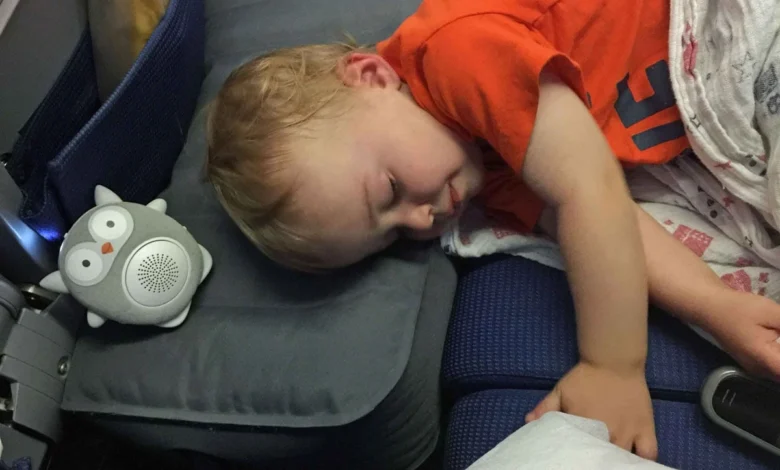
Traveling with toddlers on long-haul flights is widely considered one of the most stressful experiences for parents. The combination of confined seating, limited mobility, and the disruption of a child’s sleep schedule often results in significant distress for both the family and fellow passengers. In recent years, a niche industry has emerged to address these logistical challenges, with the Fly Tot inflatable airplane cushion representing one of the most prominent products designed to convert economy-class seats into makeshift beds.

The Concept and Evolution of In-Flight Seat Extenders
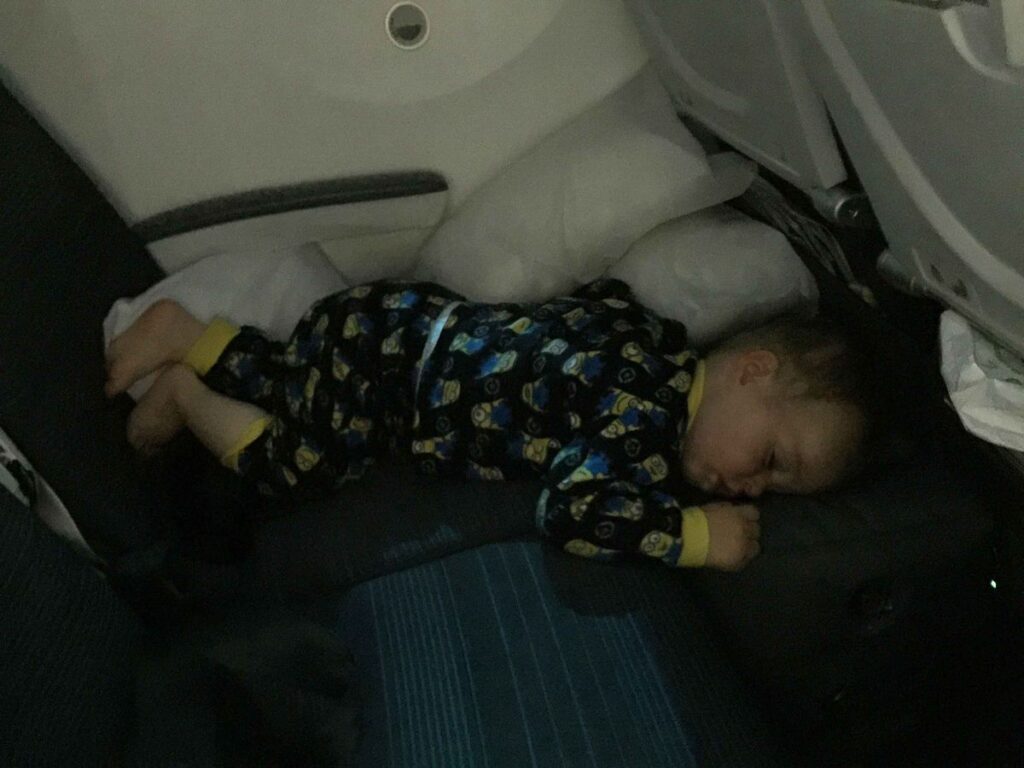
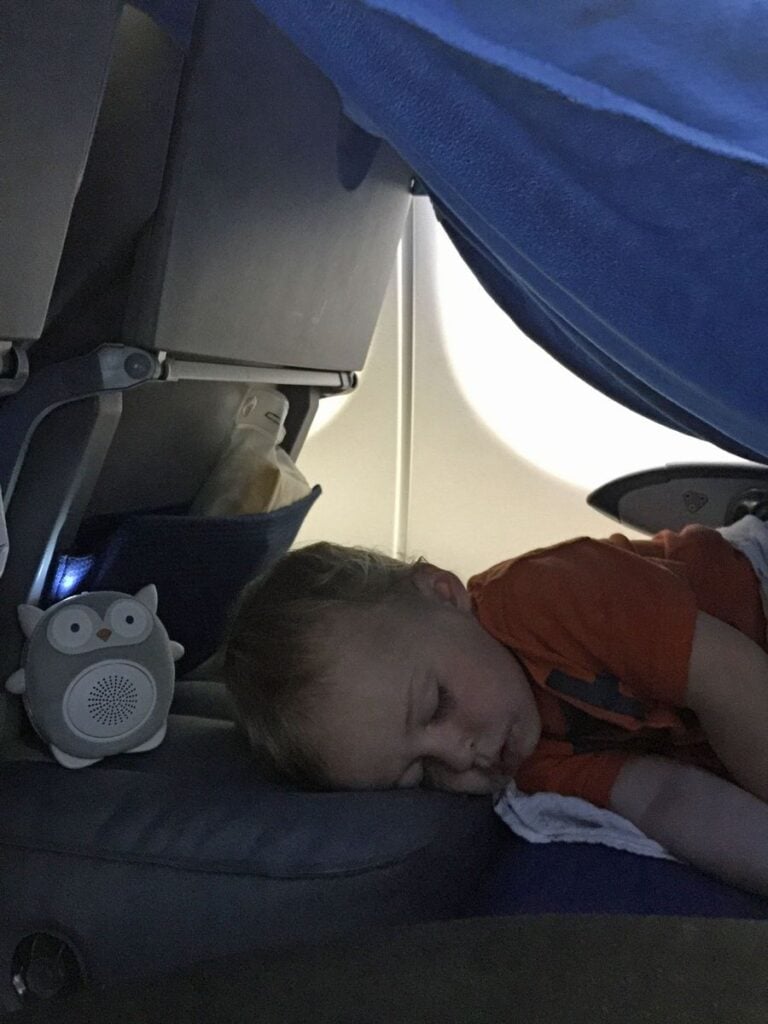
The primary function of the Fly Tot is to fill the void between an economy seat and the seat in front of it. By creating a level, cushioned surface, the product effectively extends the usable footprint of the airline seat, allowing children to lie flat or stretch their legs. The product was developed to mitigate the "lap toddler" issue, where parents are forced to hold an active child for the duration of a multi-hour flight.

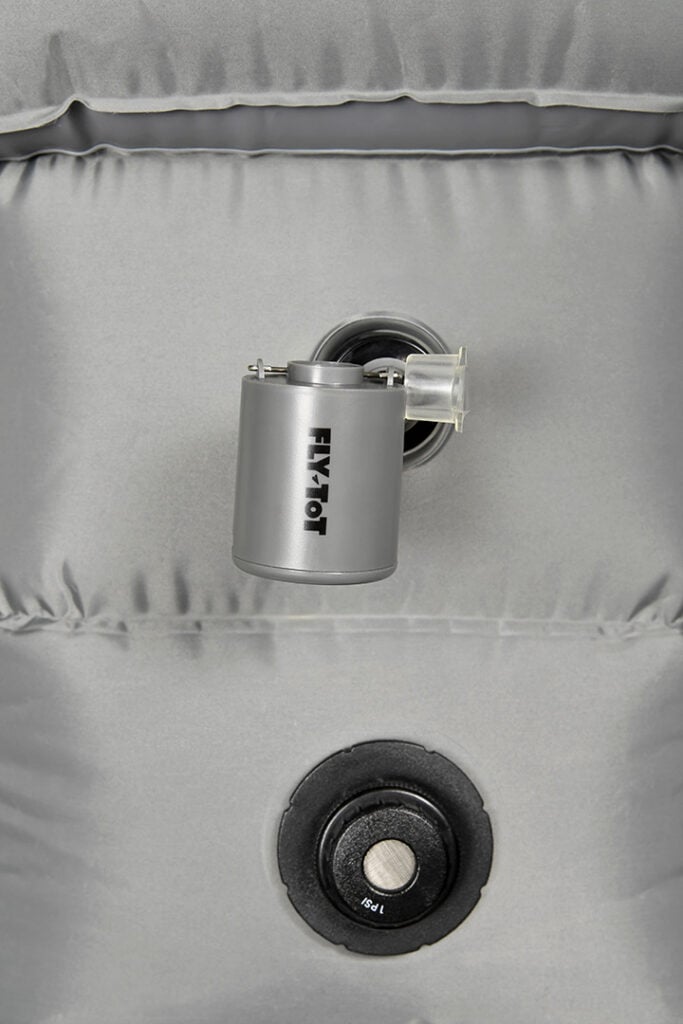
The original model, which gained traction nearly a decade ago, relied on a manual inflation system. However, the current iteration—the Fly Tot Plus—reflects a significant evolution in design, incorporating modern conveniences and safety considerations. These include a patented two-width design to accommodate varying seat pitches, an automatic safety release valve to account for potential cabin pressure fluctuations, and a compact, rechargeable electric "Tiny Pump" that replaces the bulkier manual tools of the past.
Chronology of Development and Usage
The rise of such products coincides with a broader shift in the travel industry toward "family-friendly" amenities, although policies remain inconsistent across different airlines. Early adopters of the Original Fly Tot utilized the cushion as a solution for international, long-haul travel—specifically routes exceeding 10 hours. Data from frequent travelers suggests that successful usage is highly dependent on the child’s age, with the manufacturer now strictly positioning the Fly Tot Plus for the two-to-eight-year-old demographic.
Historical usage patterns indicate that families who integrated these cushions into their travel routine reported higher rates of consistent sleep for their children. However, the regulatory landscape has remained a point of friction. As the product became more popular, major airlines were forced to clarify their positions on seat-fillers. Most carriers have adopted a "case-by-case" or "crew-discretion" policy, largely because these devices, while helpful for families, can potentially obstruct emergency egress or interfere with under-seat storage regulations.

Supporting Data and Technical Specifications
The Fly Tot Plus design incorporates several technical upgrades over its predecessor. The inclusion of an automatic pressure release valve is a critical safety update, addressing concerns from aviation safety experts regarding inflatables in pressurized cabins. The device’s dimensions, when packed, have been optimized to roughly 11 x 8 x 3 inches, a size that makes it significantly more portable for carry-on luggage than the original iteration.

From a usability standpoint, the transition to an electric pump system—capable of inflating the cushion in under 60 seconds—addresses the primary complaint regarding setup time. In a crowded economy cabin, the speed of installation is a significant factor in preventing friction with other passengers. Furthermore, the tapered base of the newer model is specifically engineered to avoid interfering with aircraft equipment located beneath the seat, such as life vests or in-flight entertainment hardware.
Regulatory Landscape and Airline Policies

The legal and operational status of inflatable airplane beds remains complex. There is no universal standard across the aviation industry; therefore, the responsibility of verification falls entirely on the consumer. Airlines such as Singapore Airlines have historically provided diagrams to passengers illustrating acceptable usage areas, emphasizing that the device must not block access to aisles or emergency exits.
Airlines generally stipulate that these devices may only be used during the cruise portion of the flight. They must be stowed during taxi, takeoff, and landing, as well as during periods of turbulence when the seatbelt sign is illuminated. This requirement is non-negotiable, as the primary safety restraint remains the seatbelt provided by the airline, which must be fastened across the child’s lap. If a child is sleeping on the extended platform, they must typically be repositioned to a standard seated posture if the flight crew deems it necessary for safety.
Analysis of Implications for Family Travel
The implications of using such devices are two-fold. For the family, the benefit is improved rest, which can significantly reduce the "jet lag" effect on children upon arrival. From a broader travel perspective, the normalization of these products has forced airlines to modernize their cabin policies. However, the "investment" aspect of these products cannot be ignored. With retail prices often exceeding standard travel accessories, these items are most cost-effective for families who travel internationally with high frequency.

For the occasional traveler, the logistical hurdles—checking individual airline policies, the risk of a gate agent denying use of the device, and the added weight of the gear—may outweigh the potential benefits. Conversely, for the demographic of frequent flyers with children between the ages of two and eight, the product functions as a vital tool for managing behavior and physical comfort.
Expert Recommendations for Successful Implementation
To ensure a seamless experience, seasoned travelers and industry experts suggest a standard protocol:
- Verification: Always contact the airline directly regarding "inflatable seat extenders" before booking, as website policies may be outdated or vague.
- Seat Selection: Prioritize window seats. Placing an inflatable cushion in an aisle or middle seat is generally prohibited by most airlines because it traps other passengers, creating a fire-hazard or an obstacle during emergency evacuations.
- Timing: Never attempt to set up the device during the initial boarding phase. Wait until the aircraft has reached cruising altitude and the meal service has concluded.
- Compliance: Always maintain a polite and cooperative demeanor with flight attendants. If a crew member requests that the device be deflated and stored, it must be done immediately. The authority of the flight crew in the cabin is absolute.
- Maintenance: Practice inflation and deflation at home. Understanding the valve mechanism ensures that in the event of an emergency or a request from the crew, the device can be cleared in seconds.
Future Trends in Toddler Aviation Gear

The market for toddler travel gear is currently experiencing a period of refinement. Beyond the Fly Tot, competitors like the Flyaway Kids Bed offer alternative designs, such as raised platforms that preserve floor space for carry-on items. As the industry matures, the focus is shifting from simple utility to safety certification and space-saving portability.
While the Fly Tot remains a benchmark in the category, the broader trend suggests that parents are becoming more sophisticated in their approach to long-haul travel. They are moving away from ad-hoc solutions—such as stacking blankets or using makeshift pillows—toward purpose-built, airline-compliant equipment.

The lasting impact of these products is the shift in expectation. Families now view the airplane environment not merely as a transit space, but as a space that can be adapted for the specific needs of children. While airlines remain cautious, the growing volume of families successfully utilizing these tools indicates that, provided safety protocols are strictly followed, the "airplane bed" is becoming an accepted component of modern family travel, provided it does not compromise the comfort or safety of the wider passenger population.