The Valley of Roses: A Comprehensive Analysis of Morocco’s Damask Rose Industry and the Cultural Economy of Kalaat Mgouna

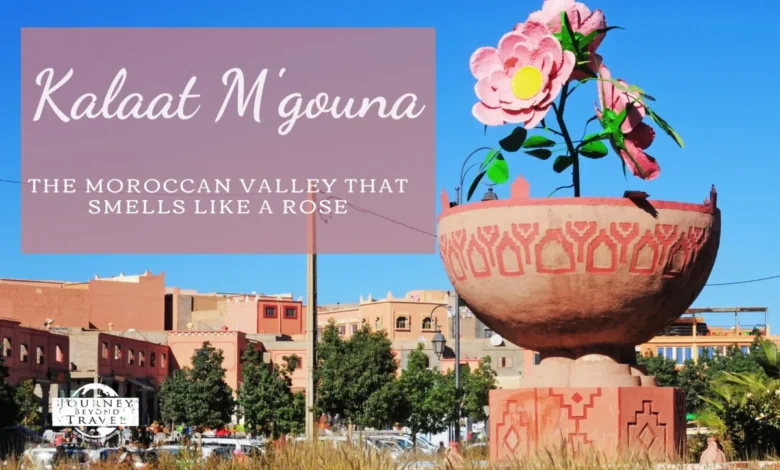
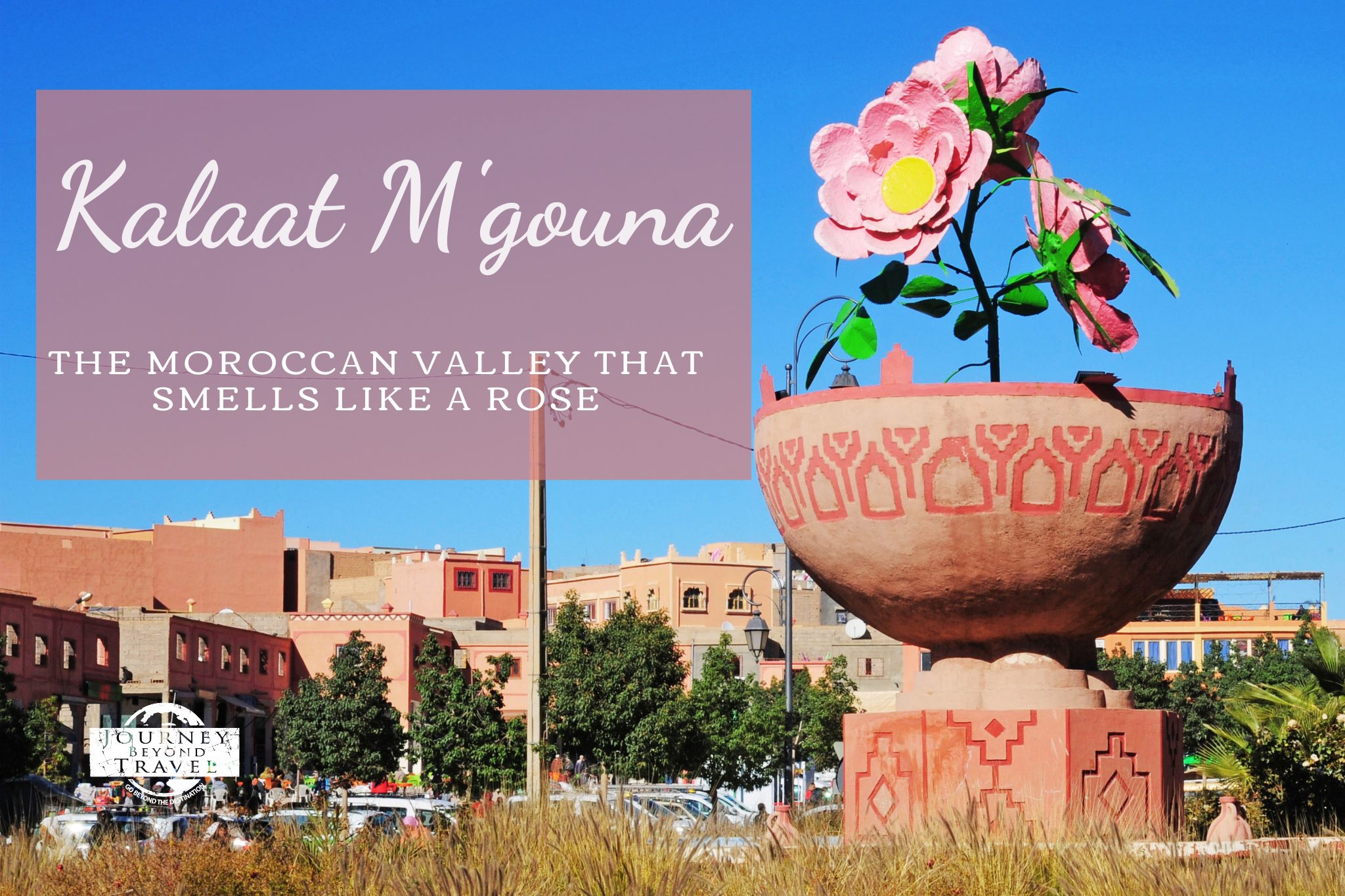
The transition from the arid, mineral-laden landscapes of southern Morocco to the fragrant, floral atmosphere of the Dades Valley serves as a sensory indicator of one’s arrival in Kalaat Mgouna. Situated at an altitude of approximately 1,700 meters, this town is the epicenter of a unique agricultural phenomenon that has sustained local communities for over a millennium. While neighboring regions like Ouarzazate and Aït Benhaddou are defined by their architectural heritage, Kalaat Mgouna is defined by a singular botanical export: the Rosa damascena, or Damask rose. This industry, which sees the valley turn a distinct shade of pink every spring, represents a sophisticated intersection of traditional agricultural practice, industrial processing, and international tourism.
Historical Context and Botanical Origins
The introduction of the Damask rose to the Moroccan landscape is historically attributed to the 10th century. Oral histories and regional records suggest that pilgrims returning from the Hajj in Saudi Arabia brought the cuttings to the Dades Valley, recognizing that the region’s microclimate mimicked the environmental conditions required for the rose to flourish.
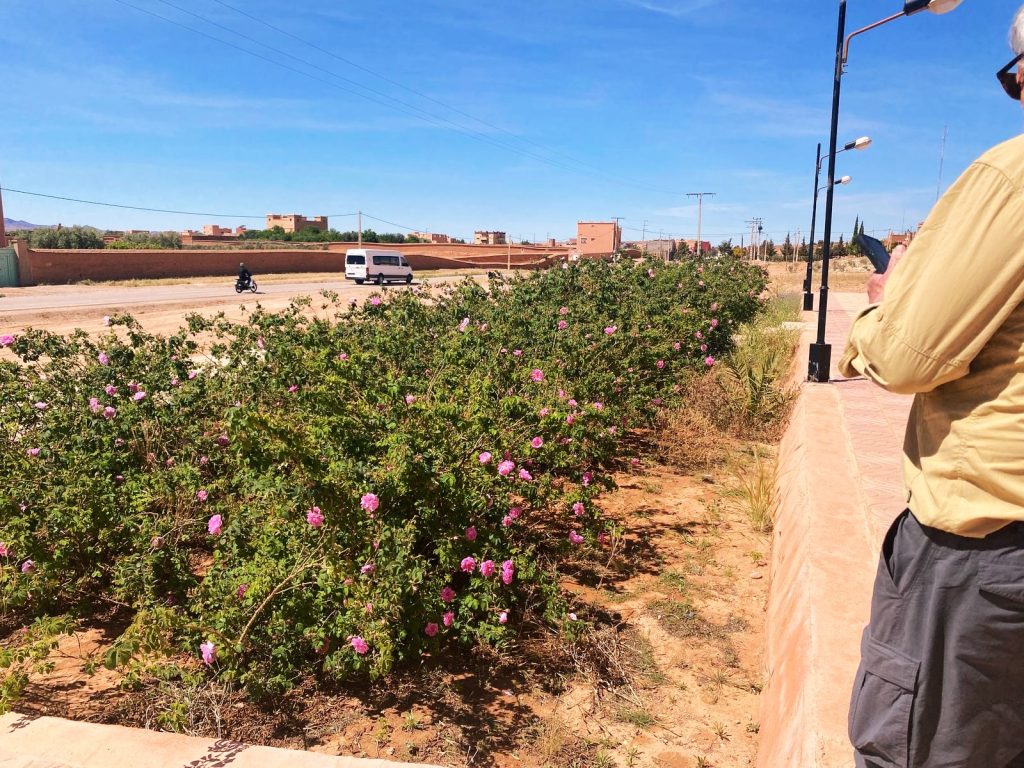
The valley provides an ideal ecological niche for the plant. The high altitude ensures cool nocturnal temperatures, which are essential for the synthesis of volatile oils within the petals. Simultaneously, the Dades River provides a consistent irrigation source, while the low humidity during the harvest season acts as a natural prophylactic against fungal diseases and pests. Over centuries, these roses were integrated into the landscape as living hedgerows, serving a dual purpose as natural boundaries for property lines and a lucrative cash crop. Today, these hedgerows extend for hundreds of kilometers, creating a complex, interlocking network of agricultural life that defines the geography of the Drâa-Tafilalet region.
The Economics of the Harvest: Data and Scale
The production of rose-based products in Kalaat Mgouna is a labor-intensive endeavor that relies on a brief, intense window of opportunity. The harvest typically spans from late April to mid-May, depending on the preceding winter’s rainfall. This window is dictated by the chemical maturity of the rose; farmers must harvest the flowers in the early morning hours, before the sun raises temperatures, to ensure the essential oil content—the most valuable component of the harvest—remains at its peak concentration within the unopened buds.
The scale of production is significant, yet highly concentrated. Industry data indicates that it requires approximately four tons of fresh rose petals to produce a single liter of rose essential oil, commonly known as rose attar. This ratio highlights the extreme efficiency and high cost of pure rose oil. Because the oil is highly volatile, the distillation process must occur within hours of the harvest. Local cooperatives and private distilleries operate under a tight schedule, processing tons of petals daily to meet the requirements of both local markets and international cosmetic houses.
The Annual Festival of Roses: Cultural Significance
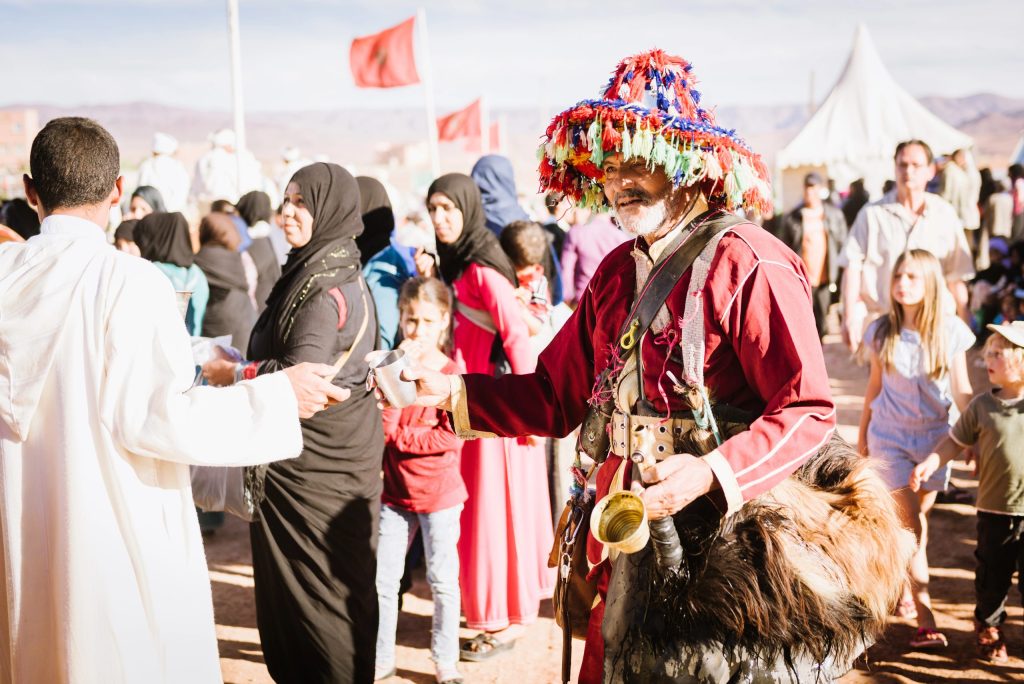
The culmination of the harvest is marked by the annual Festival of Roses, a multi-day event that serves as both a cultural celebration and a major economic driver. The festival, which typically takes place in early May, functions as a public platform for the regional industry. It brings together farmers, distillers, local artisans, and government officials to celebrate the season’s yield.
Historically, the festival has served as a mechanism for branding the region as a destination of choice for domestic and international travelers. During the event, the town hosts parades, traditional music performances, and exhibitions of Amazigh crafts, including the region’s historically significant knife-making (khanjar) and intricate silver jewelry production. The festival also provides a forum for stakeholders to discuss the sustainable development of the rose industry, emphasizing the need for water conservation and the protection of traditional farming methods against the encroachment of synthetic, cheaper alternatives.
Market Dynamics and Quality Assurance
A critical aspect of the local economy is the differentiation between authentic, artisan-produced rose products and synthetic imitations. Industry experts note that the market for rosewater and rose oil is frequently flooded with synthetic versions that offer a stronger, albeit artificial, scent.
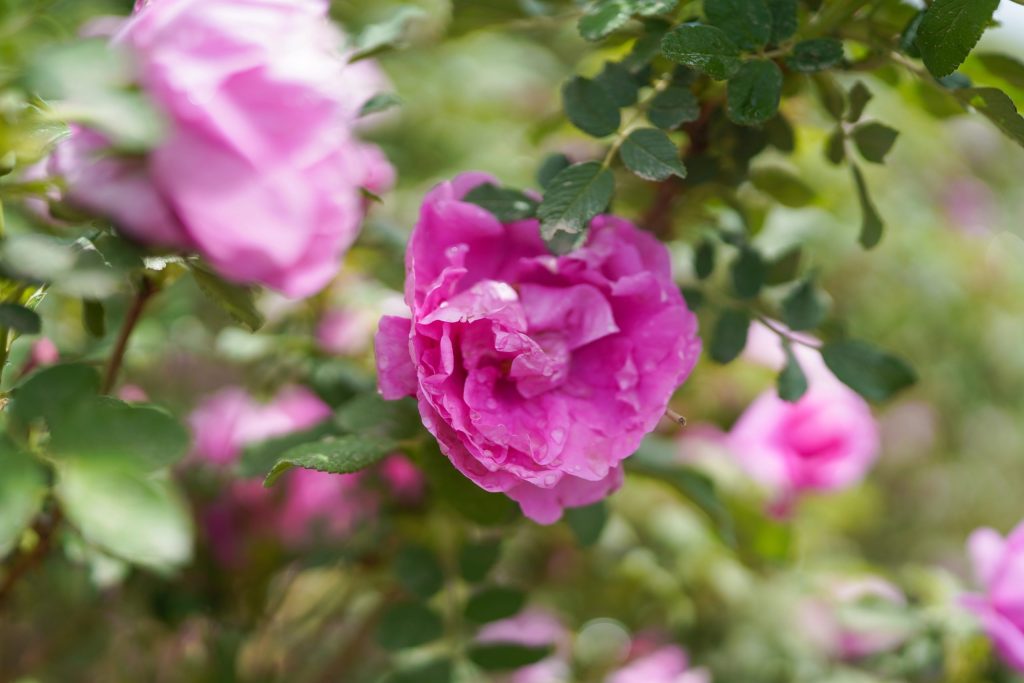
Authentic rosewater, produced via traditional steam distillation in copper stills, is characterized by its clarity. Local cooperatives have launched public awareness campaigns, advising consumers that a pink or tinted product is often a sign of artificial additives. By purchasing directly from established cooperatives and distilleries, visitors support a transparent supply chain where the economic value remains within the community. This direct-to-consumer model has become increasingly important as the global demand for "clean beauty" and natural essential oils grows.
Infrastructure and Strategic Development
Kalaat Mgouna’s position on the N10 highway—a vital artery connecting Ouarzazate to the eastern regions—facilitates its role in the southern tourism circuit. For the average traveler, the town is often part of a broader itinerary that encompasses the Todra and Dades Gorges.
The logistical requirements for visiting the region are straightforward, yet demand careful planning during the harvest season. While the town is accessible by bus via CTM and Supratours from Marrakesh and Ouarzazate, independent travel via private vehicle or hired driver is widely considered the most efficient method for exploring the distributed distillery sites.
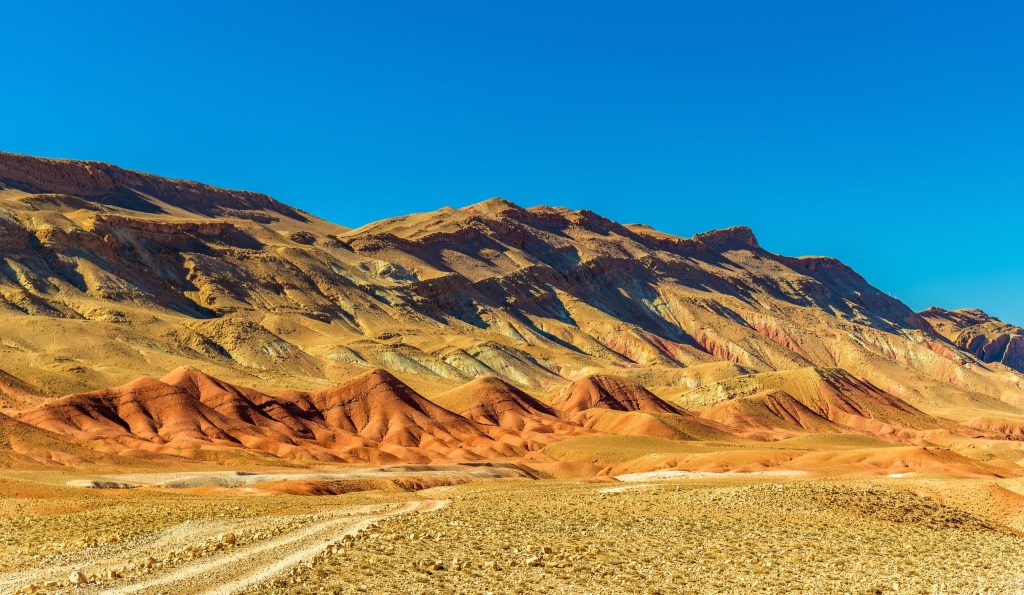
From an infrastructure perspective, the local government has increasingly focused on improving access to the valley’s remote villages, such as Bou Tharar. These areas, while less developed than the town center, offer a more authentic glimpse into the traditional agricultural lifestyle. The ruins of historic structures in these canyons serve as a reminder of the region’s layered history and the resilience of its inhabitants in navigating a harsh, high-altitude environment.
The Role of Sustainable Tourism and Trekking
Beyond the rose industry, the region has sought to diversify its economy through the promotion of adventure tourism. The presence of Mount Mgoun—at 4,071 meters, one of the most prominent peaks in the High Atlas range—provides a base for significant trekking activity.
Local agencies have standardized the logistics for both day hikes and multi-day summit attempts. This sector has a symbiotic relationship with the agricultural sector; the same local guides who lead trekkers during the summer months are often involved in the agricultural cycle during the spring. This diversification helps buffer the community against the volatility of agricultural yields, which can be impacted by climate-driven shifts in precipitation patterns.
Future Outlook and Environmental Implications
The future of the Kalaat Mgouna rose industry is inextricably linked to the management of water resources. As climate change continues to impact the Drâa-Tafilalet region, the sustainability of the Dades River irrigation systems is a primary concern for local stakeholders. Discussions regarding the modernization of irrigation techniques to reduce water waste are ongoing, reflecting a broader trend in Moroccan agriculture to adapt to increasing water scarcity.
Furthermore, the industry is navigating the challenges of global competition. While the Rosa damascena from this valley is highly regarded for its chemical profile, it must compete with large-scale industrial operations in other parts of the world. The regional strategy, therefore, is to lean into the "terroir" aspect—emphasizing the unique quality of the valley’s roses, the traditional, chemical-free processing methods, and the cultural heritage that surrounds the harvest.
Conclusion
The Valley of Roses is more than a seasonal tourist attraction; it is a complex, living ecosystem that demonstrates how a single crop can dictate the identity, economy, and social structure of a community. For the visitor, the experience of the harvest provides a rare, direct connection to the origins of a global commodity. For the resident, the rose is a safeguard of tradition and a primary source of economic stability. As the region continues to balance the demands of modern tourism with the preservation of its agricultural roots, Kalaat Mgouna remains a vital study in the sustainability of rural industry in the 21st century. Those planning to witness the harvest are advised to prioritize mid-May, as the window for this phenomenon is remarkably narrow, ensuring that the pink, fragrant reality of the valley remains a fleeting, precious experience for those who make the journey.