The Ultimate Guide to Selecting the Best Travel Backpacks for Urban Exploration and International Journeys


The global travel accessories market has experienced an unprecedented surge in innovation, driven largely by shifting consumer preferences favoring point-to-point urban mobility over traditional luggage. As modern travelers increasingly reject the logistical nightmares of rolling suitcases across cobblestone streets, narrow train aisles, and endless flights of stairs, bag manufacturers have responded with sophisticated hybrid designs. These products successfully bridge the gap between the ergonomic support of traditional hiking gear and the sleek, clamshell-opening convenience of urban travel bags. Drawing from over 15 years of rigorous field testing across Europe and North America, industry experts have compiled comprehensive evaluations to assist consumers in navigating the vast array of available options.

Background and Evolution of the Travel Backpack Market
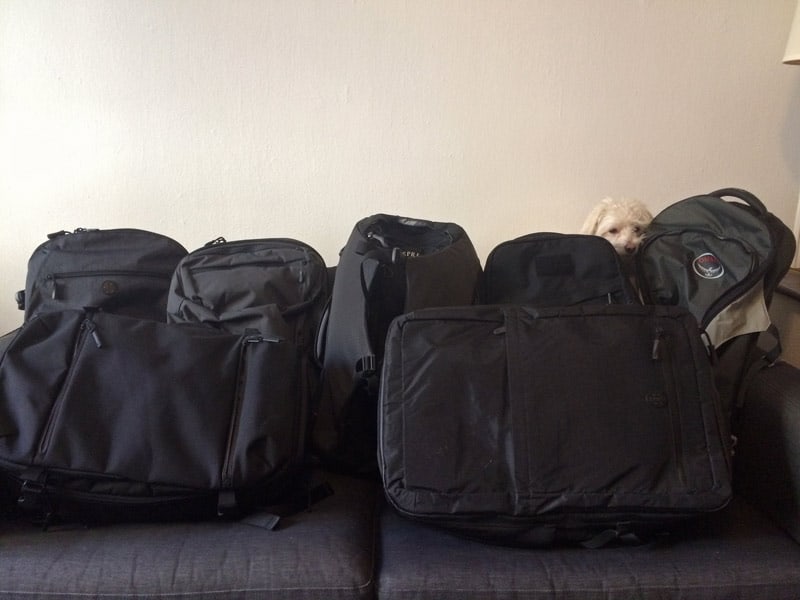
To understand the current landscape of travel gear, one must examine the evolution of modern transit over the past two decades. Prior to the mid-2000s, long-term international travelers and backpackers relied heavily on top-loading mountaineering packs or bulky, wheeled suitcases. Mountaineering bags offered exceptional comfort for extended treks but proved entirely impractical for urban environments, requiring users to empty their entire contents to access items at the bottom. Conversely, rolling luggage failed miserably on unpaved surfaces, European steps, and crowded public transportation networks.

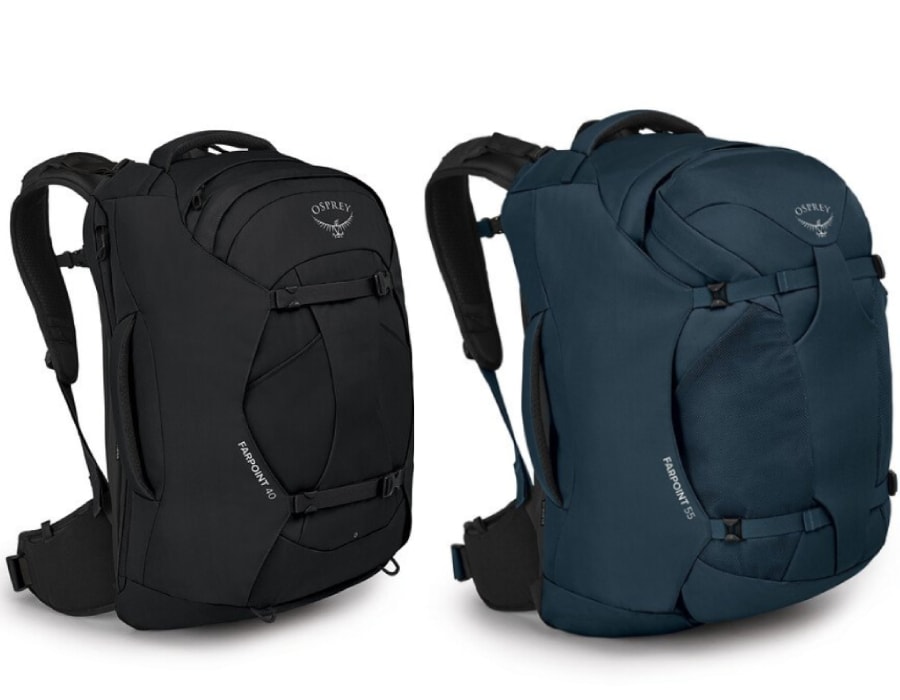
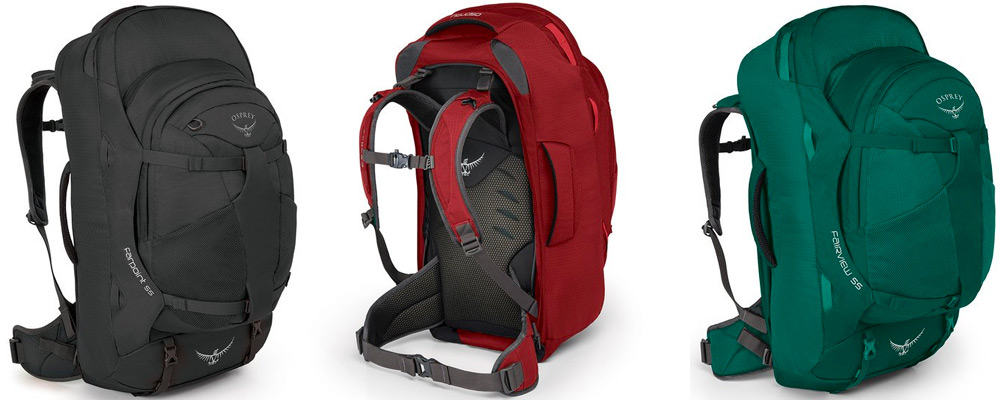
The introduction of dedicated travel backpacks revolutionized the industry by combining the clamshell opening of a suitcase with the ergonomic shoulder harnesses of outdoor gear. Over the last fifteen years, brands have continuously refined these designs. Recent industry updates, such as the 2022 redesign of the popular Osprey Farpoint and Fairview series, demonstrate a growing commitment to optimized dimensions that comply with strict international carry-on regulations while enhancing internal organization and wearability.
Top-Rated Travel Backpacks Categorized by Style and Function
Navigating the crowded marketplace requires understanding that no single backpack satisfies every traveler’s unique requirements. Market analysis reveals several standout models tailored to specific travel styles, price points, and functional needs.
Osprey Farpoint and Fairview: The All-Around Standard
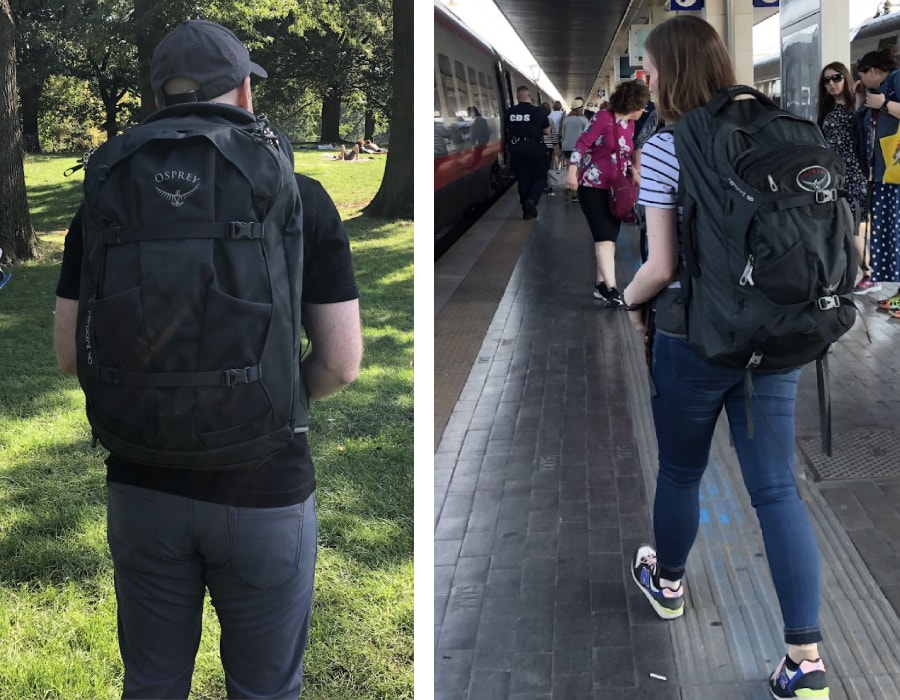
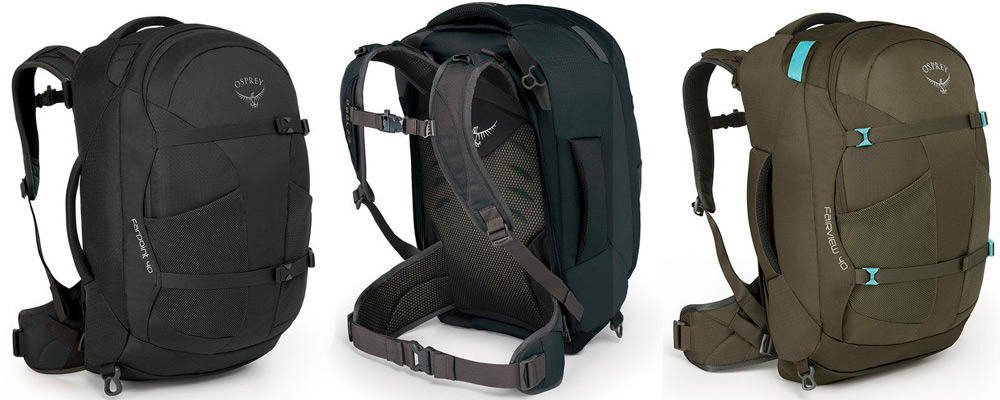
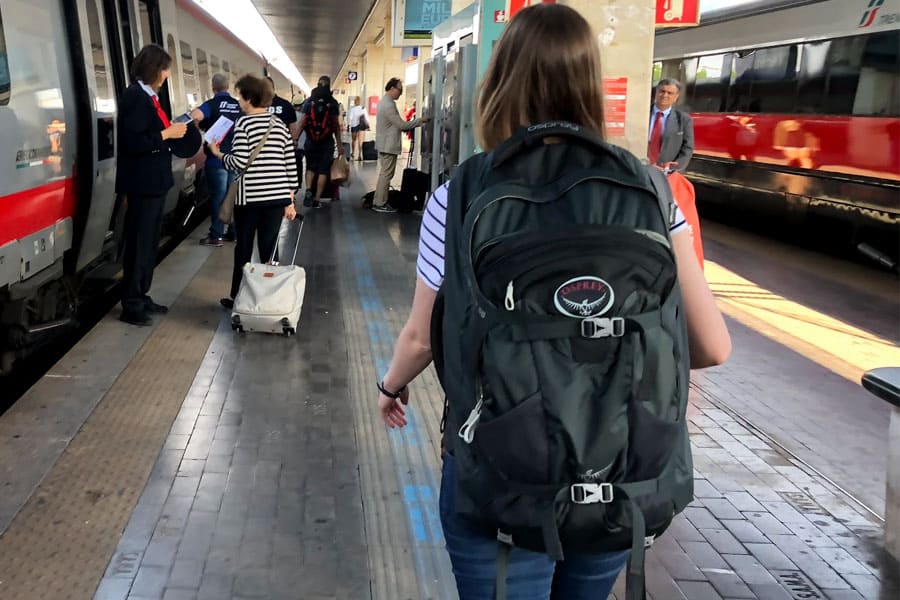
Widely regarded as the benchmark for versatile travel, the Osprey Farpoint (and its female-specific counterpart, the Fairview) remains a top recommendation for multi-destination trips. Redesigned to meet strict international carry-on standards, these packs feature high-performance hiking-style shoulder harnesses, rigid foam back panels, and full suitcase-style openings. Available primarily in 40L and 55L capacities—the latter of which includes a detachable daypack—these bags offer exceptional weight distribution and stowable straps for seamless airline check-in.
Aer Travel Pack 3: The Utilitarian Minimalist Choice
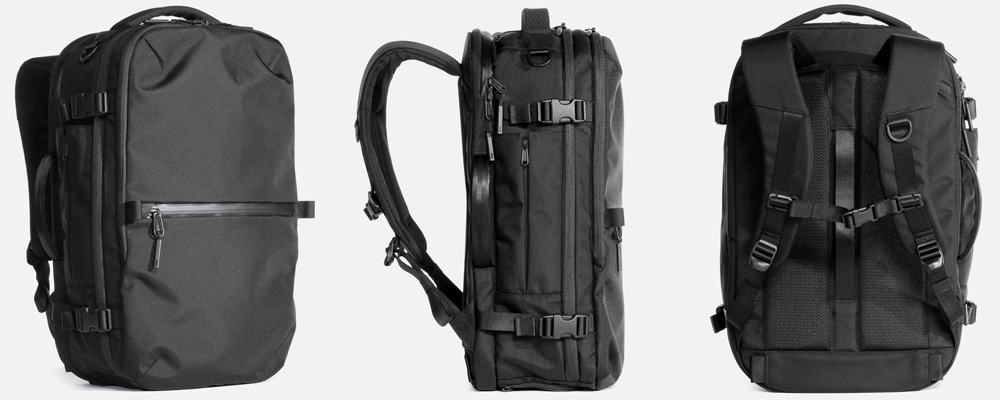
For travelers prioritizing sleek aesthetics and urban utility, the Aer Travel Pack 3 stands out as a premier 35L option. Constructed from heavy-duty, weather-resistant ballistic nylon, this bag is engineered for minimalists and business travelers. It features advanced interior compartmentalization, an easily accessible exterior laptop sleeve, and curved, heavily padded shoulder straps. Its compact footprint ensures it easily fits in overhead bins or beneath airplane seats, making it an ideal companion for shorter trips or as a secondary personal item.

Cotopaxi Allpa 42L: Design Meets Durability
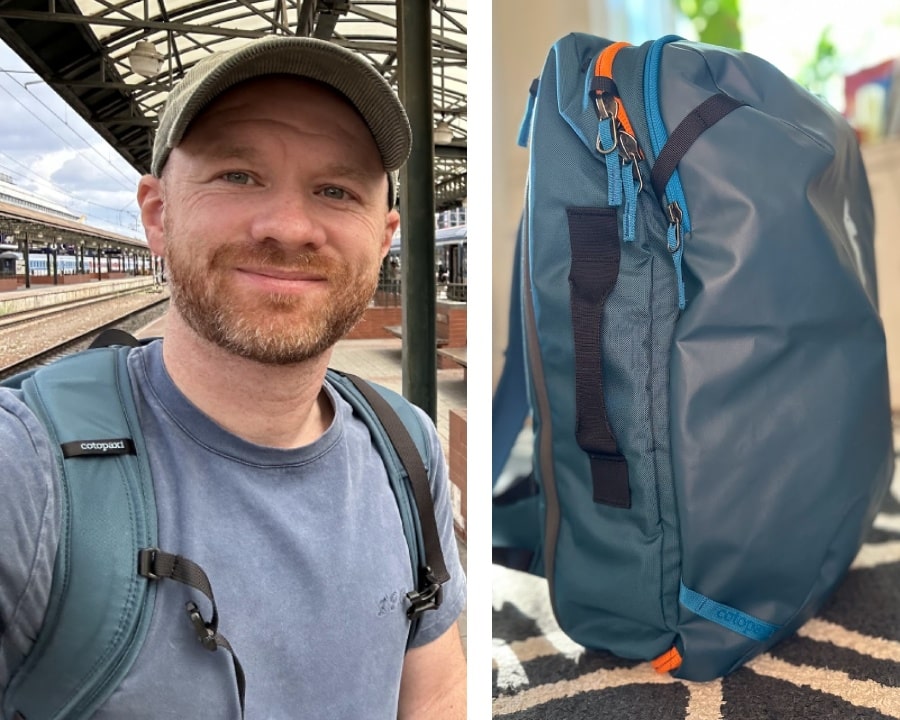
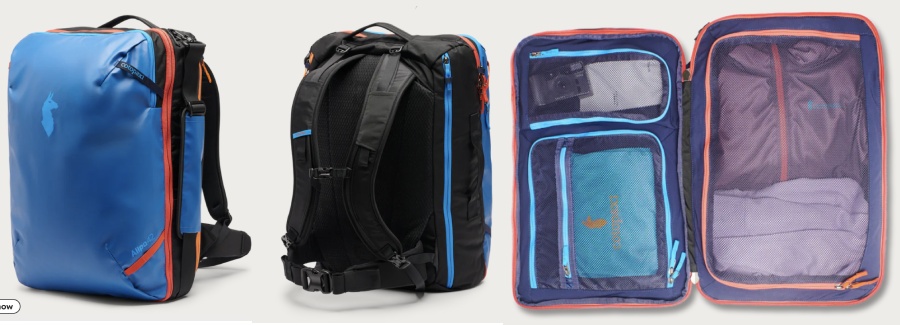
Combining vibrant aesthetics with rugged construction, the Cotopaxi Allpa 42L has captured significant market share among design-conscious globetrotters. Built from durable TPU-coated polyester and ballistic nylon panels, the Allpa utilizes a suitcase-style clamshell zipper system with internal mesh compartments. Its distinct color-blocking design, coupled with tamper-resistant zippers and a comfortable harness system, makes it a durable and visually striking option for trips lasting longer than a weekend.
Osprey Sojourn Porter: The Gear-Hauling Heavyweight
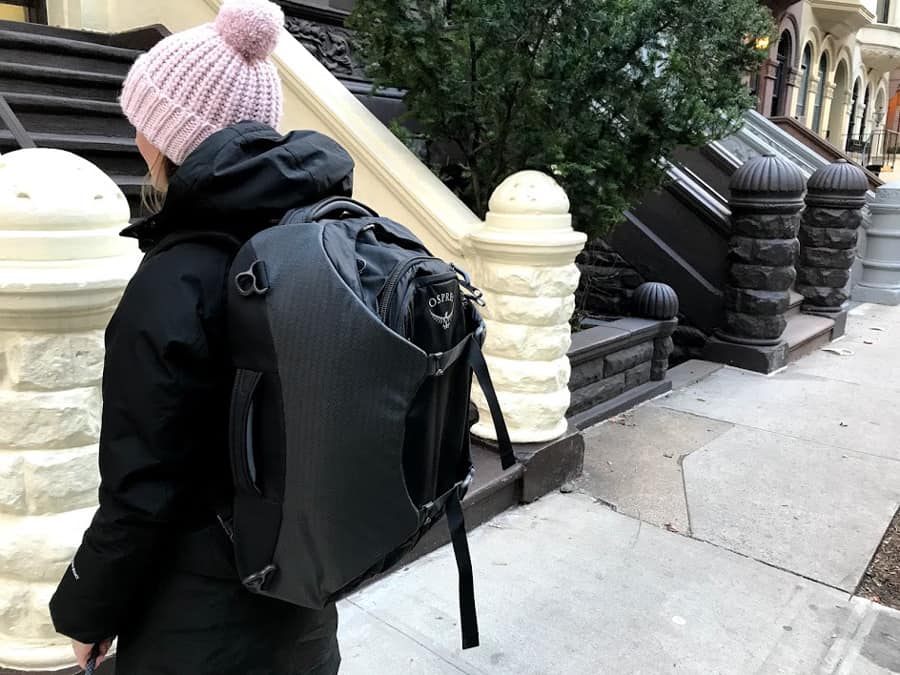
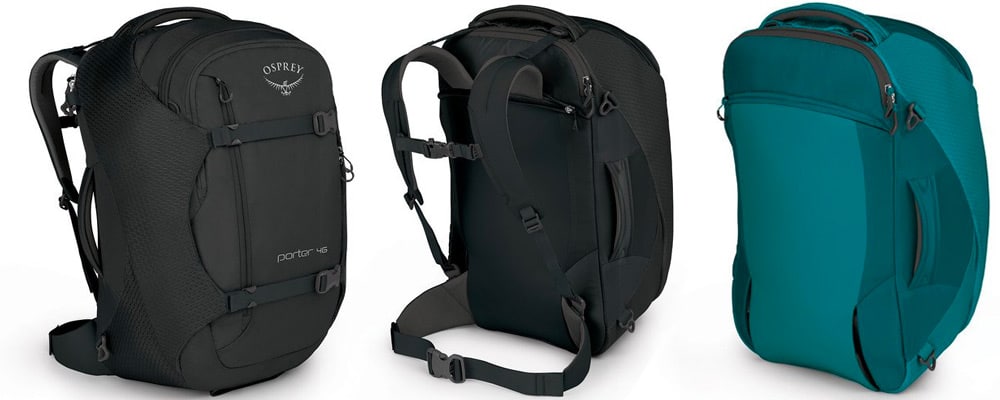
Travelers needing to maximize packing capacity without transitioning to a traditional hiking pack frequently turn to the Osprey Sojourn Porter series. Available in 30L, 46L, and 65L configurations, the Porter utilizes a structured "turtle shell" design that optimizes internal volume. While less anatomically contouring than the Farpoint, the Porter excels at hauling substantial amounts of gear through urban landscapes at a competitive price point.
Tortuga Travel Backpack 40L: Full-Featured Durability
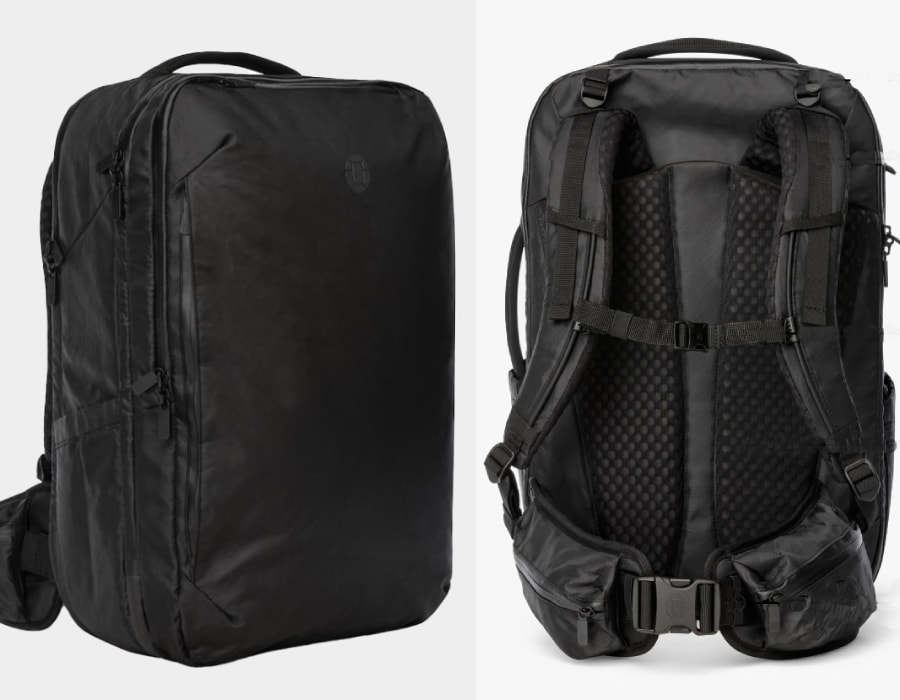
Engineered to withstand rigorous travel conditions, the Tortuga Travel Backpack is constructed from high-performance, water-resistant sailcloth fabric originally designed for racing boats. Featuring a robust hiking-style suspension system, hip belt, and comprehensive internal organization, the Tortuga is built to function as a heavy-duty, all-weather carry-on solution for frequent flyers.
Evaluating Key Features: What to Consider Before Purchasing

Selecting the appropriate travel backpack involves analyzing several critical design elements that directly impact comfort, durability, and practicality during transit.
Capacity and Sizing Standards
Backpack volume is measured in liters, though standardization varies across manufacturers. Generally, a 30L to 35L bag suits minimalist packers and weekend travelers, while a 40L to 45L pack represents the maximum allowable limit for standard airline carry-on compliance. Choosing a larger bag often introduces the temptation to overpack, which can quickly lead to ergonomic strain and violations of strict airline weight limits enforced by budget carriers.
Suspension Systems and Ergonomics
The comfort of any backpack hinges upon its suspension system—specifically the shoulder straps, load-lifters, and hip belt. Hiking-style harnesses anchor lower on the pack body and curve anatomically over the shoulders, distributing weight efficiently across the hips. Conversely, traditional backpack designs rely on simpler strap configurations that can transfer excessive strain to the user’s upper back and shoulders.
Internal Layout and Accessibility
Travel-style backpacks prioritize clamshell openings over top-loading mechanisms. This design allows users to access packed items without disrupting the entire contents of the bag. Additionally, exterior-accessible laptop compartments have become essential for modern travel, permitting rapid security screening at airports without requiring the removal of clothing or packing cubes.
Materials and Hardware Integrity
Durability is largely dictated by fabric density, measured in denier (D) ratings such as 210D ripstop or 1680D ballistic nylon, alongside the quality of hardware components. Industry experts universally recommend backpacks equipped with YKK zippers, which represent the gold standard for preventing mechanical failures under heavy packing stress. Weather-resistant coatings and waterproof zippers further protect electronic devices and apparel from unexpected environmental exposure.
Implications of Traveling Light: Economic and Logistical Benefits
Transitioning from traditional rolling luggage to a carry-on travel backpack yields measurable benefits for modern travelers. Beyond eliminating checked baggage fees—which continue to rise across major and low-cost airlines alike—backpack travel drastically reduces the risk of lost luggage during tight flight connections. Logistically, lightweight travel empowers individuals to navigate complex transit hubs, cobblestone pathways, and multi-level staircases independently, fostering a more agile and efficient travel experience.
Strategic Packing and Organizational Accessories
To maximize the efficiency of a travel backpack, seasoned travelers strongly advocate for the integration of packing cubes. These modular fabric containers compartmentalize apparel, preventing shifting and disorganization during transit. When combined with a minimalist approach to clothing selection—relying on routine laundering rather than packing an outfit for every single day of a journey—travelers can easily sustain multi-week international trips using a single carry-on compartment.
Conclusion and Purchasing Recommendations
Ultimately, the ideal travel backpack depends heavily on individual travel frequency, physical stature, and specific packing habits. Consumers are encouraged to carefully assess their primary destinations, duration of travel, and preference for urban versus outdoor environments before committing to a financial investment ranging from $140 to over $350. By weighing factors such as suspension comfort, zipper durability, and carry-on compliance, travelers can secure a reliable gear solution designed to withstand the demands of global mobility for years to come.