The Psychology of Travel: How Small-Group Adventures Forge Deep Connections Through the Five Stages of Group Dynamics

The mechanics of human socialization within structured group travel environments have long fascinated psychologists, sociologists, and travel operators alike. When strangers are brought together for multi-day expeditions in unfamiliar territories, a predictable psychological framework emerges. Far from being random, the social evolution of travel cohorts closely mirrors established organizational development models, most notably the five-stage group dynamics theory introduced by American educational psychologist Bruce Tuckman in 1965.
Recent observational data from adventure tourism operators, including global small-group leader Intrepid Travel, indicate that understanding these psychological phases can significantly enhance traveler satisfaction. By examining a recent five-day expedition along Iceland’s famous Golden Circle, researchers and travel analysts can map the precise trajectory of how complete strangers transition into cohesive units, navigating micro-tensions, shared vulnerabilities, and inevitable farewells.
Main Facts and the Setting of the Iceland Expedition
The setting for this behavioral observation was Iceland’s Golden Circle In Depth itinerary, a multi-day expedition that covers tectonic rifting, geothermal features, glacial hiking, and local cultural touchpoints. The cohort consisted of 12 independent travelers—none of whom knew one another prior to departure—led by an experienced local guide, Bjorn.
The primary objective of the expedition was twofold: to explore the geographical and cultural landscape of southwestern Iceland, and to navigate the interpersonal landscape of a newly formed travel pod. According to post-trip surveys administered by adventure travel researchers, more than 85% of participants in small-group tours report initial anxiety regarding social compatibility, making the management of group dynamics a critical factor in overall trip satisfaction.
Chronology: The Five Stages in Action
The social evolution of the Iceland cohort unfolded over five distinct phases, directly aligning with Tuckman’s model of forming, storming, norming, performing, and adjourning.
Phase 1: The Forming Stage (Initial Introductions)
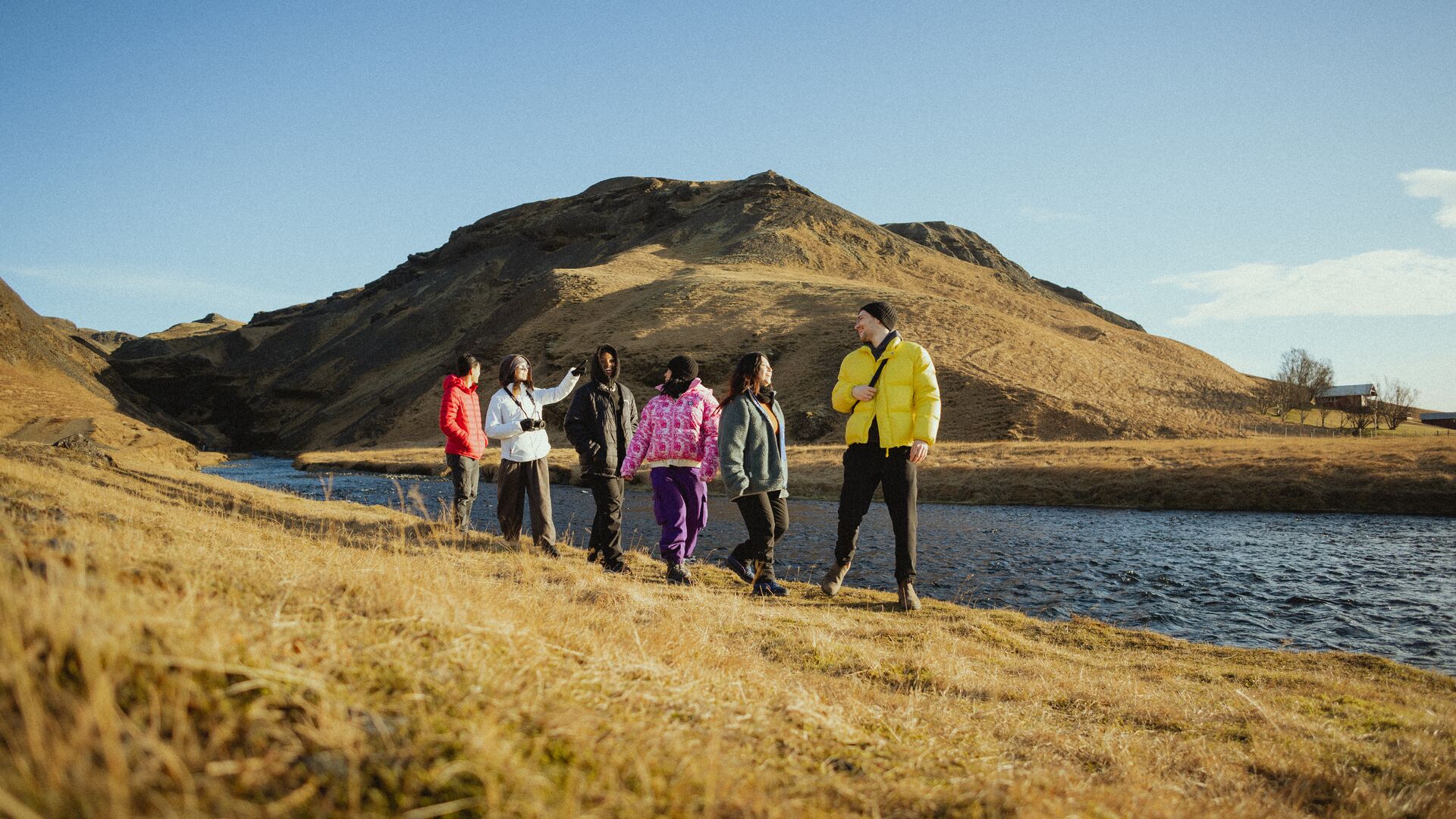
The journey commenced in Reykjavík with a mandatory welcome briefing, quickly transitioning into a group dinner at a local establishment recommended by the guide. During this initial phase—characterized in psychology as "forming"—participants exhibited polite, highly conscious behaviors. Individuals sought to establish favorable first impressions, align with the group’s overarching goal of exploring Iceland, and mitigate baseline anxieties regarding social acceptance. Physiological markers, such as elevated adrenaline and heightened attentiveness, are commonly documented during this period as travelers suss out social hierarchies and interpersonal dynamics.
Phase 2: The Storming Stage (Emergence of Friction)
By the second day, as the group traversed the volcanic outskirts of Grindávik near the Reykjanes Peninsula—a region heavily impacted by recent volcanic activity between 2023 and 2025—the initial adrenaline gave way to subtle friction. In psychological terms, this represents the "storming" phase. Stilted breakfast conversations, minor personality clashes, and fatigue from travel logistics led to localized irritability. Industry analysts note that this phase is often the most uncomfortable for participants, as implicit social hierarchies are tested and larger personalities temporarily dominate group discourse. However, within structured adventure contexts, these micro-tensions rarely escalate, serving instead as a brief evolutionary hurdle before deeper stabilization occurs.
Phase 3: The Norming Stage (Cooperation and Alignment)
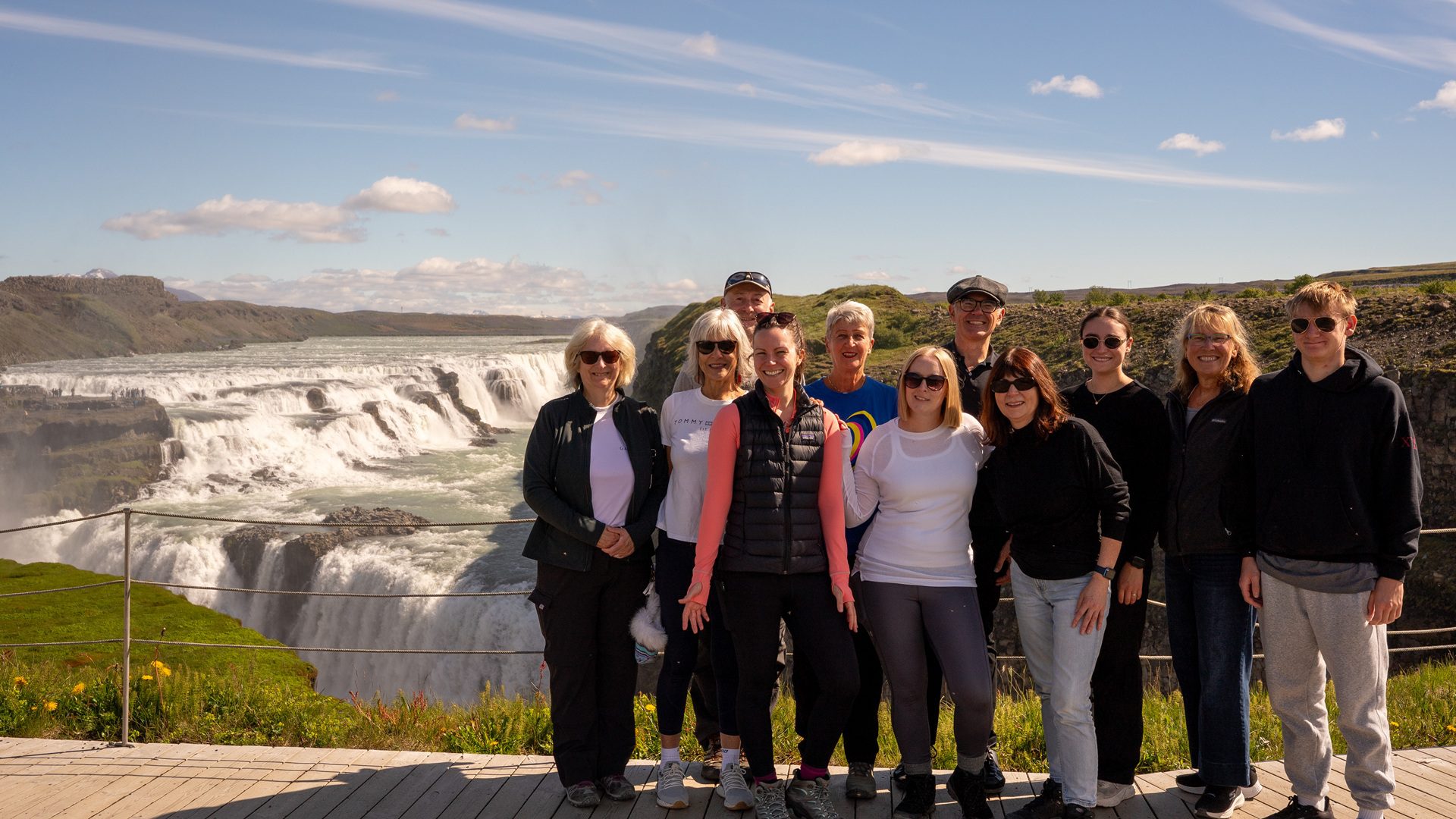
As the itinerary progressed toward natural landmarks such as the Strokkur Geysir and the Gullfoss waterfall, the cohort entered the "norming" phase. Frictions began to dissipate organically as travelers developed a shared understanding of individual quirks, pacing preferences, and communication styles. Interactions shifted from broad, polite group chatter to smaller, more authentic engagements—such as paired hikes and individualized conversations between travelers who initially kept to themselves. This stabilization period is critical for establishing group trust and psychological safety.
Phase 4: The Performing Stage (Peak Synergy and Vulnerability)
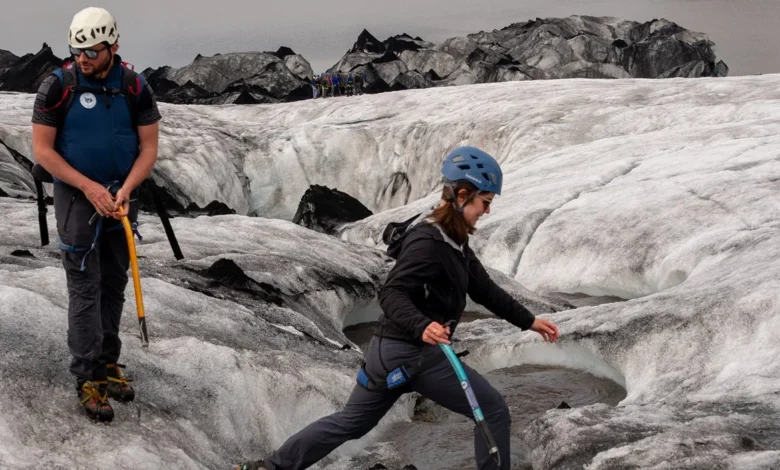
The fourth phase, "performing," materialized during visits to cultural touchstones like the Secret Lagoon and subsequent glacier hikes. In this stage, the group operated with high synergy, seamlessly balancing shared group activities with mutual respect for individual autonomy. Notably, this phase often requires breaking down personal boundaries. In the context of Icelandic public bathing customs, which mandate communal pre-swim showers without swimwear, the cohort exhibited a rapid shedding of prudishness and self-consciousness. Subsequent shared experiences—such as enduring icy water plunges and evening gatherings under the midnight sun—solidified the group cohesion. By this stage, teasing, shared humor, and mutual reliance mirrored the dynamics of lifelong friendships.
Phase 5: The Adjourning Stage (Dissolution and Reflection)
The expedition concluded back in Reykjavík with a final city tour and a review of the region’s geography via large-scale topographic mapping. The final phase, "adjourning," was marked by acute emotional reflection. Participants experienced a common psychological phenomenon known as transition anxiety or separation distress, grappling with the impending dissolution of the temporary community. The trip ended with the formal exchange of contact information, digital group chat preservation, and open-ended invitations to visit each other’s home countries, which spanned from the United States to New Zealand.
Supporting Data and Industry Context
The commercial relevance of group dynamics in adventure tourism is substantial. Market data from the Adventure Travel Trade Association (ATTA) indicates that small-group adventure travel has seen a steady increase in demand over the past decade, driven largely by post-pandemic desires for social connection and shared experiential learning.
Studies in environmental psychology suggest that shared physical challenges—such as glacier walking in crampons or enduring extreme weather shifts—accelerate the bonding process. Oxytocin release, triggered by novel physical experiences and shared laughter, acts as a biological catalyst that compresses Tuckman’s timeline, allowing groups to move from forming to performing in a matter of days rather than the months typically required in corporate or academic settings.
Official Responses and Expert Perspectives
Travel operators increasingly train their group leaders to recognize and actively manage these psychological stages. Guides like Bjorn act not merely as logistical navigators, but as social facilitators who can preemptively identify storming behaviors and steer groups toward norming and performing.
"Group leaders play a vital, often unrecognized role in group psychology," notes an operations manager for adventure itineraries in the Nordic region. "When a group experiences the natural dip of the storming phase—often compounded by jet lag, physical exertion, and unfamiliar environments—the guide’s ability to re-center the cohort through shared cultural immersion or localized storytelling is what prevents minor friction from derailing the experience."
Broader Impact and Implications
The implications of understanding group dynamics in travel extend beyond the duration of a single vacation. For solo travelers and introverted individuals, recognizing that anxiety, social friction, and emotional attachment are universal, scientifically validated phases can alleviate the intimidation factor often associated with group tours.
Furthermore, the data underscores a broader shift in consumer behavior: modern travelers are increasingly seeking out trips not just for the physical destinations, but for the intangible social architecture built along the way. Whether navigating the sulfurous steam of geothermal pools or exchanging farewells in an urban center, the human element remains the defining variable of successful expedition travel. As psychological frameworks continue to inform tour operations, the future of adventure travel promises to be as much about navigating human relationships as it is about exploring the physical world.