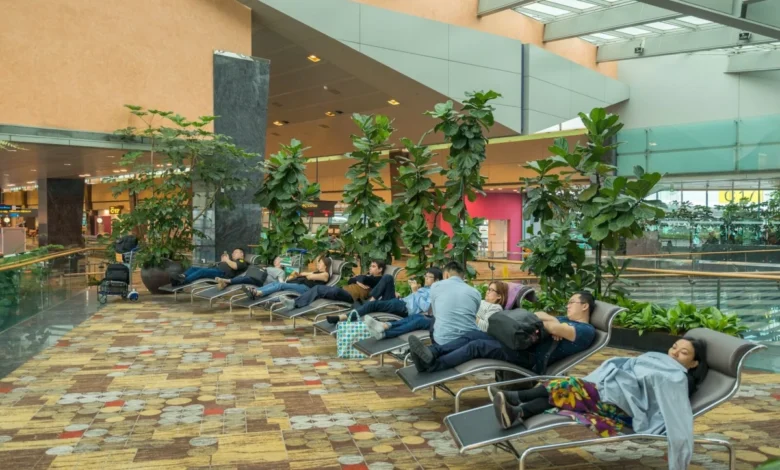
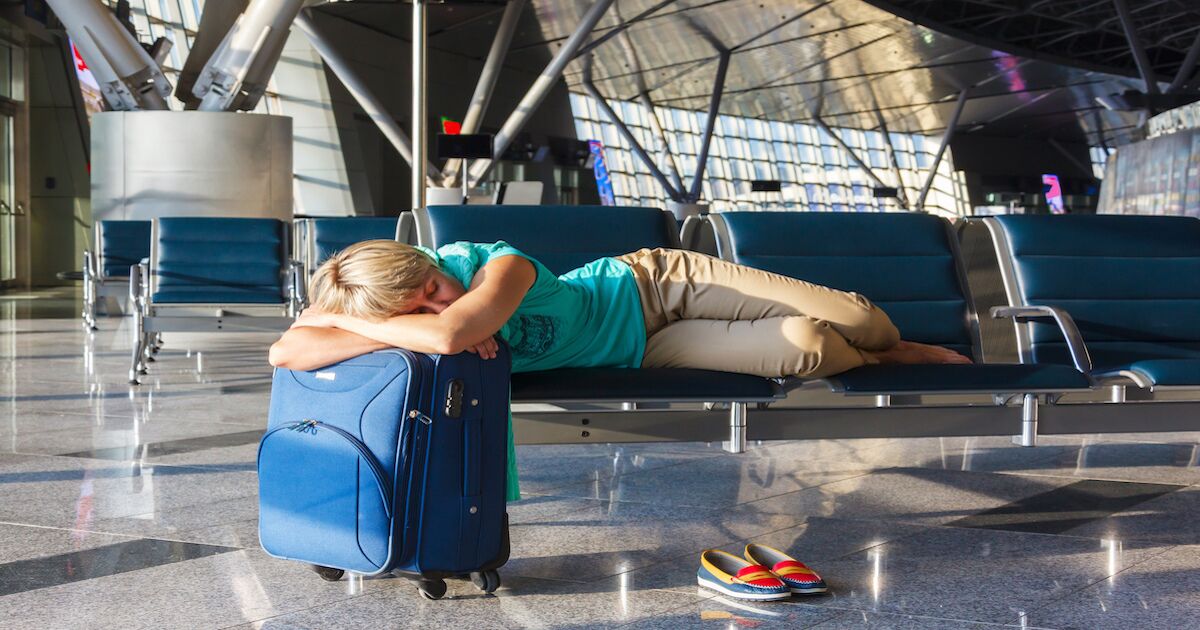
The prospect of spending the night in an airport terminal is a reality that millions of travelers face annually due to flight cancellations, long-haul layovers, or extreme weather events that ground aviation operations. While the practice is generally permitted, the legality and logistics of airport slumber are governed by a complex web of airport-specific policies, security protocols, and operational hours that vary significantly by jurisdiction.
Contrary to popular belief, there is no international law prohibiting travelers from resting within an airport terminal. However, the operational status of the facility is the primary determinant of whether a traveler will be permitted to remain airside or landside overnight. According to industry experts, most major international hubs operate 24 hours a day, allowing passengers with valid boarding passes to remain within the terminal. Conversely, smaller regional airports often close their doors during late-night hours, mandating that all passengers vacate the premises. In such instances, those without alternative accommodation may be required to wait in designated exterior areas or bus shelters, an outcome that necessitates proactive planning by the traveler.
Operational Policies and Security Protocols
The enforcement of overnight stay policies typically falls under the purview of airport management and local law enforcement. While instances of travelers being cited or detained for sleeping are virtually non-existent, officials maintain the right to verify the status of any individual present in the terminal during off-peak hours.
Travelers should be prepared to present a valid, outbound airline ticket upon request. Security personnel often perform routine sweeps, and the inability to provide proof of travel can result in a request to leave the facility. This protocol serves a dual purpose: it ensures the security of the terminal and manages the density of individuals during periods when flight activity is minimal. For passengers facing a terminal closure, the most prudent course of action is to research nearby airport hotels. Most major hubs are surrounded by properties that provide shuttle services, offering a necessary safeguard against the elements.
The Evolution of Airport Infrastructure
The aviation industry has increasingly recognized the need to cater to the "stranded" or "layover" traveler, leading to a shift in terminal design. Over the past decade, airports have begun to prioritize passenger comfort as a key performance metric. This evolution is driven by competitive pressures and the desire to improve passenger satisfaction scores, which are often heavily weighted by the ease of navigating lengthy layovers.
The emergence of "sleep-optimized" infrastructure—ranging from reclining lounge chairs to modular sleep pods—represents a significant departure from the traditional rigid seating that historically defined terminal architecture. Companies like Minute Suites have pioneered a business model that bridges the gap between a traditional hotel room and an airport chair, offering soundproof, private environments for both productivity and rest. These facilities generally operate on an hourly basis, providing a flexible solution for travelers who require temporary respite without the commitment of a full overnight stay.
Global Benchmarks in Passenger Comfort
In 2019, data compiled by industry research organizations, including SleepinginAirports.net, highlighted a distinct hierarchy among global hubs regarding their "sleepability." This index evaluates facilities based on comfort, terminal navigation, available amenities, and the presence of dedicated rest zones.
Singapore’s Changi Airport consistently ranks as the global leader in this category. The facility’s design incorporates specialized "Snooze Lounges," complimentary reclining chairs, and even free movie theaters that operate 24 hours a day. Similarly, Seoul Incheon International Airport has integrated expansive rest zones featuring padded lounge beds, reflecting a cultural and strategic emphasis on passenger convenience that is common across high-performing Asian hubs.
In North America, Denver International Airport has distinguished itself with its "rest and recharge" areas on Concourse A, providing travelers with free access to lounge seating without time restrictions. These facilities are increasingly viewed as essential infrastructure rather than mere perks, particularly as the frequency of global travel demands more adaptable environments.
Mitigating Disruptions: Tools and Strategies
For the seasoned traveler, navigating an overnight stay requires more than just finding a comfortable corner; it requires strategic preparation. The "pro-sleeper" toolkit typically includes eye masks, noise-canceling headphones or earplugs, and portable, lightweight blankets. These items serve to mitigate the environmental stressors of an airport—namely, constant artificial lighting and high-decibel ambient noise—that can interfere with circadian rhythms.
Beyond personal gear, understanding the nuances of terminal zoning is critical. Arrival lounges, which are often less trafficked than their departure counterparts, can offer a quieter environment for those seeking to rest. Furthermore, for travelers holding credit card-based lounge access or memberships like Priority Pass, airport lounges remain the gold standard for overnight stays. These facilities offer climate-controlled environments, consistent Wi-Fi, and access to food and beverage, providing a vastly superior experience to the public gate area.
Institutional Responses to Crisis
During mass disruption events, such as those caused by severe winter storms or volcanic ash clouds, the dynamic of airport sleeping shifts from an individual choice to an institutional emergency response. In these scenarios, airports often activate contingency plans. This may include the provision of cots, blankets, and hygiene kits, as well as the distribution of food vouchers to stranded passengers.
It is important to distinguish between routine overnight stays and emergency sheltering. The provision of amenities by airport authorities is typically reserved for instances of mass disruption where travelers are unable to depart due to operational failure or extreme weather. Passengers who choose to sleep in the airport to save on hotel costs during normal operations are generally expected to be self-sufficient.

Broader Economic and Logistical Implications
The trend toward more comfortable airport environments is not merely a service enhancement; it is a calculated economic strategy. Airports that facilitate better rest for passengers see increased secondary spending, as well-rested travelers are more likely to utilize retail and dining facilities. Conversely, a poor overnight experience can negatively impact an airline’s reputation and the airport’s brand equity.
Furthermore, the integration of sleep technology has potential implications for future airport planning. As remote work becomes more prevalent, the demand for "third spaces"—areas that function as a hybrid of an office, a hotel room, and a lounge—is expected to grow. Architects and city planners are now incorporating these requirements into the design phases of new terminal expansions, signaling a permanent shift in how airports function within the global travel ecosystem.
Strategic Planning for the Modern Traveler
Ultimately, while the airport can serve as a temporary sanctuary, it should always be considered a secondary option to planned accommodation. Travelers with layovers exceeding six to eight hours should weigh the costs and benefits of securing a hotel room against the physical and psychological toll of a night in a terminal.
For those who prioritize exploration over rest, many global hubs offer excellent connectivity to city centers. Major airports are typically situated within 20 to 40 minutes of downtown areas, and local transport networks often provide efficient access for a brief excursion. Utilizing a layover to explore a new city can transform a potentially arduous wait into a value-added experience, provided the traveler accounts for transit time and security re-entry protocols.
As the aviation sector continues to evolve, the distinction between a transit hub and a living space will likely continue to blur. Whether through the installation of more ergonomic seating, the expansion of private sleep cabins, or the implementation of sophisticated passenger assistance programs during delays, the industry is gradually aligning with the reality that the modern traveler requires more than just a gate and a flight path. Being well-informed about the policies of the specific airport in your itinerary, having a clear contingency plan, and maintaining the right equipment are the essential components of navigating the complexities of the overnight airport experience. In a landscape defined by unpredictability, preparation remains the most effective tool for ensuring that an overnight stay is manageable, legal, and as comfortable as circumstances allow.
Related posts: