Pedaling Past Barriers: How One Legally Blind Traveller Redefined Adventure Tourism Along the Danube


The global adventure tourism industry has long faced scrutiny over its accessibility limitations, often marginalizing individuals with physical or sensory disabilities. However, recent shifts in inclusive travel paradigms are proving that active exploration is not exclusively reserved for the fully sighted. Jennifer Mazerolle, a resident of Nova Scotia, Canada, recently completed Intrepid Travel’s eight-day Cycle the Danube itinerary, challenging preconceived notions of what is achievable for visually impaired individuals. Her journey from Vienna to Budapest highlights a growing corporate and consumer demand for travel itineraries that adapt to diverse sensory needs, demonstrating that structural accommodations can transform high-risk outdoor activities into seamless, empowering experiences.
Main Facts of the Intrepid Cycling Expedition
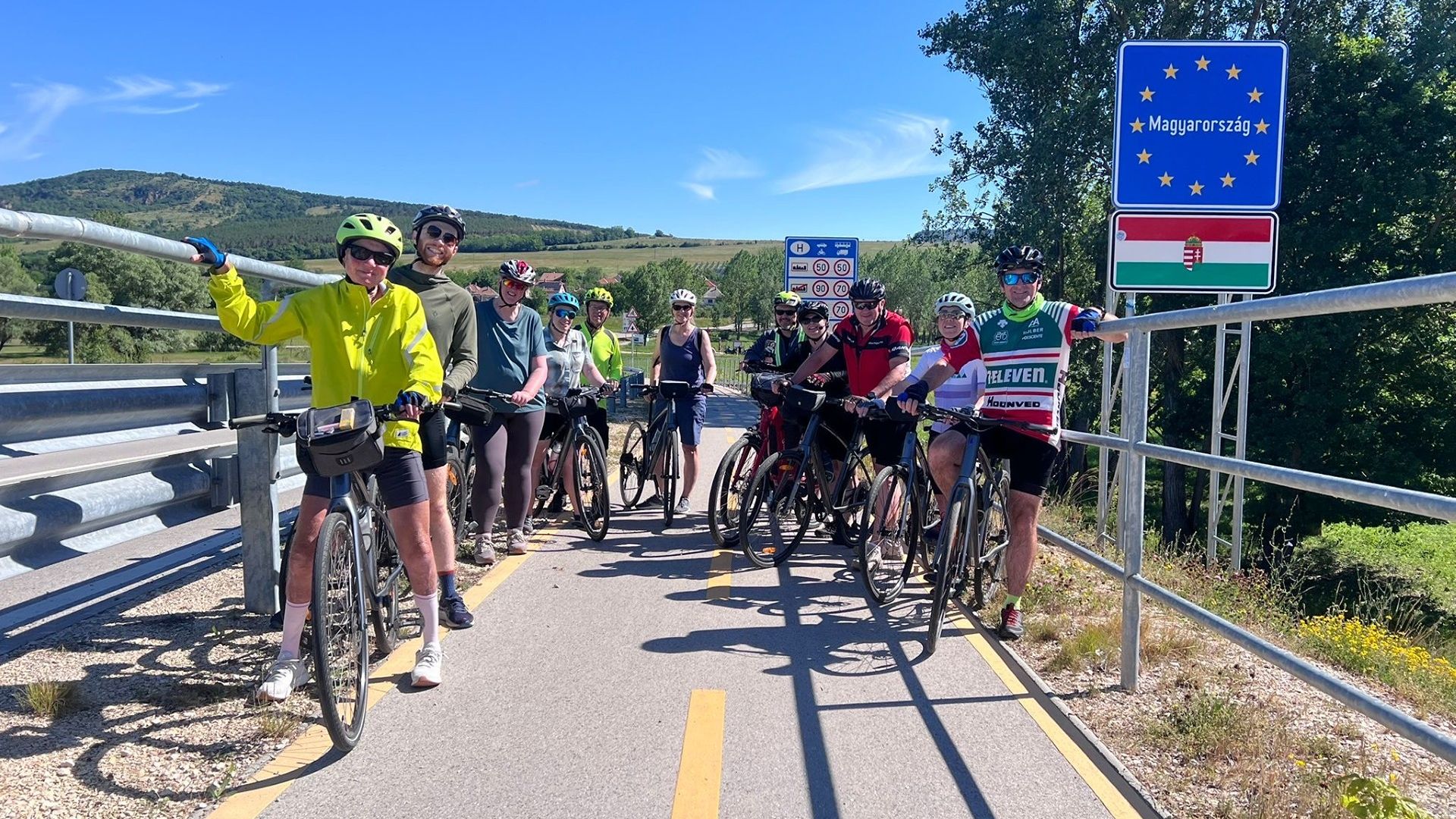
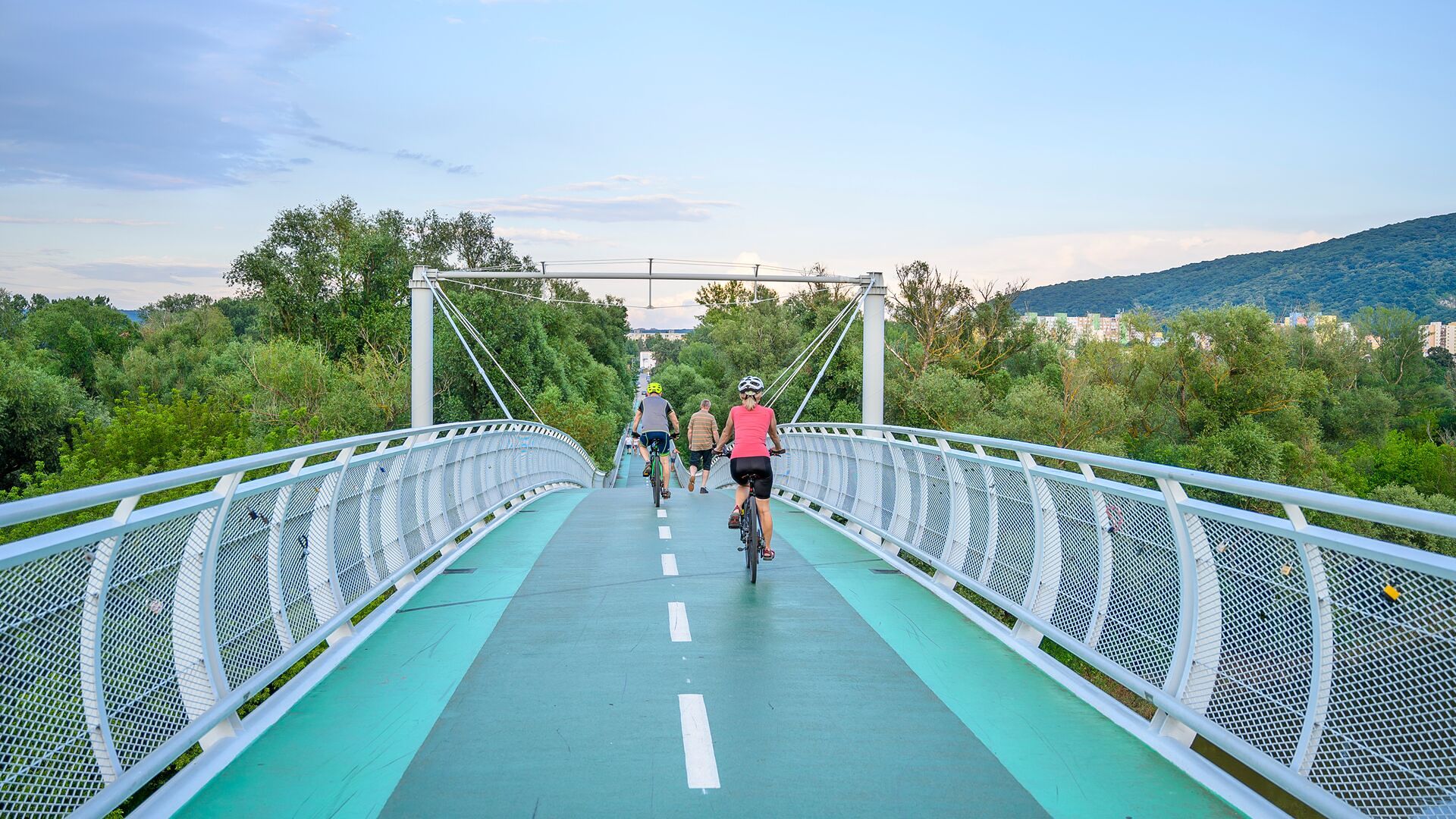
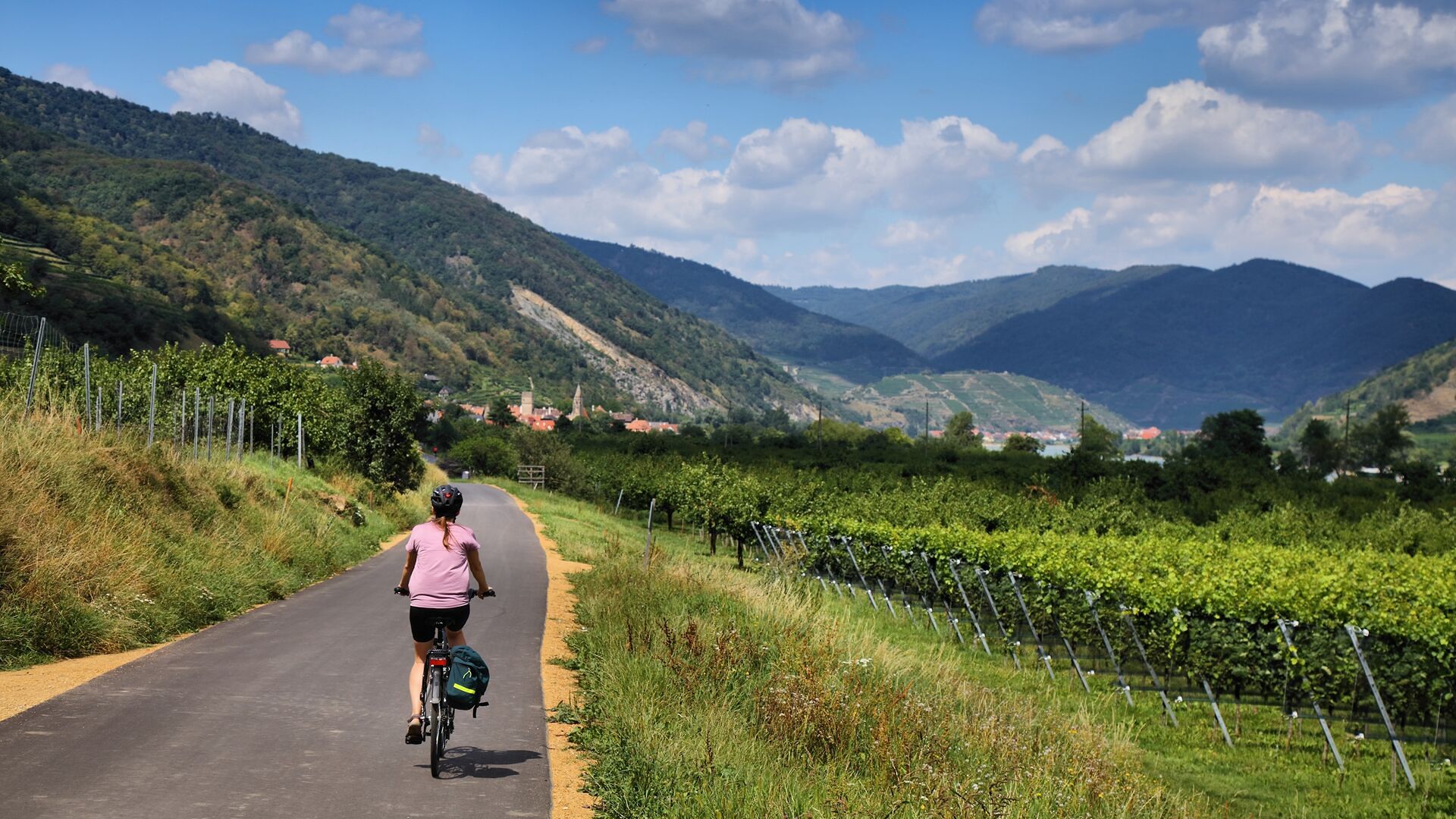
The eight-day cycling tour spans iconic European landscapes, utilizing the well-maintained Danube Cycle Path (Donauradweg), which stretches across multiple countries, primarily Austria and Slovakia, before culminating in Hungary. Mazerolle, diagnosed with Stargardt disease at nine years old, participated in the group excursion alongside her husband, Gilles, and a close friend, Fairleigh. Stargardt disease is a juvenile-onset genetic macular dystrophy that causes progressive central vision loss, though Mazerolle retains peripheral awareness, distinguishing lights, shapes, and colors.
Rather than relying on specialized tandem bicycles, which are commonly utilized by visually impaired cyclists, Mazerolle rode an independent e-bike. Her safety was maintained through a specialized tactical communication system: an intercom link connected to helmet-mounted earpieces and microphones. This allowed Gilles, riding immediately ahead, to provide continuous verbal telemetry regarding upcoming terrain shifts, pedestrian traffic, and elevation changes. Furthermore, Intrepid’s operational team—specifically trip leader Gabor and support van driver Ivan—tailored the daily itineraries to mitigate the risks associated with navigating dense urban environments like Vienna, substituting complex city-street commutes with direct trail-head drop-offs via support vehicle.
Chronology and Pre-Trip Planning
The successful execution of Mazerolle’s Danube adventure was not a matter of spontaneous luck, but rather the result of a rigorous, months-long consultation process between the travelers and Intrepid Travel’s accessibility coordinators.
In 2025, Fairleigh proposed the Danube route to Mazerolle and Gilles. Recognizing their shared passion for outdoor recreation and cycling, Mazerolle contacted the tour operator directly to assess whether her participation would compromise group dynamics or personal safety. Unlike conventional tour operators that often issue blanket exclusions for participants with severe sensory impairments, Intrepid’s management engaged in detailed logistical reviews.
Upon arriving in Vienna, the initial 24 hours presented standard cultural and environmental overloads exacerbated by non-standard curb heights, bustling tram networks, and complex pedestrian zones. Recognizing the potential hazard of navigating urban traffic on Day 1, trip leader Gabor proactively restructured the morning departure protocols. By rerouting Mazerolle via the support van directly to the dedicated cycling paths outside the city center, the leadership team established a reliable precedent for the remainder of the eight-day journey. Throughout the route—which included scenic stretches between Vienna and Bratislava—daily safety briefings explicitly outlined trail surfaces, distance markers, and potential navigational bottlenecks.
Contextualizing Accessible Adventure Tourism

The travel sector has historically lagged behind other industries in implementing comprehensive universal design principles. According to global tourism data, travelers with disabilities represent a multi-billion-dollar demographic that remains largely underserved by mainstream adventure operators. Stargardt disease affects approximately 1 in 10,000 individuals globally, making visual impairments of this nature a statistically significant consideration for tour operators designing active itineraries.
Historically, outdoor adventure segments—such as mountain biking, kayaking, and alpine hiking—have relied on rigid risk-management frameworks that equate disability with liability. Industry analysts note that Mazerolle’s journey reflects a broader cultural evolution within companies like Intrepid Travel, which has increasingly emphasized decentralized, customizable support structures over standardized exclusions. By leveraging modern assistive technology, such as wireless helmet intercoms and e-bike propulsion, travelers with partial sight can bridge the sensory gap that traditional tourism infrastructure fails to address.
Official Responses and Industry Implications
While tour operators have made strides in physical accessibility—such as wheelchair ramps and accessible hotel accommodations—sensory accessibility remains an evolving frontier. The successful navigation of the Danube route highlights the efficacy of personalized operational flexibility.
Intrepid’s handling of Mazerolle’s itinerary underscores a vital shift in tour leadership training: moving from a policy of risk avoidance to one of collaborative risk management. Tour leaders like Gabor demonstrated that safety protocols do not require the exclusion of disabled participants, but rather open communication channels and localized adjustments, such as flexible pacing and alternative transport segments.
Broader economic and social implications point toward an expanding market for inclusive group travel. When operators demonstrate that complex routes like the Danube can safely accommodate visually impaired participants, consumer confidence rises within the broader disability community. This normalization of disability in high-activity tourism challenges deeply entrenched societal biases, dismantling the assumption that active outdoor leisure is incompatible with sensory impairments.
Personal Reflections and Broader Impact
For Mazerolle, who works professionally as a mentor for blind and visually impaired children and youth, the significance of the trip extends far beyond personal leisure. Her international travels—which encompass independent excursions to China, Thailand, Costa Rica, and the United States—serve a dual purpose of personal fulfillment and public advocacy. By visibly navigating foreign landscapes with a white cane and an active lifestyle, she confronts cultural stigmas head-on, particularly in regions where disability visibility remains low.
Reflecting on her diverse travel history, Mazerolle notes that mishaps are often catalysts for resilience. From accidentally attempting to enter a Puerto Rican coffee shop through a plate-glass window—mistaking it for a doorway alongside two similarly visually impaired companions—to negotiating narrow log bridges over rivers in Thailand via verbal descriptions, her experiences underscore the psychological benefits of stepping outside one’s comfort zone.
The Danube expedition ultimately reinforced the therapeutic value of physical activity and nature immersion. Supported by a multinational cohort of 11 travelers from Canada, the United Kingdom, and Australia, Mazerolle experienced an environment entirely devoid of pressure or judgment. Cultural touchstones along the route, such as Vienna’s Vollpension Cafe—a social enterprise staffed entirely by senior citizens—further exemplified the value of community-integrated tourism championed by operators focusing on local impact.
Future Outlook for Accessible Expeditions
Buoyed by the success of the Danube cycling tour, Mazerolle is already planning subsequent adventures, including a multi-generational family cruise and future active expeditions focusing on kayaking or advanced cycling. Her advice to prospective travelers with disabilities is straightforward: thoroughly review itineraries, engage tour operators months in advance, and clearly articulate personal accommodations based on established daily routines.
Mazerolle remains critical of the term "inspirational" often ascribed to individuals with disabilities participating in everyday or mildly challenging activities. Observing the reactions of elderly tourists during her travels, she maintains that endurance, curiosity, and the desire to explore are universal human traits rather than extraordinary feats of disability adaptation. As the tourism industry continues to refine its accessibility frameworks, narratives like Mazerolle’s serve as both a blueprint for operational inclusion and a compelling argument for the democratization of global adventure travel.