The Ultimate Guide to the Best Places to Visit in Arizona: A Comprehensive Overview of the Grand Canyon State

Arizona, a diverse expanse in the American Southwest, has evolved into a premier global destination, balancing rugged wilderness with sophisticated urban development. From the ancient geological formations of the Colorado Plateau to the sprawling, high-tech corridors of the Phoenix metropolitan area, the state offers a unique intersection of history, ecology, and modern tourism. As of 2026, Arizona continues to serve as a critical hub for domestic and international travelers, drawing millions annually to its national parks, historic mining settlements, and luxury resort enclaves.
The Geological and Cultural Significance of the Grand Canyon
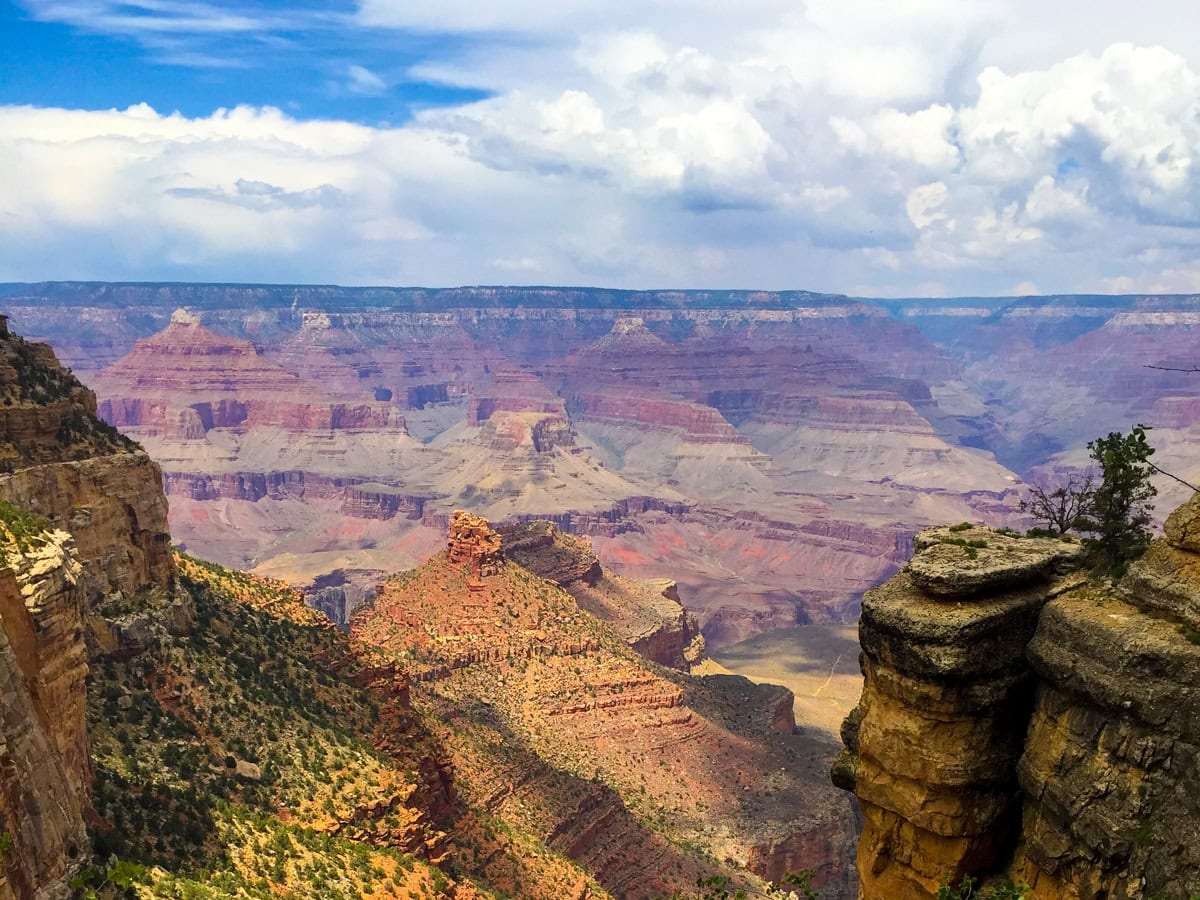
At the forefront of Arizona’s tourism sector remains the Grand Canyon National Park. Designated as one of the Seven Natural Wonders of the World, the canyon spans 277 river miles and represents nearly two billion years of Earth’s geological history. The Colorado River, the primary architect of this landscape, continues to carve the canyon, with current erosion rates maintaining the site’s status as a living geological laboratory.
For the modern visitor, the logistics of the park are centered on two primary access points: the South Rim, which remains open year-round and receives approximately 90% of all visitors, and the West Rim, managed by the Hualapai Tribe. The West Rim’s Grand Canyon Skywalk, a horseshoe-shaped cantilever bridge, provides an engineering perspective on the chasm that differs significantly from the panoramic vistas of the National Park Service-managed zones. Economically, the park remains a cornerstone of the state’s hospitality sector, generating billions in regional economic impact and supporting thousands of jobs across northern Arizona.
Urban Development and Economic Hubs
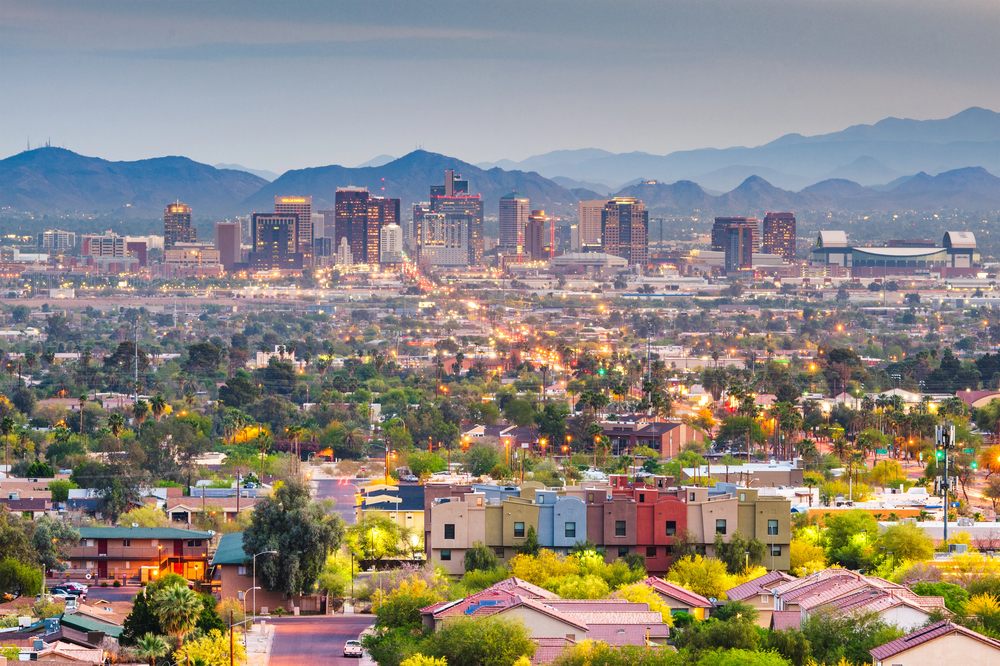
While the northern region focuses on preservation and outdoor recreation, the central portion of the state—the "Valley of the Sun"—represents the economic engine of Arizona. Phoenix, the fifth-most populous city in the United States, has transitioned from a small desert outpost into a major technological and cultural center. The city’s growth trajectory, characterized by a massive influx of residents over the past two decades, has necessitated a parallel rise in tourism infrastructure.
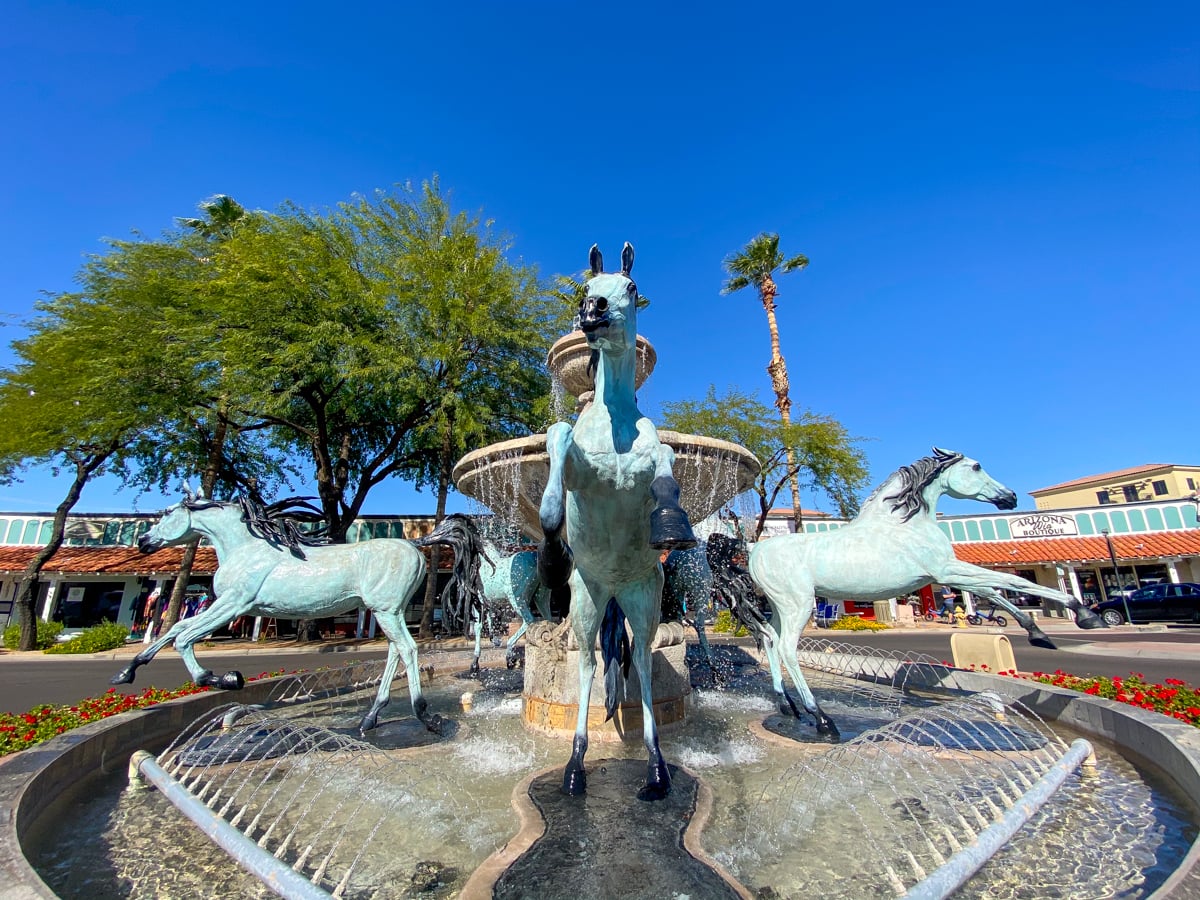
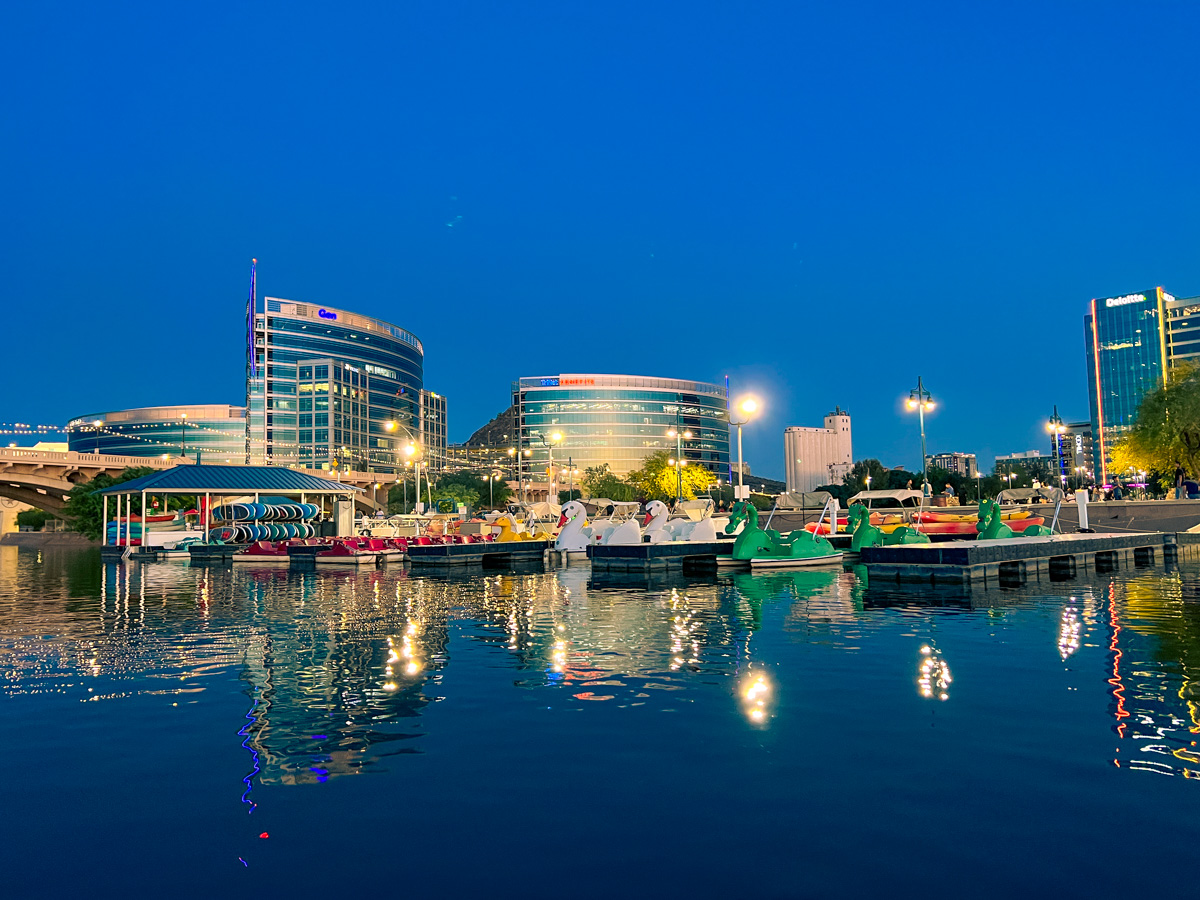
Scottsdale, adjacent to Phoenix, has positioned itself as the state’s luxury capital. Data from the local chamber of commerce indicates that the city’s high-end hospitality sector—comprising world-class resorts, professional golf courses, and the renowned Old Town arts district—contributes a disproportionate share of the state’s luxury travel revenue. Similarly, Tempe, anchored by Arizona State University, utilizes its proximity to major transit corridors and the Papago Park wilderness area to cater to a demographic seeking a blend of high-energy college town atmosphere and outdoor accessibility.
The Southern Corridor: History and Ecology
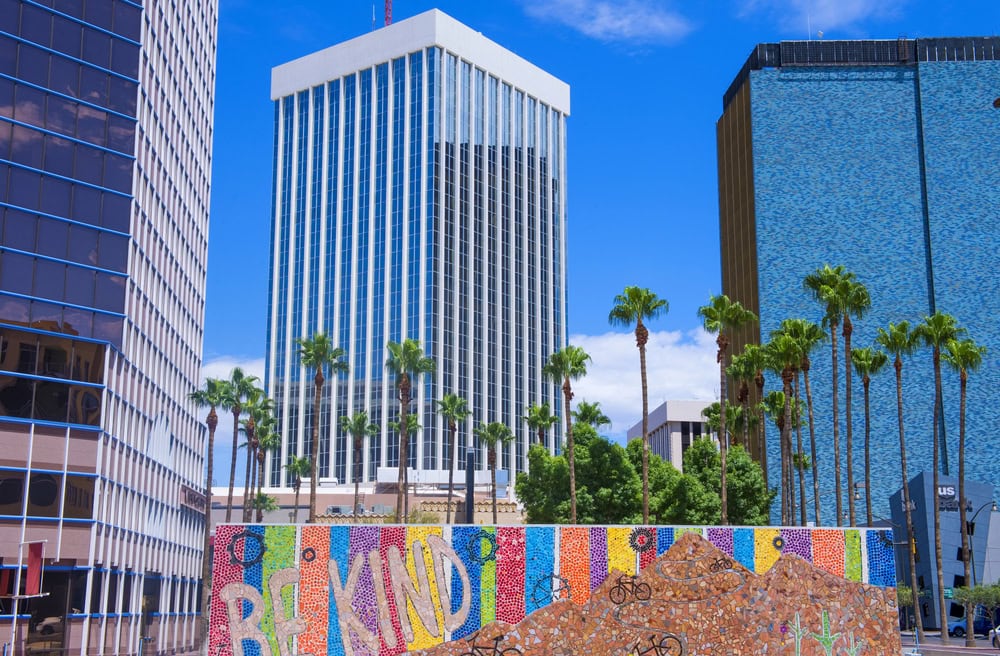
Tucson, Arizona’s second-largest city, offers a distinct contrast to the Phoenix metropolitan area. Known for its rich cultural heritage, the city sits within the Sonoran Desert, a unique ecosystem characterized by the Saguaro cactus, which is endemic to this specific region. Saguaro National Park, split into two districts east and west of the city, serves as a focal point for ecological research and tourism.
Tucson’s status was bolstered in 2015 when it was designated a UNESCO City of Gastronomy—the first in the United States. This recognition highlights the city’s 4,000-year history of agricultural cultivation, blending indigenous, Mexican, and ranching culinary traditions. The presence of the University of Arizona further influences the city’s economic landscape, fostering innovation in optics and space sciences, which in turn supports a robust, if niche, scientific tourism sector.
Mining History and the Transformation of Small Towns
Arizona’s transition from a frontier territory to a modern state is perhaps best reflected in its former mining hubs, such as Jerome, Bisbee, and Tombstone. These towns, once centers of industrial extraction, have successfully pivoted toward heritage tourism.
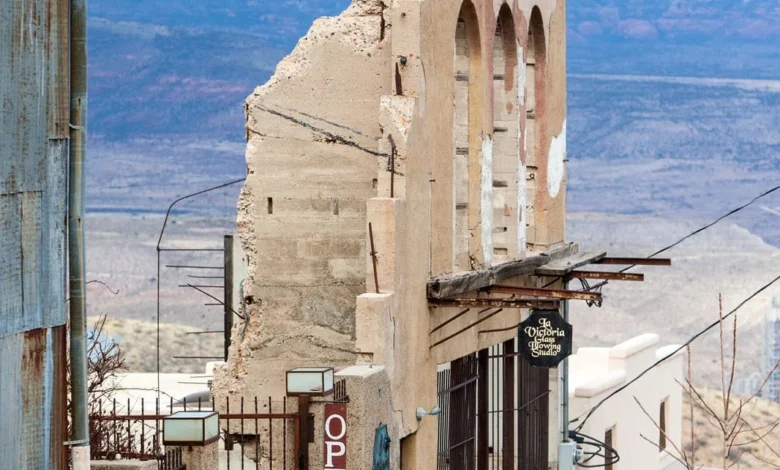
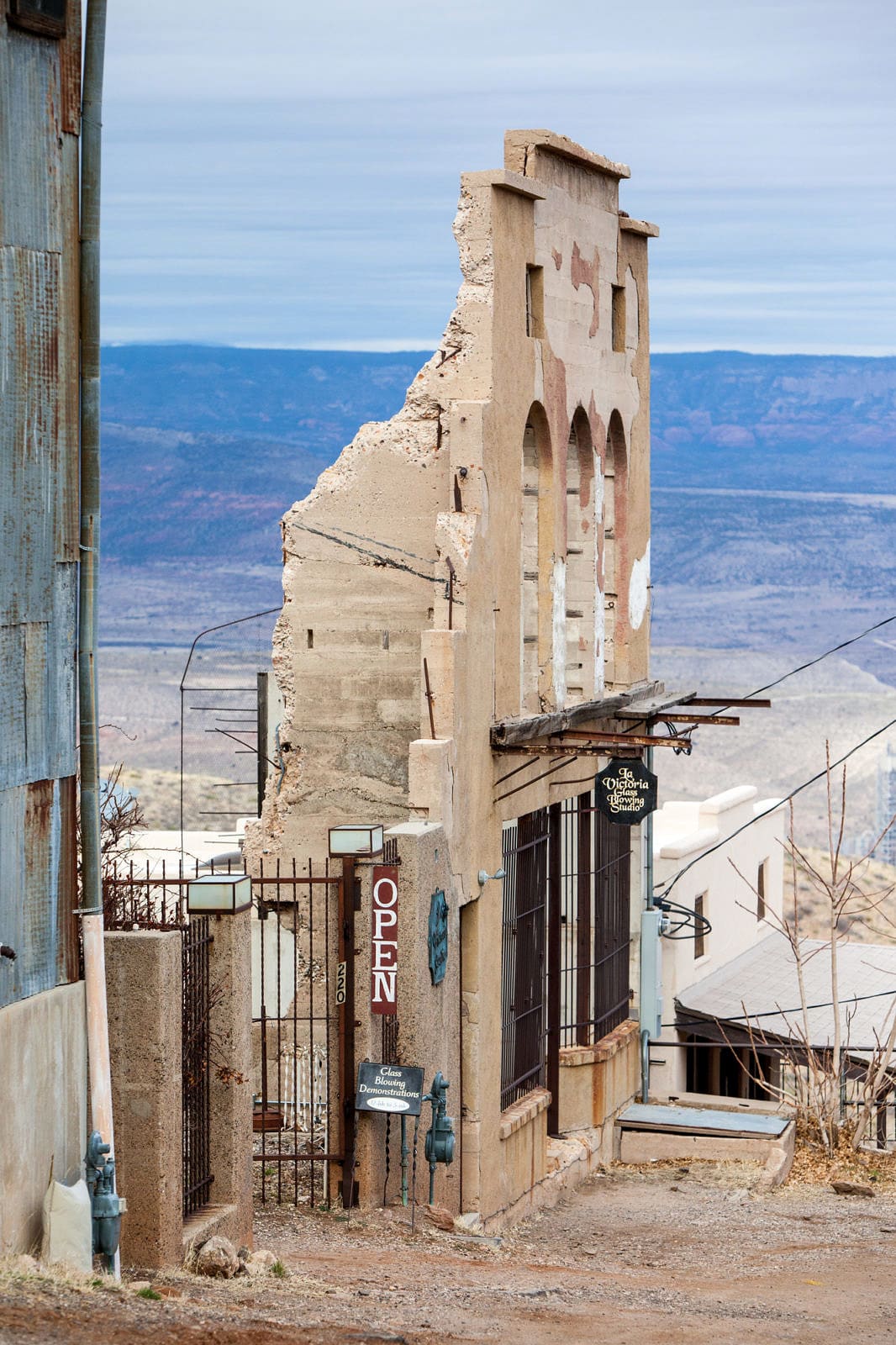
Jerome, perched on the steep slopes of Cleopatra Hill, exemplifies the "ghost town" preservation model. After the closure of the United Verde Copper Company mines in the mid-20th century, the town faced near-total abandonment. However, a grassroots movement by artists and historians in the 1960s repurposed the Victorian-era infrastructure into galleries and boutique hotels. Today, Jerome is a National Historic District, providing a tangible look at the 19th-century industrial life that built the state’s wealth.

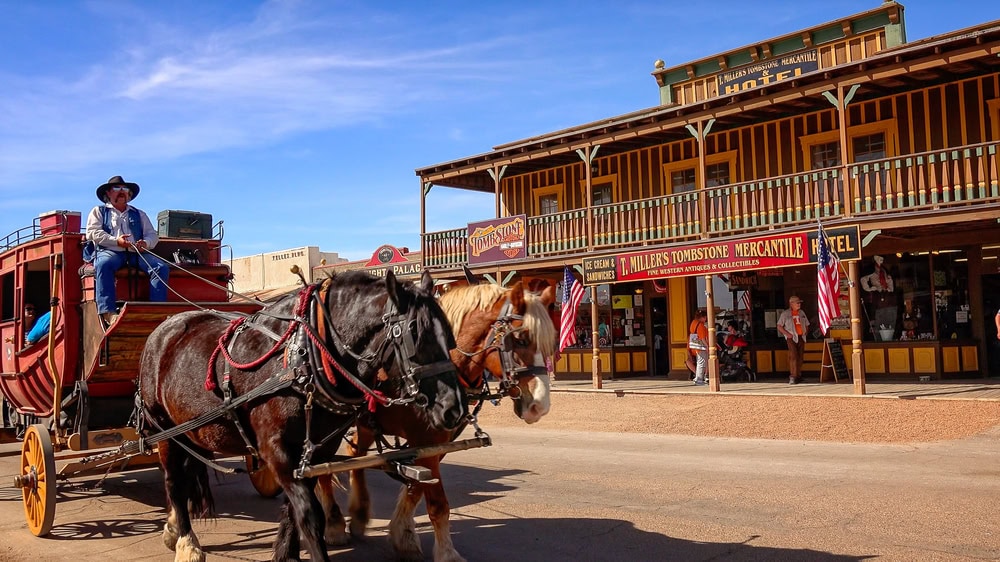
Bisbee, located near the Mexican border, shares a similar narrative. Its elevated topography and distinctive architecture have made it a hub for bohemian culture, while Tombstone remains the quintessential example of Old West myth-making. The "O.K. Corral" remains one of the most visited historical sites in the country, attracting those interested in the 1881 gunfight that has become synonymous with the American frontier.
Northern Treasures and the Utah Border
The northern reaches of Arizona, specifically the town of Page, have seen significant shifts in traffic patterns due to the rise of social media-driven tourism. Antelope Canyon, a slot canyon located on Navajo Nation land, has become one of the most photographed natural sites in the world. Its management is a primary example of collaborative tourism, where the Navajo Nation oversees access to ensure the preservation of the sacred site while managing the influx of thousands of daily visitors.
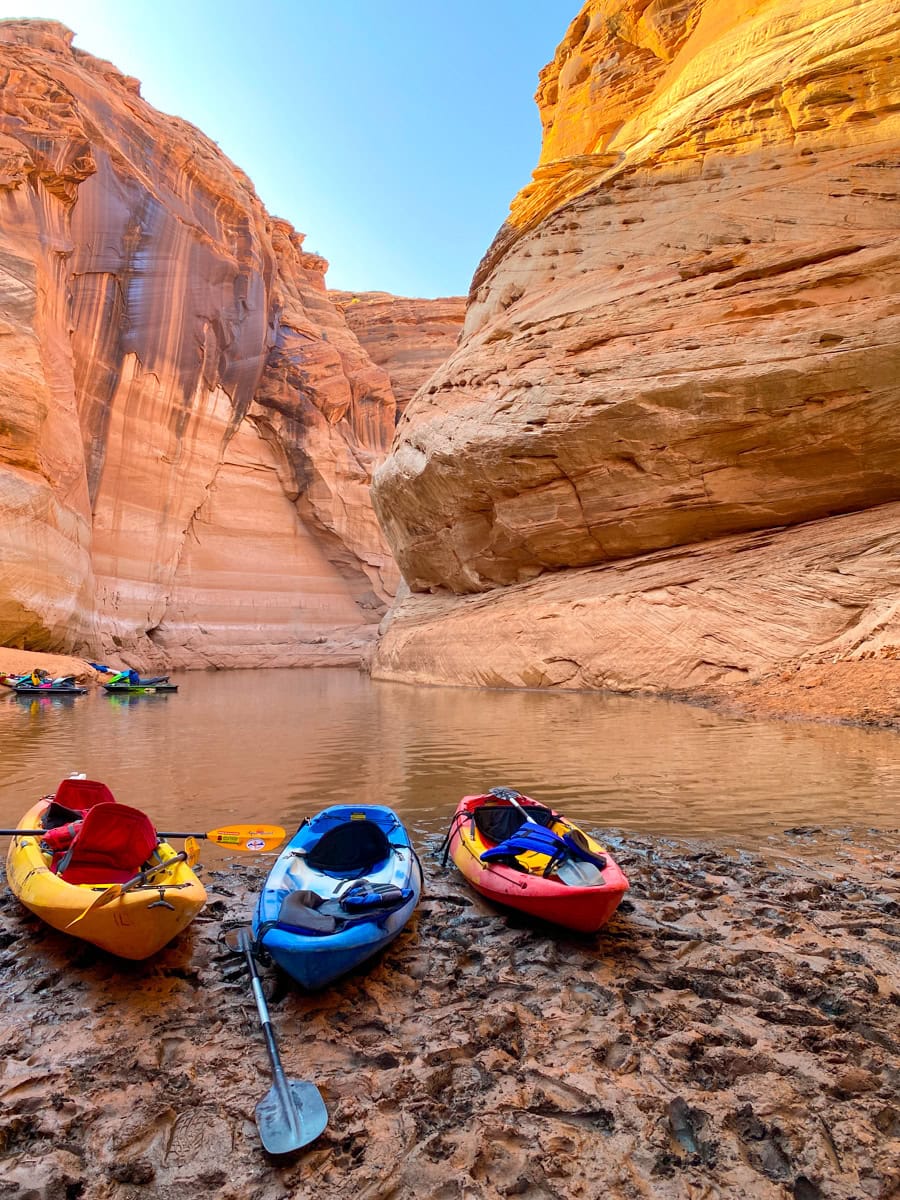
Lake Powell, created by the Glen Canyon Dam, serves as a massive recreational reservoir. However, the site also underscores the fragility of Arizona’s water resources. Climate-driven droughts in the Colorado River Basin have forced local and federal authorities to manage water levels carefully, impacting boat access and recreational policies. This serves as a reminder to visitors that Arizona’s beauty is intrinsically linked to its complex and often precarious water management history.
Strategic Implications for Future Tourism
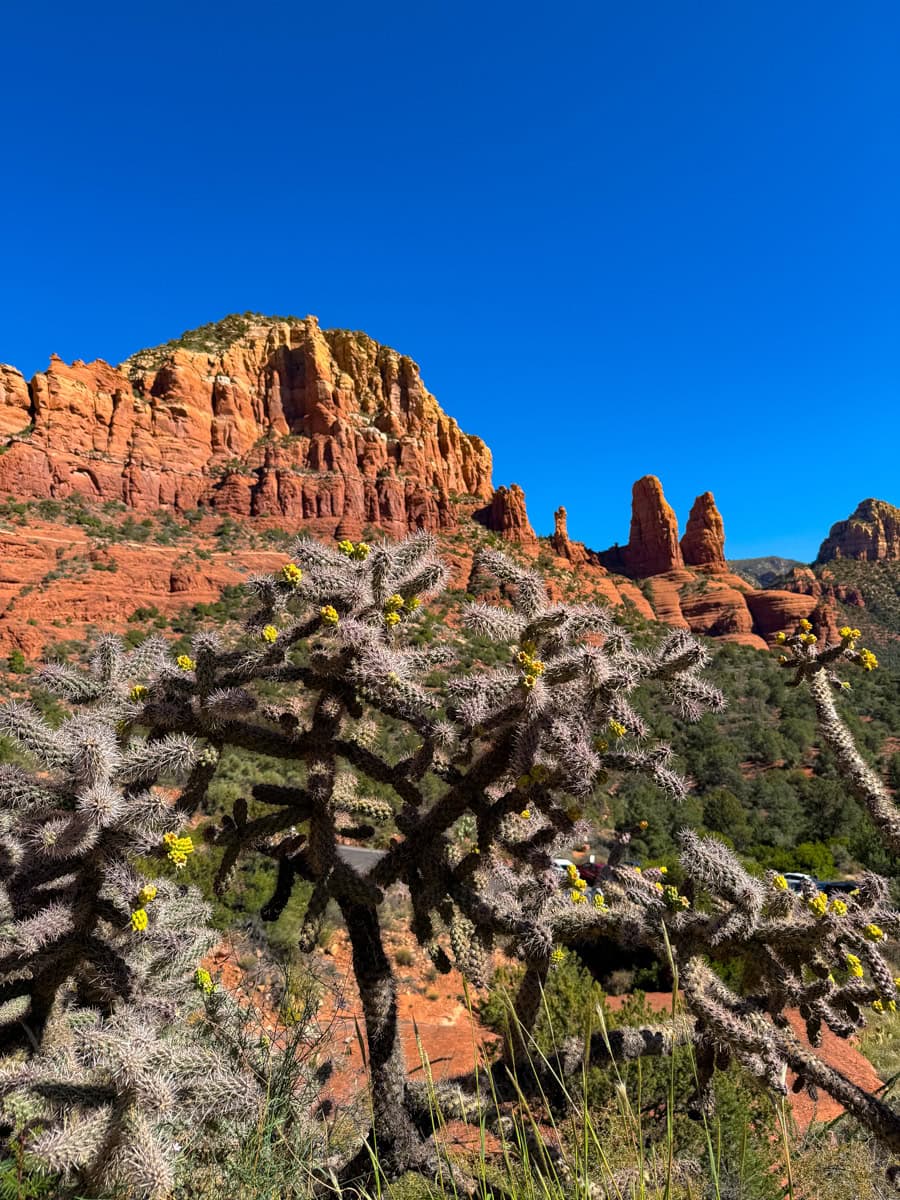
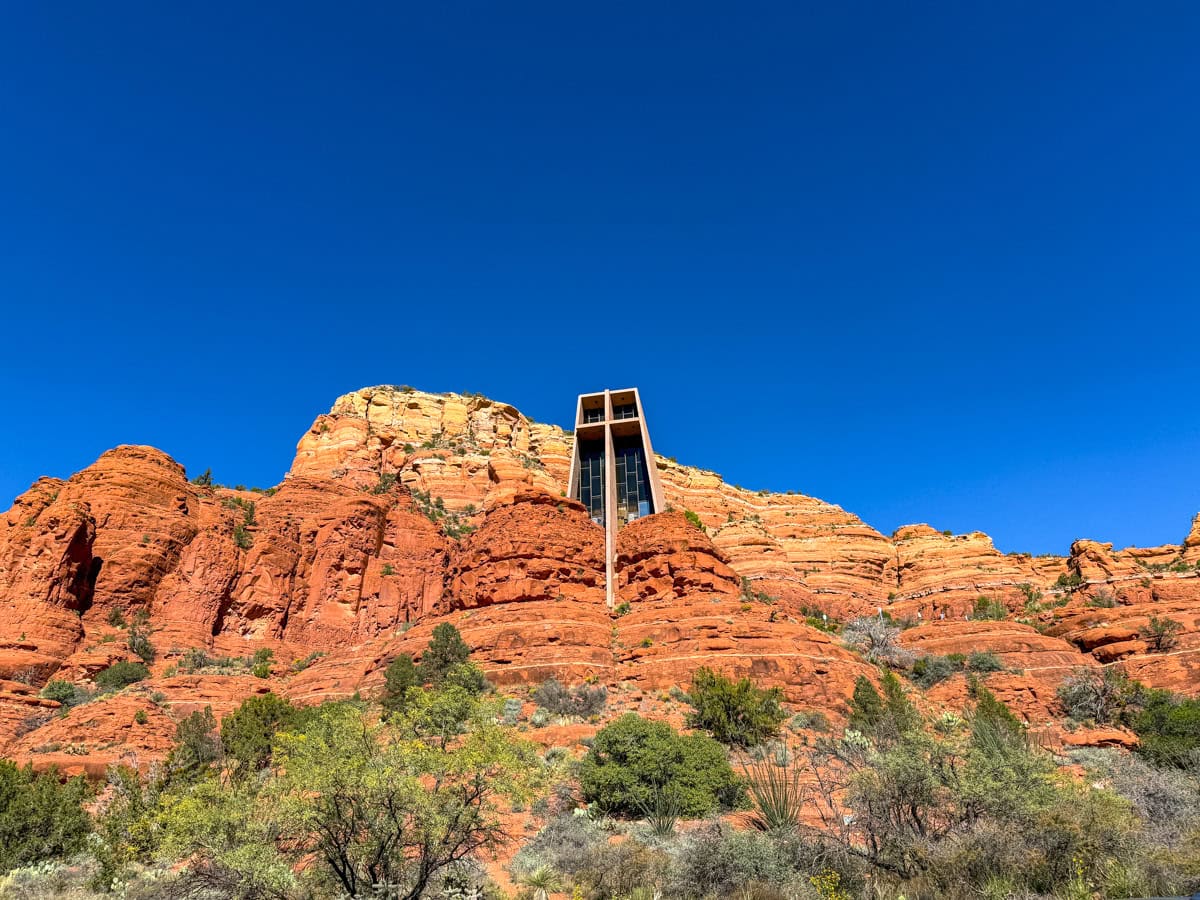
As Arizona moves toward 2030, the tourism sector faces the dual challenge of sustainability and scalability. The state’s reliance on outdoor tourism requires a delicate balance between public access and environmental protection. For instance, the increase in hiking traffic in areas like Sedona’s "vortexes" and the Red Rock District has led to the implementation of new shuttle services and permit systems to mitigate human impact on local flora and fauna.
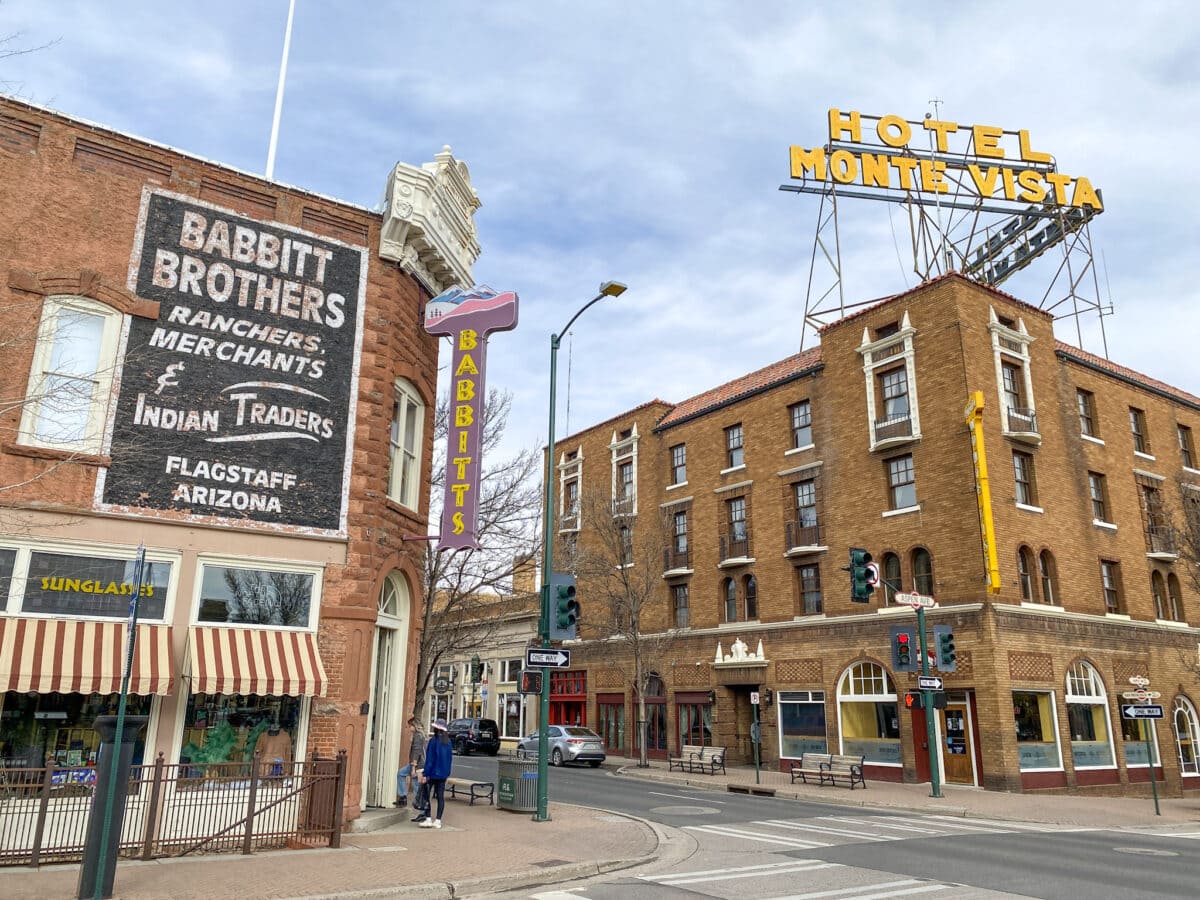
Furthermore, the state’s infrastructure is undergoing significant updates to accommodate the growth of the "Silicon Desert," with transit expansions and hotel developments in Phoenix, Tucson, and Flagstaff. Analysts suggest that the future of Arizona tourism will likely favor "experiential travel"—a shift away from passive sightseeing toward educational and immersive programs that emphasize the state’s complex ecological, cultural, and indigenous history.
Conclusion: A State of Extremes
Arizona remains a state defined by its extremes—hot, arid deserts versus cool, alpine forests; bustling modern cities versus quiet, historic ghost towns; and a profound respect for ancient traditions alongside a drive for technological progress. Whether through the lens of a traveler exploring the depths of the Grand Canyon or a resident navigating the growth of the Phoenix metro area, Arizona provides a multifaceted look at the American experience.
For the prospective traveler, the state offers a logistical challenge as much as an opportunity. The diversity of the landscape necessitates careful planning, particularly regarding seasonal temperature fluctuations. Spring and fall remain the peak windows for travel, avoiding the extreme heat of the summer months and the potential for snow-related road closures in northern mountain regions. As the state continues to refine its tourism offerings, it remains a central pillar of the American Southwest’s identity, inviting visitors to engage with a landscape that is as historically significant as it is visually striking.