Elevating the London Experience: A Comprehensive Guide to the London Eye Afternoon Tea

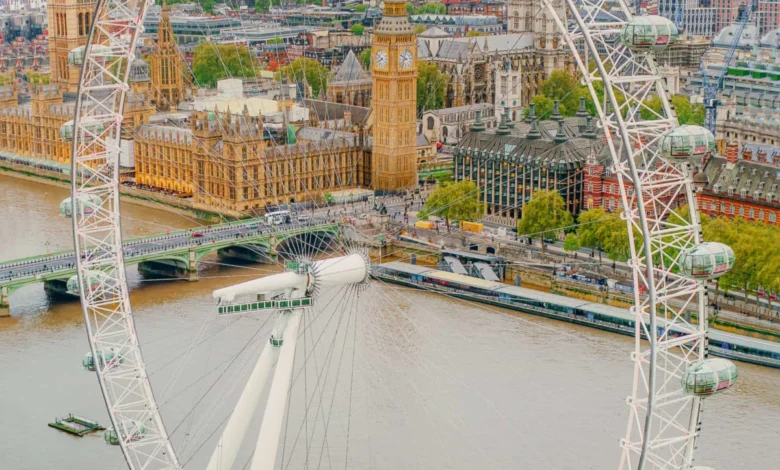
The London Eye has solidified its position as a cornerstone of the British capital’s tourism infrastructure, serving as an architectural icon on the South Bank of the River Thames. Since its public opening in March 2000, the structure—originally conceived as a temporary millennium project—has evolved into a permanent fixture that welcomes millions of visitors annually. While the standard rotation offers a quintessential panoramic view of the city, recent operational shifts by the Merlin Entertainments Group have introduced a refined, premium service: the London Eye Afternoon Tea experience. This initiative reflects a broader trend in the travel industry toward "experiential tourism," where high-traffic landmarks integrate bespoke culinary services to diversify revenue streams and enhance visitor engagement.

Historical Context and Development of the Landmark
Commissioned for the Millennium celebrations, the London Eye was designed by the architectural team of David Marks and Julia Barfield. Standing at 135 meters, it was the tallest cantilevered observation wheel in the world upon its completion. Its development was not without controversy, as initial planning permission was granted for only five years. However, its overwhelming popularity—surpassing initial ridership projections by several million—led to a permanent status being granted in 2002. Over the last two decades, the attraction has undergone significant technological upgrades, including the installation of high-definition "smart" touch screens in the capsules and the development of specialized "pod" experiences, such as the Afternoon Tea service, which utilizes a dedicated, semi-private cabin arrangement to ensure exclusivity.

The Mechanics of the Premium Afternoon Tea Service
Unlike standard entry, which involves a high-capacity throughput, the Afternoon Tea service is a curated, low-density operation. The logistics are managed by a dedicated concierge team, beginning with a streamlined check-in process at the VIP lounge. This departure from the standard queueing system is designed to cater to a demographic seeking convenience and comfort.

The experience lasts for two full rotations of the wheel, providing a total of one hour of observation time. This duration is significant, as it doubles the standard 30-minute rotation. The service includes a traditional tiered stand featuring a selection of finger sandwiches, artisanal scones with clotted cream and preserves, and a variety of seasonal pastries. The inclusion of optional champagne service aligns the product with the high-end hospitality standards expected in London’s luxury market.

Economic and Operational Analysis
From a business perspective, the introduction of the Afternoon Tea service represents a strategic pivot toward higher yield-per-guest metrics. By capping capacity at approximately eight guests per capsule, the attraction creates a "boutique" atmosphere that justifies a higher price point—typically starting at £75 per person.

Data from tourism analysts suggests that visitors are increasingly willing to pay a premium for "frictionless" travel experiences. By removing the necessity of queuing and providing a seated, private dining environment, the London Eye effectively competes with the city’s established luxury hotels, such as The Ritz or The Savoy, which are renowned for their traditional afternoon tea services. This creates a dual-purpose product: a sightseeing tour and a high-end culinary engagement.

Logistical Requirements and Consumer Advice
For those planning to secure a reservation, operational constraints are significant. Because the wheel operates on a continuous, slow-motion cycle, there is no stopping for late arrivals. The following operational guidelines are advised for prospective guests:

- Advance Reservation: Due to the limited number of capsules designated for this service and the strict capacity limit of eight persons, bookings are often required weeks, if not months, in advance, particularly during peak tourist seasons (May through August).
- Arrival Protocol: A buffer of 30 minutes is strictly recommended. This allows for the necessary security screenings and the transit from the VIP lounge to the boarding platform.
- Dietary Accommodations: As is standard with premium catering in the UK, the service provides vegetarian and vegan alternatives, provided these requirements are communicated at the point of booking.
- Seasonal Pricing: Prices fluctuate based on calendar demand, with peak holiday periods and weekends commanding higher rates. Prospective visitors should check the official ticketing portal for potential promotional codes or package discounts, which are occasionally released to incentivize mid-week, off-peak travel.
Sightlines and Geographic Significance
The primary value proposition of the London Eye remains its vantage point. During the one-hour rotation, passengers are afforded a 360-degree view that, on a clear day, provides visibility of up to 40 kilometers. Key landmarks visible from the capsules include:

- Westminster and the Houses of Parliament: The immediate view of the seat of British government.
- Buckingham Palace: The primary royal residence, visible to the west.
- The City of London: A view of the financial district, including the historic St. Paul’s Cathedral and contemporary skyscrapers like The Shard.
- The Thames Estuary: Looking eastward toward the historical maritime corridors of London.
The two-rotation structure allows for a "day-to-dusk" transition if timed correctly. Observing the city’s skyline illumination—as the lights of the South Bank and the City turn on—is frequently cited by repeat visitors as a superior experience compared to the standard daylight rotation.

Official Stance and Market Impact
Merlin Entertainments, the operator of the London Eye, has framed these VIP experiences as a core component of their "London Cluster" strategy. By integrating the London Eye with other nearby attractions, the company aims to extend the "dwell time" of tourists in the South Bank area. According to company reports, the diversification of ticket tiers—ranging from standard entry to private pods and now dining experiences—has been instrumental in maintaining the attraction’s relevance in a competitive global tourism market.

Industry experts note that this model serves as a blueprint for other global landmarks. The transformation of a purely visual attraction into a multi-sensory hospitality venue provides a template for maximizing revenue in high-demand, high-footfall locations where capacity is physically constrained by the architecture itself.

Broader Implications for London Tourism
The success of the London Eye Afternoon Tea underscores a shift in how major cities manage their primary landmarks. Rather than focusing solely on the volume of visitors, there is a clear strategic push toward value-added experiences. For the city of London, this approach helps distribute the economic benefits of tourism more broadly across the hospitality sector, including local catering suppliers and specialized event staff.

While the service remains a premium offering, it has successfully occupied a niche in the market, appealing to both international tourists and domestic visitors celebrating special occasions. As London continues to navigate the complexities of post-pandemic tourism, the ability of its landmarks to offer personalized, high-quality experiences will likely remain a critical factor in maintaining the city’s status as a top-tier global destination.

Visitors are reminded that while the experience is designed to be seamless, the reliance on the wheel’s consistent rotation means that punctuality is the single most important factor in ensuring the service meets expectations. By booking in advance and utilizing the VIP channels, guests can bypass the significant crowds associated with the South Bank, turning a standard sightseeing trip into a controlled, luxury experience.