As the autumn climbing season reaches its critical window in the Himalayas, the mountaineering community finds itself navigating a landscape defined by both record-breaking human activity and the lingering trauma of recent environmental catastrophe. While the slopes of Mount Manaslu are witnessing an unprecedented influx of commercial expeditions, search and recovery efforts continue in the wake of the devastating Bhotekosi River floods that claimed thousands of lives just three weeks ago.
The Human Toll and Ongoing Recovery Efforts
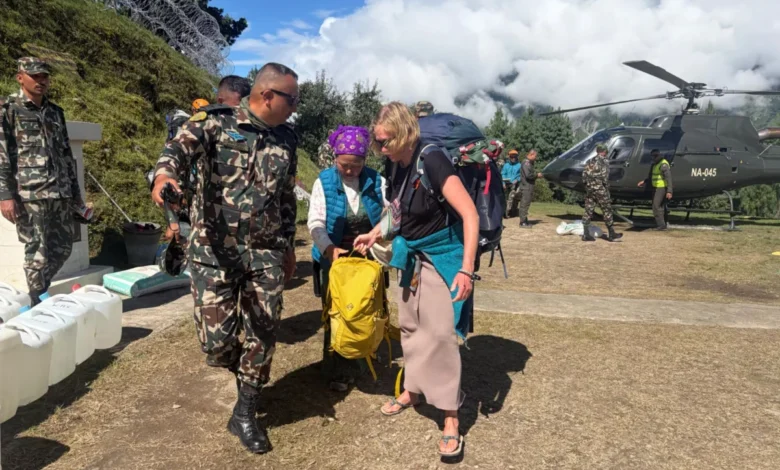
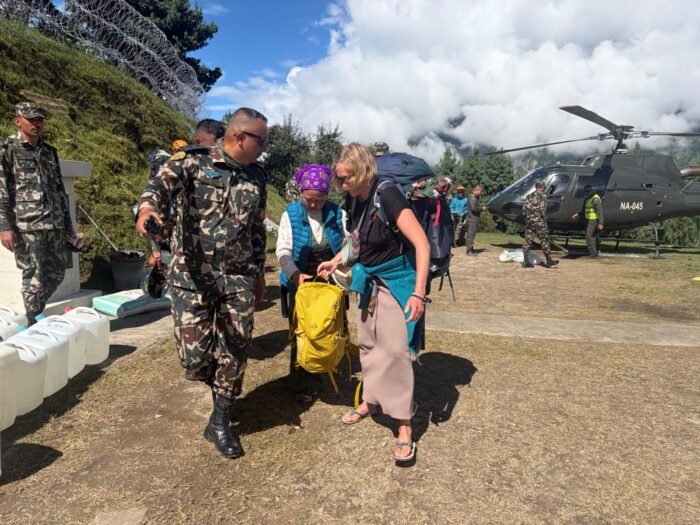
The catastrophic flooding that struck the Rasuwa region and areas surrounding the Tibetan border remains a somber backdrop to the current climbing season. While the initial surge of disaster response has transitioned into a period of methodical recovery, the scale of the tragedy is immense. Official data from Nepal’s Department of Tourism confirms that 310 foreign tourists have been successfully rescued, with 13 individuals—many of whom were engaged in remote Mount Kailash pilgrimages—located alive after being declared missing.
Despite these successful interventions, the human cost remains high. Currently, 607 individuals representing 34 nationalities remain unaccounted for. The demographic spread of the missing underscores the international scope of this tragedy: 189 citizens from India, 65 from the United States, 55 from Malaysia, 54 from Ukraine, 37 from China, 33 from Australia, 33 from Latvia, 32 from the United Kingdom, and 30 from Canada. The Ministry of Tourism is maintaining updated manifests of these individuals, urging families and embassies to consult official channels as recovery operations in the debris-strewn river valleys continue.
Manaslu: An Everest-Scale Commercial Hub
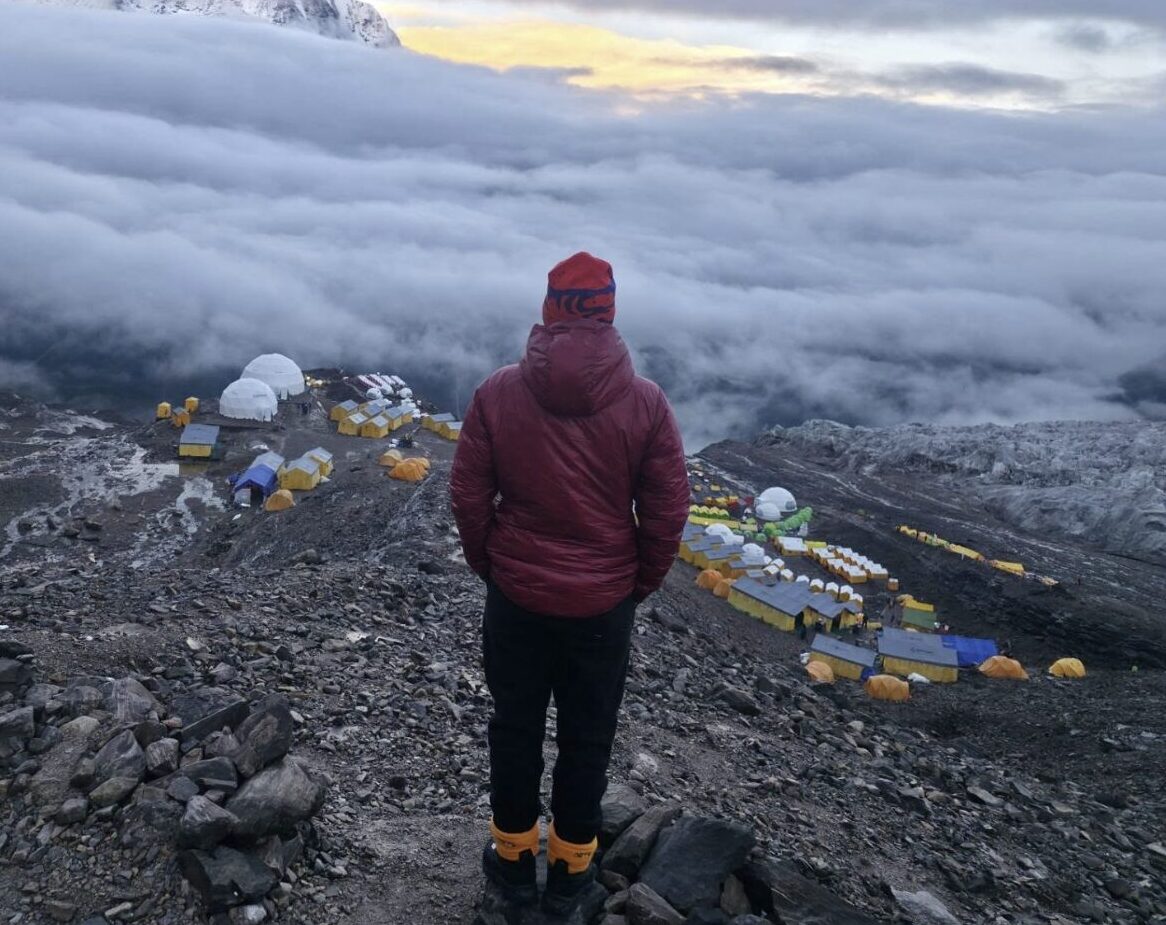
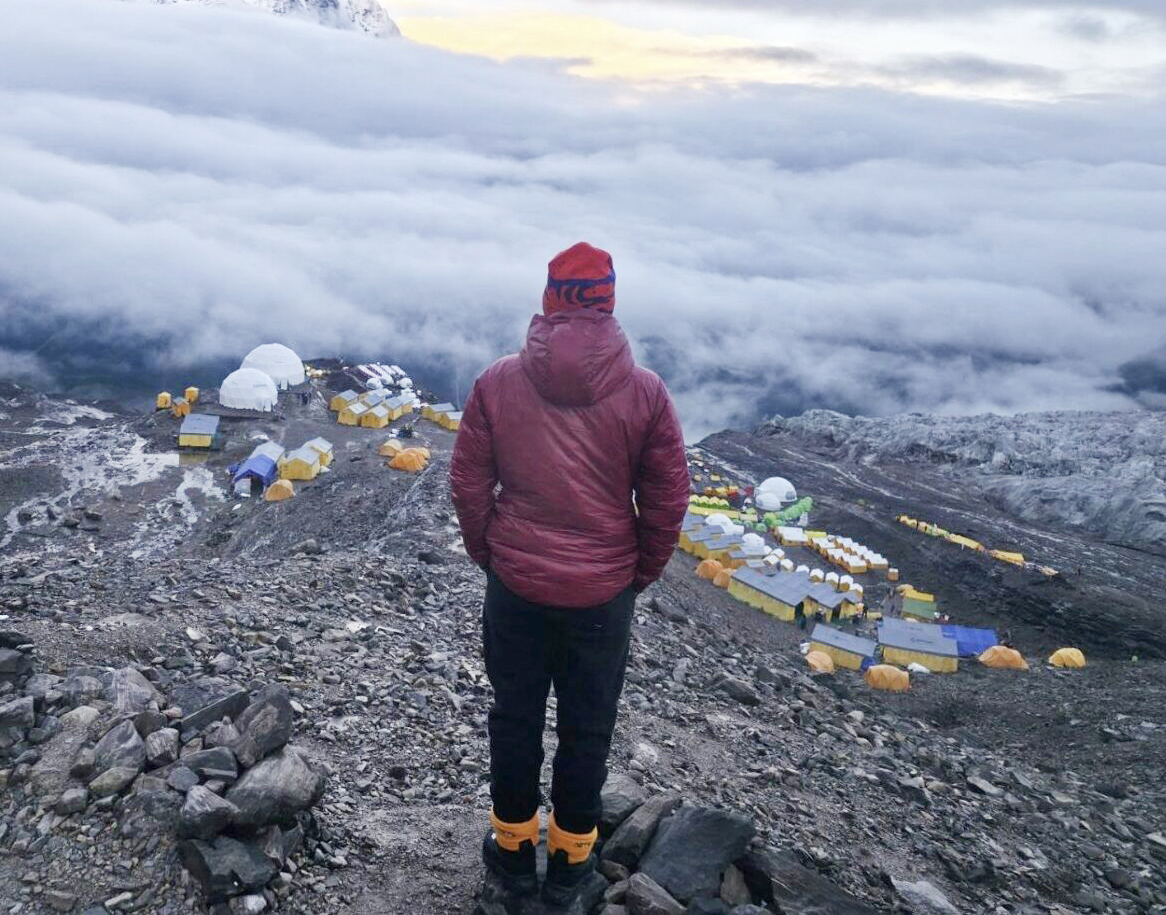
Mount Manaslu has solidified its position as the premier commercial 8,000-meter peak for the autumn season, with current permit data suggesting a paradigm shift in its popularity. The Ministry of Tourism recently reported that 466 climbing permits have been issued to foreign nationals, a historic high for the mountain. Pemba Sherpa, a representative of 8K Expeditions and a member of the Nepal Tourism Board, estimates that the total population at Manaslu Base Camp, including support staff, high-altitude workers, and logistics personnel, will exceed 1,000 individuals this season.
This concentration of human activity has effectively transformed Manaslu into an Everest-scale operation. The logistical demands of managing such a crowd in a high-altitude environment are unprecedented for the peak. Following the customary puja ceremonies held last weekend, where climbers made offerings to seek divine favor for safe passage, the mountain is currently experiencing a period of intense activity. Climbers are presently executing a series of acclimatization rotations to Camps 2 and 3. However, the progression is being hindered by persistent weather patterns. Heavy rain and dense fog have blanketed Base Camp, situated at approximately 4,800 meters, forcing rope-fixing teams to remain in a holding pattern until conditions stabilize enough to push toward the summit.
The Return of Simone Moro
Among the hundreds currently waiting out the weather is the veteran Italian mountaineer Simone Moro. His presence has sparked speculation regarding his objectives, with many experts suggesting he is preparing for a potential winter attempt on the mountain. Moro’s career has been intrinsically linked to the challenges of the 8,000-meter peaks during the winter season.
His return to the mountain is significant, following a life-threatening cardiac event last year while acclimatizing on Mera Peak. That incident forced a premature end to his previous Manaslu aspirations. Having since undergone a successful recovery and a productive expedition to Denali in June, Moro’s presence in a rainy Base Camp underscores the persistent allure of Manaslu, regardless of the challenging seasonal conditions.
Safety Concerns and Glacier Hazards
The inherent risks of high-altitude climbing were highlighted yesterday when a climber fell into a crevasse below Camp 1. While this section of the route is often considered technically straightforward, the glacier remains a dynamic and dangerous environment. The recent rainfall has rendered the lower slopes exceptionally slippery, increasing the likelihood of accidents. The rescued climber, who remained suspended by their safety rope before being extracted by teammates, serves as a stark reminder of the necessity for strict adherence to safety protocols, even on supposedly "easy" terrain.
The incident was documented by the team at EliteExped, an agency that continues to operate across Nepal’s 8,000-meter peaks. Despite the loss of co-founder Nirmal Purja, who perished earlier this year in an avalanche on Broad Peak, the firm remains a major player in the current season, with operations overseen by Tejan Gurung and co-founder Mingma David Sherpa.
Dhaulagiri and the Broader Himalayan Landscape
While Manaslu remains the focal point of commercial traffic, attention is beginning to shift toward Dhaulagiri (8,167m). Two primary expeditions are currently mobilizing for the peak, totaling 19 foreign members. These include a group from Altipro Adventures, led by Saila Mingma, and a substantial team organized by 14 Peaks Expedition under the leadership of Makalu Lakpa.
Outside of these commercial hubs, the Himalayan landscape remains relatively quiet. While two Russian climbers are currently attempting an alpine-style ascent of Makalu, they remain an anomaly in a season otherwise dominated by large-scale commercial logistics. Ama Dablam, another perennial favorite for autumn climbers, is expected to see a surge in activity starting in October, as teams transition from the higher 8,000-meter peaks to the more technical, mid-altitude objectives.
Official Stance and Economic Implications
In the wake of the Bhotekosi flooding, Nepal’s tourism authorities and private outfitters have launched a concerted campaign to reassure international visitors. There is a palpable concern within the industry that the images of destruction in the border regions could lead to a broader, long-term decline in tourism. Government officials have been categorical in their messaging: the trekking trails, base camps, and essential infrastructure are functional and open.
The economic implications are severe. Mountaineering and trekking are cornerstones of the Nepali economy, and the industry is arguably the country’s most vital source of foreign currency. The government’s insistence that tourists maintain their travel plans is a calculated effort to prevent an economic contraction that would exacerbate the social hardships already caused by the floods.
As the season progresses, the success of the 2026 autumn climbing cycle will be judged by two metrics: the ability of the mountaineering community to navigate the volatile weather cycles on Manaslu and Dhaulagiri, and the effectiveness of the national recovery efforts in restoring confidence in the safety and accessibility of the Himalayan region. For now, the mountain remains a place of both profound ambition and cautious waiting, as hundreds of climbers stand ready for the first clear weather window of the season.