The Engineering Marvels of Hedley Studios Bring Automotive History to Life Through Scaled Porsche 550J Precision

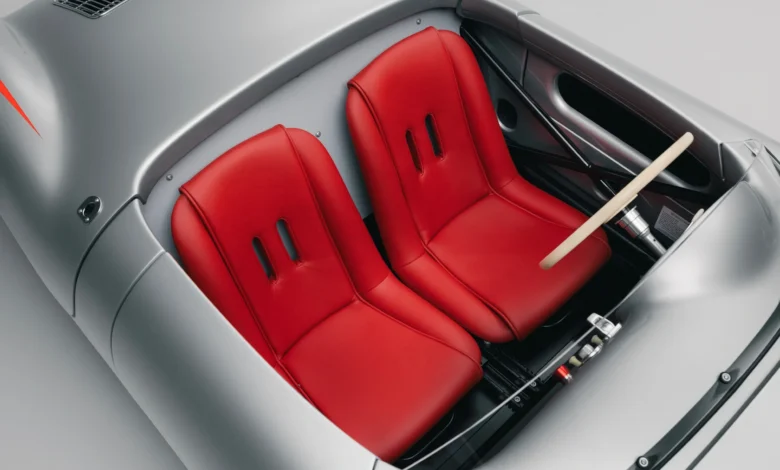
The world’s most prestigious automotive manufacturers are notoriously protective of their brand identity, intellectual property, and historical legacies. Entrusting a third party with the production of vehicles bearing their iconic badges is an act of rare corporate trust. Yet, Hedley Studios, a British boutique manufacturer based at the historic Bicester Heritage site in Oxfordshire, has achieved the near-impossible: securing official licensing and collaboration agreements with Ferrari, Bugatti, Bentley, Aston Martin, and now, Porsche. With the unveiling of the 550J—a meticulous 80-percent scale recreation of the legendary 1950s Porsche 550 Spyder—Hedley Studios has solidified its position as the premier creator of luxury junior cars for the world’s most discerning collectors.
A Masterclass in Automotive Authenticity
The Hedley Studios approach transcends the traditional concept of a "toy car" or "go-kart." By utilizing original technical drawings provided directly by the Porsche Museum, the company ensures that every 550J is a functional, engineering-grade homage to its ancestor. The process begins with 3D scanning an authentic Porsche 550, allowing Hedley’s engineers to replicate the vehicle’s complex, graceful curves with millimeter-perfect accuracy. The bodywork is crafted from advanced carbon fiber, ensuring that the vehicle maintains a featherlight curb weight of just 330 kilograms.

The 550J is not merely a static display piece; it is a dynamic, road-capable electric vehicle. While the standard model offers a spirited driving experience, the optional RS Pack elevates performance to a new tier, featuring 21 brake horsepower, performance-tuned drilled brake discs, and adjustable Bilstein dampers. This configuration permits a top speed of 50 mph and a range of approximately 50 miles, making it a viable machine for private estates, light road use, and enthusiast-led track days.
Chronology of a Boutique Powerhouse
The ascent of Hedley Studios is rooted in the vision of founder Ben Hedley, a serial entrepreneur and former competitive athlete who recognized a void in the luxury market for high-end, scaled-down automotive experiences. Since its inception, the company has navigated a rigorous path toward industry legitimacy:
- Foundation Phase: Hedley Studios established its workshop at Bicester Heritage, a former RAF airbase that has evolved into a global hub for the restoration and maintenance of historic, vintage, and high-performance vehicles.
- Brand Partnerships: The studio successfully negotiated licensing deals with legendary marques, starting with the British giants and moving into the hallowed ground of Italian and German manufacturers.
- Global Expansion: To date, the company has delivered over 600 vehicles to clients across six continents, spanning more than fifty countries.
- The Porsche Collaboration (2026): The culmination of recent development efforts, the 550J represents the first time the Porsche Museum has authorized such a comprehensive technical partnership for a scaled-down production model.
Bridging the Gap Between Collector and Creator
The primary demographic for Hedley Studios is not the juvenile market, but rather the ultra-high-net-worth individual (UHNWI) who already possesses a portfolio of vintage automobiles. These collectors often commission a bespoke 550J to serve as a companion piece to their full-sized originals, matching paint codes, upholstery materials, and specific trim details.

"We have customers who want to match the paint to their original 1950s Ferrari," notes Ben Hedley. The customization process is exhaustive, with lead times ranging from three months to an entire year depending on the complexity of the commission. The result is a bespoke vehicle that functions as a piece of kinetic art. Some clients have taken the dedication to extreme lengths; one collector famously commissioned a 550J that required on-site assembly within a Manhattan high-rise apartment, circumventing the logistical constraints of a service elevator.
Historical Significance of the Porsche 550
The original Porsche 550, while tragically linked to the fatal accident of actor James Dean, holds a more profound significance in the annals of motorsport. As Porsche’s inaugural purpose-built racing car, the 550 proved that lightweight engineering and superior handling could overcome larger, more powerful rivals. It achieved dominant finishes in some of the most grueling races of the era, including the Carrera Panamericana in Mexico and the Targa Florio in Sicily. By recreating this specific model, Hedley Studios taps into the nostalgia of the "Golden Age" of racing, providing a sensory experience that, as Hedley describes, is "undiluted."
Market Analysis and Implications
The financial disparity between an original 550 and the 550J is significant. A genuine, period-correct 550 with a documented racing provenance can command upwards of £3.5 million ($4.7 million). In contrast, the 550J serves as an accessible entry point to the Porsche ecosystem, starting at £69,500 ($93,600).
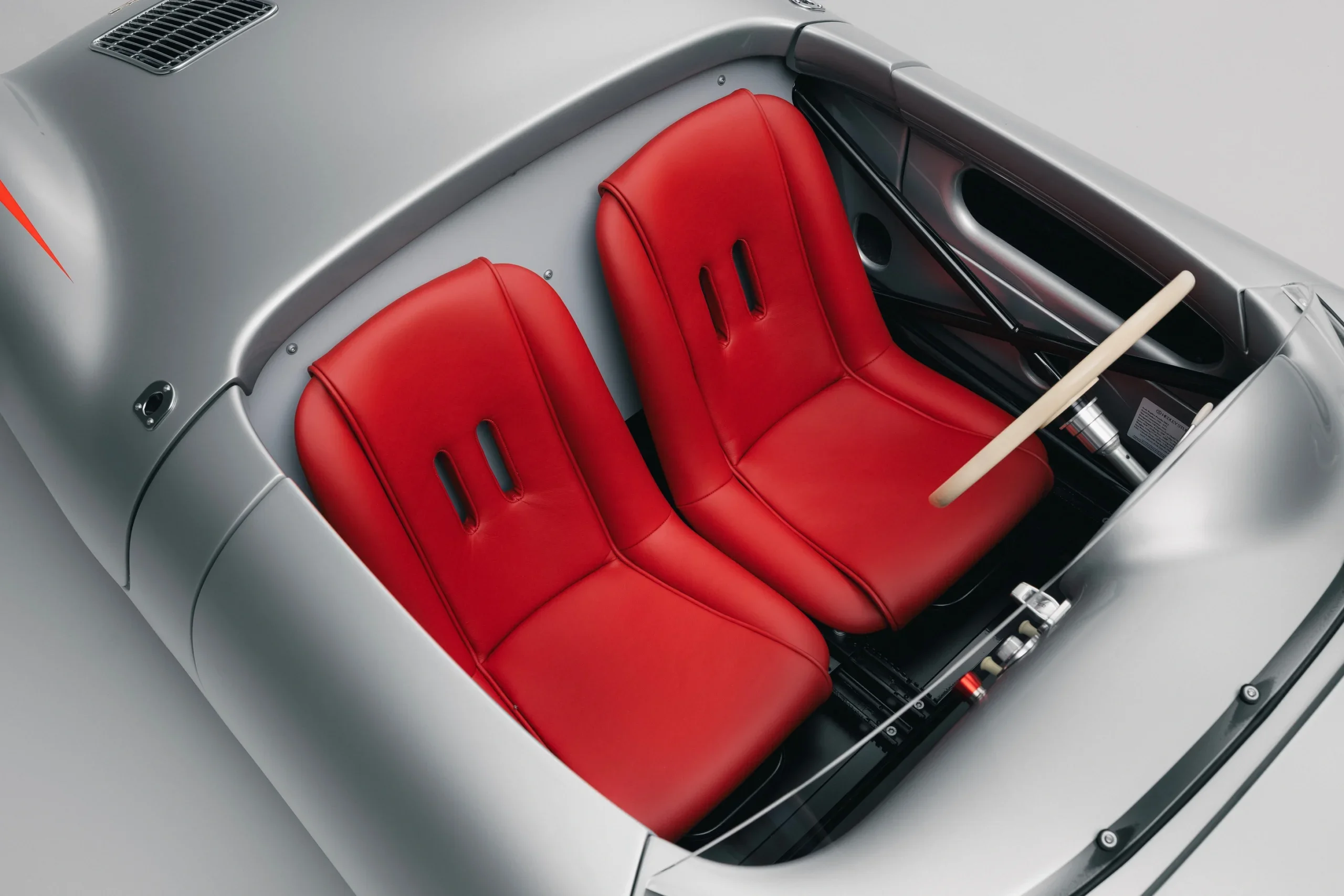
However, the value proposition is not just about affordability; it is about the "pure experience" of driving. In an era where modern supercars are increasingly laden with driver aids and complex electronics, the Hedley 550J offers a tactile, raw connection to the road. The lack of an internal combustion engine, rather than being a detriment, creates a unique auditory environment where the driver can hear the wind and the mechanical feedback of the suspension, rather than drowning in engine noise. This "purity" is the primary selling point for a generation of collectors who are seeking a return to traditional driving dynamics.
The Future of Boutique Manufacturing
The success of Hedley Studios highlights a shifting trend in the automotive sector: the rise of the "micro-luxury" market. By occupying a niche that serves both as a collectible art market and a high-performance hobby, Hedley has insulated itself from the volatility of mass-market automotive production. The company’s focus on the heritage and emotional connection of the car ensures that each vehicle is not viewed as a commodity, but as a legacy asset.
As the order books for the 550J continue to grow, the implications for the broader automotive industry are clear: collaboration between historic manufacturers and agile, design-led studios is a viable pathway for growth. By leveraging the technical archives of companies like Porsche, Hedley Studios is not merely mimicking the past; it is preserving it in a format that allows the next generation of collectors to engage with it directly.
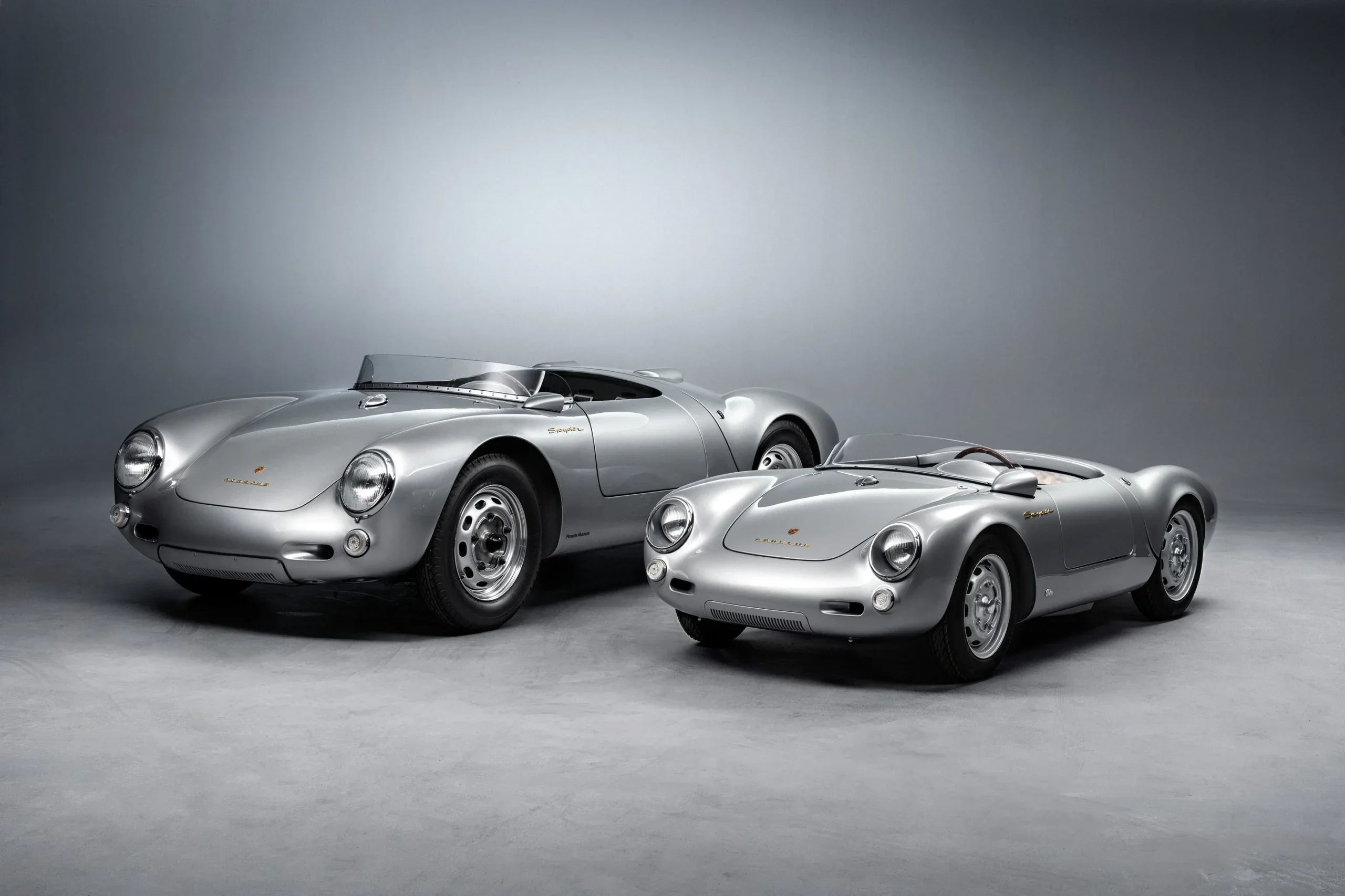
Whether it is a Dutch owner clocking over 10,000 kilometers in a road-registered Bugatti, or an American couple using a stopwatch to time their morning mail run on a private estate, the Hedley 550J proves that the joy of motoring is not measured by displacement or horsepower, but by the engagement of the driver. As the company looks toward future projects, the blueprint established at Bicester Heritage—a fusion of rigorous historical research, artisanal craftsmanship, and modern electric powertrain technology—stands as a new benchmark for the future of the luxury automotive industry.