New York City in the autumn months is widely considered the peak period for cultural, culinary, and social activity, characterized by a unique atmospheric crispness and an elevated pace of life. As the city transitions into November, the convergence of high-profile theater premieres, the influx of international visitors for the New York City Marathon, and a significant rotation in the luxury hospitality landscape creates an environment of intense engagement. For travelers and residents alike, the following assessment provides a comprehensive overview of the current Manhattan landscape, focusing on premium accommodations, dining innovations, and essential cultural milestones.
The Evolution of the Manhattan Luxury Hospitality Landscape
The hospitality sector in Manhattan is currently undergoing a period of rapid refinement, balancing the preservation of Gilded Age icons with the emergence of bold, design-forward concepts. The city’s portfolio of luxury lodging, which typically features staples such as The Carlyle and the extensively renovated Waldorf Astoria, has been bolstered by new entrants like The Fifth Avenue Hotel and a robust array of properties managed by the Firmdale group.
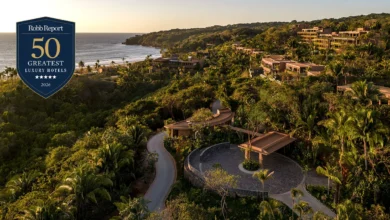
A notable addition to this sector is the Faena New York, which opened its doors in West Chelsea in September 2025. The property has distinguished itself through a maximalist aesthetic and a programmatic focus on live performance. Since its inception, the hotel has functioned as a cultural hub, hosting nightly musical sets and DJ residencies within its La Boca and Living Room venues.
Beyond its interior offerings, the Faena has moved to integrate itself into the local art ecosystem. The hotel now provides a curated Chelsea art walk, a three-hour engagement priced at $3,500, which offers guests private access to blue-chip galleries such as Hauser & Wirth and Paula Cooper. This model of “experiential hospitality” reflects a broader trend in the travel industry, where high-net-worth individuals prioritize exclusive access to localized cultural assets over traditional concierge services.

Culinary Shifts and Institutional Transitions
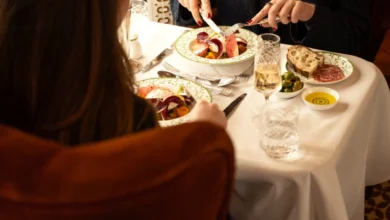
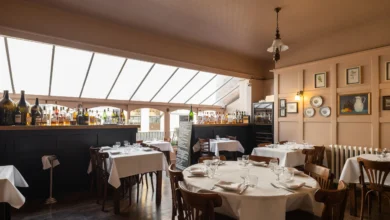
The New York City dining scene continues to demonstrate its resilience and capacity for reinvention. A primary development this season involves the strategic pivot of acclaimed chef Daniel Boulud. After years of maintaining a successful trio of restaurants at Lincoln Center, Boulud has opted to consolidate his presence by launching a new flagship brasserie. This move signals a shift in fine dining, where established restaurateurs are favoring more accessible, high-volume concepts that retain the technical rigor of classic French cuisine.
Data from the hospitality industry suggests that New York’s restaurant sector has seen a 12% increase in new fine-dining openings compared to the same period in 2024. This growth is driven by a combination of recovering international tourism numbers and a robust local demand for premium dining experiences. The influx of new talent, coupled with the expansion of established culinary figures, suggests that Manhattan remains the primary testing ground for North American restaurant concepts.
Cultural Programming and the Performing Arts
The autumn cultural calendar in New York is characterized by a high density of high-profile productions, spanning theater, music, and the performing arts. The logistical planning required for these events often spans several months, as venues like Madison Square Garden and the city’s major playhouses align their schedules to maximize attendance.
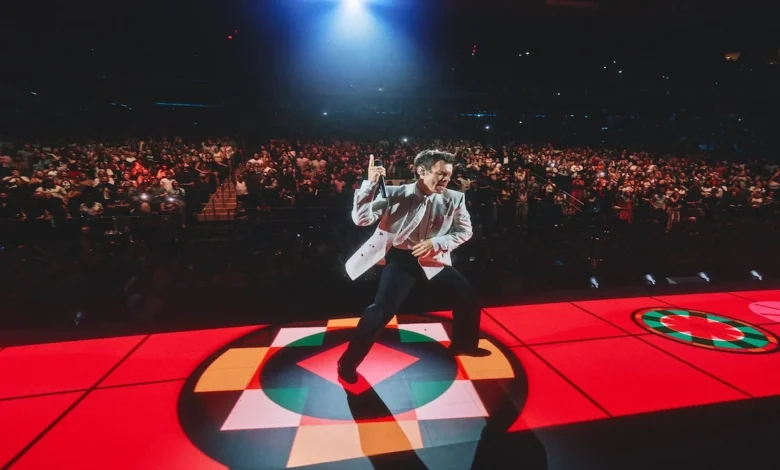
A significant highlight of the 2026 season is the 30-day residency of artist Harry Styles at Madison Square Garden. The residency is scheduled to conclude with a performance on October 31, a date colloquially branded by fans as “Harryween.” Market analysts note that such residencies are increasingly favored by artists and promoters for their ability to stabilize ticket pricing and manage the environmental impact of large-scale touring logistics. With ticket prices currently ranging from $310 to over $1,500, the economic impact on the surrounding hospitality and retail sectors in Midtown Manhattan is substantial.
In the realm of theater, the season features a notable intersection of television and stage talent. The production Oh, Mary!, featuring actor Bowen Yang, has received significant critical attention for its satirical take on historical figures. Running from September 15 through December 6, the production highlights a trend toward unconventional casting in Broadway and off-Broadway spaces. Similarly, the Pulitzer-nominated Other Desert Cities features a high-profile ensemble including Julia Louis-Dreyfus and Ed Harris, marking a significant commercial draw for the Broadway season.

Innovation in musical theater is represented by Imitation of Life, a project led by Pulitzer Prize-winning playwright Lynn Nottage and musician John Legend. The production, hosted at The Shed, represents a collaborative effort to bridge contemporary pop music with traditional narrative theater. Furthermore, the New York Philharmonic’s season under the baton of Gustavo Dudamel marks a new chapter for the institution, as the conductor brings a reputation for orchestral accessibility and community engagement that is expected to shift the demographic profile of the Philharmonic’s traditional audience.
The Rise of Maritime Art: The Case of Kos Evans
While theater and culinary arts dominate the headlines, the visual arts sector has introduced a unique intersection of history and upcycling through the work of photographer Kos Evans. Evans, a veteran of marine and yachting photography, is debuting her exhibition “Rock and Royals” at The Gallery at 200 Lex throughout November.
The significance of this exhibition lies not only in the photographic content—which captures high-speed maritime competition—but in the medium itself. Evans has developed a technique for printing these images directly onto decommissioned sails from historic and high-pedigree vessels. The collection includes sails associated with significant political and cultural figures, such as the late President John F. Kennedy, the Spanish Royal Family, and musician Pete Townshend of The Who.
“The process of sourcing these sails requires a deep network within the maritime community,” notes a spokesperson for the gallery. “It is a form of industrial archaeology that results in a functional piece of art.”
This exhibition underscores a growing trend in the art market: the repurposing of materials with historical provenance. By partnering with organizations such as Oceans Without Borders and Nantucket Community Sailing, Evans has successfully aligned her commercial practice with environmental conservation efforts. The success of this show, following its August debut in Nantucket, suggests a growing appetite among New York collectors for works that combine technical craftsmanship with tangible historical lineage.

Broader Economic and Cultural Implications
The aggregation of these events—ranging from high-stakes performances to specialized art exhibitions—serves to reinforce Manhattan’s status as a global hub for the experience economy. As the city moves into the final quarter of the year, the interplay between luxury hospitality, professional theater, and fine art continues to provide a predictable, albeit high-cost, engine for local commerce.
The shift toward “insider experiences,” such as the Faena’s art tours or the specific, sail-based provenance of the Kos Evans exhibition, indicates that the modern consumer is seeking a deeper level of narrative and exclusivity. For the city’s tourism board, this necessitates a focus on promoting these niche, high-value engagements alongside traditional sightseeing.
Furthermore, the involvement of figures like Daniel Boulud and Gustavo Dudamel in these seasonal shifts highlights the importance of institutional stability. While the city remains a volatile market for small businesses, its ability to attract and retain world-class talent ensures that the standard of output remains high.
Conclusion and Future Outlook
As November approaches, the trajectory for Manhattan’s cultural and social calendar appears robust. The logistical challenges of navigating a city with such a high volume of concurrent events are significant, yet the diversity of offerings—from the intimacy of a Chelsea gallery to the scale of a Madison Square Garden residency—provides a compelling value proposition for the discerning visitor.
Stakeholders in the city’s tourism and arts sectors suggest that the current season will likely set a benchmark for future years. As the industry continues to integrate technological advancements with traditional performance and hospitality models, the city is positioned to maintain its global standing as an essential destination for those seeking a synthesis of high culture and contemporary innovation. Whether through the lens of a camera, the acoustics of a concert hall, or the plate of a master chef, Manhattan continues to define the parameters of the modern urban experience.