Nowhere is quite like New York, a metropolis that serves as the global epicenter for finance, culture, and hospitality. The city that never sleeps is perpetually saturated with Michelin-starred restaurants, world-class galleries, and architectural landmarks, yet it is the hotel landscape that truly defines the upper echelon of urban refinement. These establishments do not merely provide lodging; they serve as international benchmarks for luxury, innovation, and service excellence. As the post-pandemic travel surge continues to stabilize, New York’s hospitality sector has transitioned from a focus on recovery to a period of aggressive refinement, with historic icons undergoing multi-million dollar renovations to compete with a wave of ultra-modern, lifestyle-driven openings.
The Evolution of the New York Hospitality Landscape
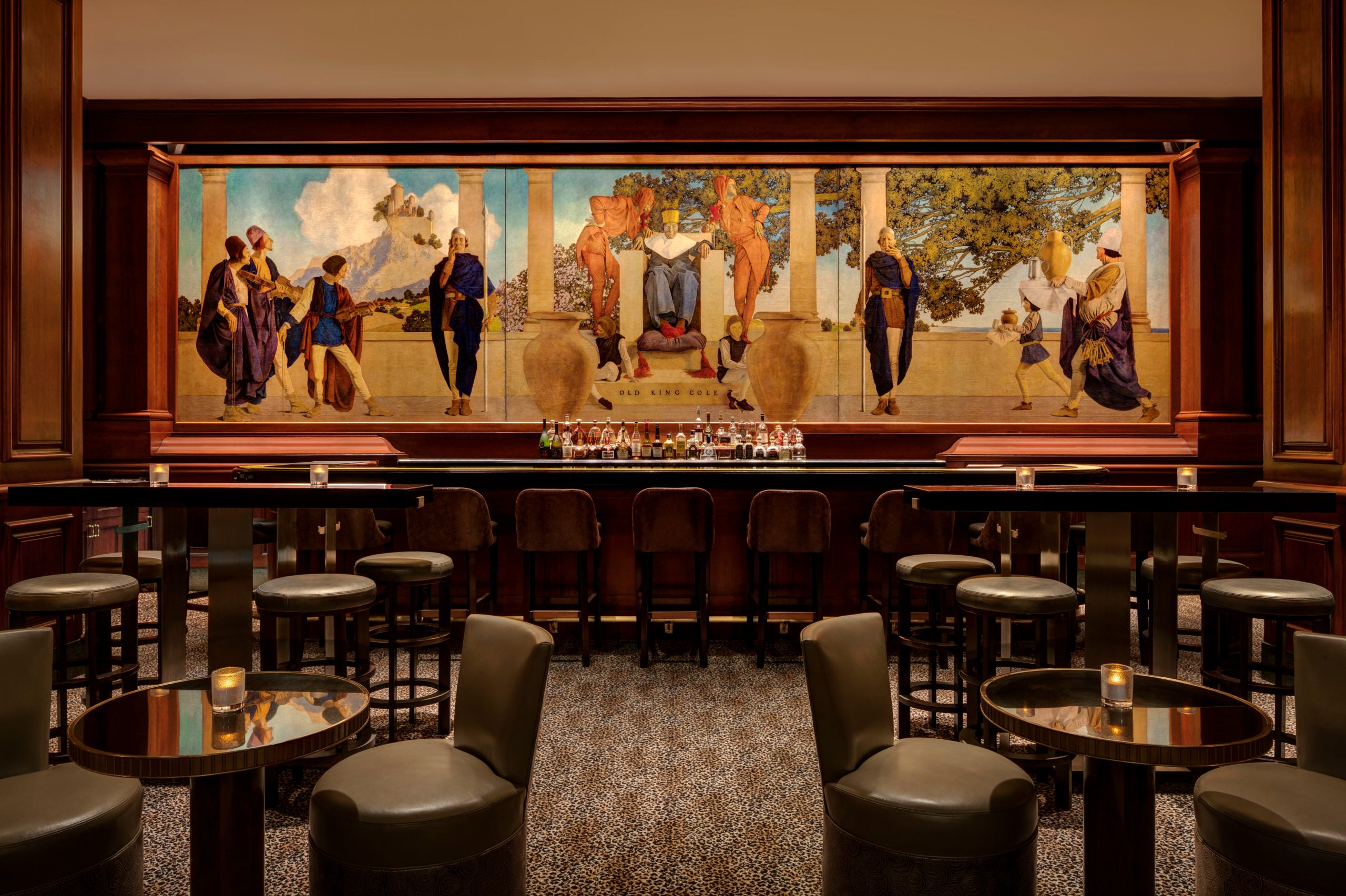
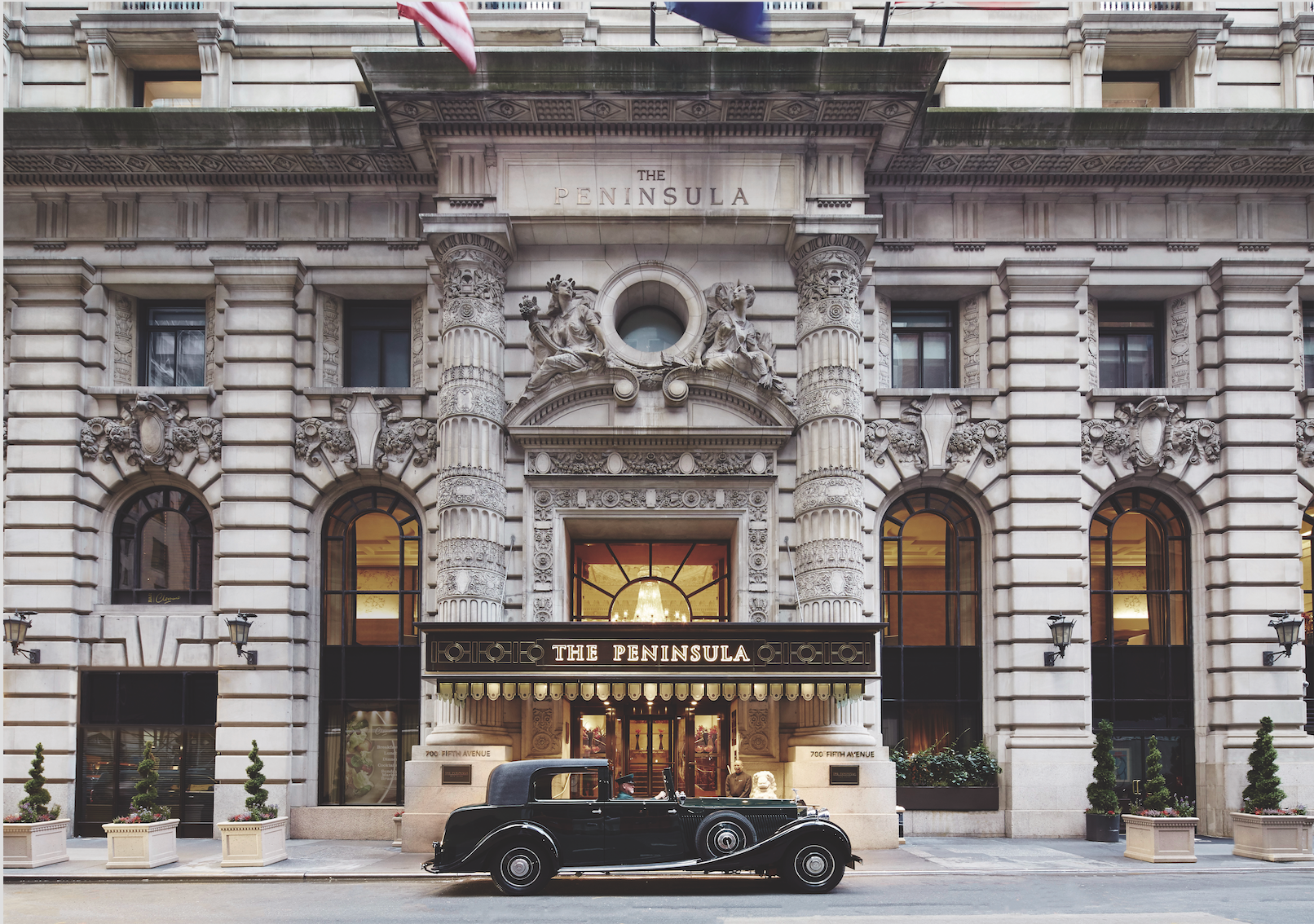
The history of luxury hospitality in New York is inextricably linked to the city’s economic ascent during the Gilded Age and the subsequent rise of the skyscraper. Institutions like The St. Regis, founded by John Jacob Astor IV in 1904, established the paradigm of butler service and ornate aesthetics that continue to influence the industry today. By the mid-20th century, the luxury hotel market had bifurcated between the grand, old-world dames of Fifth Avenue and the sleek, modernist glass towers that began to dominate the Midtown skyline.

In the 21st century, the definition of luxury has shifted significantly. Modern travelers, particularly those within the ultra-high-net-worth (UHNW) demographic, now prioritize "experiential luxury." This includes hyper-personalized wellness programs, sustainability-focused operations, and seamless integration with the local culinary scene. According to recent data from the American Hotel & Lodging Association (AHLA), the luxury segment in New York City has seen a 12% increase in average daily rates (ADR) since 2022, driven by a sustained demand for premium suites and exclusive services that offer a sanctuary from the frantic pace of Manhattan.

A Chronology of Iconic Openings and Renovations
To understand the current state of the city’s hotel market, one must examine the timeline of its most significant developments:
- 1904: The opening of The St. Regis New York sets the gold standard for Gilded Age luxury.
- 1930: The Pierre opens its doors, establishing the standard for residential-style luxury living overlooking Central Park.
- 1997: The opening of The Mercer marks the birth of the "boutique luxury" movement in Soho, moving the center of gravity away from Midtown.
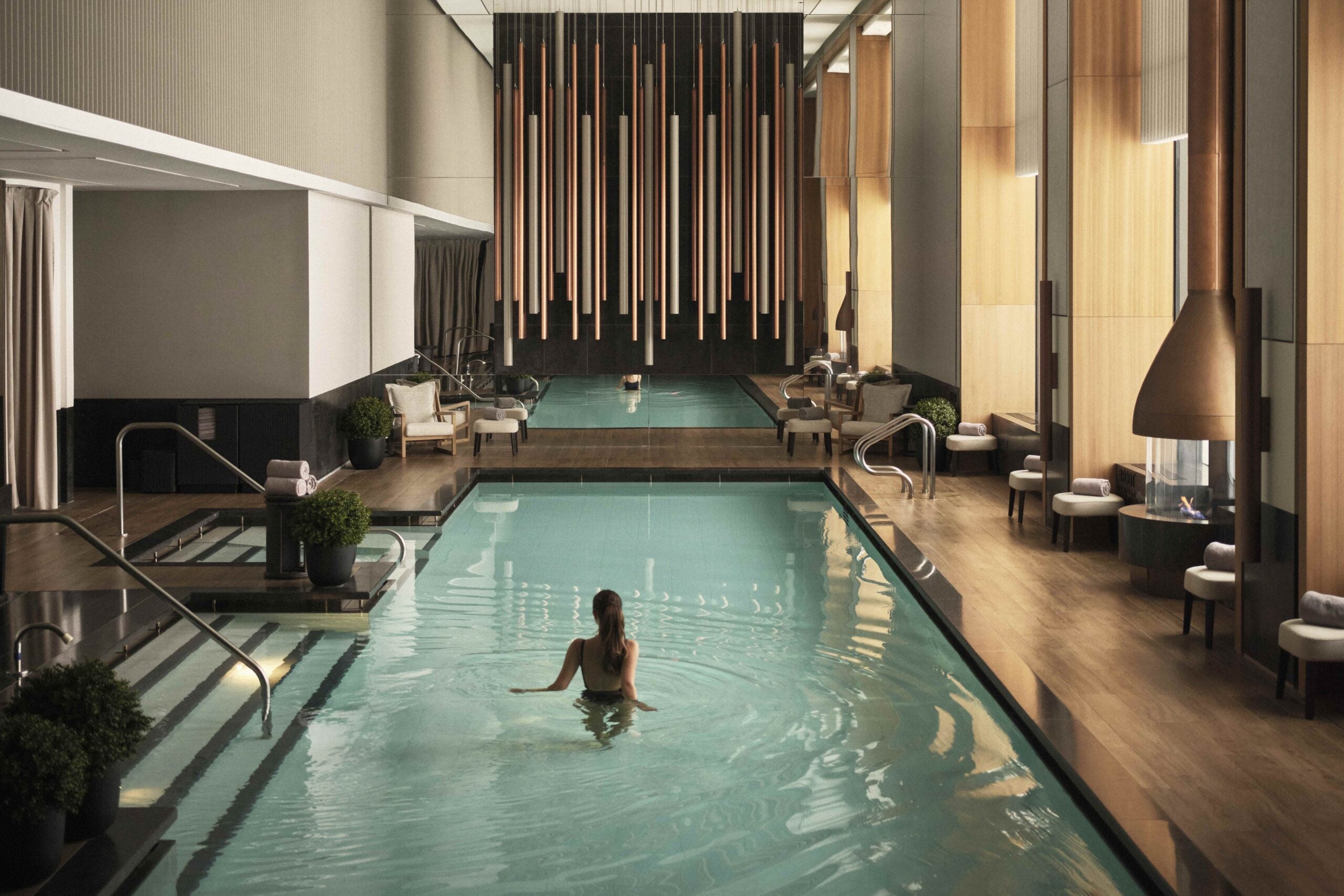
- 2010s: The "Vertical Resort" era begins, with hotels like The Aman New York and The Equinox Hotel prioritizing holistic wellness and private club membership models.
- 2023-2024: A period of massive reinvestment, as historic properties like The Waldorf Astoria and various heritage hotels conclude long-term, multi-billion-dollar restoration projects to restore their original architectural integrity while updating room technology.
Data-Driven Insights into the Luxury Sector
Market analysis indicates that the New York luxury hotel segment is uniquely resilient. Unlike broader market sectors, the ultra-luxury tier—defined by properties commanding upwards of $1,500 per night—has maintained occupancy rates exceeding 78% throughout the 2024 fiscal year.
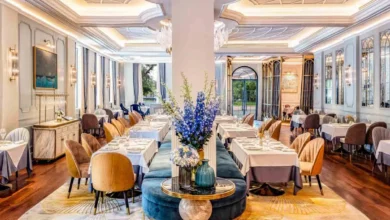
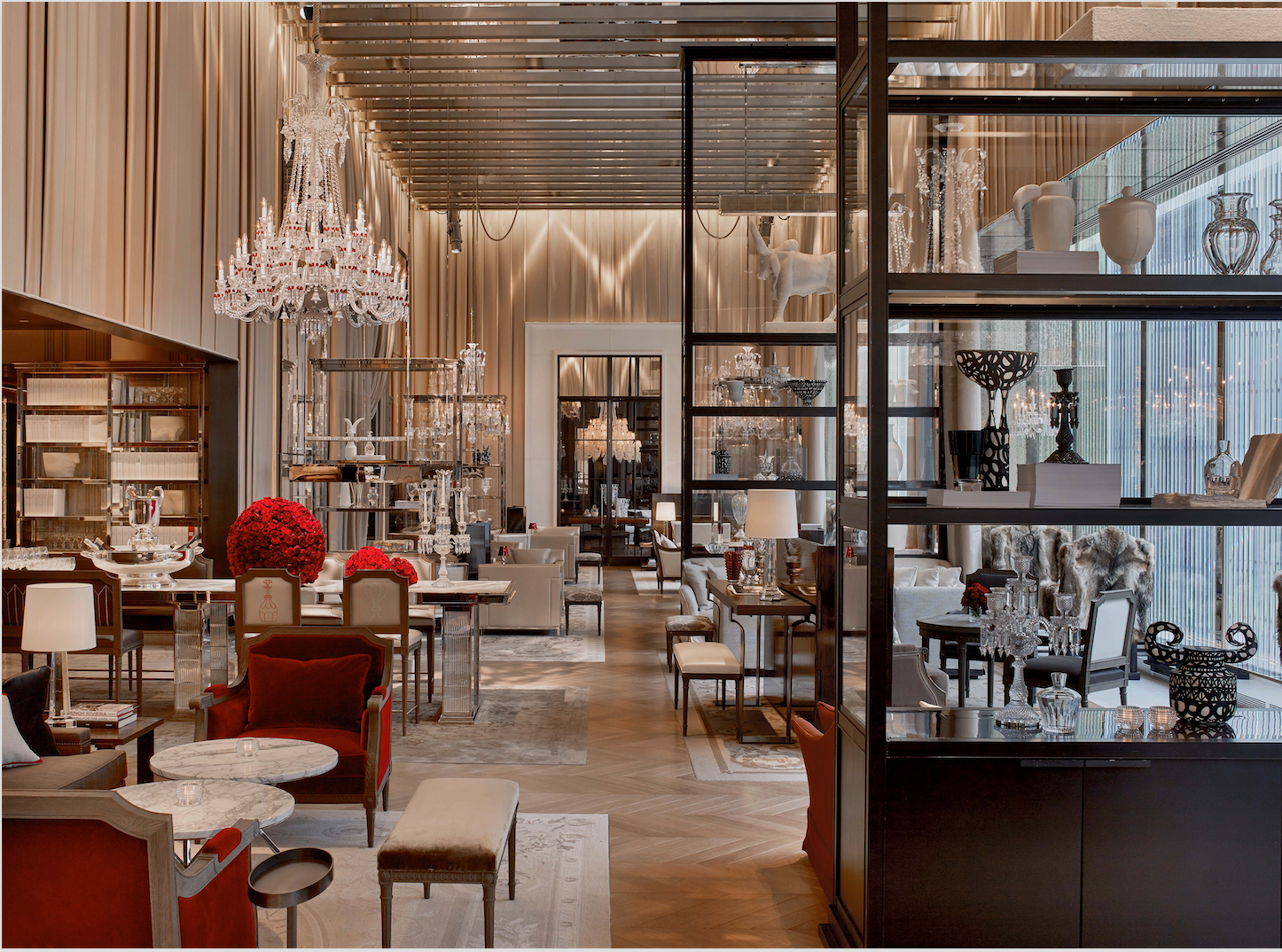
Furthermore, the integration of high-end dining has become a critical revenue driver. Properties that host Michelin-starred restaurants, such as The Baccarat Hotel or The Langham, report a 25% higher guest satisfaction score compared to properties that rely solely on conventional in-house dining. This correlation underscores the necessity for luxury hotels to position themselves not just as places to sleep, but as culinary destinations in their own right.

Expert Perspectives and Industry Standards
Industry analysts suggest that the current competition is forcing hotels to invest heavily in "human-centric" technology. While digital check-ins are standard, the luxury segment is moving toward AI-driven concierge services that anticipate guest needs before they are articulated.

"The modern luxury traveler is no longer impressed by gold leaf and chandeliers alone," notes a senior consultant for a global hospitality real estate firm. "The new currency of luxury is time and personalization. If a hotel cannot provide a frictionless experience from the moment a guest departs their private jet to the moment they walk into their suite, they lose the competitive advantage."
Official responses from the New York City Tourism + Conventions board emphasize that the diversity of the city’s hotel stock—ranging from the Beaux-Arts landmarks of the Upper East Side to the contemporary lofts of Tribeca—is its greatest asset. By maintaining this variety, the city caters to a spectrum of preferences, ensuring that New York remains the preferred destination for both international business leaders and the global elite.
Implications for the Future of Urban Hospitality
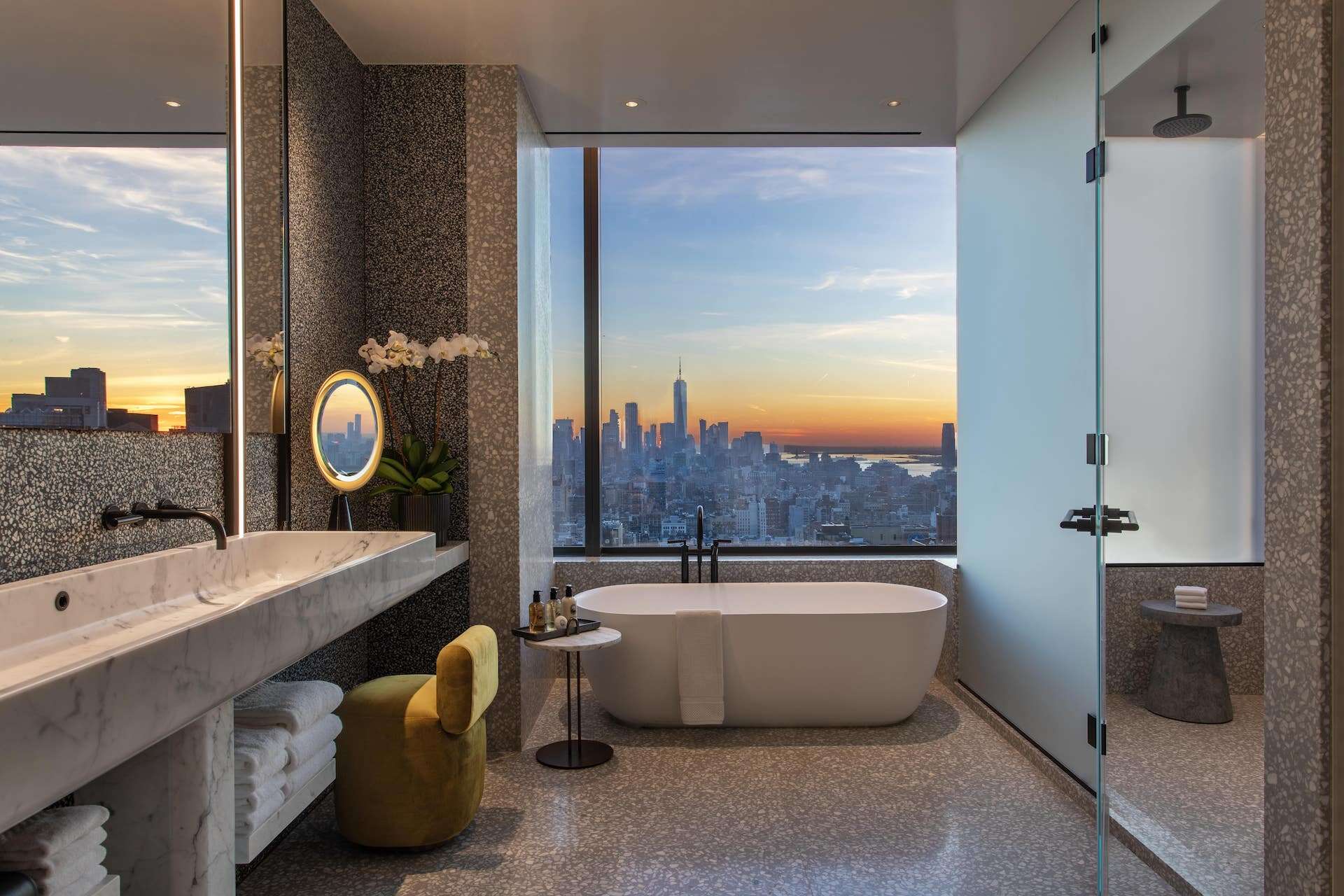
The implications of this competitive environment are profound. As land values in Manhattan continue to soar, the development of new luxury hotels is becoming increasingly difficult. Consequently, the industry is witnessing a trend toward "adaptive reuse," where historic office buildings or residential warehouses are converted into exclusive boutique hotels. This shift preserves the city’s architectural heritage while injecting new life into underutilized urban spaces.

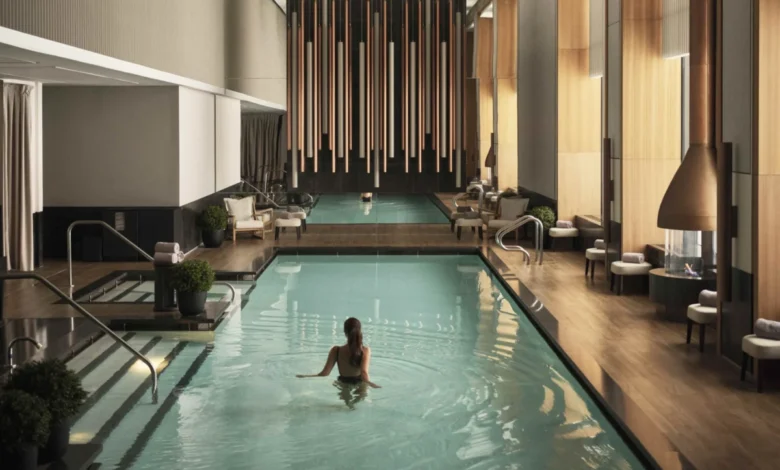
Moreover, the focus on wellness—specifically the rise of dedicated spa floors, circadian rhythm lighting, and bio-philic design—is no longer a trend but a requirement for the five-star rating. As guests become more health-conscious, the ability of a hotel to provide a "wellness-forward" environment, often involving partnerships with high-end fitness brands or medical-grade spa facilities, is the new benchmark for excellence.
Selecting the Right Sanctuary
When evaluating where to stay in New York, prospective guests should consider three primary pillars: proximity to key cultural assets, the nature of the on-site culinary program, and the availability of personalized service protocols. Whether one seeks the hushed, library-like atmosphere of an Upper East Side institution or the vibrant, art-centric energy of a downtown loft, the city provides an unmatched breadth of choice.

For those prioritizing proximity to the city’s artistic core, the hotels surrounding the Museum of Modern Art (MoMA) or the Metropolitan Museum of Art offer unparalleled access to world-class curation. Conversely, those seeking a base for gastronomic exploration often find that properties within a short radius of the city’s top-rated tasting menus provide the most seamless experience, often including priority reservation services and direct access to executive chefs.

Ultimately, the luxury hotel market in New York serves as a barometer for the city’s overall economic health. The continued investment in these properties, the rigorous attention to architectural detail, and the relentless pursuit of service perfection reflect the city’s own commitment to excellence. As New York continues to evolve, its hospitality sector remains a testament to the fact that while the city may be frenetic, it offers a level of curated tranquility that is simply not replicable elsewhere. Whether a visitor is arriving for a corporate summit, an art-focused retreat, or a culinary pilgrimage, the city’s best hotels stand ready to deliver an experience that defines the very meaning of the word "luxury."