The Grand America Hotel, a cornerstone of Salt Lake City’s hospitality sector, has established a distinctive niche by balancing high-end, European-inspired luxury with comprehensive amenities tailored to the family travel market. Located in the heart of Utah’s capital, the property is often associated with formal business travel and state-level diplomacy; however, recent operational shifts have demonstrated a robust commitment to accommodating multi-generational guests. By integrating specialized children’s programming, expanded culinary offerings, and versatile recreational facilities, the hotel provides a strategic model for luxury properties seeking to capture the growing "bleisure" (business and leisure) and family-vacation demographic.
Architectural Context and Property Background
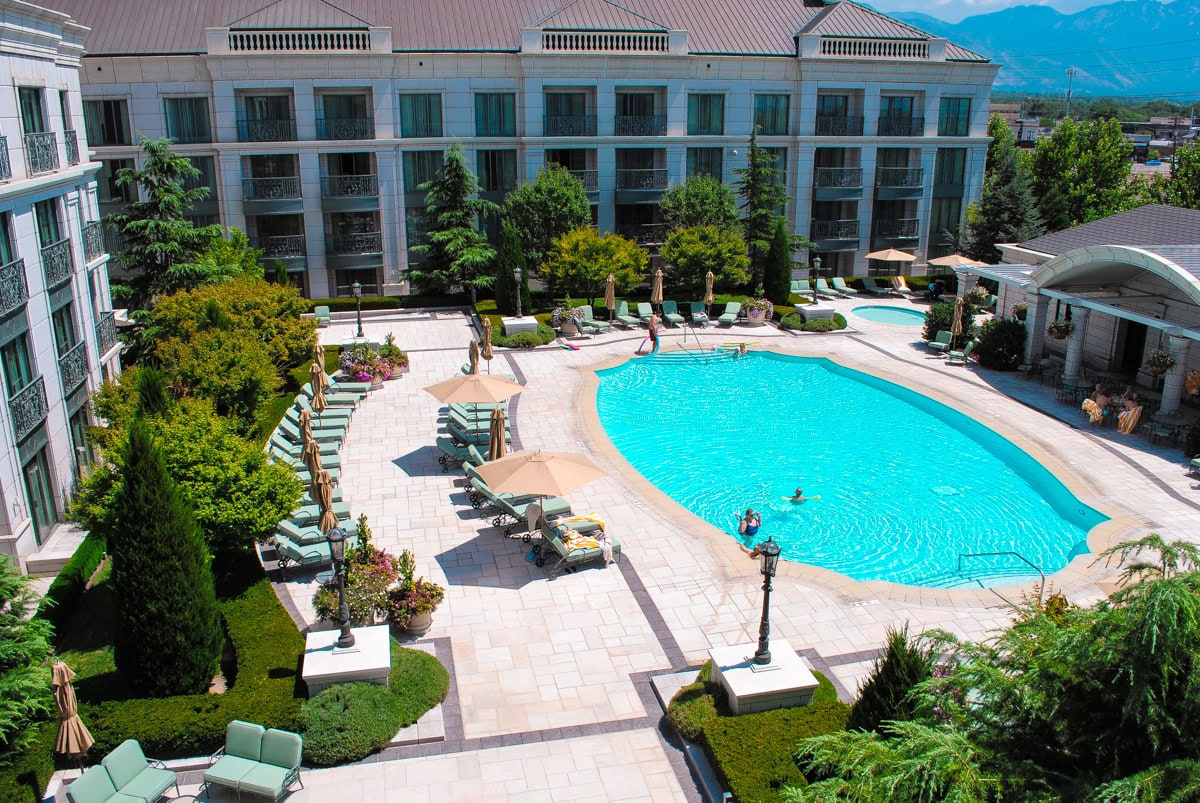
Commissioned by billionaire developer Earl Holding, The Grand America Hotel opened its doors in 2001 in anticipation of the 2002 Winter Olympic Games. The structure was designed to reflect the aesthetic of 19th-century European hotels, utilizing high-quality materials including white granite, copper roofing, and intricate masonry. Covering ten acres, the hotel serves as a focal point of Salt Lake City’s downtown landscape.
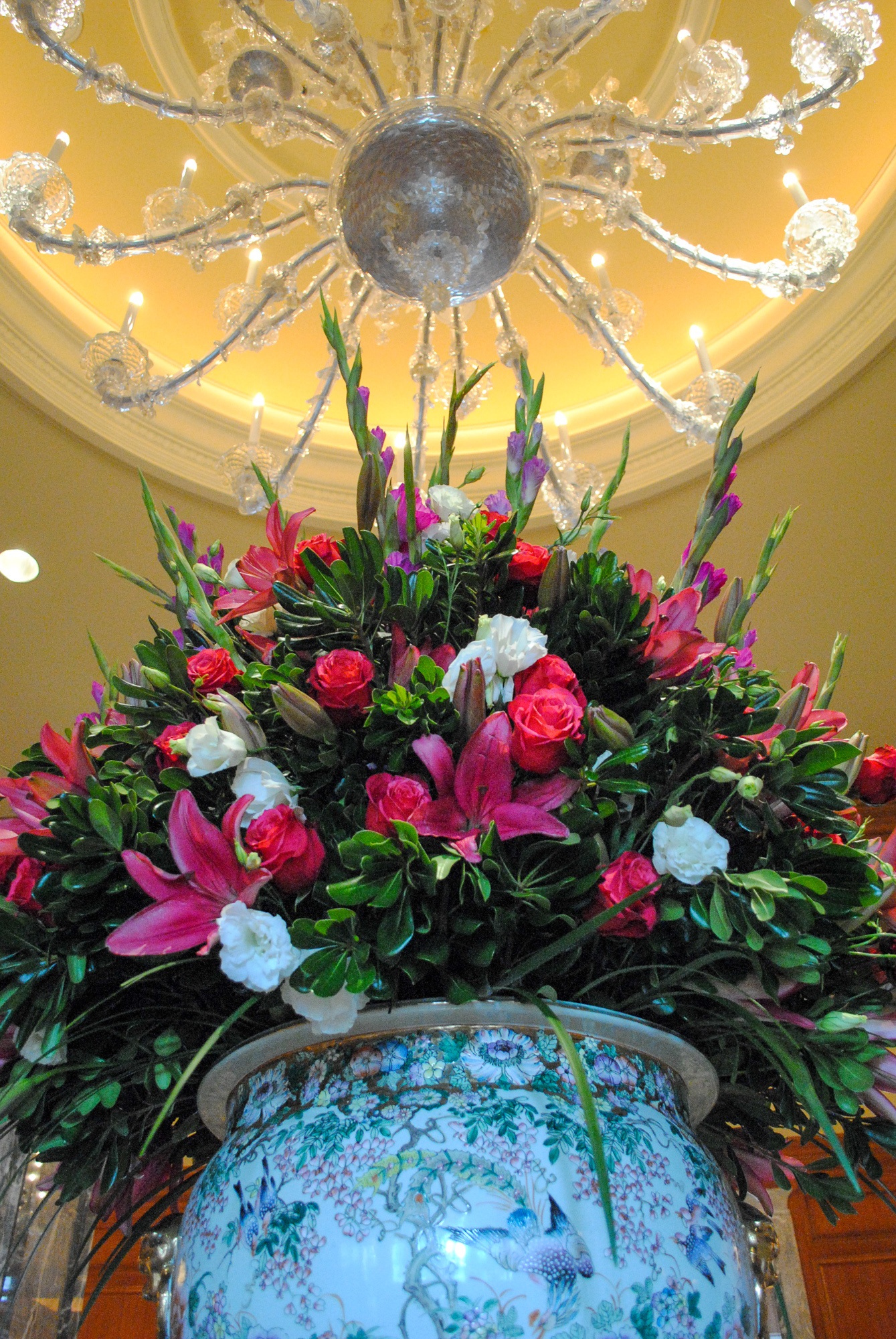
The property’s scale—comprising 775 guest rooms and suites—allows it to host large-scale international conferences while maintaining the intimacy of a resort. The building’s design, characterized by hand-blown glass chandeliers, fine wood paneling, and Italian-inspired textiles, was intended to project a level of opulence previously absent in the region’s hospitality market. In recent years, management has shifted its focus to ensure that this opulence does not translate into exclusion, specifically targeting families who seek a refined urban experience without the rigid atmosphere typically associated with five-star establishments.
Recreational Facilities: The Dual-Pool Strategy
A primary factor in the hotel’s appeal to families is its dual-pool infrastructure, which allows for seasonal flexibility and year-round utilization. The outdoor pool, situated within an enclosed courtyard, offers a controlled environment that mimics the architectural elegance of the hotel’s interior. Surrounded by manicured gardens and stone-tiled patios, the area is designed to mitigate urban noise, providing a resort-like atmosphere in the center of a metropolitan area.
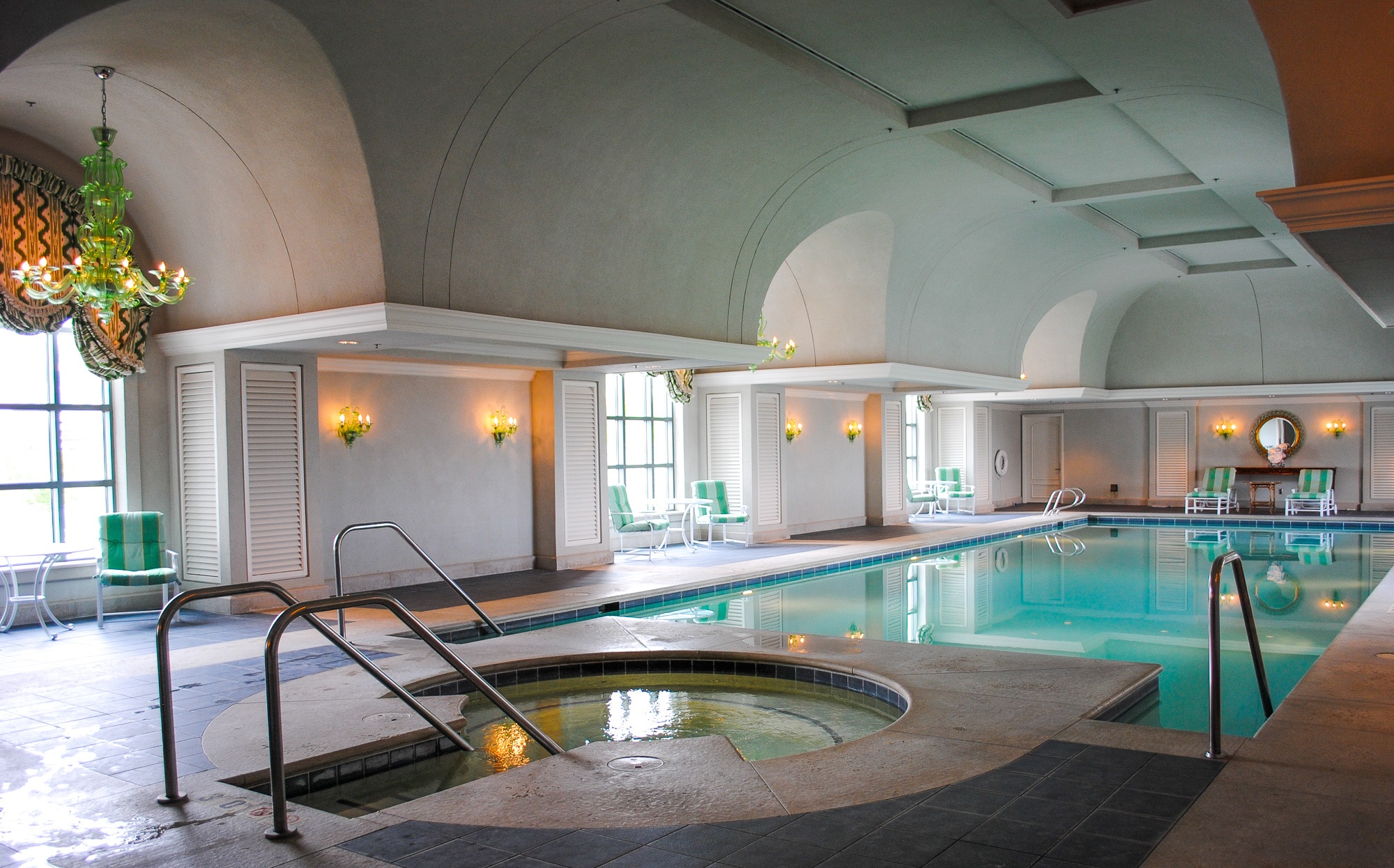
Complementing this is the indoor pool, located on the fourth floor within the Grand Spa and Salon facility. This indoor space is marked by high-end design elements, including custom Chihuly-style lighting fixtures, which serve as an artistic anchor for the space. By separating the outdoor, recreational-focused pool from the indoor, climate-controlled facility, the hotel effectively manages guest flow and provides a reliable amenity regardless of Utah’s significant seasonal weather fluctuations.
Culinary Integration and Family-Centric Dining
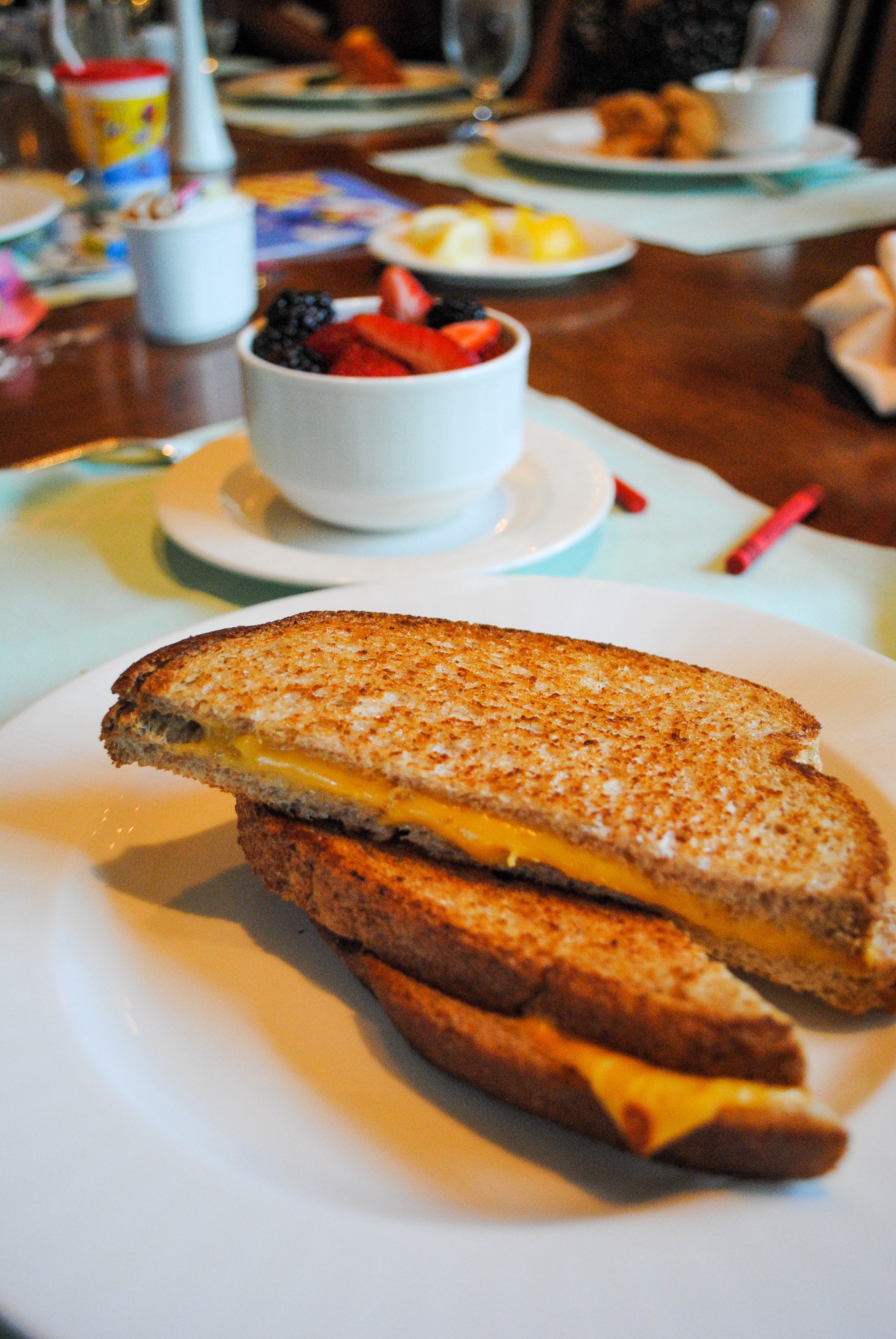
The culinary program at The Grand America is designed to cater to diverse demographics, with specific attention given to the needs of families. The Laurel Brasserie & Bar, a central component of the hotel’s dining strategy, employs a high-turnover model that balances upscale, seasonal menu items with accessible options for younger diners.
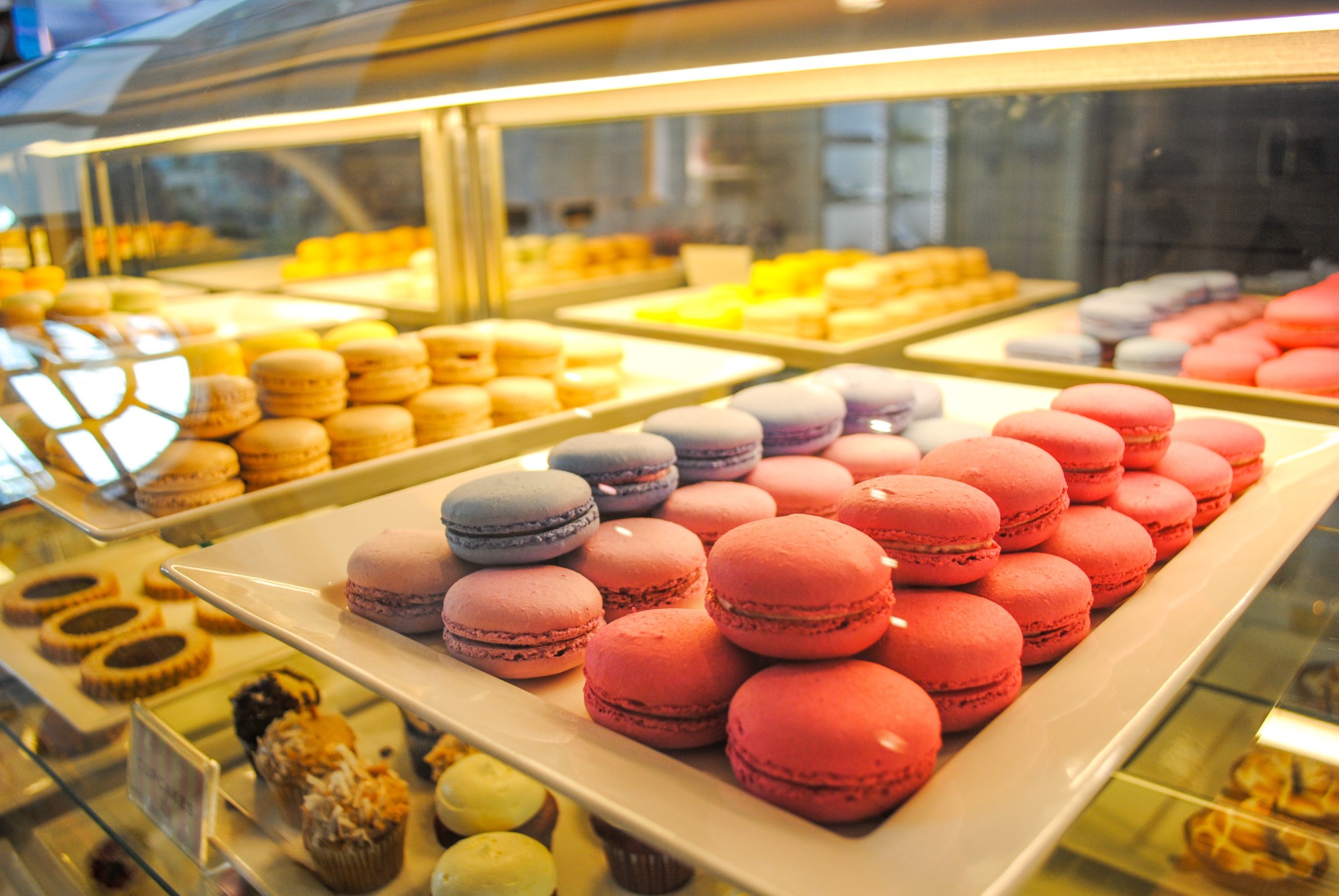
Data from industry analysts suggest that family-friendly hotel dining is a significant driver of guest retention. The hotel’s implementation of live-cooking stations and themed brunch events serves to reduce the friction often associated with dining out with children. Furthermore, the inclusion of the Bonne Vie cafe—a specialty bakery and confectionery—functions as a strategic amenity. By offering high-end patisserie, gelato, and chocolate products on-site, the hotel captures secondary spending while enhancing the guest experience for children. The integration of "Princess Tea" events and other character-driven dining experiences reflects a sophisticated understanding of experiential marketing, effectively turning standard hospitality services into memorable family events.
Operational Amenities for Traveling Families
The logistics of traveling with children—particularly infants and toddlers—often involve significant baggage requirements. The Grand America addresses this by maintaining a robust inventory of specialized equipment, including cribs, bottle warmers, and high chairs. This service-oriented approach reduces the logistical burden on parents, which is a key differentiator in the luxury hotel segment.
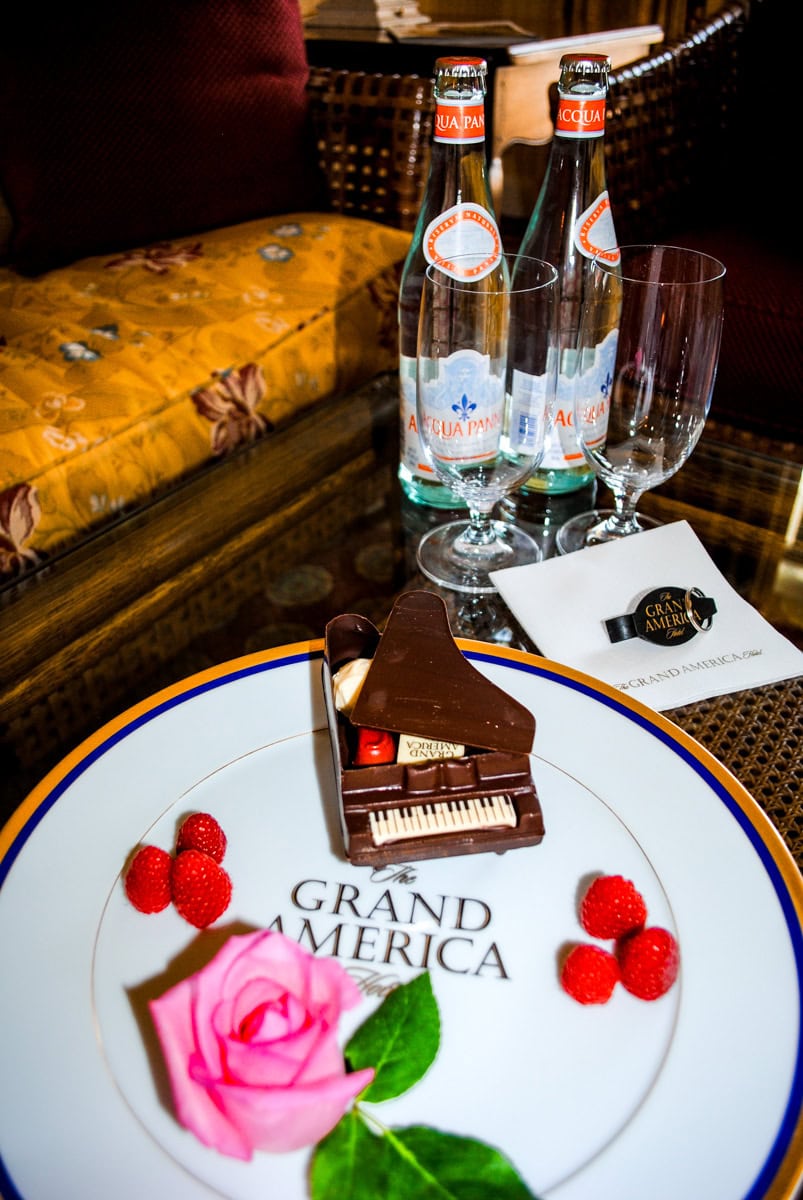
Furthermore, the hotel’s VIP amenity program, which includes offerings such as the signature "Chocolate Grand Piano," represents a move toward personalized guest services. These small-scale, high-impact offerings are intended to foster brand loyalty. By delivering custom treats directly to the room, the hotel creates a narrative of hospitality that extends beyond the lobby and into the private sphere of the guest suite.
Economic and Strategic Implications
The decision to market aggressively toward families has significant economic implications for the hotel. While business travelers and government officials remain the primary revenue drivers during the work week, the weekend leisure segment—specifically regional travelers from the Intermountain West—provides essential occupancy stability.
Industry analysis indicates that luxury properties that fail to adapt to the family segment risk declining occupancy rates as modern travelers increasingly prioritize properties that offer convenience for all family members. The Grand America’s pricing structure, which is often competitive when benchmarked against properties of similar quality in major coastal cities, suggests a strategy of volume-based luxury. By keeping the price point accessible relative to the level of service, the hotel ensures a consistent influx of visitors, which in turn supports the high maintenance costs associated with such a large, material-intensive property.
Future Outlook and Regional Tourism
The broader context of this hospitality model is tied to the growth of Salt Lake City as a premier travel destination. With the expansion of Salt Lake City International Airport and the city’s continued development as a hub for both tech-sector business and outdoor recreation, hotels like The Grand America are positioned to benefit from increased tourism volume.
The synergy between downtown urban experiences and the proximity to outdoor recreation, such as the ski resorts in Park City (approximately 40 minutes away), creates a compelling case for extended stays. Families can utilize the hotel as a base for urban exploration—visiting museums, local retail, and historical sites—while having easy access to world-class outdoor activities. This "best of both worlds" positioning is essential for long-term growth in the regional tourism sector.
In conclusion, The Grand America Hotel has effectively navigated the challenge of reconciling luxury standards with the practical, often chaotic, reality of family travel. Through careful management of its physical space, a diverse and accessible culinary program, and a commitment to logistics-heavy support for parents, the property has successfully transformed itself into a versatile anchor for the Salt Lake City tourism economy. As the industry continues to evolve, the ability to serve both the corporate elite and the multi-generational family unit will remain a primary indicator of a hotel’s operational resilience and market relevance.