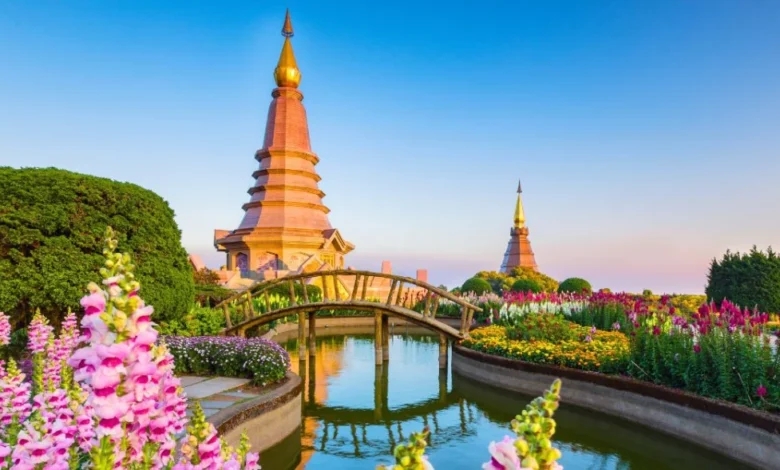
Thailand remains one of the world’s premier tourism destinations, welcoming millions of international visitors annually to experience its rich cultural heritage, dynamic urban centers, and diverse natural ecosystems. From the centuries-old Buddhist temples of Chiang Mai and Bangkok to the towering limestone karst formations of the southern islands and the dense rainforests of the interior, the Southeast Asian nation offers a unique blend of historical significance and biodiversity. However, managing the logistics of traversing such a geographically and culturally diverse country requires careful strategic planning to balance a full itinerary with comfort and sustainable travel practices.
Strategic Timing and Seasonal Considerations
Understanding Thailand’s regional weather patterns is critical for optimizing comfort and ensuring safe, reliable travel conditions. The country generally experiences three distinct seasons: the hot season from March to May, the rainy monsoon season from June to October, and the cooler, drier period from November to February. Tourism boards and travel industry analysts consistently recommend the November-to-February window as the optimal timeframe for international visitors. During these months, lower humidity levels and moderate temperatures create ideal conditions for outdoor sightseeing, wildlife trekking, and coastal exploration.

Beyond seasonal weather patterns, travel analysts emphasize the value of "slow travel." Trying to navigate multiple regions within a compressed timeframe often leads to logistical fatigue, diminishing the quality of the holiday. By limiting an itinerary to one or two primary regions, travelers can immerse themselves in local neighborhoods, support regional economies, and minimize their carbon footprint. Slow travel affords visitors the opportunity to engage authentically with communities, discovering regional markets, independent cafes, and lesser-known historical sites far removed from mass tourism corridors.
Delegating Logistics to Specialized Tour Operators
The complexity of orchestrating multi-destination itineraries—involving international and domestic flights, boutique accommodations, authorized park guides, and specialized transit—frequently overwhelms independent planners. In response to this demand, the luxury and experiential travel sectors have seen a significant rise in bespoke tour curation. High-end agencies, such as Black Tomato, specialize in designing tailored itineraries that streamline logistics while providing deep contextual insights into Thai culture.
By utilizing established travel specialists, tourists can mitigate common pain points such as language barriers, booking discrepancies, and transit delays. Furthermore, reputable agencies often maintain direct partnerships with sustainable lodging providers and community-based tourism initiatives. This ensures that a traveler’s economic footprint directly benefits local populations while upholding rigorous standards of comfort and service reliability.

Navigating the Kingdom via Multi-Modal Transport Networks
Choosing the appropriate mode of transportation is a defining factor in maintaining comfort throughout a Thai journey. Thailand’s infrastructure offers a diverse array of transit options suited to different travel styles and geographical distances. Domestic airlines provide cost-effective and time-efficient connectivity between major hubs such as Bangkok, Chiang Mai, Phuket, and Koh Samui, significantly reducing travel hours for long-distance journeys.
For travelers seeking a more contemplative and scenic pace, Thailand’s historic railway network offers a compelling alternative. Rail travel through the central plains and northern provinces grants passengers a panoramic view of rural agriculture and pastoral landscapes. Within dense urban centers like Bangkok, smartphone-based ride-hailing applications have transformed local mobility. These platforms eliminate the friction of fare negotiations and language barriers, providing transparent pricing and reliable routes. For families and groups undertaking longer overland journeys, pre-booked private transfers remain the premier choice for minimizing stress and maximizing physical comfort.
Selecting Centrally Located and Sustainable Accommodations

The choice of lodging profoundly influences both the efficiency and the overall quality of a holiday in Thailand. Industry experts recommend prioritizing properties that offer strategic central locations, reducing daily transit times to primary cultural and historical landmarks. Beyond mere geographical convenience, contemporary travel standards place significant emphasis on environmental stewardship and corporate social responsibility.
Travelers are increasingly evaluating hotels and resorts based on their sustainability credentials, including waste reduction initiatives, energy conservation practices, and community engagement programs. Reviewing independent assessments from established travel publications can help consumers differentiate between genuine sustainability efforts and superficial marketing. Accommodations that successfully integrate architectural beauty, high culinary standards, and eco-friendly operations contribute significantly to a restorative and responsible travel experience.
Cultural Literacy and Cross-Cultural Etiquette
A successful journey through Thailand relies heavily on an understanding of local customs, religious traditions, and social norms. Thailand is a constitutional monarchy with a deeply Buddhist cultural foundation, where reverence for the monarchy and monastic institutions is strictly observed by citizens and enforced through social expectation and legal frameworks.

Visitors are advised to familiarize themselves with basic etiquette before arrival. Essential protocols include removing footwear when entering Buddhist temples or traditional residential spaces, dressing modestly—with shoulders and knees covered—when visiting sacred sites, and displaying appropriate public decorum. Additionally, acquiring a foundational vocabulary of polite Thai phrases facilitates warmer interactions with residents, breaking down cultural barriers and fostering mutual respect.
Key Ecological and Conservation Destinations
For nature enthusiasts and wildlife advocates, Thailand offers world-class protected areas that showcase the nation’s commitment to biodiversity conservation. Integrating these ecological sanctuaries into an itinerary provides a deeper appreciation of Southeast Asia’s fragile natural heritage.
Khao Yai National Park

Established in 1962 as Thailand’s first national park, Khao Yai spans approximately 2,168 square kilometers across the Sankamphaeng Mountain Range. Recognized globally as part of the UNESCO-listed Dong Phayayen-Khao Yai Forest Complex, the park features expansive grasslands and tropical moist evergreen forests that frequently draw comparisons to African safaris.
Khao Yai serves as a crucial habitat for a diverse array of fauna, including a wild population of Asian elephants, barking deer, gibbons, and hundreds of bird species. The park authority strictly regulates visitor access to preserve ecological integrity, offering guided daytime treks and specialized night-safari vehicles to observe nocturnal wildlife without disrupting natural behaviors. Conservation biologists emphasize that visiting Khao Yai through authorized park guides ensures minimal human impact on vulnerable and endangered species residing within the protected zones.
Ang Thong Marine National Park
Situated in the Gulf of Thailand near Koh Samui, Ang Thong Marine National Park is a pristine archipelago comprising 42 limestone islands. Spanning more than 100 square kilometers of combined land and marine environments, the park is characterized by towering karst cliffs, secluded emerald lagoons, hidden caves, and undisturbed white-sand beaches.

Accessible via authorized speedboats or traditional long-tail boats from Koh Samui, Ang Thong offers visitors opportunities for snorkeling, sea kayaking, and guided hiking. The park management maintains strict environmental guidelines to protect coral reef ecosystems and marine life. Overnight accommodations are limited to basic park-operated bungalows and designated campsites on the main island of Ko Wua Talap, ensuring that human presence remains low-impact and carefully managed.
Gibbon Rehabilitation Project in Phuket
Located within the Khao Phra Thaeo National Park in northern Phuket, the Gibbon Rehabilitation Project represents a vital grassroots conservation effort established in 1992. Designed to address the illegal wildlife trade and habitat destruction, the project rescues captive and orphaned gibbons—small, tailless primates native to the rainforests of Southeast Asia.
Many young gibbons are orphaned by poachers to be exploited as tourist props in coastal resort areas. The rehabilitation center focuses on medical treatment, psychological recovery, and gradual reintroduction into protected forest habitats. While the educational center remains open to the public daily to raise awareness about wildlife trafficking, the quarantine and release sites maintain strict no-visitor policies to prevent human habituation among animals slated for return to the wild. Through supporting such conservation initiatives, travelers contribute directly to the preservation of Thailand’s irreplaceable natural legacy.