The Evolution of Family Travel: How Age and Stage Redefine the Modern Vacation Experience

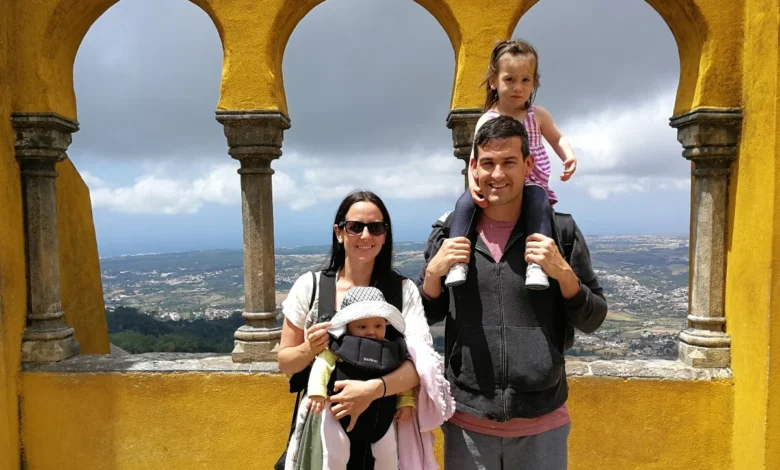
The landscape of the global family travel market is undergoing a profound transformation as parents increasingly shift their focus from mere destination selection to the strategic management of life stages and age-specific requirements. For decades, the travel industry viewed "family travel" as a monolithic category, but contemporary data and anecdotal evidence from leading travel consultancies suggest that a family’s needs evolve in a predictable yet complex chronology. What begins as a quest for "mission control" during the toddler years eventually matures into a pursuit of shared intellectual connection and autonomy as children transition into adulthood.
According to data from the Family Travel Association, nearly 85% of parents state that their travel decisions are heavily influenced by the specific developmental stages of their children. This evolution is perhaps best illustrated by the experiences of long-term travelers like Beth Gassel, a client of the luxury travel firm Ciao Bambino. Gassel’s two-decade journey highlights a common trajectory: initial trips focused on "walkable neighborhoods" and "boutique hotels" were quickly supplanted by a need for "relaxed mornings" and "nap schedules" upon the arrival of her first child. Today, with three children ranging in age, the checklist has shifted again, prioritizing separate spaces to accommodate the diverging sleep schedules of teenagers and parents.

The Chronology of Developmental Travel
The maturation of a family’s travel style generally follows four distinct phases, each requiring a unique approach to logistics, accommodation, and itinerary pacing.
Phase I: The Logistics of Infancy and Early Childhood (Ages 0-4)
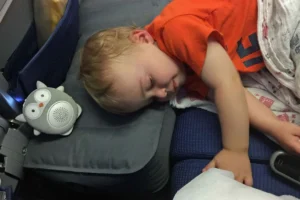
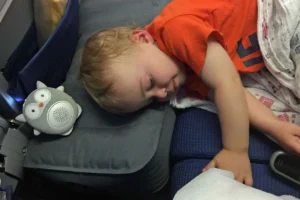
In the earliest stage of family expansion, the primary objective is often described as "parenting in a prettier location." For parents of infants and toddlers, the success of a trip is measured by the mitigation of "the schlep factor"—the physical and mental burden of transporting essential gear. Industry experts note a significant rise in the "gear-as-a-service" sector, where high-end resorts and third-party vendors provide cribs, strollers, and bottle warmers on-site to reduce the logistical strain on parents.
Kate Eden Renyi, who works with travel advisor Kristen Avini, emphasizes that "staying put" is the most effective strategy for this demographic. Rather than attempting a multi-city tour, families in this stage find greater value in a single home base or a resort with robust internal amenities. This approach prioritizes routine and comfort, allowing parents to manage jet lag and sleep schedules without the added stress of frequent transit.
Phase II: The Age of Discovery and Play (Ages 5-10)
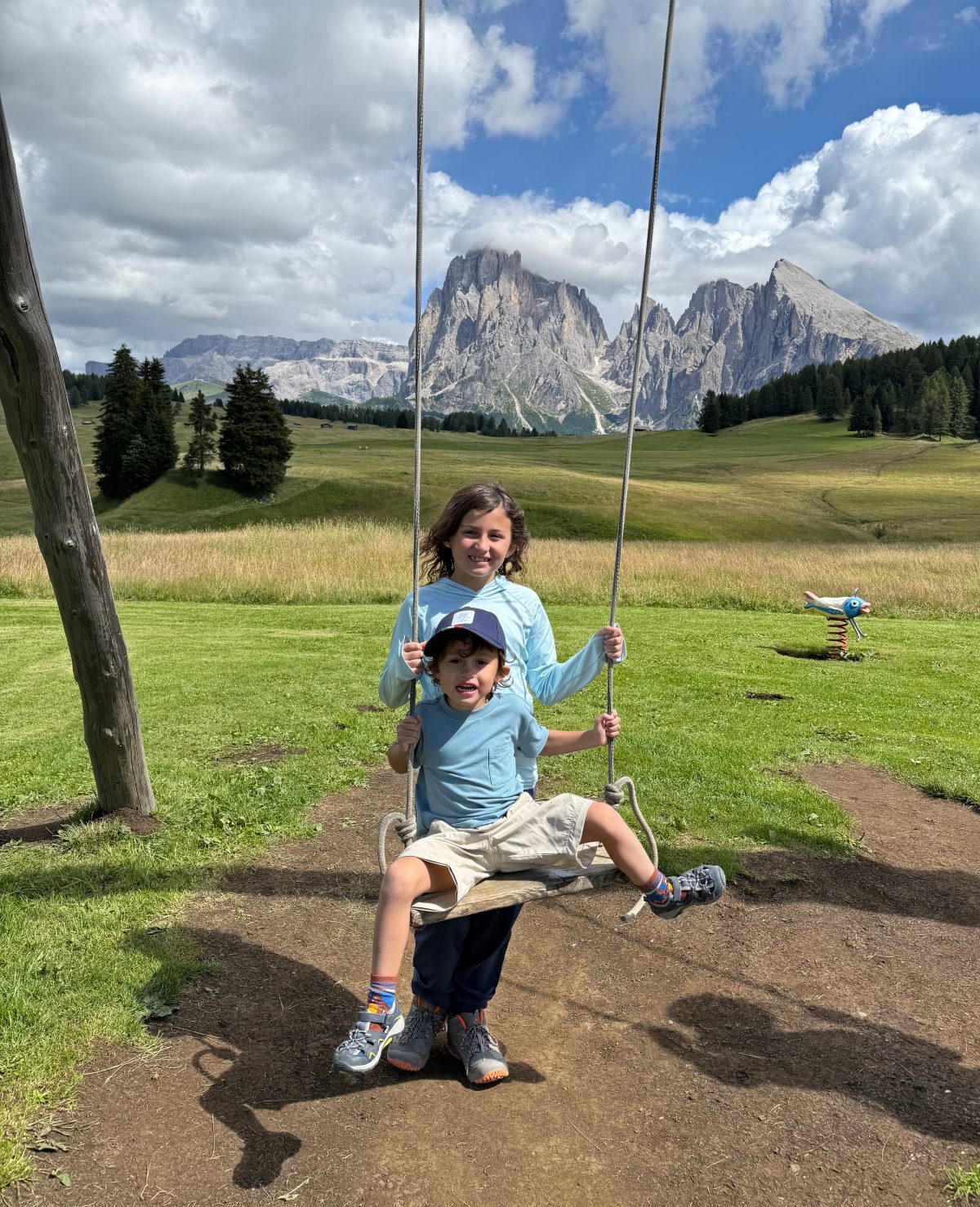
As children outgrow the physical constraints of strollers, the geographic scope of family travel expands. This "middle childhood" phase is characterized by intense curiosity and a newfound ability to handle more complex itineraries. However, advisors warn against over-programming. Angela Espinosa, a client of Ciao Bambino, notes that while children this age are capable of international travel, they often lack the historical or cultural context to appreciate traditional sightseeing for extended periods.
The strategic solution for this age group is a balanced cadence. Beth Gassel identifies a "four-night per city" rule as the optimal rhythm for school-aged children—enough time to settle in and explore without the fatigue of constant relocation. At this stage, the focus shifts toward "hands-on" learning, where interactive experiences, such as local art workshops or nature-based excursions, take precedence over passive observation.
Phase III: The Quest for Autonomy and Engagement (Ages 11-17)
The transition into the teenage years marks a pivotal shift in the family dynamic. The travel objective moves from "entertaining" the child to "including" them in the decision-making process. For tweens and teens, a sense of agency is critical to the success of the vacation. This stage often involves incorporating high-interest activities—such as surfing, mountain biking, or food market tours—that align with their burgeoning identities.
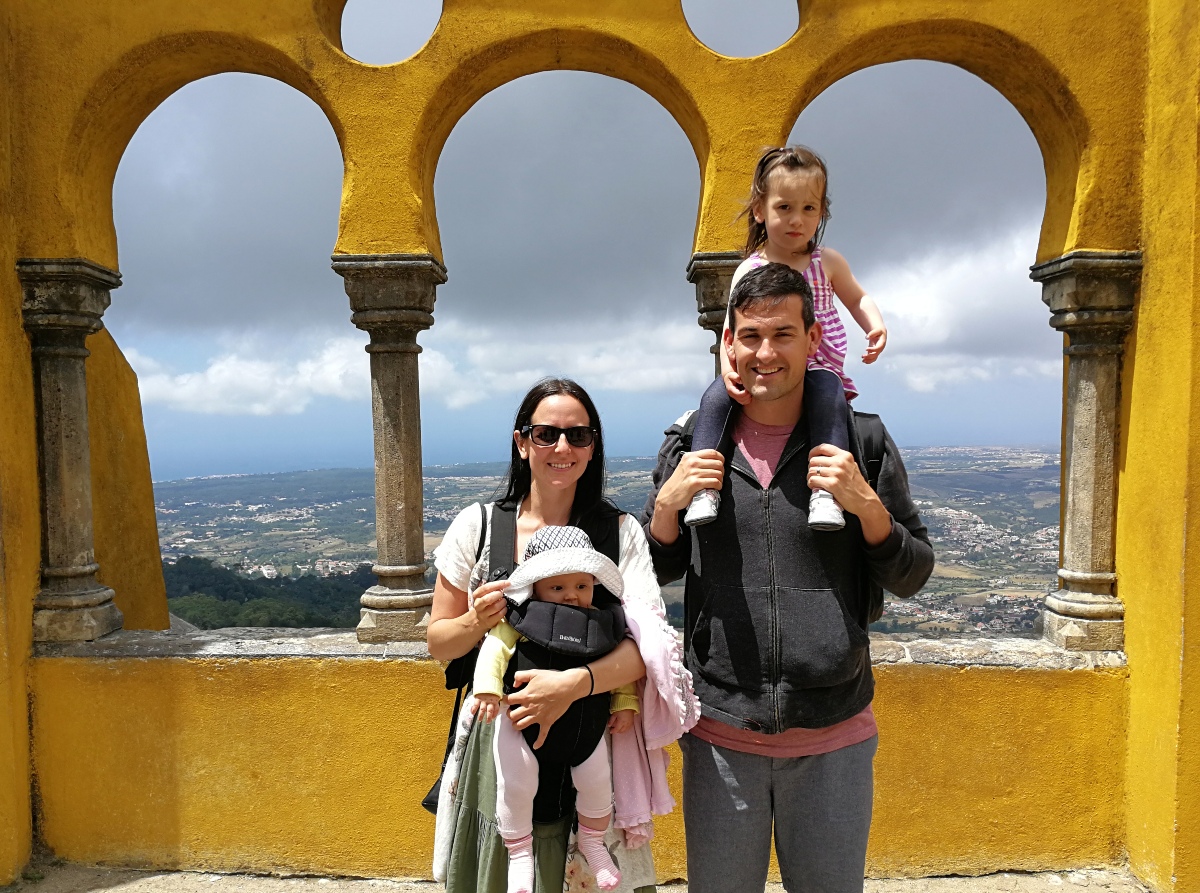
Educational engagement also takes on a more sophisticated form. Expert guides who can weave storytelling and history into a compelling narrative are essential. Advisor-led tours in historic hubs like Athens or Rome are now frequently tailored to capture the attention of digital-native teenagers who demand more than a standard lecture. Furthermore, the physical layout of accommodations becomes a priority, as teenagers require independent space and parents seek proximity to local cafes and shops where older children can safely explore on their own.
Phase IV: The Adult Connection and Multi-Generational Coordination (Ages 18+)
When children reach young adulthood, the parent-child relationship evolves into a peer-like partnership. Travel at this stage is less about "showing" the world to one’s children and more about "experiencing" it with them. These trips are often centered around high-value shared experiences: gourmet dining, bucket-list adventures, or specialized cultural immersions, such as a fashion-history tour of Paris.
However, the logistics of this phase are often the most complex. Families must coordinate around university schedules, career commitments, and potentially the needs of a third generation. Multi-generational travel (or "3G" travel) has seen a 25% increase in demand over the last five years, according to industry reports. This requires travel advisors to act as project managers, ensuring that itineraries remain accessible for aging grandparents while staying vibrant enough for young adults.

Supporting Data and Market Analysis
The shift toward stage-specific travel is reflected in the broader economic data of the hospitality industry. A 2023 report by Grand View Research valued the global family travel market at approximately $228 billion, with a projected compound annual growth rate (CAGR) of 4.6% through 2030. This growth is driven largely by the "experiential travel" trend, where families prioritize meaningful memories over material luxury.
| Age Group | Primary Priority | Recommended Pace | Key Amenity |
|---|---|---|---|
| 0-4 Years | Routine & Comfort | Slow (7+ days in one spot) | In-room baby gear |
| 5-10 Years | Play & Discovery | Moderate (4 nights per stop) | Pools/Outdoor space |
| 11-17 Years | Autonomy & Learning | Active (3-4 nights per stop) | High-speed Wi-Fi/Separate bedrooms |
| 18+ Years | Connection & Cuisine | Varied (Interest-based) | Fine dining/Group activities |
Industry analysts point out that the "return on investment" for family travel is no longer calculated in miles traveled, but in the strength of the familial bond. The rise of private, customized tours—as opposed to group excursions—allows families to maintain their own rhythm, which is a critical factor in preventing the "vacation burnout" often associated with traveling with children.
Expert Responses and Strategic Planning
Professional travel advisors have become the architects of these evolving family stories. Lynda Zuber of Ciao Bambino notes that the value of an advisor lies in their ability to anticipate the friction points of each stage. Whether it is sourcing a rental car with the correct child seat in a foreign country or finding a hotel in a neighborhood safe enough for a 16-year-old to walk to a bakery alone, these details are what transform a trip from a logistical challenge into a seamless experience.
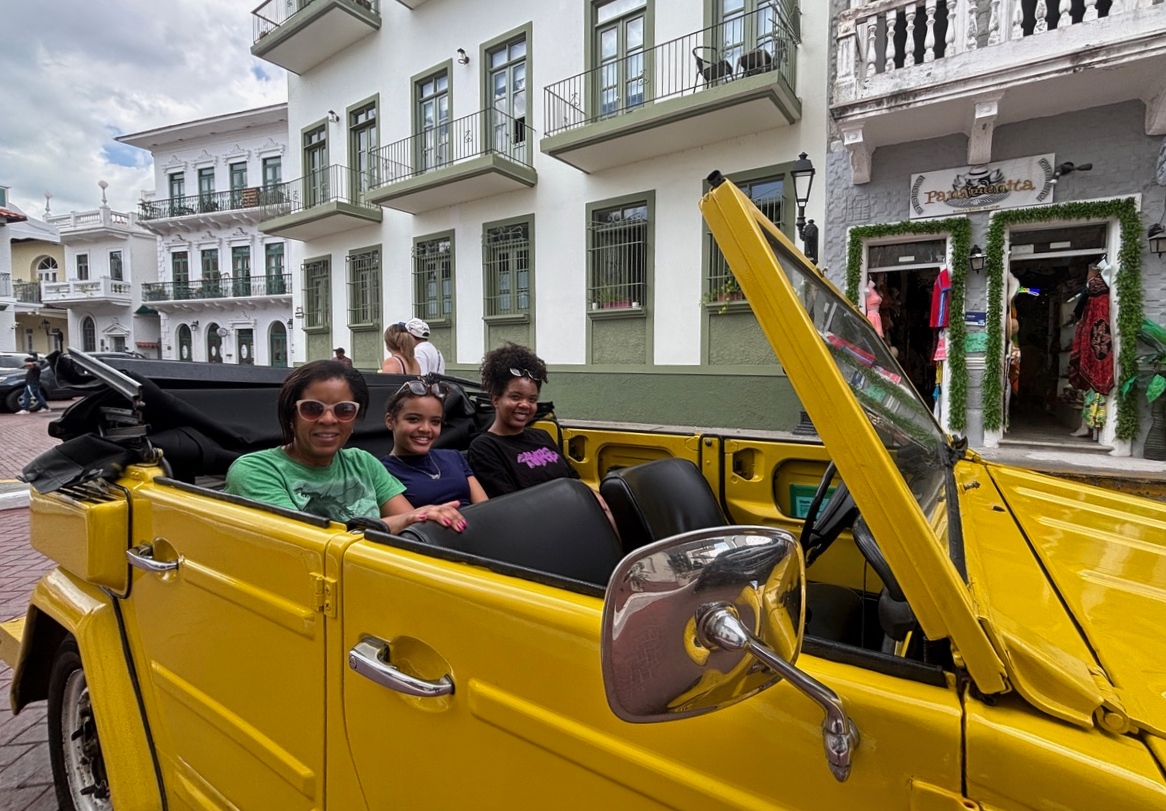
"The goal is to spend less time managing logistics and more time enjoying one another," Zuber explains. This sentiment is echoed by clients who credit professional planning with the ability to navigate the "messy middle" of family life while on the road. The inclusion of private guides, such as the archaeologist Alex in Athens or a Louis Vuitton historian in Paris, ensures that the educational aspect of travel remains engaging rather than a chore.
Broader Impact and Long-term Implications
The long-term impact of stage-appropriate travel extends beyond the duration of the trip itself. Psychologists suggest that shared travel experiences contribute significantly to a child’s "autobiographical memory," helping to form a cohesive family narrative. By adjusting the pace and focus of vacations to match a child’s development, parents are able to create a "scaffolded" global education—introducing the world in manageable, age-appropriate increments.
Furthermore, as the world becomes increasingly digital, these physical journeys serve as a vital counterweight, offering "unplugged" time that is essential for emotional health. For families like the Gassels, the Renyis, and the Espinosas, travel has become the constant throughline of their lives. While the gear has changed—from strollers to backpacks to passports—the underlying motivation remains the same: the creation of a shared history that will be recounted at family dinner tables for decades to come.

As the industry continues to adapt, the focus will likely remain on personalization. The future of family travel lies in the recognition that a family is not a static entity, but a living, breathing group that grows, learns, and requires a different kind of "mission control" at every turn. In the end, the best family vacations are those that grow alongside the family they serve, ensuring that the story of their travels is as dynamic as the children themselves.
Related posts: