Major League Baseball and Capital One Expand Premium Seating Access for Miles Redemptions Across All Thirty Ballparks

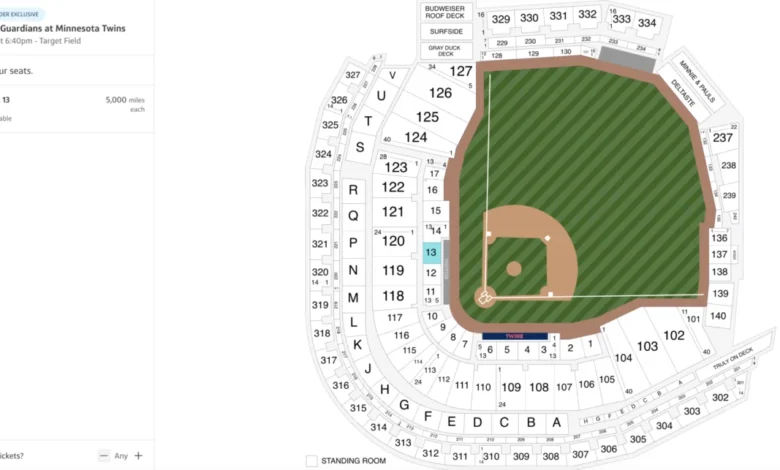
The intersection of financial services and professional sports has reached a new milestone as Capital One Financial Corporation continues to leverage its multi-year partnership with Major League Baseball (MLB) to provide significant value to its credit card customers. In a recent update to its digital rewards ecosystem, the bank has released a new inventory of premium, lower-level tickets for games across the United States, available for a flat redemption rate of 5,000 Capital One miles. This offering, accessible through the Capital One Entertainment portal, represents one of the most aggressive value propositions in the loyalty program industry, specifically targeting sports enthusiasts who hold premium travel cards such as the Capital One Venture X and the Capital One Venture Rewards Credit Card.
The current release includes tickets for games scheduled through September, covering all 30 MLB teams. While standard ticket redemptions through bank portals often fluctuate based on the market cash price of the seat, this specific "Cardholder Exclusive" inventory maintains a fixed cost. This fixed-rate model allows cardholders to bypass the dynamic pricing models that have become standard across the ticketing industry, where high-demand matchups—such as those involving the New York Yankees, Los Angeles Dodgers, or Boston Red Sox—can see lower-level seat prices escalate into the hundreds of dollars.
Historical Context of the MLB and Capital One Partnership
The foundation of this program dates back to March 2022, when Capital One was announced as the Official Bank and Credit Card Partner of Major League Baseball. This agreement replaced a long-standing partnership between MLB and Bank of America, signaling a strategic shift for the league toward a partner more heavily focused on the burgeoning "lifestyle and travel" segment of the credit card market. The partnership was designed to integrate Capital One’s branding across MLB’s digital and physical assets, including the All-Star Game and the World Series, while providing tangible benefits to the bank’s millions of customers.
Shortly after the partnership was formalized, Capital One launched its "Entertainment" portal, powered by Vivid Seats. This platform was intended to compete directly with American Express’s "Membership Rewards" experiences and Chase’s "Sapphire Reserve" event access. By securing a specific block of "Cardholder Exclusive" inventory at every MLB stadium, Capital One created a unique niche: providing high-value, fixed-cost redemptions that are easily understood by the average consumer. Unlike complex airline transfer partner strategies, the MLB redemption offers a straightforward "miles-to-seat" conversion that often yields a value well above the standard one-cent-per-mile benchmark.
Technical Analysis of Redemption Value
To understand the financial implications for the consumer, one must analyze the "Cents Per Mile" (CPM) value of this specific redemption. Under standard conditions, Capital One miles are worth one cent each when redeemed for travel purchases or statement credits. Therefore, 5,000 miles typically represent a $50 cash value.
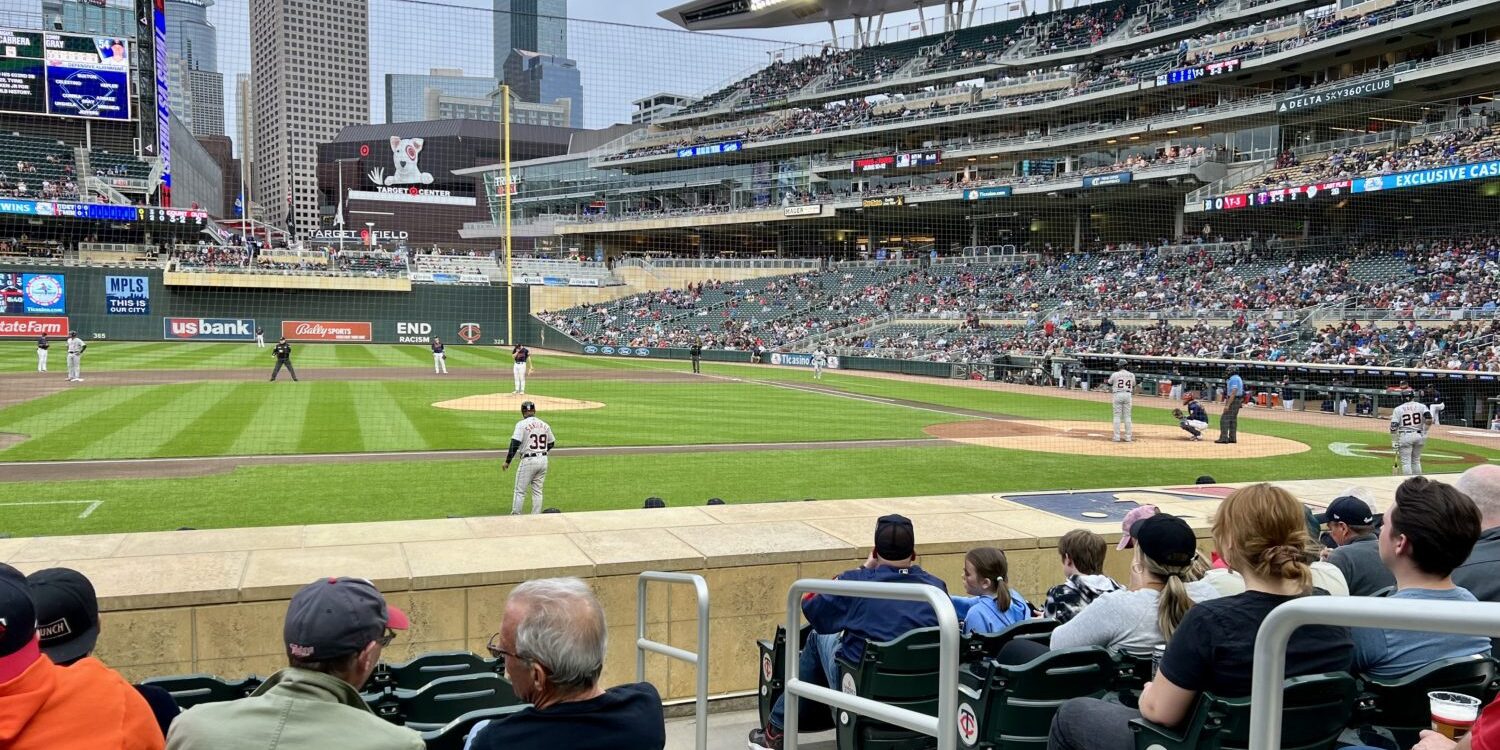
Market data indicates that lower-level dugout box seats at major stadiums rarely retail for less than $100, with average prices for mid-market teams hovering between $120 and $180. For high-demand teams or weekend matchups, these seats frequently exceed $250. By redeeming 5,000 miles for a $150 ticket, a cardholder is achieving a value of 3.0 cents per mile. In scenarios where the cash price is $250, the value jumps to 5.0 cents per mile. This significantly outperforms the 1.0 CPM baseline, making it one of the most efficient uses of Capital One miles outside of high-end international business class flight transfers.
Strategic Inventory Management and Access
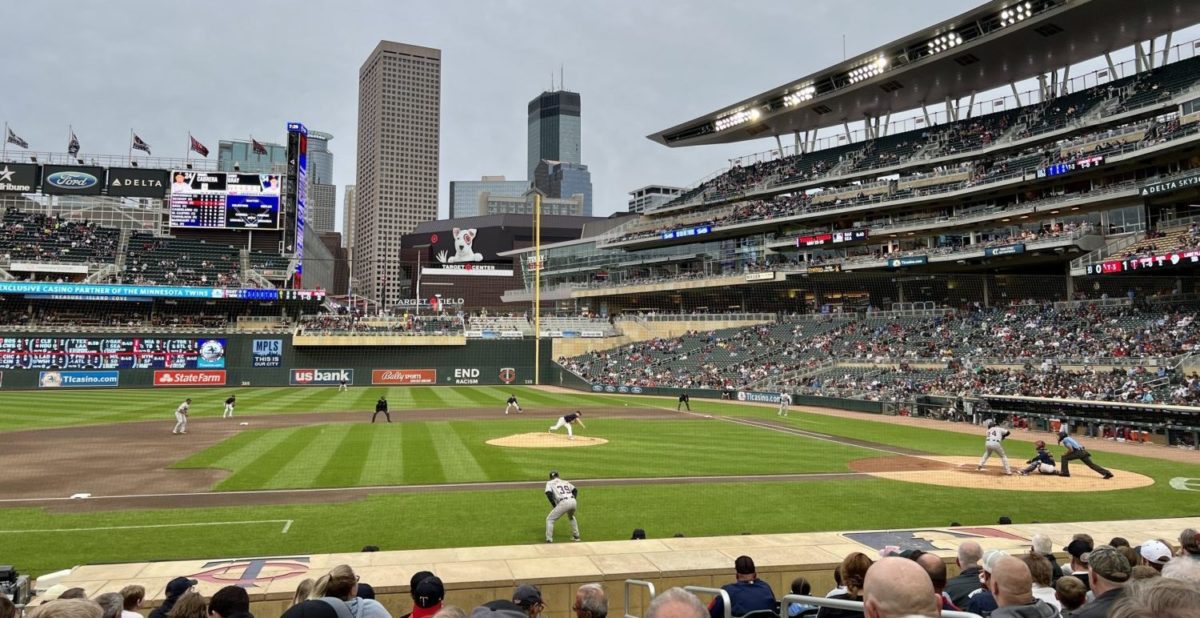
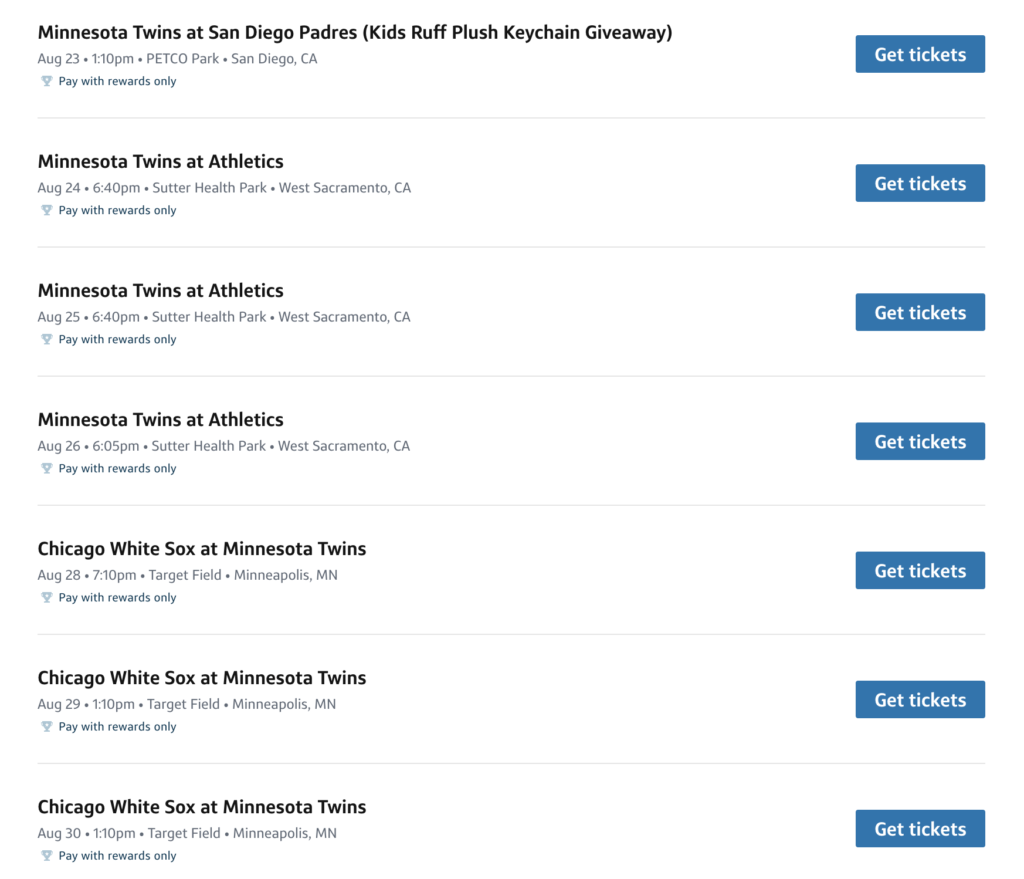
The availability of these tickets is governed by a strict inventory management system. Capital One typically reserves a block of four tickets per game as "Cardholder Exclusive." These seats are strategically located in premium sections, often in the lower bowl or directly above the dugouts. Once these four tickets are claimed by cardholders, the game may still be listed on the portal, but the ticket prices will revert to market-based rates, which are significantly higher in terms of mile requirements.
The procurement process requires cardholders to navigate through the Capital One mobile app or web portal. The steps are as follows:
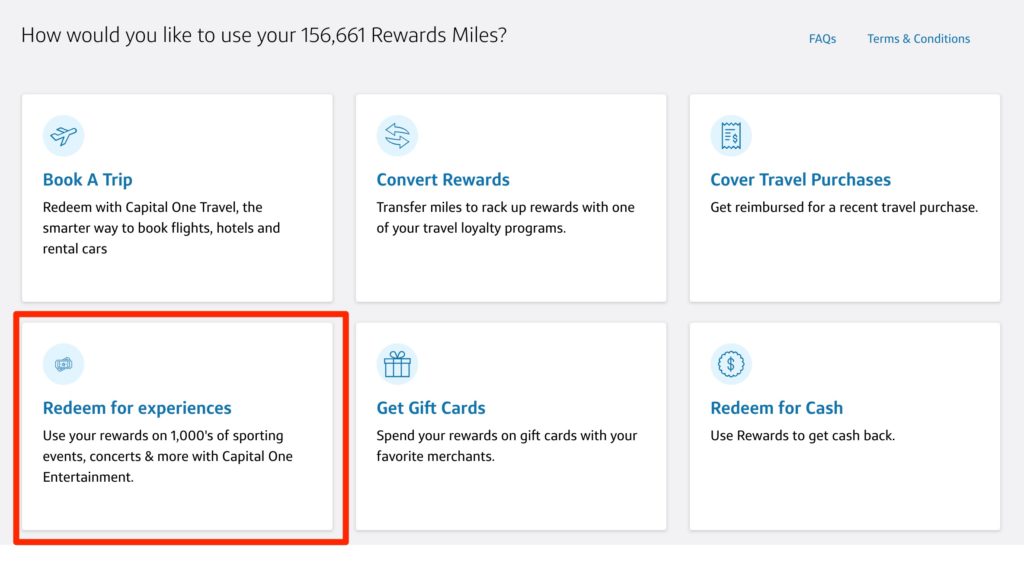
- Authentication via the Capital One rewards dashboard.
- Selection of the "Redeem for Experiences" or "Entertainment" tab.
- Navigation to the MLB-specific landing page.
- Filtering by team or stadium to identify "Cardholder Exclusive" inventory.
Industry analysts note that the requirement to purchase in multiples of two is a standard practice in the ticketing industry to prevent "orphan" seats, ensuring that the bank can maximize the utility of its reserved block. Furthermore, the limited nature of the inventory (four seats per game) creates a "first-come, first-served" environment that encourages frequent engagement with the bank’s digital platform.
Impact on the Sports Ticketing Ecosystem
The integration of credit card rewards into sports ticketing is part of a broader trend of "experiential loyalty." As consumers increasingly prioritize experiences over material goods, financial institutions are responding by securing exclusive access to high-profile events. This move by Capital One is seen as a direct response to the "inflationary pressure" on sports entertainment.
According to data from Team Marketing Report’s Fan Cost Index, the cost for a family of four to attend an MLB game has risen steadily, driven by increases in ticket prices, parking, and concessions. By providing a low-cost entry point for premium seating, Capital One is effectively subsidizing the fan experience in exchange for brand loyalty and card utilization. This strategy is particularly effective for the Venture X card, which carries a $395 annual fee; features like the MLB ticket deal help justify the premium cost of the card for the "mass-affluent" demographic.

Reaction from Stakeholders and Market Implications
While Capital One has not released specific figures regarding the volume of tickets redeemed through the portal, spokespeople for the bank have previously emphasized that the partnership is designed to "bring fans closer to the game." Logically inferred reactions from MLB suggest that the league views this as a vital tool for fan engagement, particularly among younger, credit-active demographics who may be more inclined to travel for games.
Travel industry experts suggest that this deal also stimulates domestic "sports tourism." With all 30 teams participating, cardholders are incentivized to plan weekend trips to cities like San Diego, Chicago, or New York, knowing they can secure high-end seating at a fraction of the market cost. This creates a halo effect for other travel-related spend, including hotels and dining, which cardholders are likely to charge to their Capital One accounts.
Future Outlook and Seasonality
As the MLB season progresses toward the pennant races in August and September, the demand for these 5,000-mile tickets is expected to reach its peak. The current inventory release is particularly timely, as it allows fans to lock in seats for late-season games that may have high stakes for playoff positioning. However, the "Cardholder Exclusive" inventory does not typically extend into the postseason (Wild Card, Division Series, League Championship Series, or World Series) under the same flat-rate terms. Postseason access is generally handled through separate "priority access" windows where tickets are sold at market prices or through high-stakes auctions.
The success of this program may serve as a blueprint for other sports leagues. Capital One has already expanded its footprint into the NCAA and the Capital One Arena in Washington D.C., suggesting that the model of fixed-rate, premium seat redemptions could eventually expand to the NBA or NHL.
Conclusion for Cardholders
For the consumer, the primary challenge remains the scarcity of the "Cardholder Exclusive" inventory. To maximize the benefit of this partnership, cardholders are advised to monitor the Entertainment portal regularly, particularly following the announcement of new ticket batches. The ability to sit in dugout-level seats for the equivalent of $50 in miles remains an anomaly in a market characterized by rising costs and dynamic pricing.
In the broader context of the financial services industry, Capital One’s MLB partnership underscores the shifting landscape of credit card rewards. By moving beyond simple cash-back or airline miles and into the realm of exclusive, high-value cultural experiences, the bank is attempting to build a more emotional and durable connection with its customer base. As long as the 5,000-mile redemption rate remains in place, it will likely continue to be cited by travel and finance experts as one of the premier "hidden gems" of the points and miles world.
Related posts: