The Top 10 Places to Visit in Kimberley Australia A Comprehensive Guide to the Last Frontier of the Southern Hemisphere

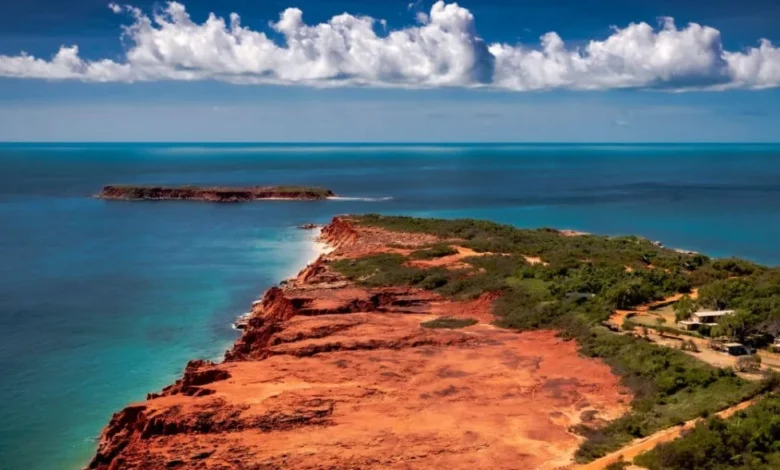
The Kimberley region, situated in the far northern reaches of Western Australia, represents one of the final frontiers of truly untamed wilderness on the planet. Covering an expanse of more than 423,000 square kilometers—an area larger than 75% of the world’s nations—the Kimberley is a land of dramatic geological contrasts, ancient cultural heritage, and ecological significance. While Australia’s primary metropolitan hubs like Sydney, Melbourne, and Brisbane continue to densify, the Kimberley remains one of the most sparsely populated regions on Earth, offering a profound sense of isolation and raw natural beauty that attracts scientists, historians, and eco-conscious travelers alike.
A Legacy of Ancient Habitation and Indigenous Sovereignty
To understand the Kimberley is to acknowledge a human history that spans over 40,000 years. The region was among the first parts of the Australian continent to be settled by Indigenous peoples. Today, the cultural landscape remains vibrant, with numerous Aboriginal groups maintaining their languages, traditional laws, and deep connections to the land. A pivotal aspect of the region’s modern identity is the success of Native Title claims. Currently, approximately 70% of the Kimberley is recognized as Native Title land, a landmark achievement for Australia’s original landowners. This legal recognition ensures that the traditional custodians, such as the Gija, Bunuba, and Wunambal Gaambera peoples, have a decisive voice in the management and conservation of their ancestral territories.
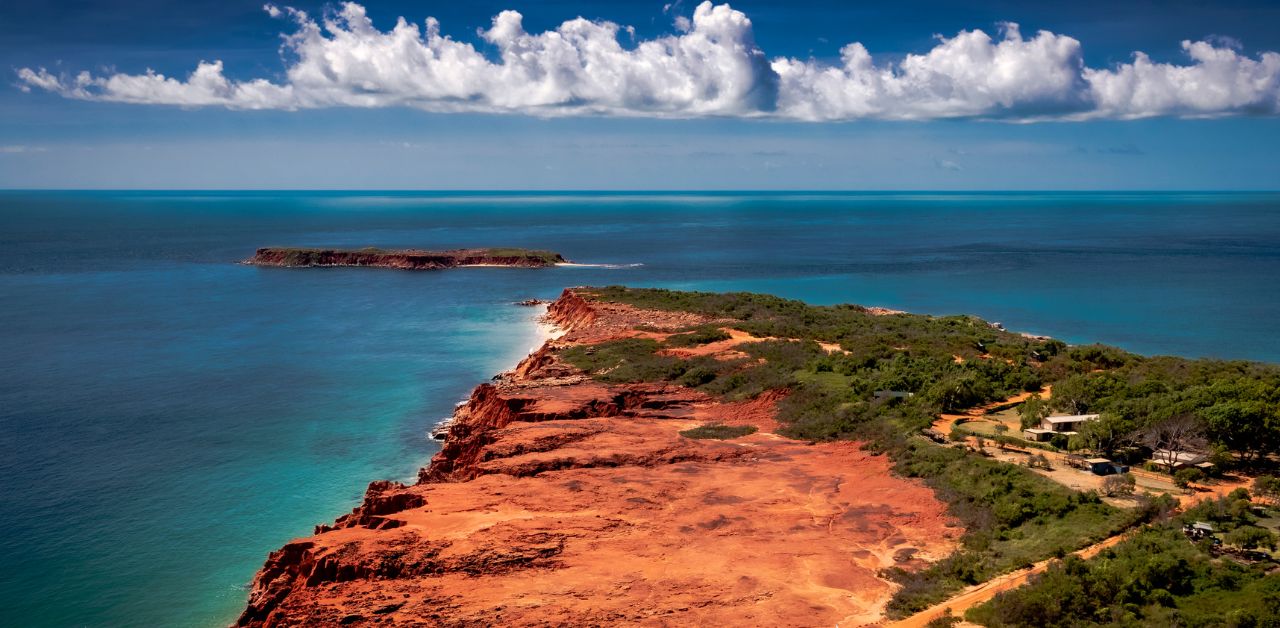
The region’s environmental profile is equally impressive. It is characterized by a "land of contrasts," where rugged sandstone gorges and thundering waterfalls meet turquoise coastal waters and white-sand beaches. The Kimberley’s geological foundations include Precambrian rocks dating back nearly two billion years, providing a window into the Earth’s formative eras.
1. Broome: The Cultural and Economic Gateway
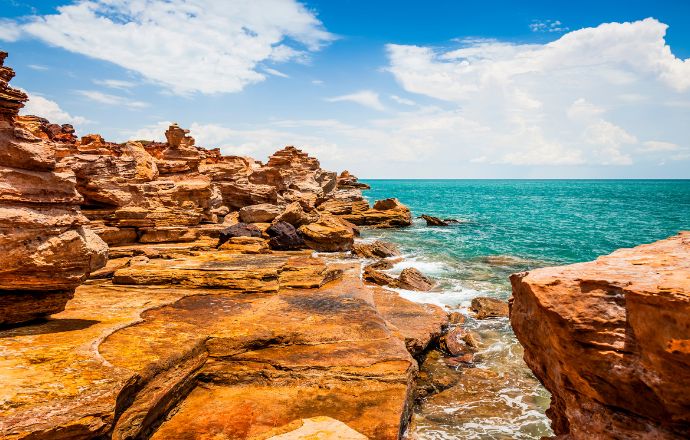
Broome serves as the primary logistical hub for the Kimberley, offering a blend of colonial history and world-class natural attractions. Historically, Broome’s economy was built on the pearling industry, which drew a diverse workforce from Japan, Malaysia, the Philippines, and Indonesia, creating a unique multicultural fabric that persists today.
The town is synonymous with Cable Beach, a 22-kilometer stretch of white sand famous for its sunset camel rides and turquoise waters. Beyond the beach, the Willie Creek Pearl Farm provides insight into the modern aquaculture techniques that continue the town’s pearling legacy. For naturalists, Roebuck Bay is a site of international significance. Recognized by the Ramsar Convention, the bay supports massive populations of migratory shorebirds. The Broome Bird Observatory serves as a critical research station for monitoring these avian migrations, which see birds travel from as far as Siberia.
2. Mitchell Falls: The Four-Tiered Marvel
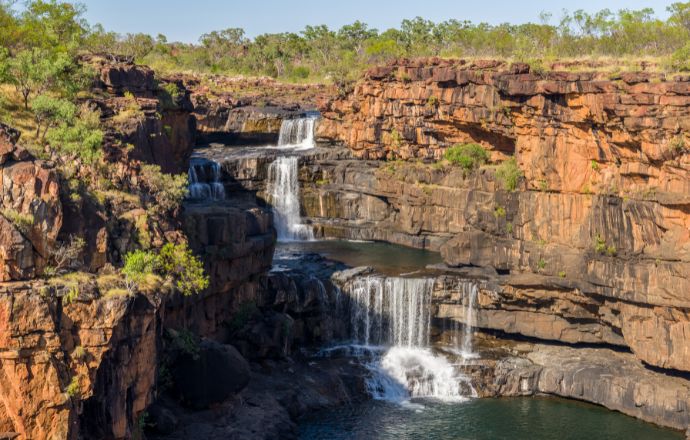
Located within the Mitchell River National Park (Punamii-unpuu), Mitchell Falls is widely considered one of the most spectacular waterfall systems in Australia. The falls consist of four successive drops that plunge into deep green pools, carved out of ancient sandstone.
The park is a biodiversity hotspot, providing a refuge for species that have declined elsewhere in Australia, including the monjon (the world’s smallest rock wallaby) and the olive python. The area is also rich in "Gwion Gwion" (Bradshaw) and Wandjina rock art, offering a gallery of human history that predates the Egyptian pyramids. Access to this remote site is often limited to 4WD expeditions or scenic helicopter flights, emphasizing the region’s rugged exclusivity.
3. Bungle Bungle Range: A UNESCO World Heritage Treasure
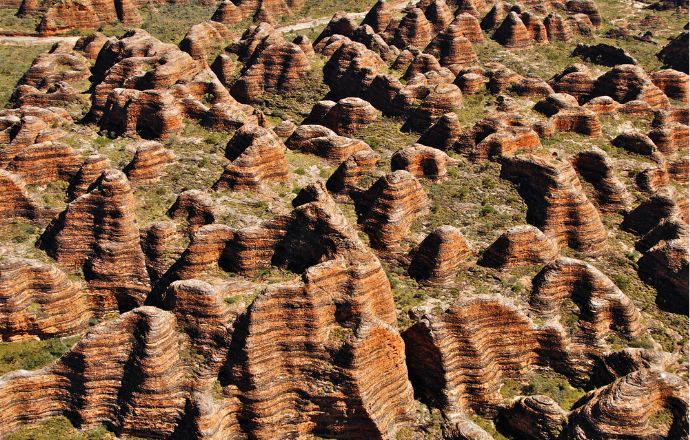
Found within Purnululu National Park, the Bungle Bungle Range remained largely unknown to the non-Indigenous world until the early 1980s. In 2003, the area was inscribed as a UNESCO World Heritage site due to its extraordinary geological value. The range is famous for its orange-and-black striped karst sandstone domes, which resemble giant beehives.
These formations are the result of 20 million years of erosion, with the distinctive stripes caused by alternating layers of cyanobacteria (the black bands) and iron oxide (the orange bands). The park spans 240,000 hectares and remains a site of immense spiritual importance to the Karjaganujaru and Gija peoples. Due to its extreme remoteness, many visitors opt for aerial tours to appreciate the sheer scale of the labyrinthine towers.
4. The Lacepede Islands: An Avian Sanctuary
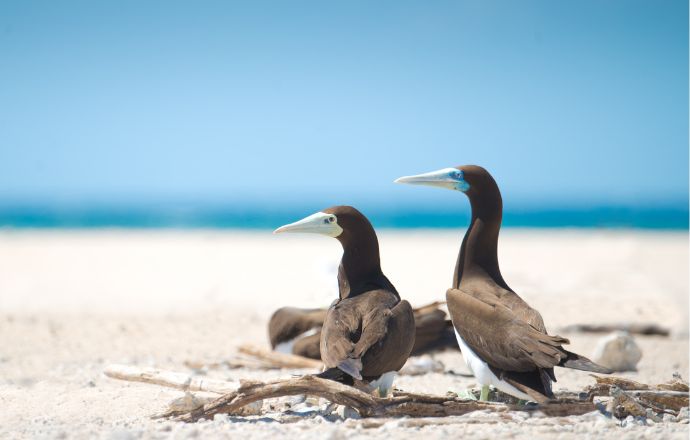
The Lacepede Islands, a chain of four low-lying coral islands, serve as one of the most important breeding colonies in the Indian Ocean for seabirds and green sea turtles. BirdLife International has designated the archipelago as an Important Bird Area (IBA), specifically for its population of Brown Boobies, which can number up to 20,000 breeding pairs.
The islands are also a vital nesting ground for the Green Sea Turtle (Chelonia mydas). Because the islands are a class-A nature reserve, landing is generally prohibited to protect the fragile nesting sites, making small-ship expedition cruises the preferred method for viewing the wildlife. The surrounding waters are also frequented by rare marine mammals, including the dwarf fin whale.
5. King George Falls: The Twin Sentinels
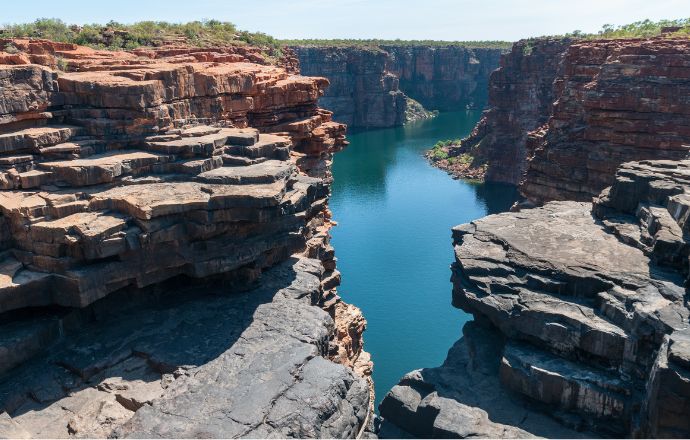
The King George River culminates in a breathtaking spectacle: the King George Falls. These twin waterfalls are the tallest in Western Australia, dropping approximately 100 meters over a sheer sandstone cliff. The falls are most impressive during the wet season (December to March) and the early dry season, when the river flow is at its peak.
The journey to the falls is an attraction in itself, as vessels navigate through high-walled canyons of red rock that glow in the sunlight. This location gained international fame after being featured in the 2008 film Australia, but its true value lies in its pristine, undisturbed ecosystem.
6. Horizontal Falls: A Tidal Phenomenon
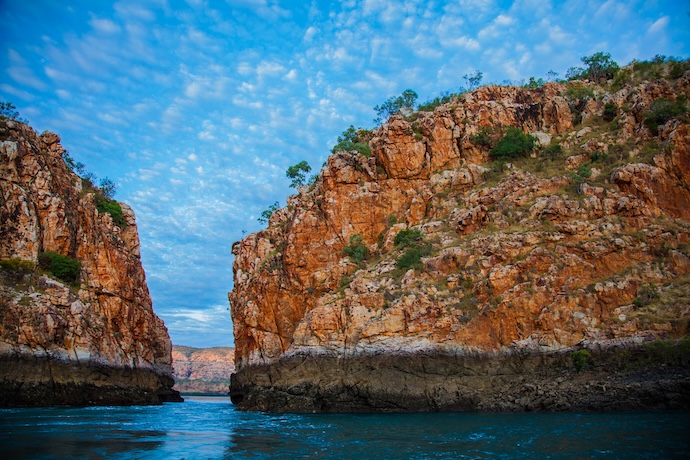
Described by Sir David Attenborough as "one of the greatest natural wonders of the world," the Horizontal Falls in Talbot Bay are a unique tidal phenomenon. Unlike a standard waterfall, these "falls" are created by the massive movement of water through two narrow, parallel gorges in the McLarty Range.
The Kimberley experiences some of the largest tidal shifts in the world, often exceeding 10 meters. As the tide changes, water is pushed through the narrow gaps at high velocity, creating a level difference of several meters and the appearance of a horizontal waterfall. This dynamic environment is a testament to the raw power of the region’s coastal tides.
7. El Questro Wilderness Park: The Heart of the Outback
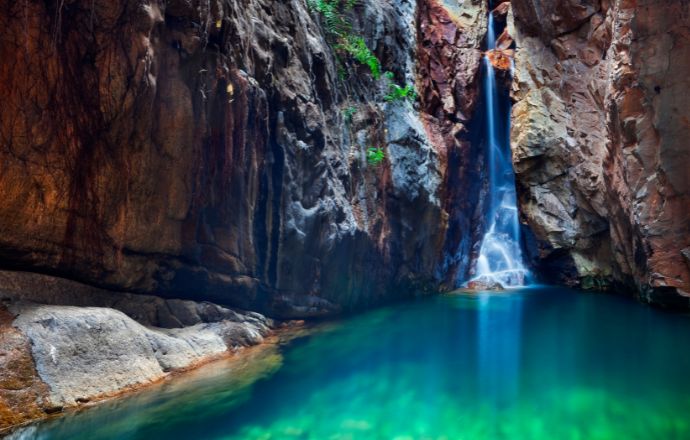
Spanning 700,000 acres, El Questro Wilderness Park is a former cattle station that has been transformed into a premier destination for outback adventure. The park offers a microcosm of Kimberley landscapes, from thermal springs to deep rainforest-filled gorges.
Key attractions include Emma Gorge, which features a 65-meter droplet waterfall and a cool swimming hole, and the Zebedee Thermal Springs, where permanent 32-degree Celsius water flows through a forest of Livistona palms. The park’s management emphasizes sustainable tourism, balancing the influx of visitors with the need to preserve the delicate balance of the Pentecost River ecosystem.
8. Buccaneer Archipelago: A Thousand-Island Labyrinth
The Buccaneer Archipelago consists of between 800 and 1,000 islands scattered off the coast of Derby. The geology here is ancient, with rocks estimated to be 2 billion years old. The archipelago is characterized by secluded white beaches, mangrove forests, and "graveyards" of weathered rock.
The region is a sanctuary for marine life, including saltwater crocodiles, humpback whales (during their migration), and a variety of shark species. The complex reef systems and massive tidal ranges make navigation difficult, ensuring that the islands remain largely untouched by large-scale development.
9. Gibb River Road: The Iconic Outback Arterial
For many, the ultimate Kimberley experience is driving the Gibb River Road. This 660-kilometer former cattle route bisects the heart of the region, connecting Derby in the west to Kununurra and Wyndham in the east.
The "Gibb" provides access to some of the region’s most iconic gorges, such as Windjana Gorge, where dozens of freshwater crocodiles can be seen basking on the riverbanks. The road is a test of endurance and vehicle preparation, as much of it remains unsealed and subject to flooding, embodying the adventurous spirit of the Australian north.
10. Jar Island: A Gallery of Antiquity
Jar Island is a site of significant archaeological and historical interest. It is renowned for its high concentration of Gwion Gwion rock art. These paintings, characterized by their intricate detail and depiction of human figures with ornaments and tassels, are estimated to be between 15,000 and 20,000 years old.
The island also holds evidence of more recent historical interactions. Shards of pottery found on the island indicate contact with Macassan traders from Indonesia, who visited the northern Australian coast for centuries to harvest trepang (sea cucumber). Furthermore, the island and its neighbors house several WWII-era aircraft wrecks, serving as a reminder of the region’s strategic importance during the conflict in the Pacific.
Broader Impact and Future Implications
The rise of tourism in the Kimberley brings both opportunity and challenge. As one of the world’s last great wildernesses, the region is a critical asset for global biodiversity. However, the increasing accessibility of remote sites through expedition cruising and 4WD tourism necessitates a rigorous approach to conservation.
The expansion of Indigenous-led tourism is a significant trend, providing economic self-determination for Traditional Owners while ensuring that visitors are educated on the cultural and spiritual significance of the land. Moving forward, the Kimberley faces pressures from potential mining interests and the impacts of climate change, which could alter the delicate "wet-dry" seasonal cycle that sustains its ecosystems.
In conclusion, the Kimberley is more than a tourist destination; it is a living museum of geological and human history. Its preservation is not merely a local concern but a global imperative, ensuring that future generations can witness the untamed majesty of the Australian outback in its purest form.
Related posts: