The global travel industry has witnessed a significant shift in consumer preferences, with luxury travelers increasingly seeking "experiential authenticity" over standardized high-end amenities. This trend has placed historic hotels at the forefront of the market, transforming them from mere accommodations into living museums. While traditional historical education often relies on secondary sources such as textbooks and photography, the preservation of architectural marvels allows guests to engage with the past through physical immersion. From the hollows worn into marble steps by centuries of foot traffic to the tactile sensation of medieval stonework, these properties offer a sensory connection to bygone eras.
Across the globe, a select group of luxury family hotels has successfully balanced the demands of modern hospitality with the rigorous requirements of heritage preservation. These properties—ranging from fortified English castles and Italian palazzos to Mexican haciendas and colonial-era landmarks in Southeast Asia—serve as anchors for their respective cultural landscapes. By maintaining the integrity of their original structures, these hotels provide a unique pedagogical tool for families, turning a vacation into a tangible history lesson.
The Evolution of Heritage Hospitality and Market Trends
According to recent data from the World Tourism Organization (UNWTO), heritage tourism accounts for nearly 40% of all global travel. This sector is characterized by longer stays and higher spending patterns, as travelers prioritize destinations that offer deep cultural narratives. The preservation of these historic hotels is often a collaborative effort between private owners and national heritage trusts, ensuring that the architectural legacy survives while meeting contemporary safety and comfort standards.
The following seven properties represent the pinnacle of this intersection between luxury and history, each offering a distinct chronological window into the development of their respective regions.
Amberley Castle, England: A Monument to Medieval Fortification
Located in the heart of Sussex, Amberley Castle serves as a primary example of English ecclesiastical and military architecture. Originally established nearly 900 years ago as a fortified residence for the Bishops of Chichester, the property has survived multiple periods of domestic upheaval. The castle’s architecture is a composite of centuries, featuring layers of medieval, Tudor, and Georgian stonework.
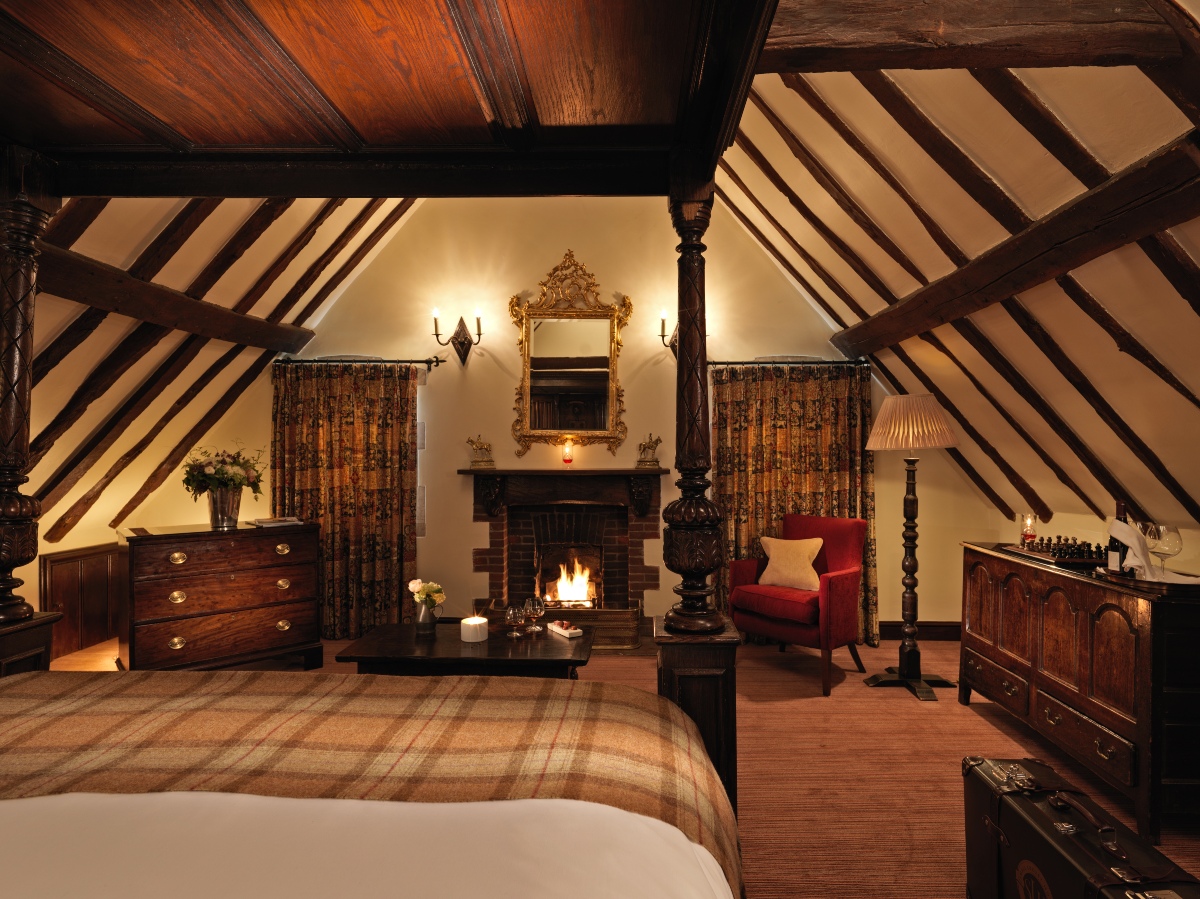
A defining feature of the property is the 60-foot high curtain wall that still encircles the estate. The daily lowering of the working portcullis in the twin-towered gatehouse remains a living ritual, bridging the gap between the 12th century and the present day. Historically, the castle suffered significant damage during the English Civil War in 1643 when it was besieged by Parliamentary forces under Oliver Cromwell. Today, the ruins of the Great Hall stand as a silent testament to that conflict. For families, the estate offers an educational immersion into the feudal system and the evolution of English defensive architecture, while providing modern accommodations such as the Gatehouse Suites, located within the 17th-century Bishopric Dairy.
Ashford Castle, Ireland: From Anglo-Norman Fortress to Victorian Estate
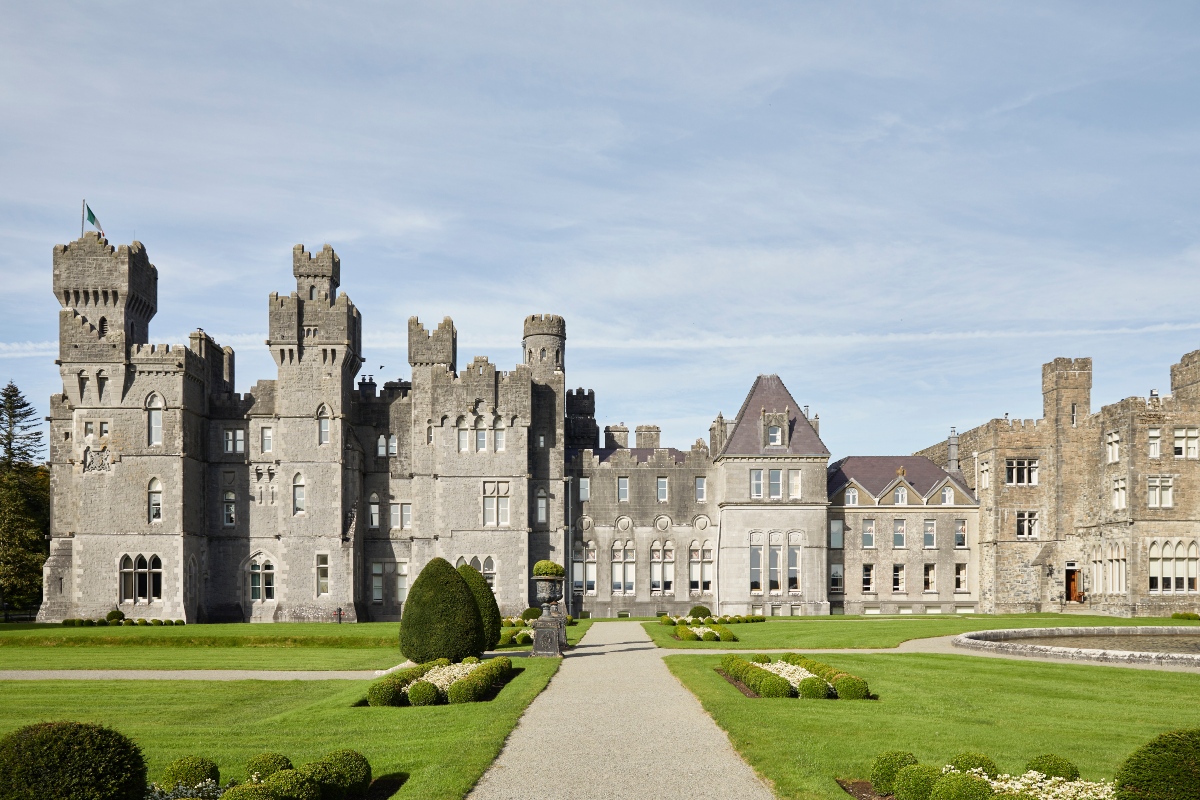
The chronology of Ashford Castle begins in 1228, when the Anglo-Norman de Burgo family established a stronghold on the shores of Lough Corrib in County Mayo. Over nearly eight centuries, the property underwent a radical transformation from a military outpost into one of the world’s most prestigious country estates.
A pivotal moment in the castle’s history occurred in 1852, when Sir Benjamin Lee Guinness purchased the estate. The Guinness family spent nearly a century expanding the grounds to 350 acres and integrating grand Victorian interiors into the medieval framework. This architectural synthesis is visible in the castle’s Gothic stone towers and battlements, which contrast with the ornate woodwork and suits of armor found within. The estate’s proximity to the village of Cong and the ruins of the Cong Augustinian Abbey provides a broader context for the region’s monastic and aristocratic history. The 2015 multi-million dollar restoration by Red Carnation Hotels has ensured that the property remains a benchmark for heritage conservation in Ireland.
Palazzo Misciattelli, Italy: Etruscan Foundations and Aristocratic Continuity
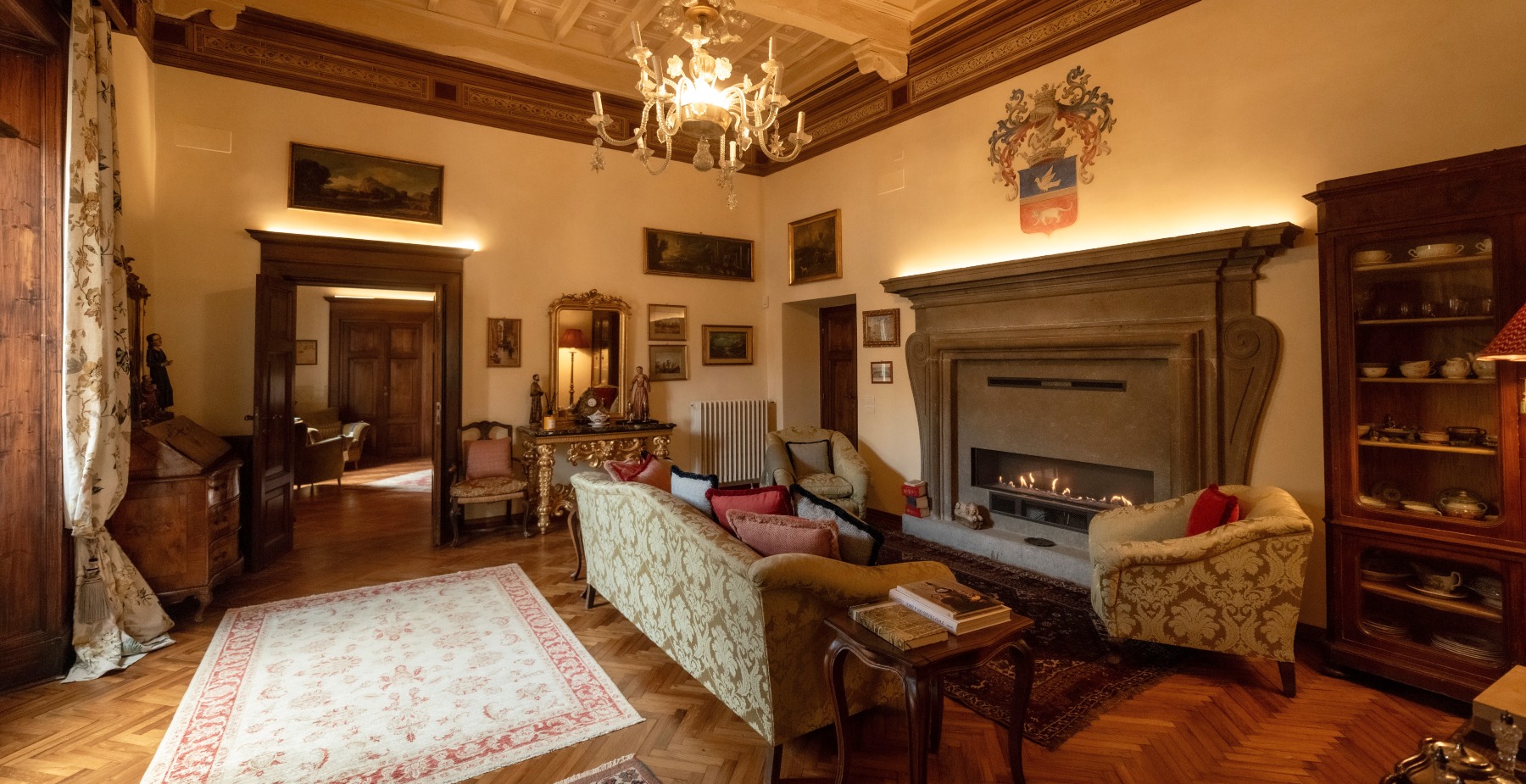
In the Umbrian hill town of Orvieto, Palazzo Misciattelli offers a rare look at the continuity of Italian nobility. The Misciattelli family, whose roots in the region span nearly a millennium, remains the private owner of the palazzo. The structure itself is a historical palimpsest, built atop ancient Etruscan foundations that date back over 2,000 years.
The experience at Palazzo Misciattelli is defined by personal connection; family members often welcome guests to the three standalone residences housed within the ancestral home. This continuity extends to the land itself, as the family continues to produce wine and olive oil from their own estates, utilizing traditional methods. For students of history, the palazzo serves as a case study in the transition from the Etruscan civilization to the Roman era and eventually to the rise of the Italian city-states.
Sofitel Legend Metropole Hanoi, Vietnam: A Gateway to French Indochina
The Sofitel Legend Metropole Hanoi, which opened its doors in 1901, is inextricably linked to the complex political history of Vietnam. As the premier grand hotel of French Indochina, its Heritage Wing preserves the elegant colonial architecture of the early 20th century, characterized by white facades, green shutters, and wrought-iron details.
The hotel’s significance deepened during the 20th century as it hosted world leaders, diplomats, and literary figures such as Graham Greene and Charlie Chaplin. Perhaps its most profound historical feature is the underground bomb shelter, rediscovered during renovations in 2011. This bunker protected guests—including American activist Jane Fonda—during the air raids of the Vietnam War. The hotel now offers a "Path of History" tour, allowing families to explore the bunker and learn about the hotel’s role as a neutral ground during times of international conflict.
Mount Nelson, A Belmond Hotel, South Africa: The Pink Landmark of Cape Town
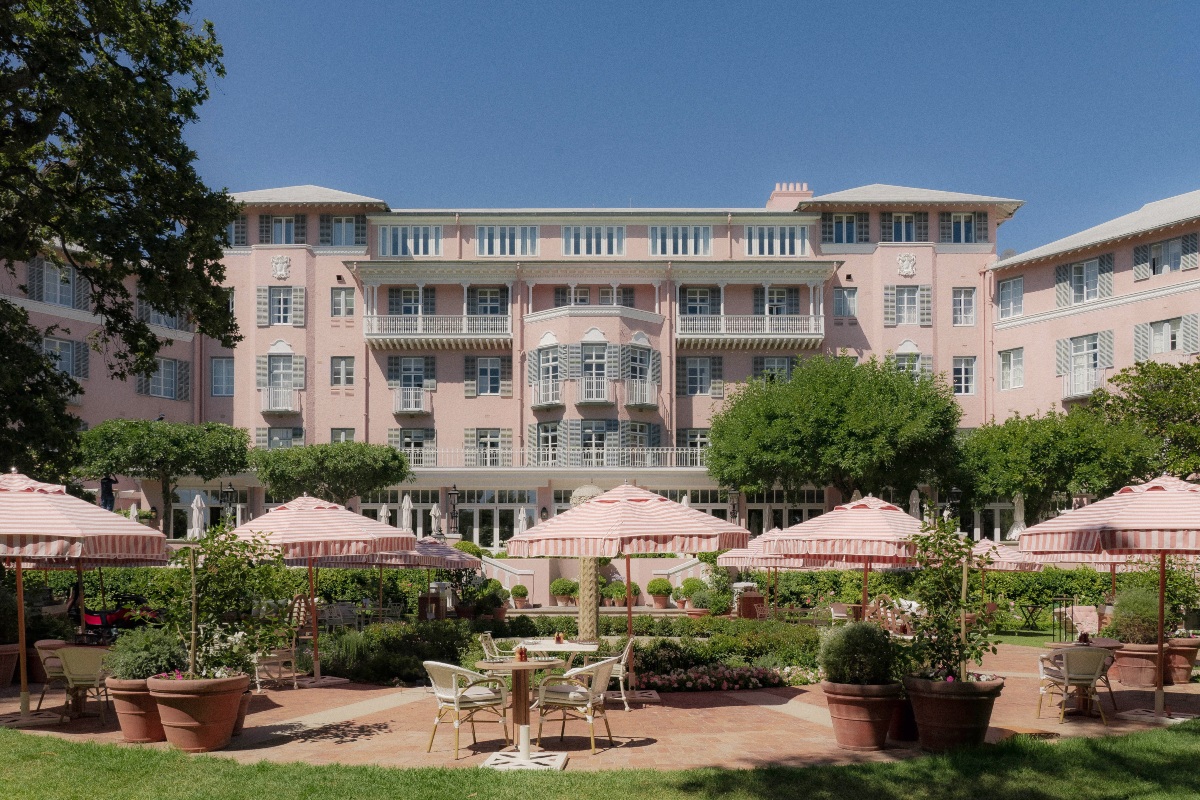
Established in 1899 to serve the elite passengers of the Union-Castle Line, Mount Nelson is a cornerstone of Cape Town’s social and political history. Known locally as "The Nellie," the hotel was painted its iconic pale pink in 1918 to celebrate the end of World War I, symbolizing a new era of peace.
During the Second Boer War, the hotel served as the headquarters for British military officials, including Lord Kitchener. Its proximity to Table Mountain and the city’s administrative center made it a witness to the transition of South Africa through the colonial era and into the modern republic. The hotel’s commitment to the tradition of afternoon tea and its meticulously landscaped gardens offer a preserved glimpse into the "Golden Age" of travel, providing a stark contrast to the rapid modernization of the surrounding city.
Chablé Yucatán, Mexico: The Legacy of the Henequen Era
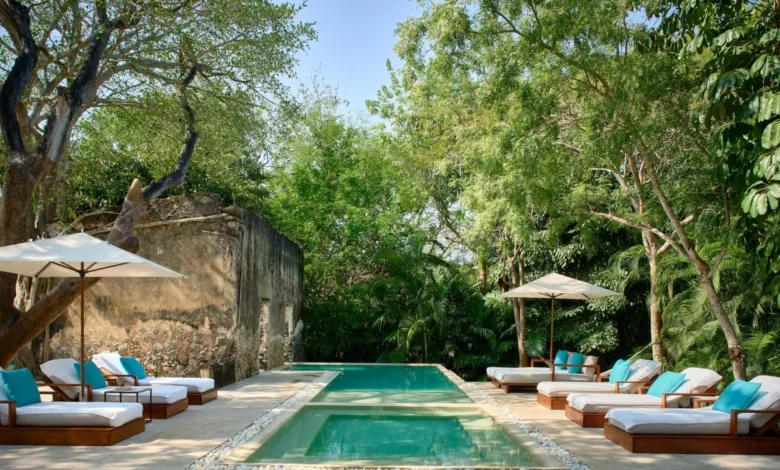
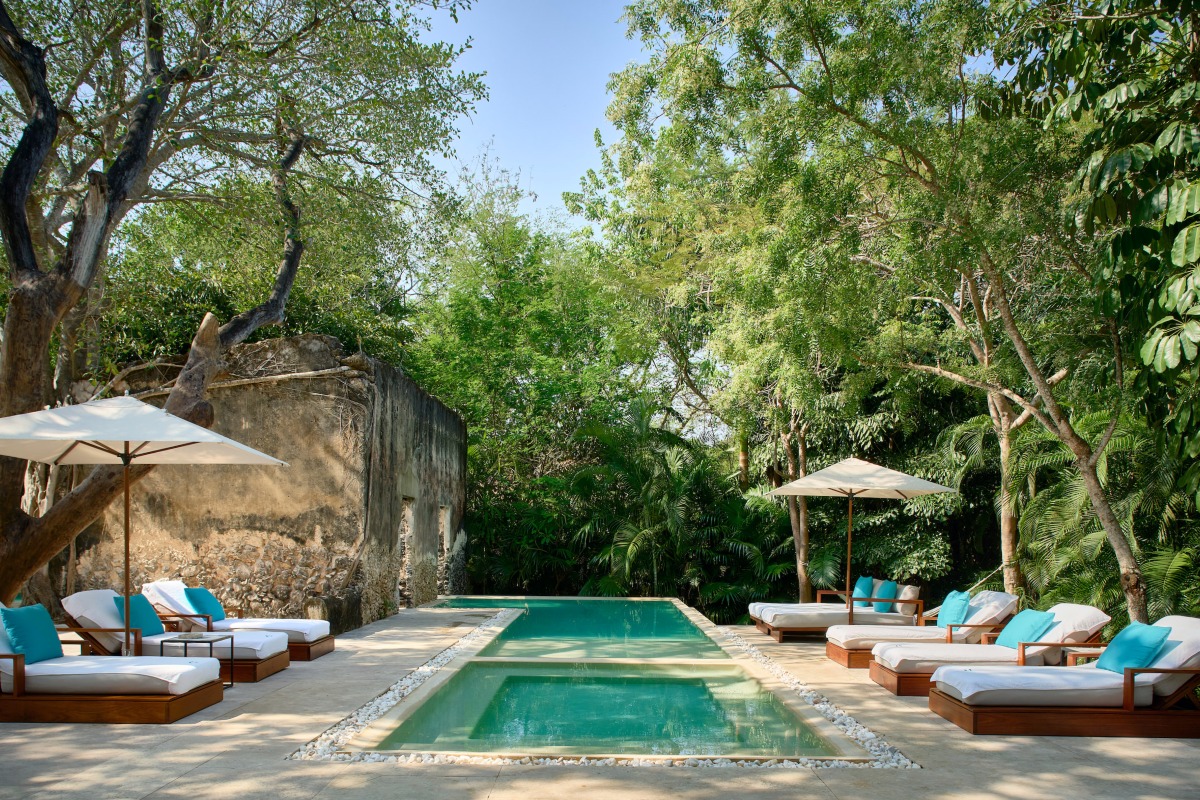
Located on the Yucatán Peninsula, Chablé Yucatán is centered around a restored 19th-century hacienda that once functioned as a hub for the production of henequen, or "green gold." This agave fiber was the backbone of the region’s economy during the industrial revolution, and the hotel’s architecture—including the former engine room now serving as a restaurant—reflects this agricultural heritage.
Beyond the 19th-century history, the property provides a connection to the ancient Mayan civilization. At the heart of the resort lies a sacred cenote, a natural freshwater sinkhole that has served as a site for Mayan rituals for over a thousand years. By integrating the industrial history of the hacienda with the spiritual history of the Maya, the property offers a comprehensive timeline of the Yucatán’s cultural evolution.
Lone Mountain Ranch, USA: Homesteading and the American West
In the United States, history is often measured by the expansion of the frontier. Lone Mountain Ranch in Big Sky, Montana, offers an authentic look at this era. Established as a homestead in 1915, the ranch is now listed on the National Register of Historic Places.
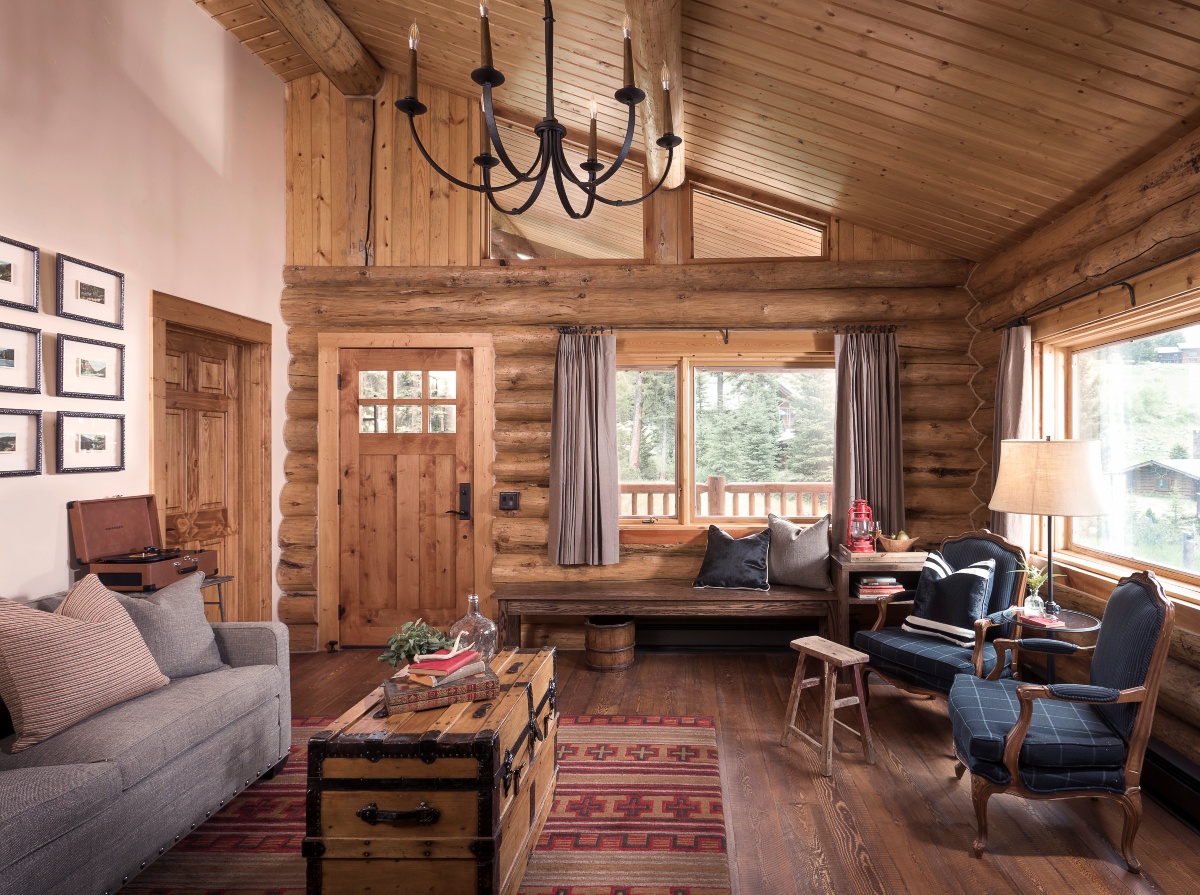
The property’s original log cabins, including the Meadowlark cabin, have been preserved to showcase the rugged lifestyle of early 20th-century settlers. Located less than 20 miles from Yellowstone National Park, the ranch serves as a cultural bridge to the American conservation movement. Activities such as fly-fishing and horseback riding are not merely recreational; they are continuations of traditions that have defined the American West for over a century.
Broader Impact and the Future of Living History
The preservation of these seven properties has significant implications for both the hospitality industry and heritage conservation. By operating as luxury hotels, these historic sites generate the revenue necessary for their own maintenance, which is often prohibitively expensive for public institutions. This model of "sustainable heritage" ensures that architectural landmarks do not fall into disrepair.
Furthermore, these hotels play a crucial role in local economies by employing skilled artisans for restoration work and promoting regional history to an international audience. As the world becomes increasingly digital, the value of physical, historical immersion grows. For families, these hotels provide a unique environment where the past is not a static image in a book, but a tangible reality that can be explored, touched, and inhabited. The continued success of these properties suggests that the future of luxury travel lies in its ability to protect and present the stories of the past.