The Evolution of the Babymoon Strategic Planning for Travel During Pregnancy with a Toddler in Tow

The traditional concept of a "babymoon"—a final vacation taken by expectant parents before the birth of their first child—has undergone a significant transformation in recent years. While originally envisioned as a romantic, couple-centric retreat, the "second babymoon" has emerged as a distinct travel category. This iteration involves traveling while pregnant with a toddler in tow, shifting the focus from exclusive intimacy to a celebration of the existing family unit. According to travel industry experts and parental advocates, this transition requires a fundamental shift in logistics, destination selection, and expectations, as the needs of a young child and the physical demands of a second pregnancy often conflict with traditional vacation planning.

Celine Brewer, a seasoned travel expert and founder of Baby Can Travel, notes that the primary objective of a second babymoon is to enjoy one final excursion as a family of three. Unlike the first babymoon, which typically emphasizes rest and luxury for the couple, the second trip must balance the physical limitations of the expectant mother with the high-energy requirements and routine-dependency of a toddler. This shift in dynamics has led to a rise in "slow travel" and resort-based vacations tailored specifically to families in transition.
Comparative Dynamics: First vs. Second Babymoon
The disparity between a first and second babymoon is often defined by the physical health of the mother and the presence of a sibling-to-be. Data suggests that subsequent pregnancies can often feel more physically taxing due to the lack of recovery time associated with caring for an older child. In a documented case study of her own experiences, Brewer highlights the stark contrast between her two pregnancies. During her first, she engaged in an active, two-week road trip through British Columbia, involving hiking in Tofino, whale watching in Victoria, and a 12-kilometer trek at Myra Canyon.

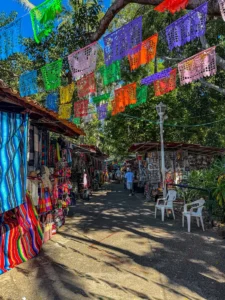
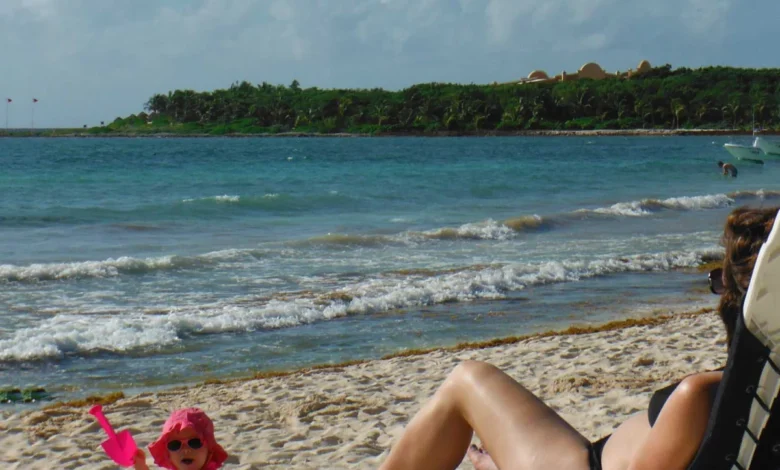
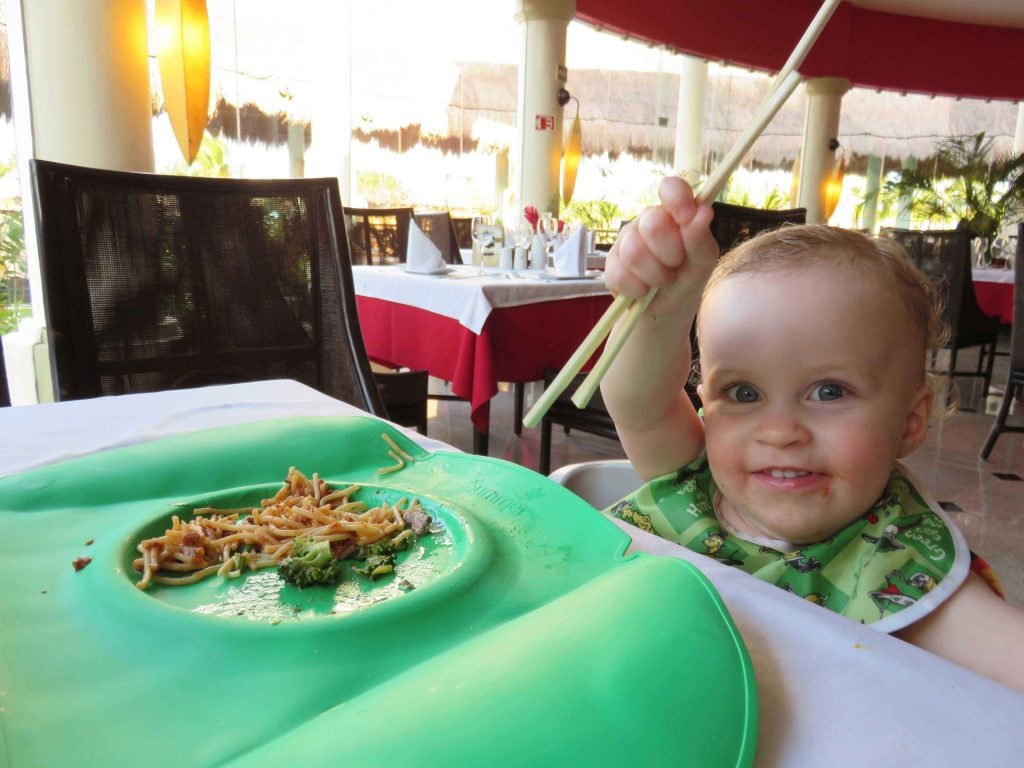
Conversely, her second babymoon required a complete departure from high-activity itineraries. Dealing with diminished energy levels and the demands of an almost two-year-old, the family opted for a toddler-friendly all-inclusive resort in Mexico. This shift illustrates a broader trend in the travel sector: the move toward "low-friction" destinations where amenities like meals, entertainment, and sleeping quarters are centralized.
The Strategic Timeline: When to Travel
Medical professionals, including the American College of Obstetricians and Gynecologists (ACOG), generally suggest that the second trimester—between 14 and 28 weeks—is the optimal window for travel. During this period, the morning sickness of the first trimester has often subsided, and the physical discomfort and mobility issues of the third trimester have not yet reached their peak.

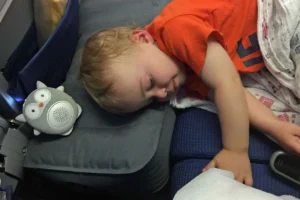
For those planning a second babymoon, the timeline must also account for the toddler’s developmental stage. Traveling with a child under two years old often allows for "lap child" status on flights, which can reduce costs, though many parents find that booking a separate seat provides the necessary space for a pregnant mother to remain comfortable. Experts recommend that if a trip is planned for the late second or early third trimester, parents should prioritize destinations with high-quality medical facilities and ensure that their travel insurance specifically covers pregnancy-related complications.
Logistical Infrastructure and Accommodation Standards
When traveling with a toddler while pregnant, the choice of accommodation becomes the most critical factor in the trip’s success. The hospitality industry has responded to this niche market by enhancing "toddler-specific" amenities. To ensure a manageable experience, industry analysts suggest looking for the following infrastructure:

- Separate Sleeping Quarters: A suite or a room with a balcony allows parents to remain active or relax after the toddler’s early bedtime, preventing the "dark room" scenario where parents are forced to sit in silence from 7:00 PM onwards.
- Kitchenette Facilities: A refrigerator is essential for storing milk, snacks, and healthy leftovers, which are vital for both a growing toddler and a pregnant mother.
- Proximity to Amenities: Minimizing the distance between the room, the dining area, and the pool/beach reduces physical strain on the pregnant traveler.
- Child-Centric Water Features: Shallow splash pads and zero-entry pools are preferred over standard deep-water pools, as they allow the mother to supervise the child while remaining seated or partially submerged.
Risk Mitigation and Travel Safety
Travel safety for pregnant women involves more than just medical proximity. It also encompasses food and water safety, particularly in international destinations. In Brewer’s first babymoon, she opted to stay within Canada to avoid concerns regarding water safety and international insurance hurdles. During her second trip to Mexico, she selected an all-inclusive resort where high standards of food hygiene are typically maintained.
Current health data emphasizes that pregnant travelers are at a higher risk for deep vein thrombosis (DVT) during long-haul flights or extended car rides. To mitigate this, experts recommend:

- Frequent Movement: Stopping every 90 minutes during road trips or walking the aisle every hour during flights.
- Hydration: Maintaining higher-than-average water intake to combat the dehydrating effects of air travel and tropical climates.
- Documentation: Carrying a "fit-to-fly" letter from a midwife or OBGYN, especially after the 28-week mark, as many airlines have strict cutoff dates for expectant passengers.
The Psychological Impact on the Family Unit
Beyond the logistical hurdles, the second babymoon serves a vital psychological purpose. The arrival of a second child is a major life transition for the firstborn. Psychologists suggest that dedicated "special time" before the birth can help reinforce the toddler’s sense of security.
Simple activities—such as swimming together, sharing a special meal, or uninterrupted play—allow the child to feel prioritized. While the toddler may not fully grasp the concept of the impending sibling, the positive associations with family time can ease the transition. Brewer notes that the goal is not to create a "perfect" vacation, but to foster a sense of togetherness before the family dynamic shifts from a triad to a quartet.

Economic and Industry Implications
The rise of the family-centric babymoon has influenced the marketing strategies of major resort chains. Properties in Mexico, the Caribbean, and the United States are increasingly offering "Babymoon Packages" that now include toddler-specific add-ons, such as complimentary cribs, organic baby food menus, and professional photography sessions to capture the final moments of the three-person family.
The "Easy Over Impressive" mantra adopted by many modern parents has driven a surge in domestic "staycation" babymoons as well. Data from travel booking platforms indicates a 15% increase in short-term rental bookings within a three-hour drive of major metropolitan areas, as pregnant women seek to avoid the stresses of airport security and flight delays.

Professional Recommendations for a Successful Itinerary
To maximize relaxation and minimize stress, travel consultants recommend a "one activity per day" rule for second babymoons. This approach accounts for the unpredictability of toddler behavior and the fluctuating energy levels of pregnancy. By scheduling one primary outing in the morning—when toddlers are typically at their most cooperative—the afternoon remains open for naps and quiet time.
Furthermore, protecting the child’s routine is paramount. While travel inherently disrupts schedules, maintaining consistent nap times and meal windows can prevent the meltdowns that often characterize toddler travel. A rested child leads to a more rested parent, which is the ultimate goal of any pre-baby excursion.
Conclusion and Future Outlook
As the definition of family travel continues to expand, the babymoon with a toddler has solidified its place as a necessary ritual for many modern families. It represents a pragmatic approach to the challenges of expanding a family, acknowledging that while life is about to become more complex, there is immense value in slowing down to celebrate the current stage of parenthood.
For the travel industry, the message is clear: the most successful destinations for this demographic are those that offer simplicity, safety, and a deep understanding of the "toddler-pregnant mother" dynamic. Whether it is a luxury resort in Mexico or a quiet cabin in the woods, the success of a second babymoon is measured not by the distance traveled, but by the quality of the connection fostered before the new baby arrives. Through careful planning and realistic expectations, parents can navigate this transitional period, ensuring that the last trip as a family of three is both memorable and restorative.