Exploring the Remote Resilience and Ecological Significance of New Zealands Golden Bay Region

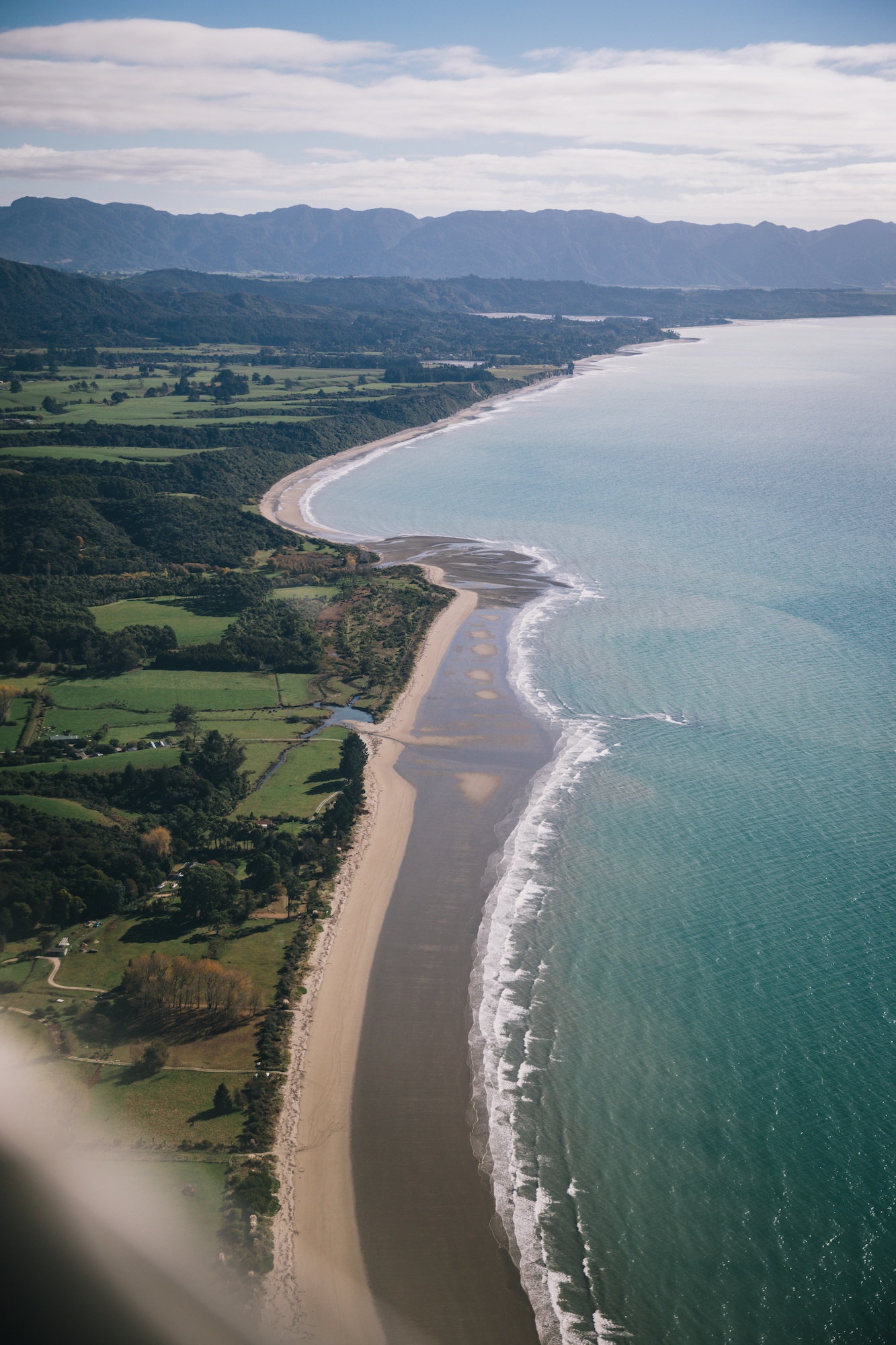
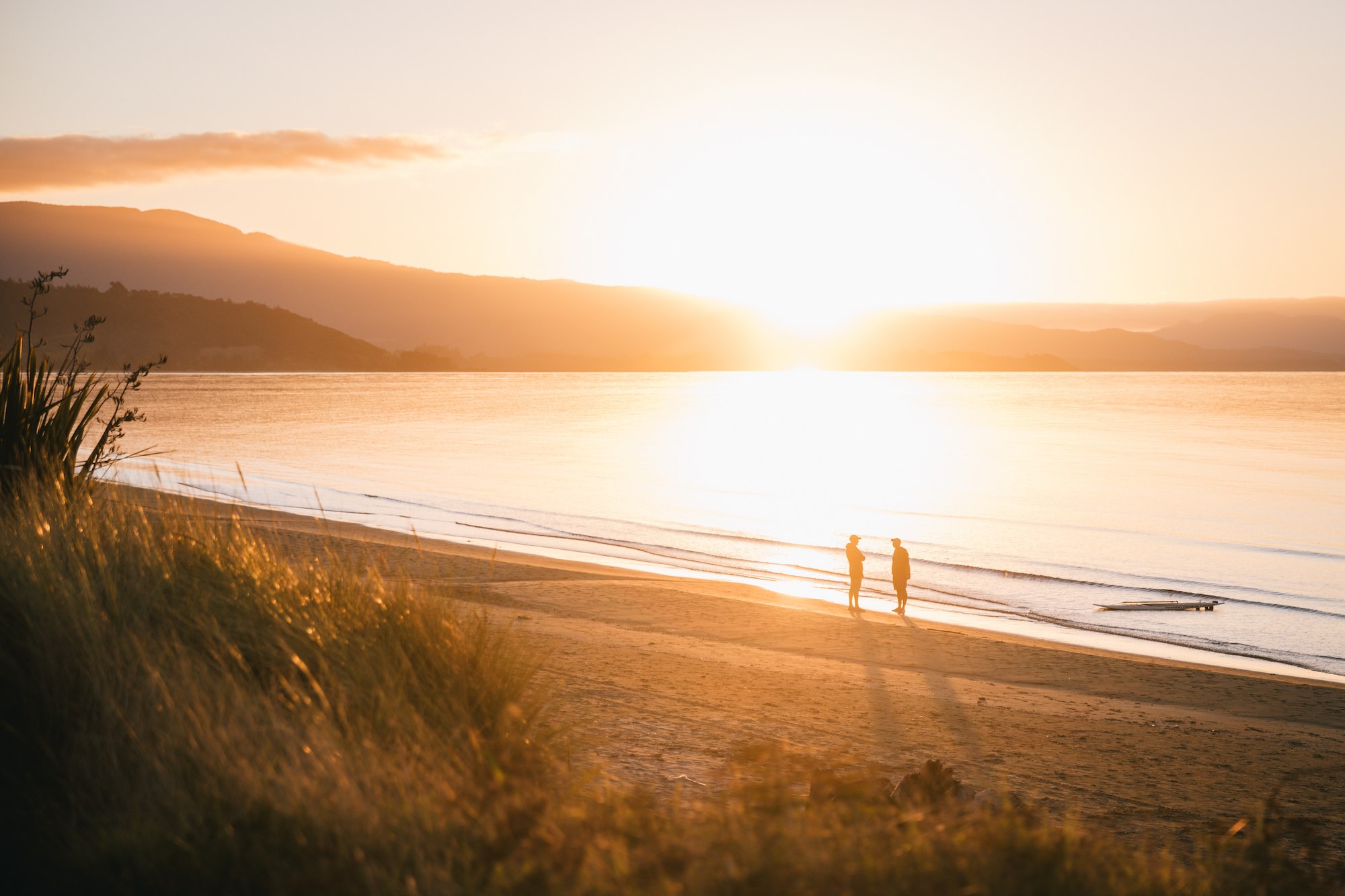
Golden Bay, situated at the northwestern tip of New Zealand’s South Island, remains one of the country’s most geographically isolated yet ecologically diverse regions. Defined by its "C-shaped" coastline stretching from the northern boundaries of Abel Tasman National Park to the 26-kilometer sandspit of Farewell Spit, the area serves as a unique case study in regional resilience, sustainable tourism, and environmental conservation. While much of New Zealand has modernized rapidly, Golden Bay is frequently cited by visitors and sociologists alike as a region that preserves a mid-to-late 20th-century community ethos, characterized by a slower pace of life, a reliance on honesty-box commerce, and a deep-seated connection to the natural landscape.
The region’s accessibility remains a defining factor of its character. Separated from the rest of the Tasman District by the Takaka Hill—a steep, winding mountain pass on State Highway 60—the area often operates with a degree of autonomy. This isolation was further emphasized following significant infrastructure damage in recent years, which highlighted the vulnerability of the region’s singular land link. Despite these challenges, Golden Bay continues to attract domestic and international interest, not only as a gateway to two of New Zealand’s national parks but also as a center for niche agricultural production and high-value ecological research.
Infrastructure and the Gateway of Takaka Hill
The primary terrestrial artery into Golden Bay is State Highway 60, colloquially known as Takaka Hill. Reaching a summit of 791 meters, the road is notorious for its hundreds of sharp corners and steep gradients. For the residents of Takaka, the region’s main service town, this road is both a lifeline and a barrier. The logistical difficulty of the hill has historically limited large-scale industrial development, fostering instead a community of independent growers, artisans, and small-scale tourism operators.
In February 2018, the vulnerability of this route was exposed when Cyclone Gita caused massive landslides and washouts, including a significant section of the road that collapsed. The resulting repairs lasted over four years, during which traffic was frequently restricted to a single lane controlled by lights. This period of restricted access reinforced the region’s reliance on alternative transport, such as Golden Bay Air, which provides essential flight links between Takaka, Wellington, and Karamea. These aerial services are critical for the logistics of the Heaphy Track, one of New Zealand’s "Great Walks," allowing hikers to bypass the lengthy road journey between the track’s start and end points.
Ecological Fragility and the Farewell Spit "Whale Trap"
Beyond its scenic appeal, Golden Bay is a site of significant marine biological concern. Farewell Spit, a RAMSAR-recognized wetland of international importance, is one of the world’s most frequent sites for mass whale strandings. The spit’s unique geography—characterized by a vast, gently sloping intertidal zone—is theorized to interfere with the echolocation of deep-water species, particularly long-finned pilot whales.
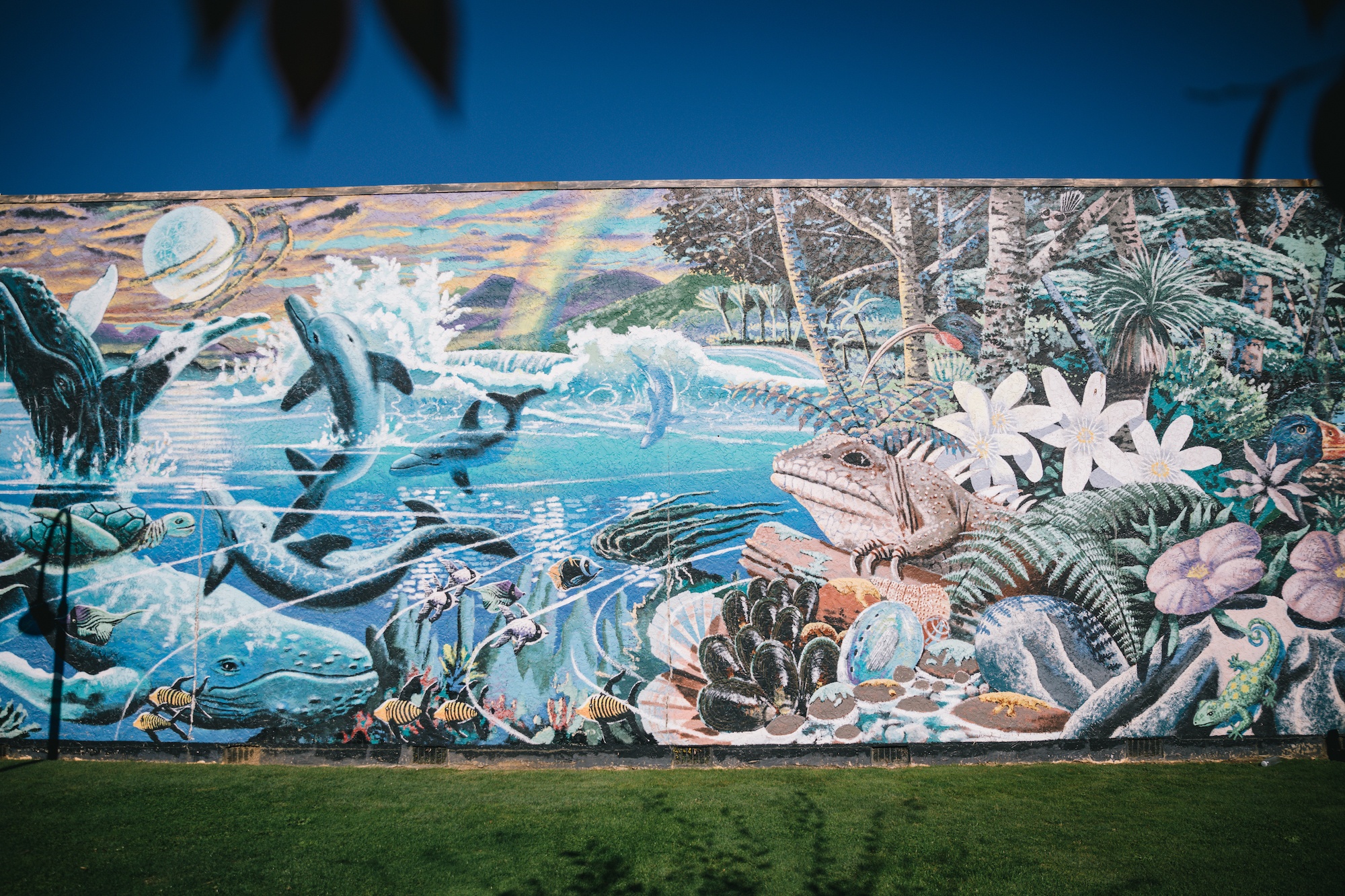
The most catastrophic event in recent history occurred in February 2017, when more than 400 pilot whales became stranded on the spit. The event mobilized hundreds of volunteers from Project Jonah, a leading New Zealand marine mammal welfare organization, alongside the Department of Conservation (DOC). Such events have shaped the region’s identity, fostering a local population that is highly trained in marine rescue and conservation ethics. The recurring nature of these strandings continues to draw international researchers seeking to understand the intersection of tidal flows, magnetic anomalies, and cetacean behavior.

Subterranean Geography and the Kahurangi Karst Systems
The Nelson-Tasman region, which encompasses Golden Bay, contains some of the most extensive and complex cave systems in the Southern Hemisphere. The marble and limestone geology of Kahurangi National Park has created a "Swiss cheese" landscape of sinkholes, vertical shafts, and horizontal galleries.

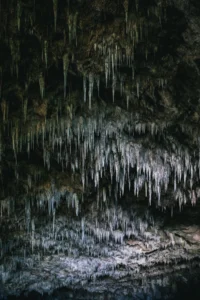
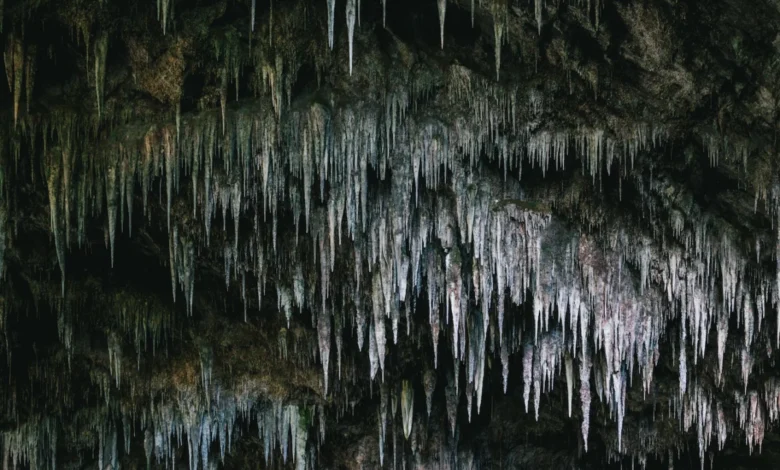
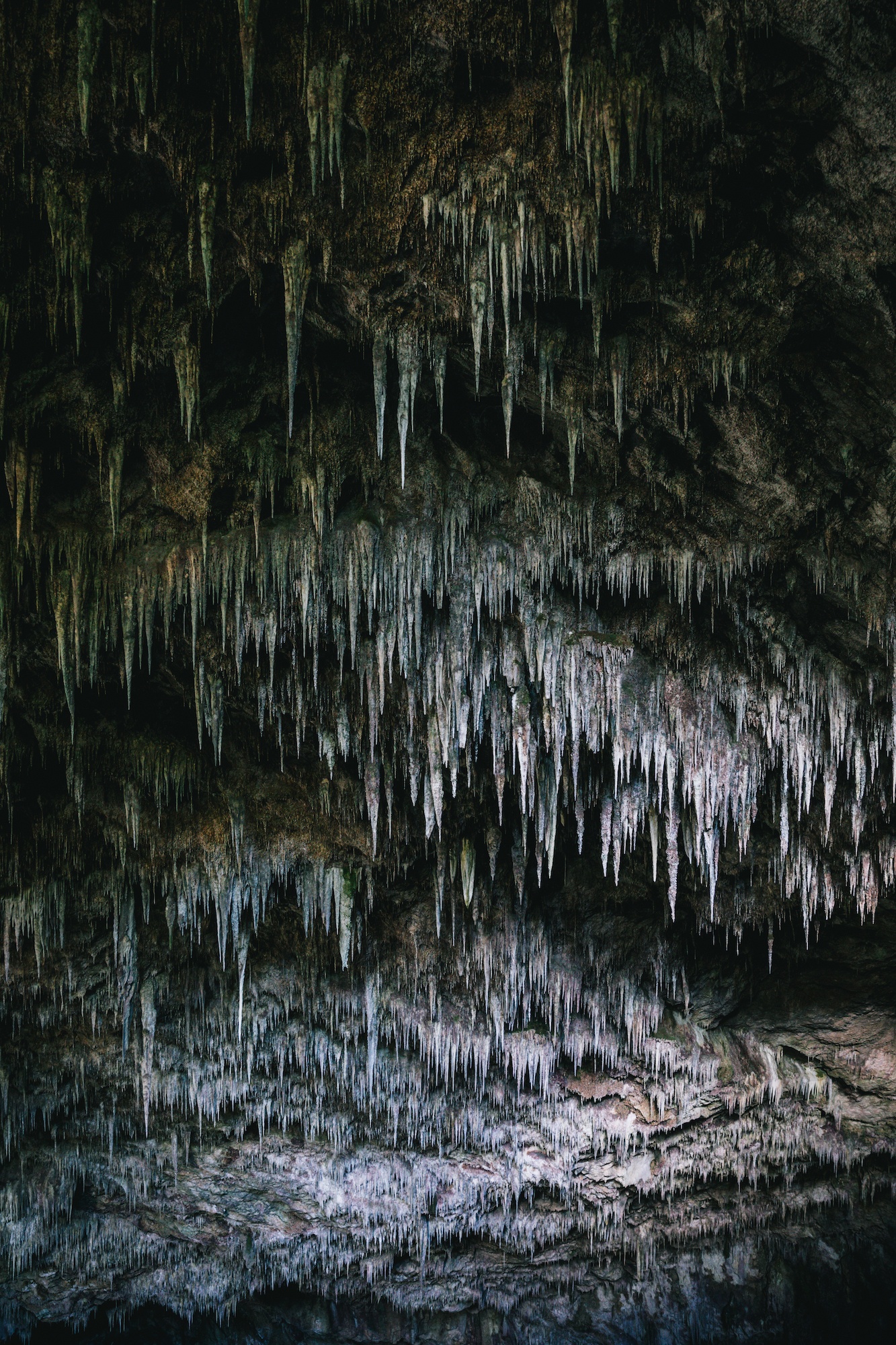
Among the most accessible of these features are the Rawhiti Caves. Located in the dry hills near Takaka, the cave is renowned for its massive entrance and diverse array of phytokarst stalactites—structures shaped by the growth of algae toward the light. Unlike the more commercialized glowworm caves of Waitomo in the North Island, the caves of Golden Bay offer a more rugged, less-modified experience for visitors. This subterranean network is not merely a tourism asset but a vital hydrological system that feeds the region’s famous springs.
Te Waikoropupū Springs: A Benchmark for Water Purity
Central to the region’s environmental and cultural heritage are the Te Waikoropupū Springs, the largest cold-water springs in the Southern Hemisphere. The springs are a taonga (treasure) to the local Māori iwi (tribes) and are protected under a Water Conservation Order, the highest level of legal protection available for a water body in New Zealand.
The clarity of the water at Te Waikoropupū is among the highest ever measured globally. Scientific testing conducted by the National Institute of Water and Atmospheric Research (NIWA) has shown horizontal visibility of up to 81 meters, approaching the theoretical clarity of optically pure water. The springs discharge approximately 14,000 liters of water per second from a massive underground aquifer system. To preserve this purity and respect the spiritual significance of the site, all contact with the water is strictly prohibited. The springs serve as a critical indicator of the health of the wider Takaka Valley aquifer, which faces ongoing pressure from agricultural intensification and potential nitrate runoff.
The Evolution of Regional Tourism and the "Glamping" Trend
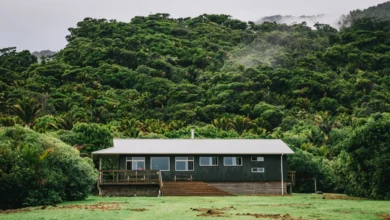
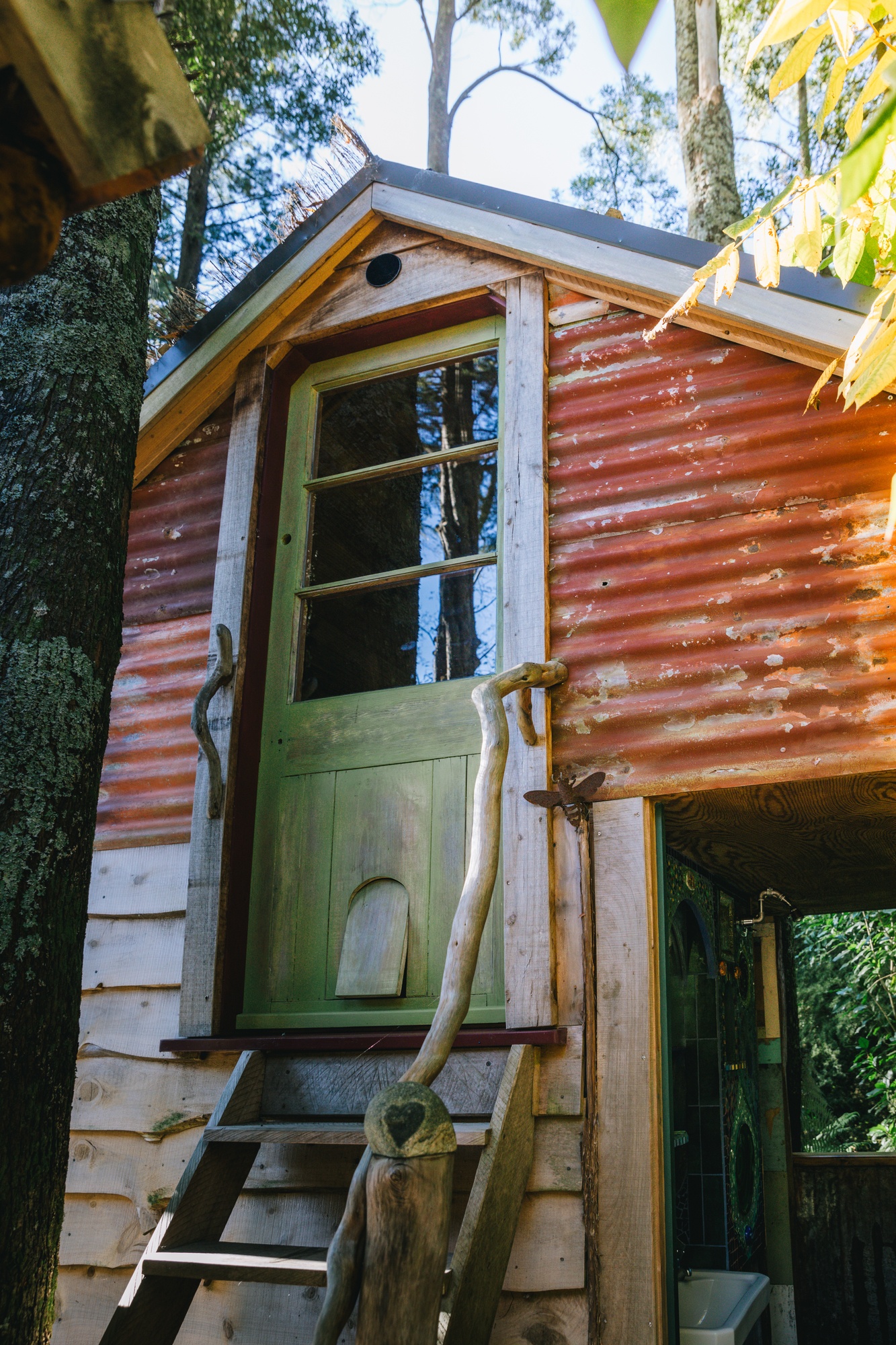
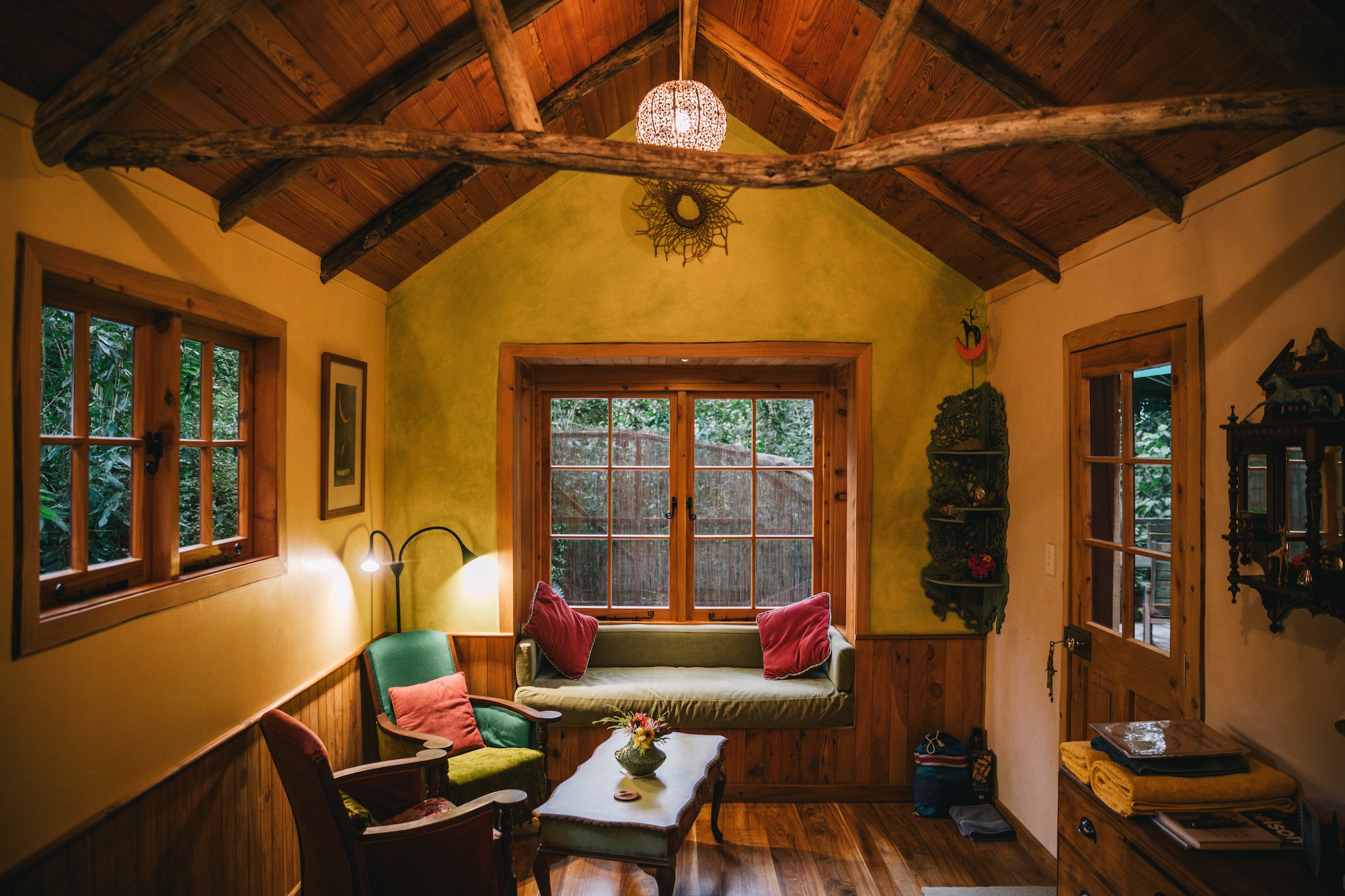
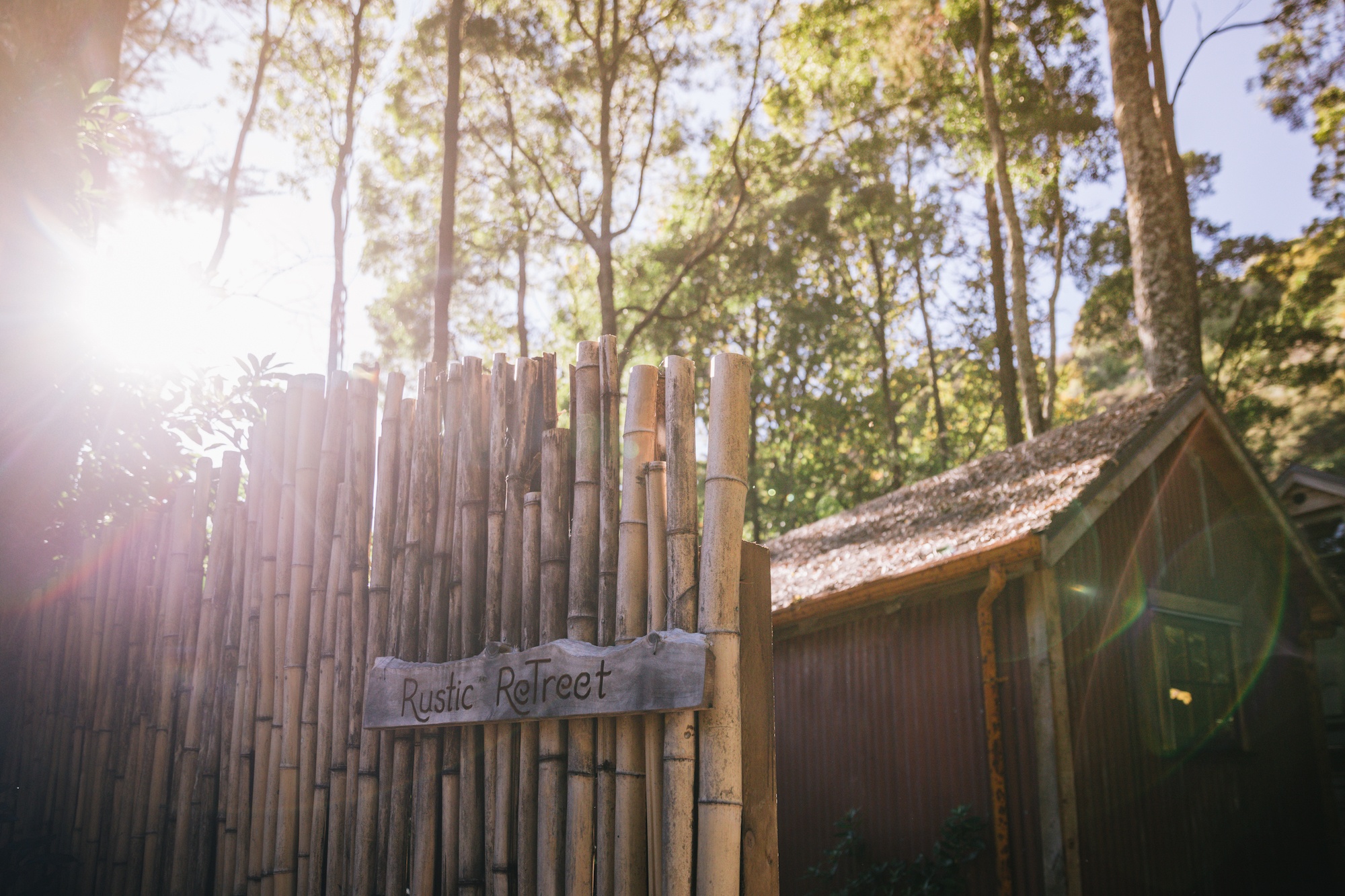
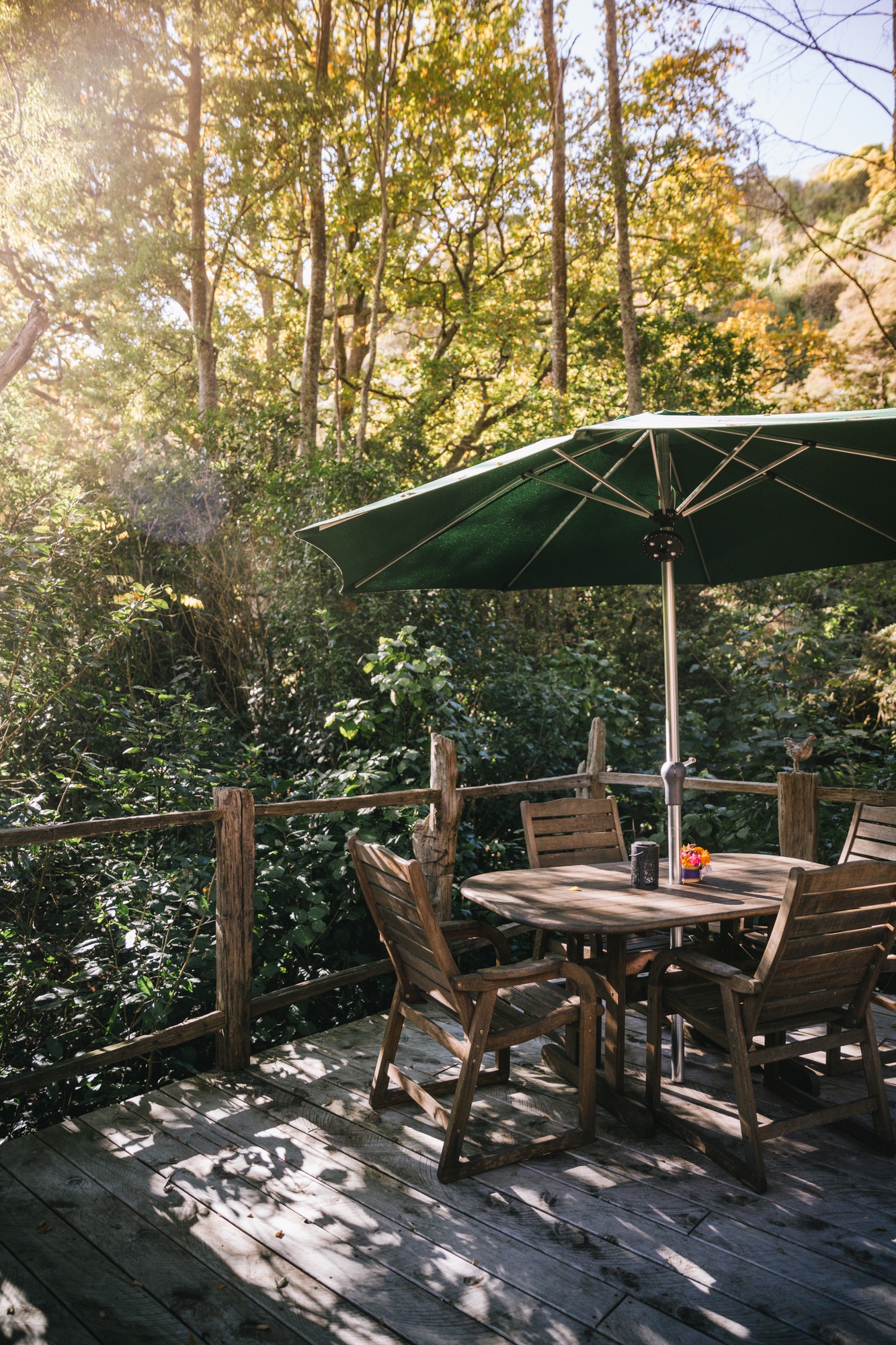
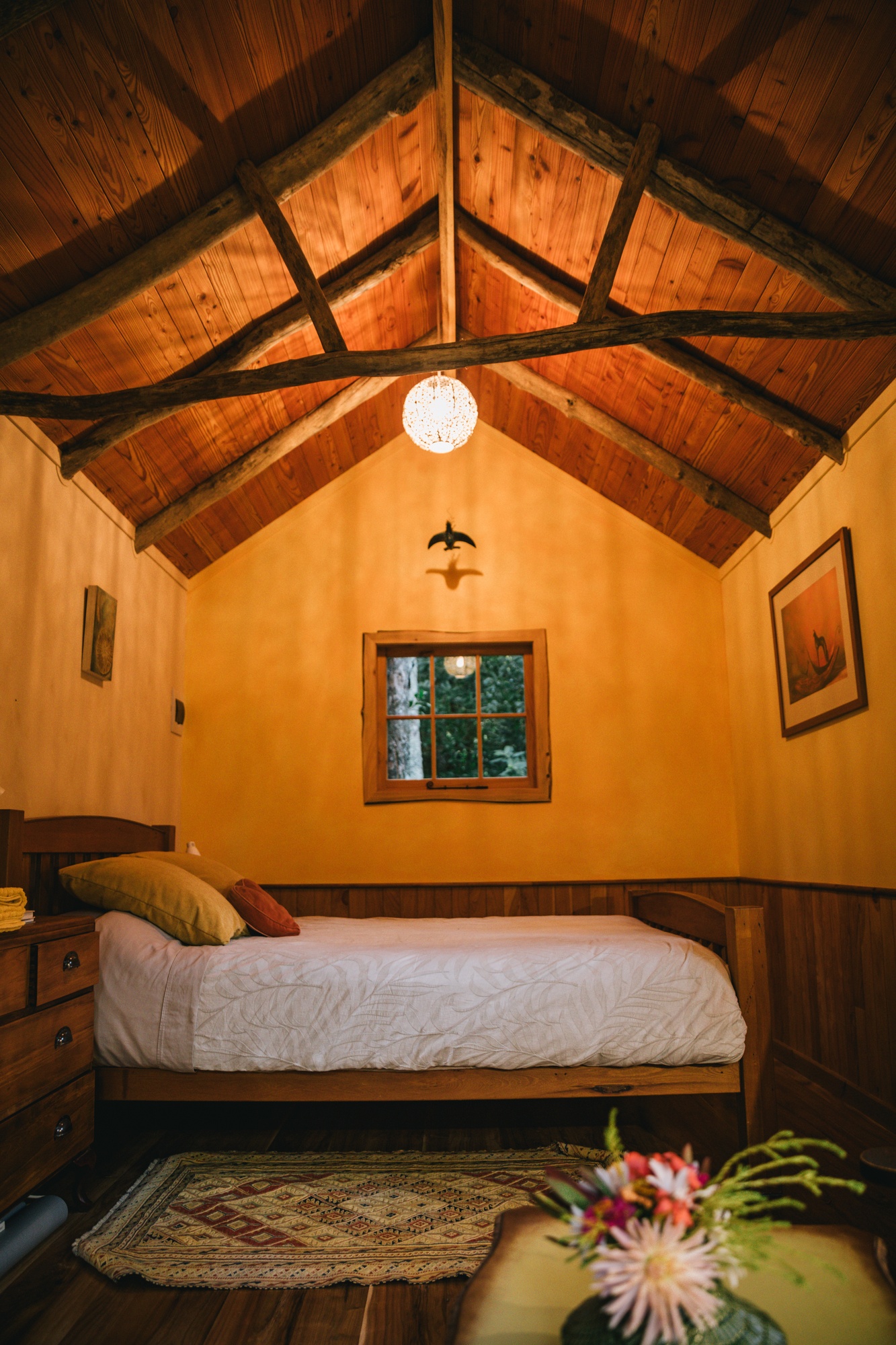
As the global travel market shifts toward sustainable and experiential tourism, Golden Bay has seen a rise in "glamping" (glamorous camping) and unique architectural stays. This trend is exemplified by developments like the Rustic ReTreet, which utilize repurposed materials and timber milled on-site to create low-impact accommodations. These sites often cater to the "homebody traveler"—a demographic seeking seclusion and immersion in nature rather than traditional resort amenities.
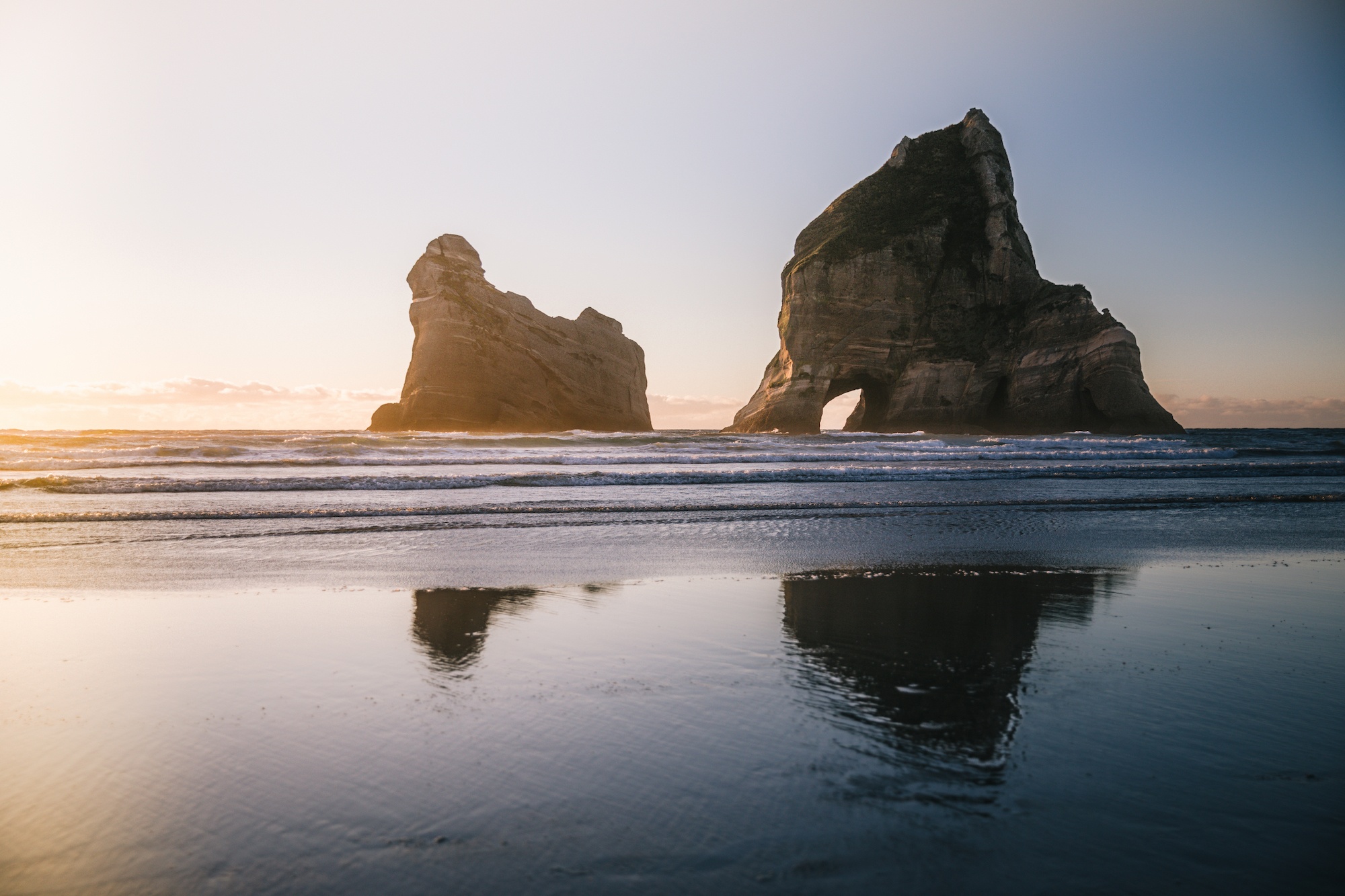
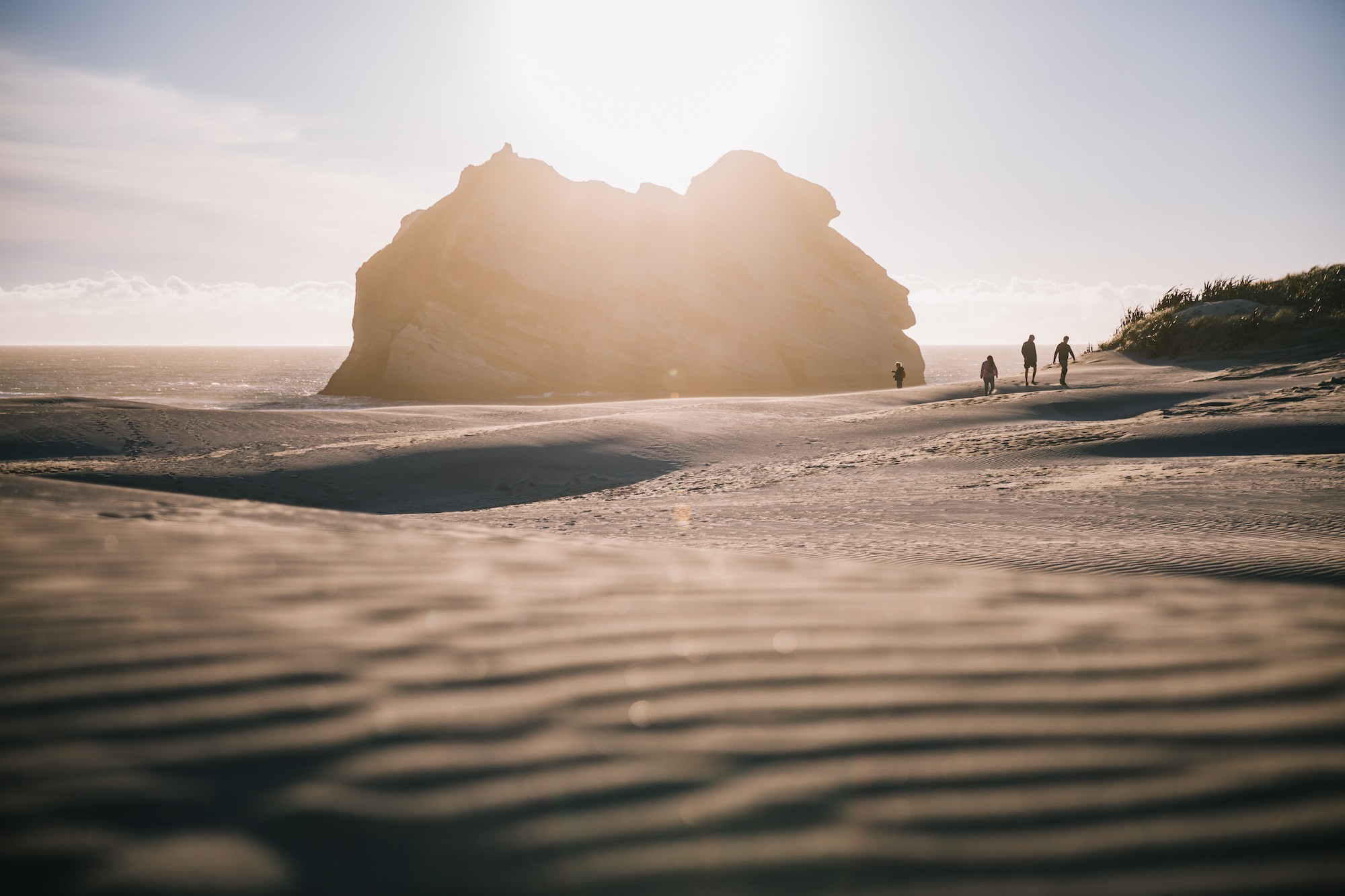
This shift in the hospitality sector aligns with the region’s broader "slow travel" movement. Visitors are increasingly choosing to spend longer periods in the bay, exploring niche locations such as Wharariki Beach. Known for its massive dunes and the Archway Islands, Wharariki is a primary habitat for New Zealand fur seals. The integration of wildlife viewing with high-end, eco-conscious accommodation represents a significant portion of the region’s modern tourism revenue, balancing economic growth with environmental stewardship.

Economic Resilience and Independent Production
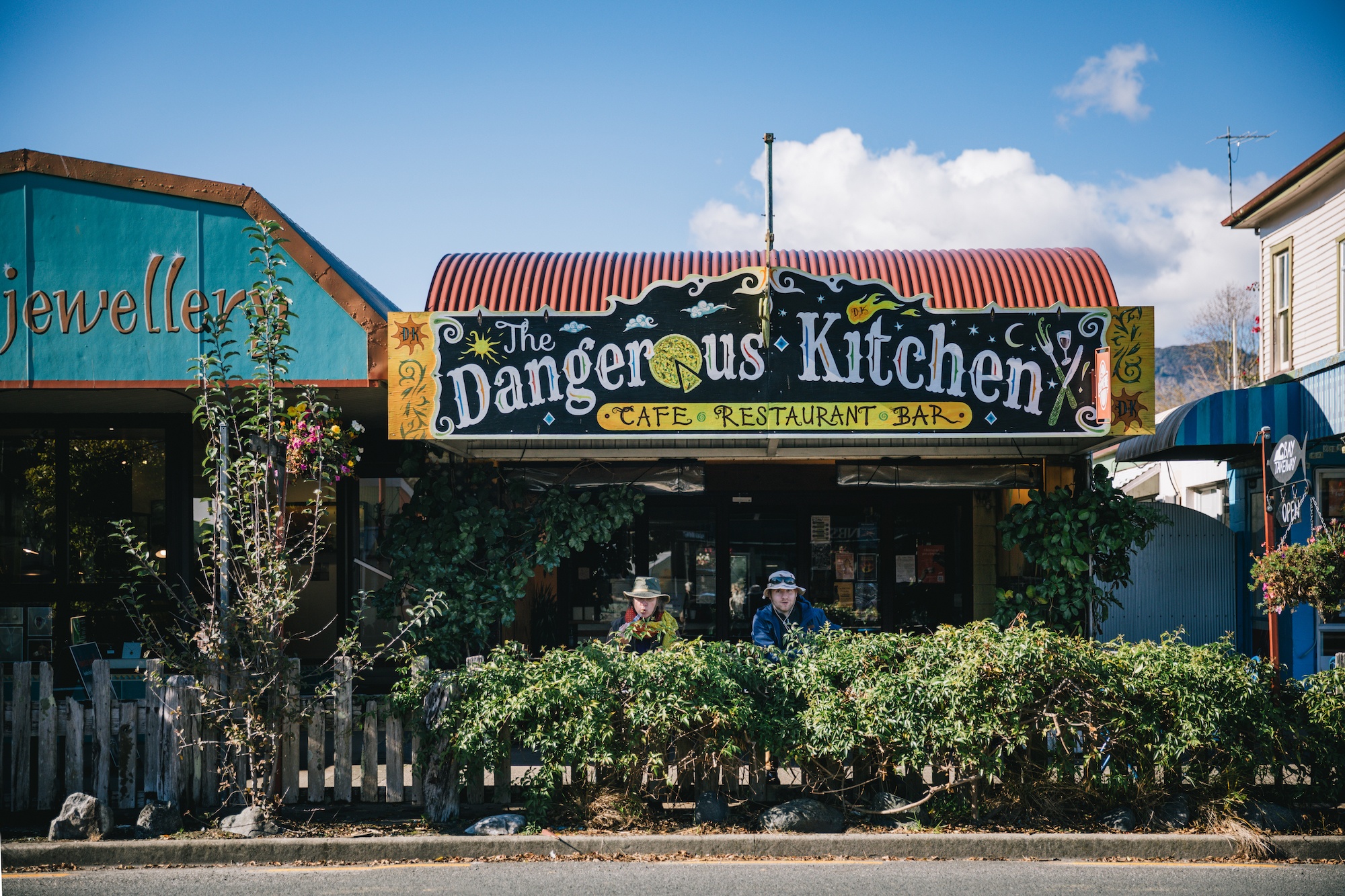
The economy of Golden Bay is notably distinct from the dairy-heavy regions of the South Island. The Tasman District is a hub for independent growers, focusing on high-value crops such as hops, berries, and pipfruit. The prevalence of honesty boxes—roadside stalls where produce is sold based on a trust system—is a testament to the high social capital and community cohesion within the bay.
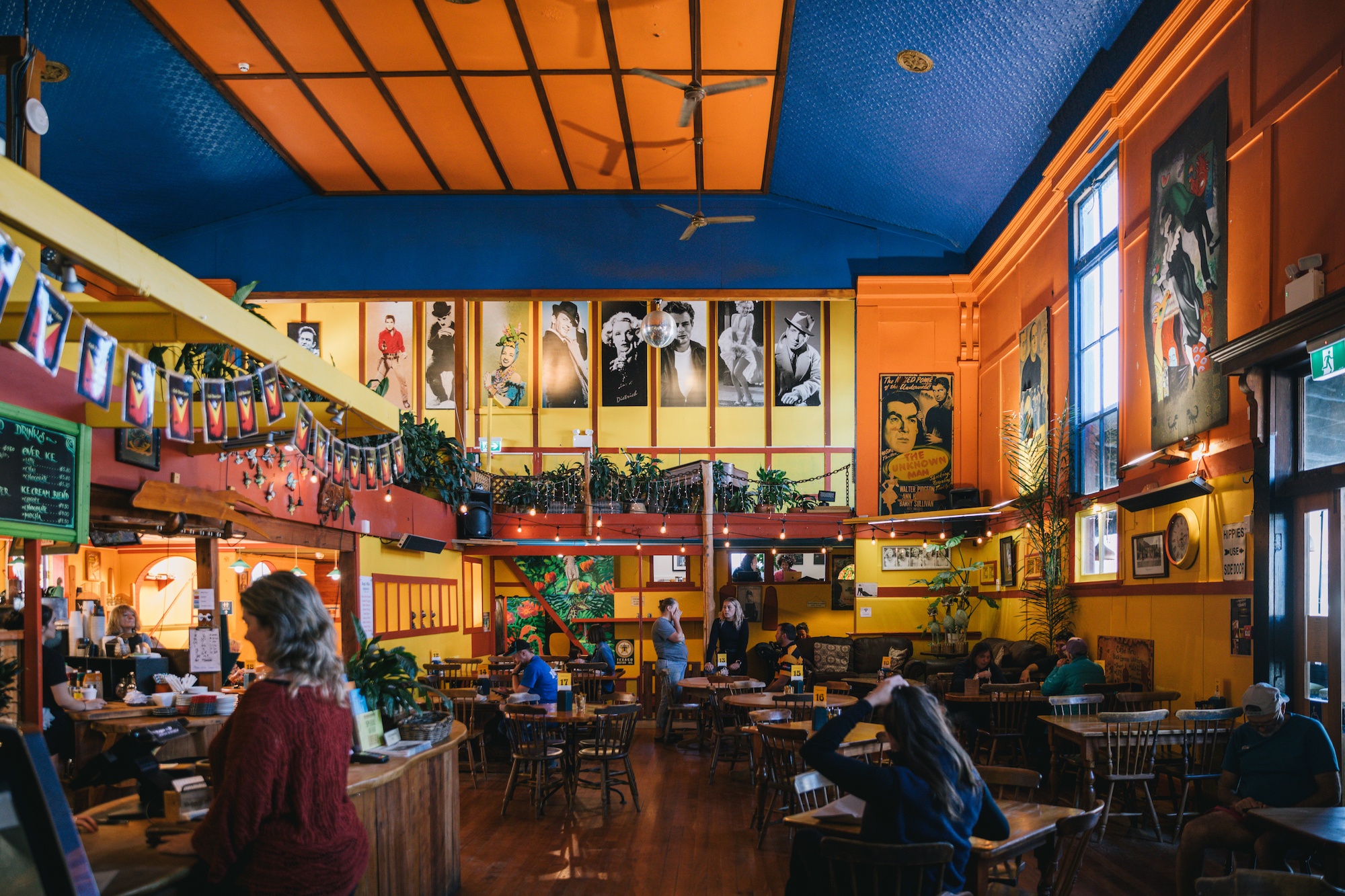
Establishments like the Mussel Inn in Onekaka further illustrate the region’s commitment to localism. Operating as a brewery, restaurant, and cultural venue, such businesses prioritize regional supply chains, brewing their own beverages and sourcing seafood, such as green-lipped mussels, from local waters. This model of self-sufficiency provides a buffer against the price volatility of global commodity markets and reinforces the "90s nostalgia" brand that defines much of the area’s appeal.
Broader Impact and Future Outlook
The future of Golden Bay is inextricably linked to the management of its natural resources and the resilience of its infrastructure. As climate change increases the frequency of extreme weather events, the stability of the Takaka Hill road will remain a primary concern for the Tasman District Council. Proposals for increased ferry links or improved air infrastructure are frequently debated as necessary redundancies.
Furthermore, the region faces the challenge of balancing its "hidden gem" status with the pressures of increasing visitor numbers. The Department of Conservation continues to monitor the impact of tourism on sensitive sites like Farewell Spit and the Heaphy Track to ensure that the ecological values that draw people to the region are not degraded by their presence.
In conclusion, Golden Bay stands as a significant example of how geographical isolation can preserve unique cultural and environmental characteristics. From the scientific marvel of Te Waikoropupū Springs to the community-led conservation efforts at Farewell Spit, the region offers a model of regional identity rooted in the landscape. As it moves forward, the bay’s ability to maintain its traditional "honesty-box" values while embracing modern sustainable tourism will determine its success as one of New Zealand’s most resilient coastal enclaves.