The world of fashion, perpetually in motion, is increasingly finding its grounding not on the runway, but in the very soil from which its materials are born. From the sourcing of natural fibers to the lifecycle of garments and the burgeoning demand for organic materials, a profound connection to the Earth is becoming an undeniable cornerstone of luxury. This primal link extends seamlessly to the ancient art of ceramics, a craft that, while thousands of years old, is experiencing a remarkable resurgence within the fast-paced realm of high fashion. Luxury houses, once content with occasional forays into artisanal collaborations, are now embracing ceramics with a newfound and significant enthusiasm. This engagement is reshaping perceptions of luxury, emphasizing process, authorship, and a deeper connection to the tangible.
The shift is perhaps best understood through the lens of designers who have navigated this transition firsthand. Henry Holland, the British designer known for his eponymous label House of Holland, found himself at a crossroads when the COVID-19 pandemic forced his fashion business into administration. What began as a personal exploration through a few pottery classes swiftly evolved into a new professional chapter with the establishment of Henry Holland Studio. For Holland, this pivot represents a vital reconnection with the core of creative expression, a sentiment echoed by many in the industry grappling with the commercial pressures of modern fashion.
"It really reconnected me with creativity and the hands-on process," Holland explained in a recent interview. "With fashion, when you’re running a brand and running a business, you can get bogged down with the business side." This sentiment highlights a common challenge in the contemporary fashion landscape: the potential for the operational demands of running a global enterprise to overshadow the intrinsic joy and tactile engagement of creation.
The Tactile Appeal of Clay
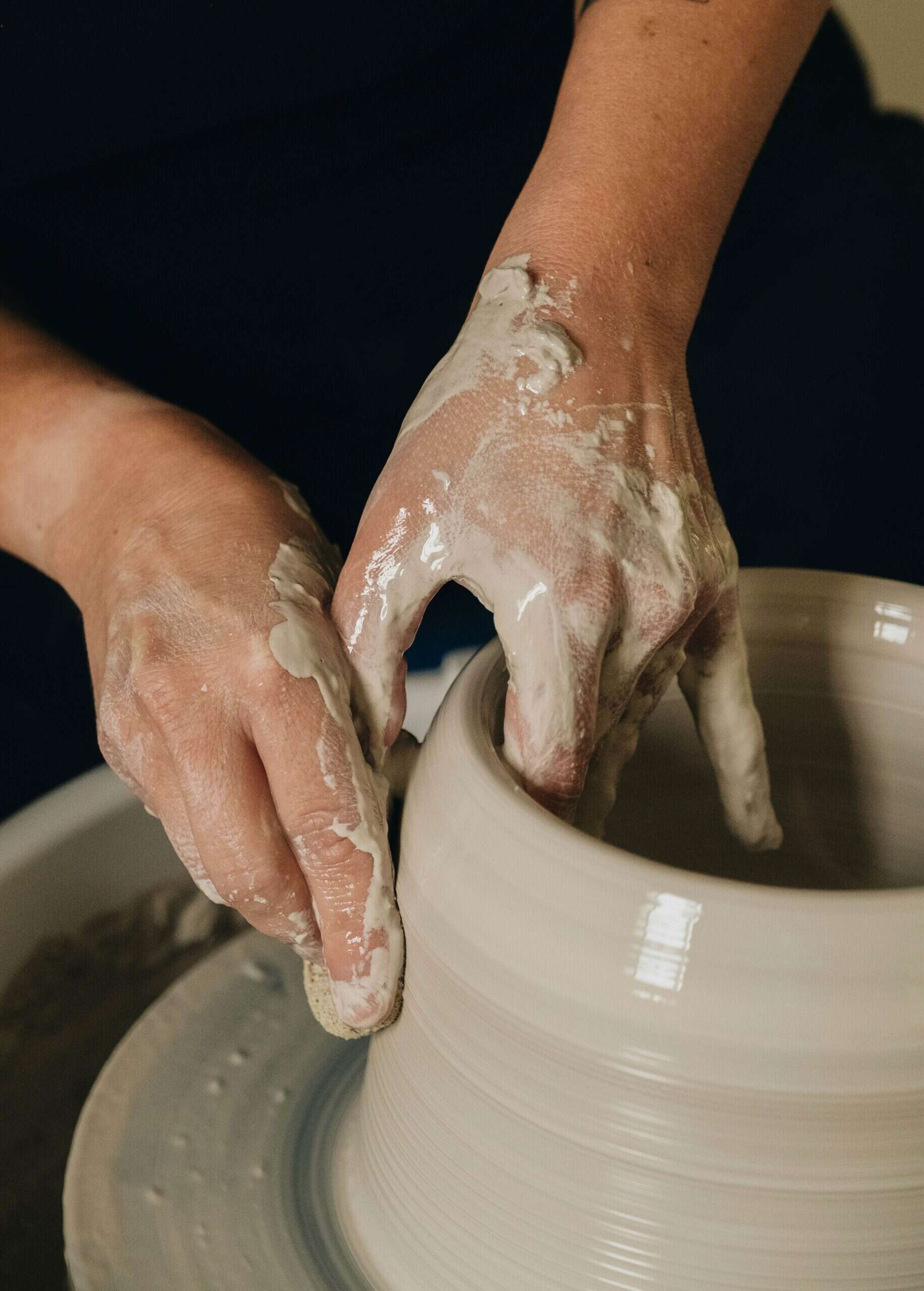
The allure of ceramics for designers like Holland lies not solely in the material itself, but in the profound intimacy of the creation process. Unlike the multi-layered, often distant journey of a fashion piece from conception to consumer, working with clay offers a direct, unmediated relationship between the maker and the object. "It’s just me and my two hands again creating," Holland muses. "That was really refreshing." In an industry often dictated by rigid production schedules and commercial imperatives, the slow, deliberate nature of pottery provides a welcome counterpoint.
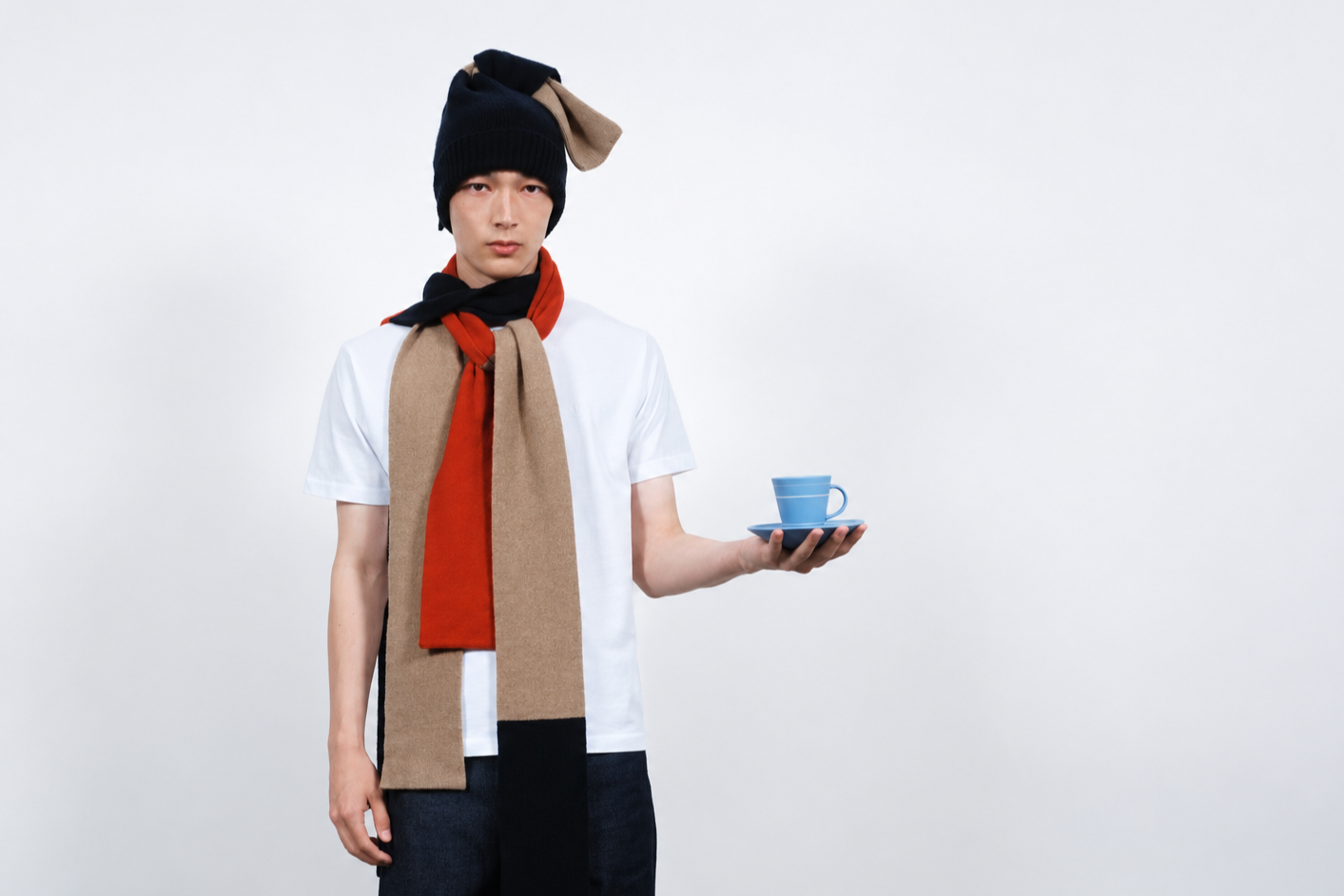
The fashion industry, while always valuing craftsmanship, has seen a trend towards commissioning rather than hands-on creation. Ceramics, however, beckons designers back to the fundamental act of making. Each fingerprint pressed into the clay, the subtle variations in glaze, and the inherent imperfections are not flaws, but rather testament to the artisan’s touch. This individuality is a powerful reminder that true luxury is not always about sterile perfection, but about the story embedded within the process.
"Ceramics is very much about slow craft and slowing down," Holland elaborates. "There’s a real respect and understanding between creatives across different disciplines. People appreciate the process." This appreciation extends beyond individual designers to the broader industry, with major fashion houses increasingly recognizing the inherent value and narrative power of artisanal practices.
Leading the Charge: Jonathan Anderson and Beyond
Few figures in contemporary fashion have been as instrumental in championing the intersection of luxury and craft as Jonathan Anderson. His tenure at Loewe has been marked by a deep commitment to fostering artisanal talent, exemplified by the establishment of the Loewe Foundation Craft Prize. This prestigious award has brought international recognition to makers across a spectrum of disciplines, including ceramics, textiles, and woodworking, celebrating those who push the boundaries of traditional techniques.
Anderson’s recent collaboration with the historic British pottery maker Wedgwood for a collection that reimagined archive designs underscores this commitment. The success of this partnership has paved the way for a second chapter, further solidifying the dialogue between high fashion and heritage craft. His debut collection for Dior, unveiled with significant industry attention, continued this exploration, drawing inspiration from the profound work of British-Kenyan ceramicist Dame Magdalene Odundo, alongside other artists whose practices transcend the conventional boundaries of fashion. This deliberate inclusion signals a conscious effort by leading houses to look beyond fashion’s immediate orbit for creative impetus.
The embrace of ceramics is not an isolated phenomenon. Christopher Bailey, former Chief Creative Officer of Burberry, has made a significant investment in the 175-year-old Burleigh Pottery, signaling a belief in the enduring value of traditional ceramic manufacturing. Louis Vuitton has also engaged with contemporary ceramic artists, commissioning pieces from talents like Shio Kusaka, integrating their unique artistic visions into the brand’s narrative. Dior Maison, a division dedicated to homeware and decorative objects, has a long-standing history of collaborating with artisans whose work blurs the lines between functional objects and collectible art, further emphasizing the growing prestige of handmade ceramic pieces.
A Deeper Definition of Luxury
This burgeoning relationship between fashion and ceramics is not merely a fleeting trend but reflects a fundamental evolution in how consumers define luxury. In an era increasingly concerned with authenticity and meaning, value is no longer solely measured by price or exclusivity, but by authorship, provenance, and the narrative embedded within an object. Consumers are seeking to understand who made a piece, how it was crafted, and the story it tells. Handmade ceramics, with their inherent individuality and the visible traces of the maker’s hand, fulfill these desires in a way that industrially produced luxury goods often cannot.
"Exclusivity has to come in lots of different ways now," Holland observes. "It can’t just be about price point anymore. I think you’ve got to bring different audiences in through storytelling and exploration of the roots of collections." This perspective suggests a strategic shift for luxury brands, moving beyond overt displays of wealth to cultivate deeper emotional connections with their clientele through shared values and authentic narratives.
The significance of initiatives like the Loewe Foundation Craft Prize lies in their role in positioning luxury houses as patrons of the arts. By supporting individual artists and providing platforms for contemporary makers, these brands are not only enriching their own creative output but also introducing new audiences to the world of craft. "I think it’s really beneficial for the artisans and craftspeople," Holland notes. "It uplifts their work and creates a new level of recognition." This symbiotic relationship fosters a more sustainable ecosystem for artisanal practices, ensuring their survival and evolution in the modern world.
The Enduring Materiality of Clay
While fashion has a well-documented history of absorbing and transforming cultural movements into trends, the current engagement with ceramics feels more profound. Holland himself acknowledges that the industry has a tendency to embrace concepts like sustainability and inclusivity, only to move on. However, he believes that the deep-rooted appreciation for craft, and specifically ceramics, has the potential to transcend ephemerality. "I think designers and houses and brands are much more aware of that and making sure that they don’t engage in these things in a way that they engage and disengage," he states. "It becomes part of the brand’s DNA."
The sustained interest in ceramics suggests a move towards integrating craft into the core identity of brands, rather than treating it as a superficial aesthetic. This is particularly relevant as consumers increasingly seek products with a tangible connection to their origins and creators. The slow-burn nature of ceramics, its inherent connection to the earth, and the personal touch of the artisan resonate deeply in a world that often feels disconnected and mass-produced.
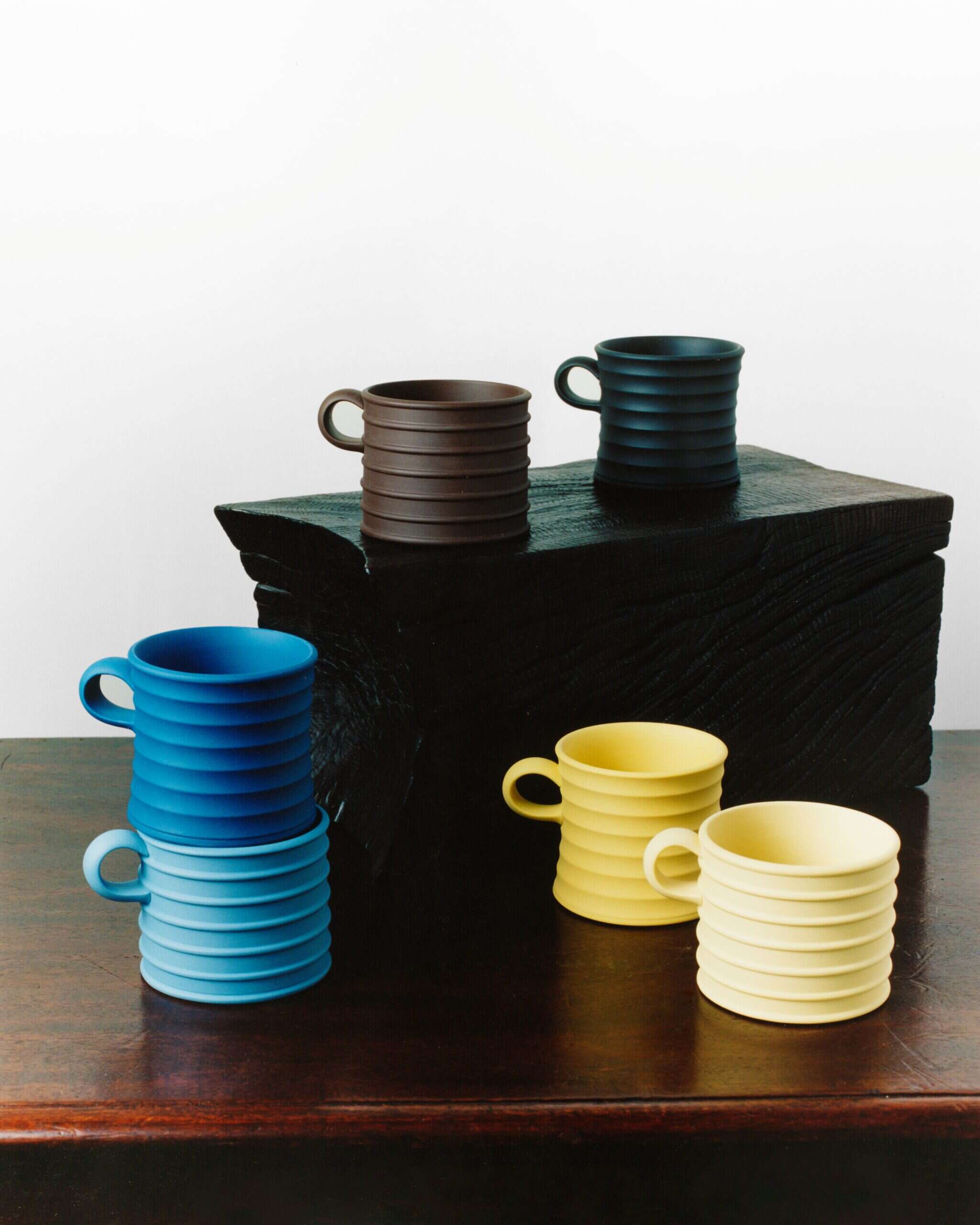
Data from market research firms like Statista indicates a growing consumer preference for artisanal and handcrafted goods. Reports suggest that while the global luxury market continues to expand, there is a discernible shift towards valuing experiences, authenticity, and products with a story. For instance, studies have shown a significant increase in consumer willingness to pay a premium for ethically sourced and handcrafted items. This growing demand fuels the narrative that ceramics are not just a passing fancy but a significant component of the future luxury landscape.
If ceramics are indeed having a moment, it is a moment that has been millennia in the making. Fashion’s rapid pace may be slowing, at least in certain creative circles, as designers discover the enduring appeal of clay. This fascination with an ancient material, shaped by human hands, suggests that some of the industry’s most forward-thinking creators are no longer in a rush, choosing instead to embrace a more deliberate, grounded, and ultimately more meaningful approach to luxury. The connection to the Earth, once a subtle undercurrent, is now firmly at the forefront, shaping the very definition of what it means to be luxurious in the 21st century.