25 Best Things to Do in Flagstaff: A Comprehensive Guide to Northern Arizona’s High-Country Hub

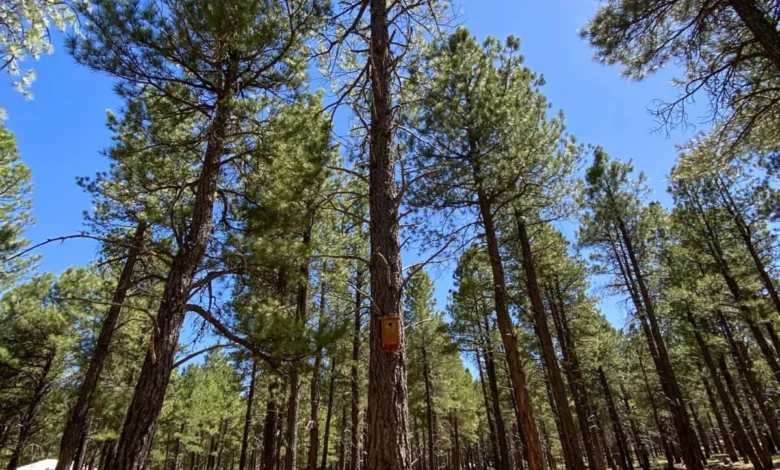
Flagstaff, Arizona, situated at an elevation of 7,000 feet on the southwestern edge of the Colorado Plateau, serves as a critical economic and cultural anchor for Northern Arizona. Known as the "City of Seven Wonders," Flagstaff is positioned within the largest contiguous ponderosa pine forest in the world and functions as the primary gateway to Grand Canyon National Park. With a population of approximately 77,000 residents, the city is a unique blend of a bustling university town, a historic railroad hub, and a center for scientific research. As the world’s first International Dark Sky City, it offers a distinct environment where urban development meets rigorous environmental preservation, catering to millions of tourists annually who seek outdoor adventure, astronomical discovery, and historical exploration.
Historical Evolution and the Legacy of the High Country
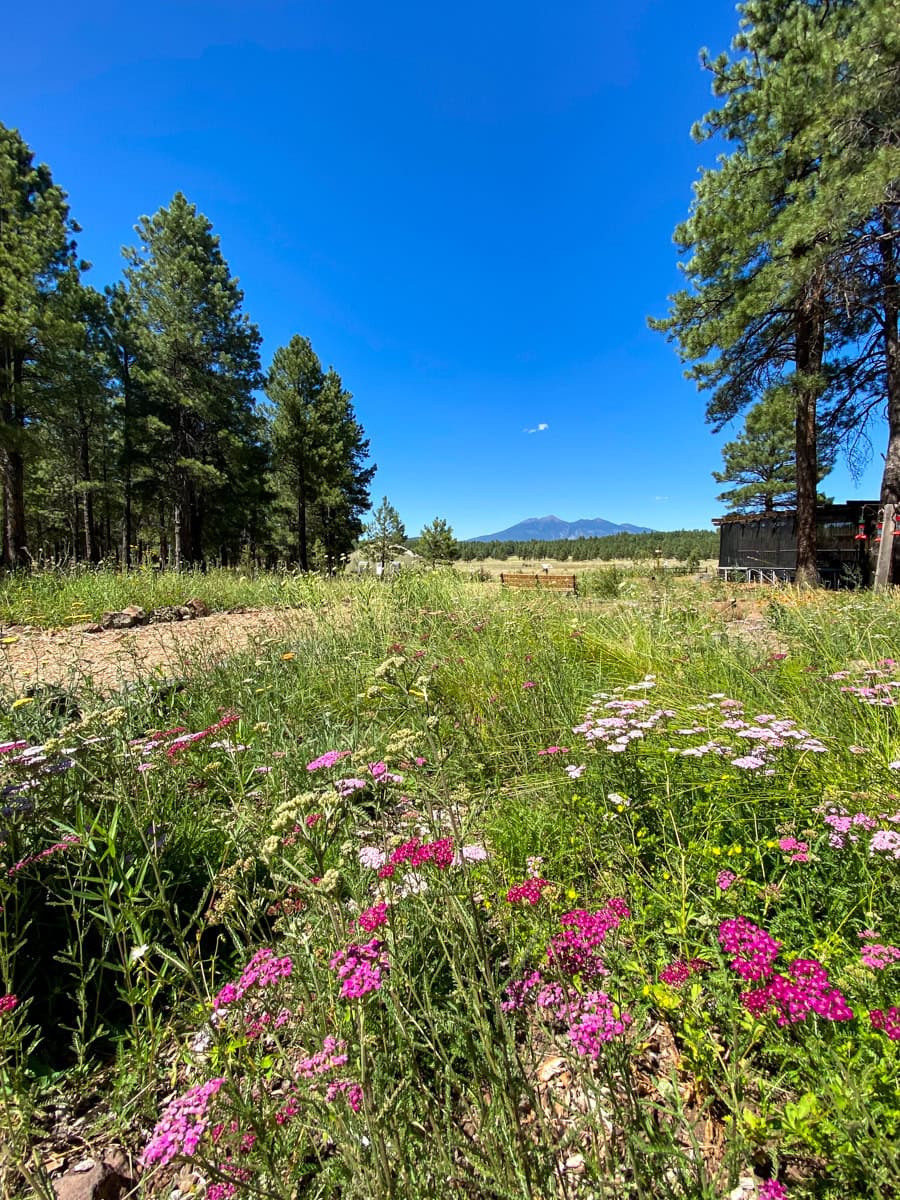
The development of Flagstaff is deeply rooted in the late 19th-century expansion of the American West. The city’s name purportedly originates from a flag-raising ceremony held on July 4, 1876, to celebrate the United States Centennial. However, its formal growth was spurred by the arrival of the Atlantic and Pacific Railroad in 1882. This infrastructure turned Flagstaff into a center for the timber and ranching industries, legacies that remain visible today.
1. Historic Downtown Flagstaff
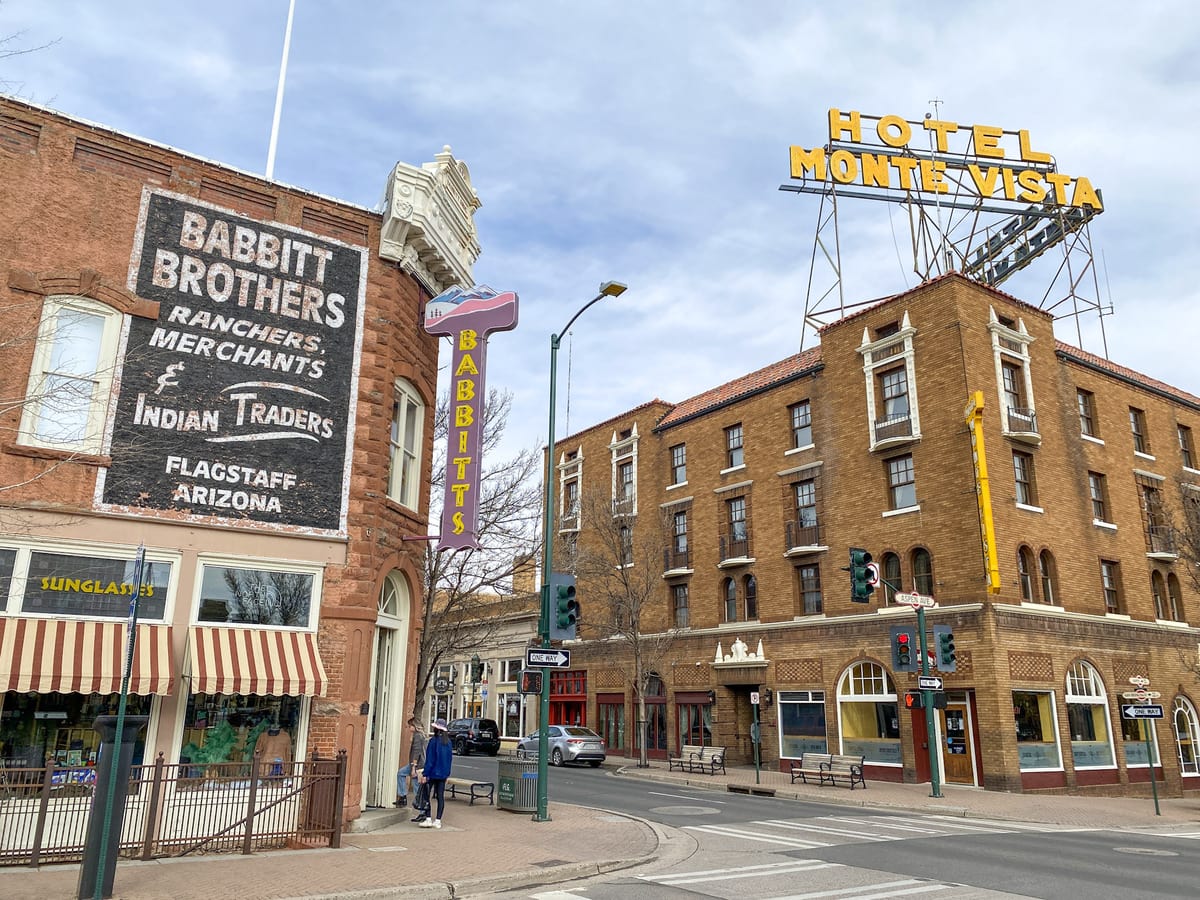
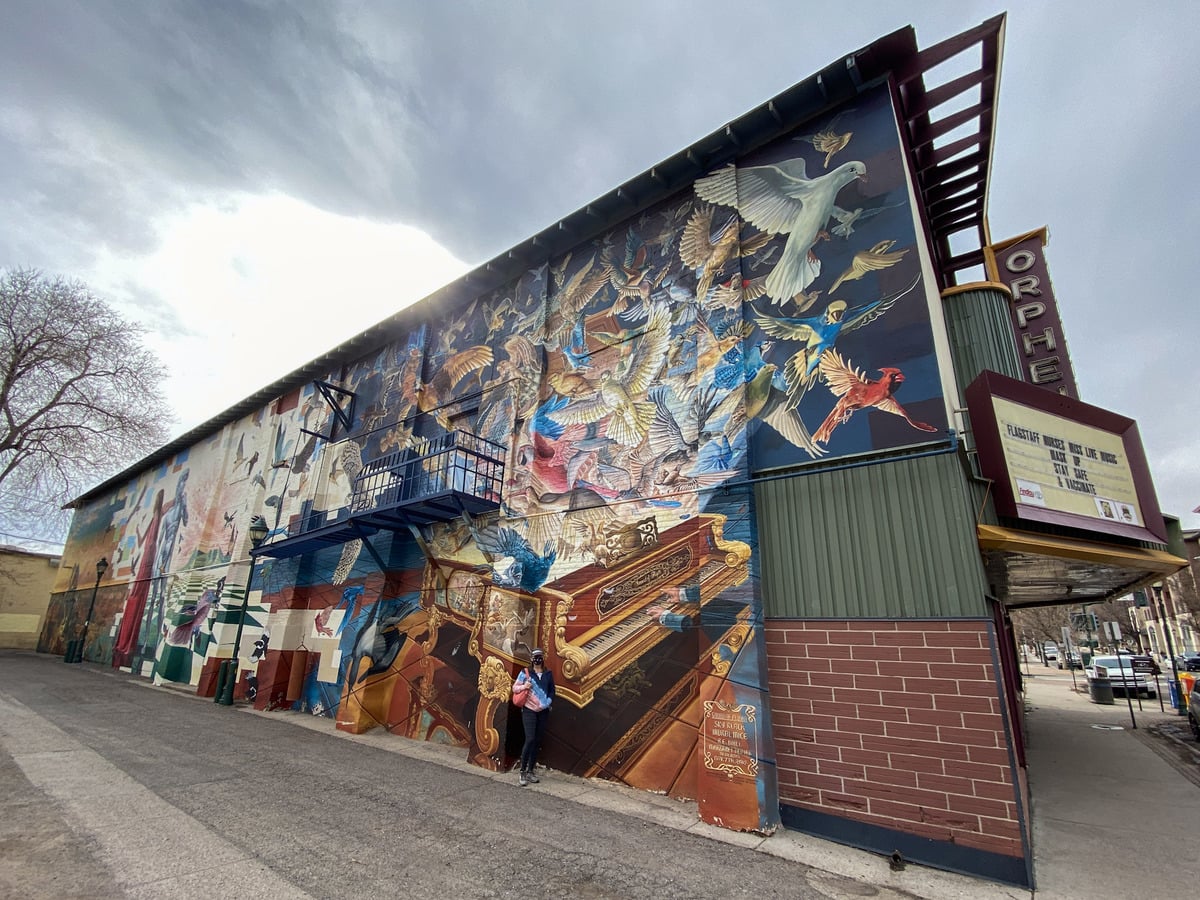
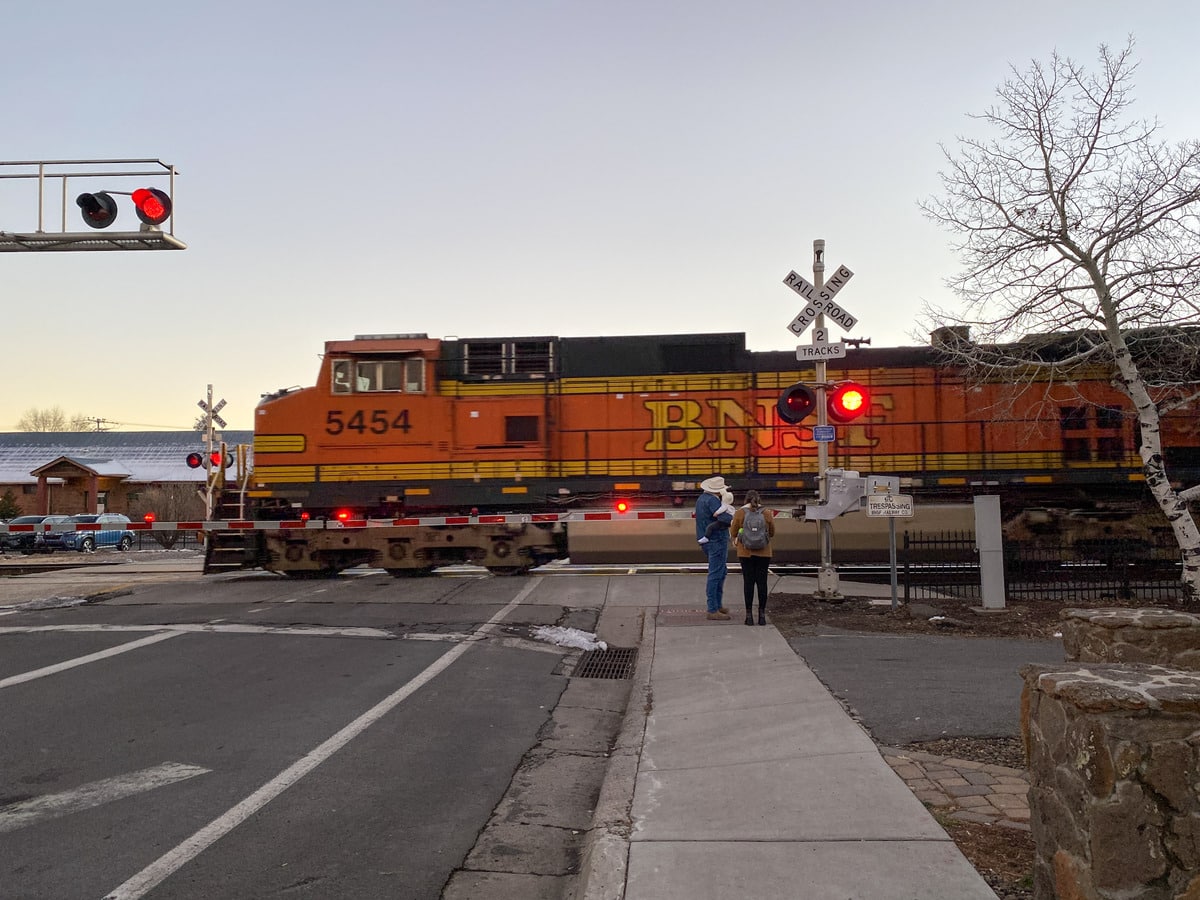
The city’s urban core remains a preserved testament to its railroad origins. Over 100 trains pass through the city daily, maintaining the rhythmic atmosphere of a working rail town. The downtown area is characterized by red-brick architecture and a pedestrian-friendly layout. Notable landmarks include the Babbitt Brothers building, which opened in 1889 as the town’s first department store and continues to operate as an outdoor gear shop, reflecting the city’s shift toward the recreation economy.
2. Riordan Mansion State Historic Park
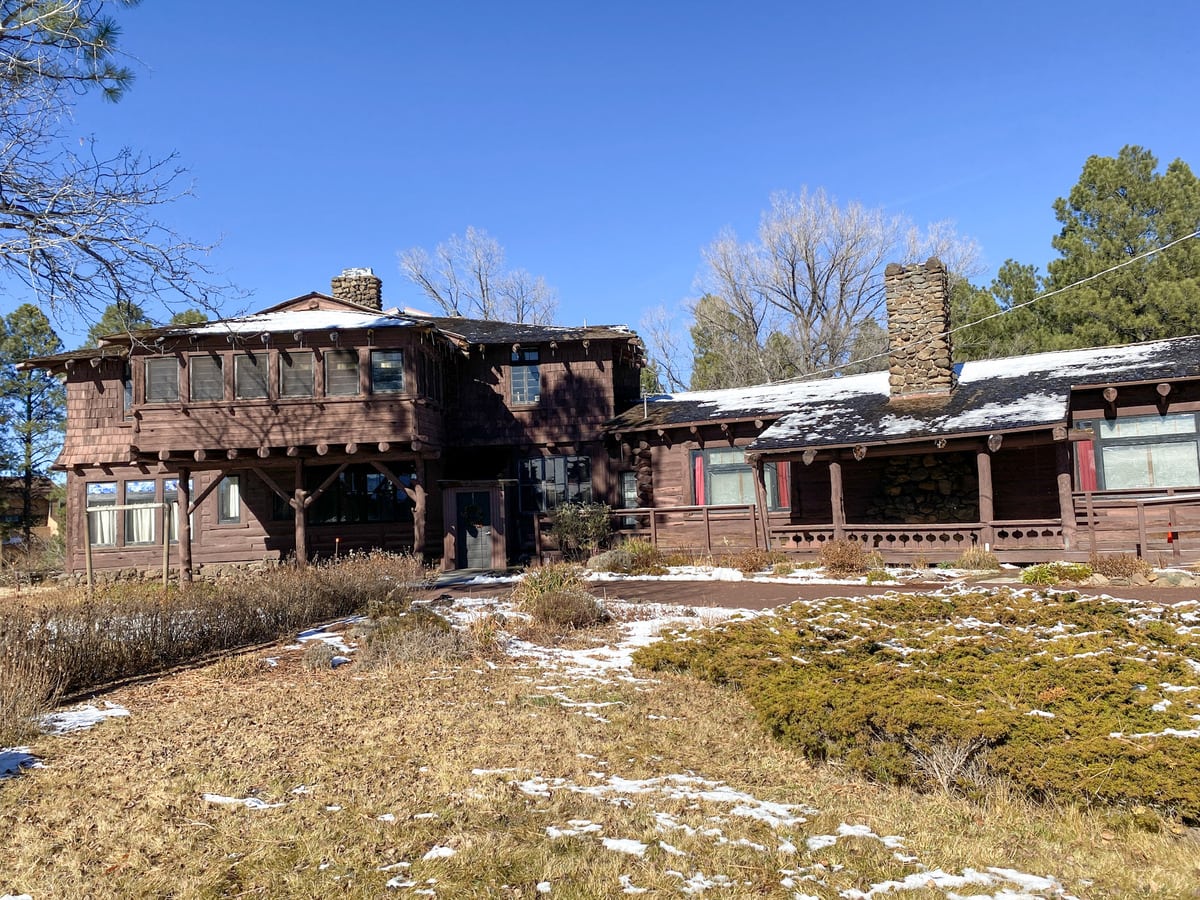
To understand the socioeconomic history of early 20th-century Arizona, the Riordan Mansion provides a critical look at the lives of the timber barons who built the city. Constructed in 1904, the American Arts and Crafts-style residence consists of two nearly identical homes joined by a common room. The site preserves original furnishings and provides insight into the early infrastructure of the region.
3. Pioneer Museum
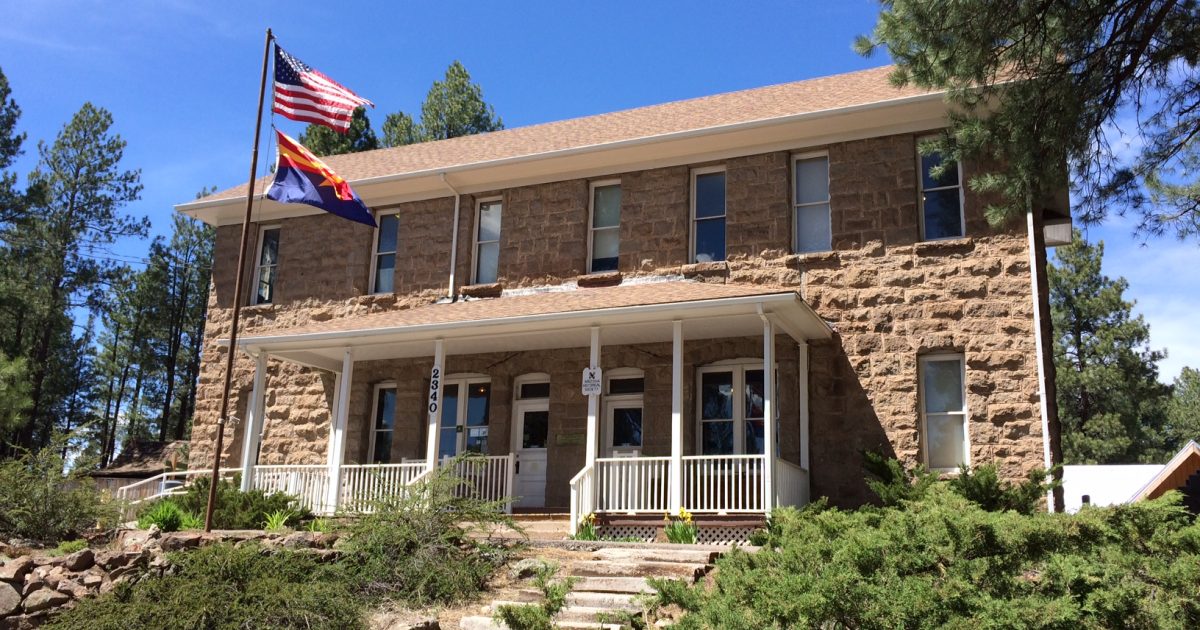
Operated by the Arizona Historical Society, the Pioneer Museum focuses on the logging, ranching, and transportation history of the region. Housed in a 1908 building that formerly served as a county hospital, the museum features "Decade Rooms" that trace the city’s evolution from 1880 to 1960. While currently undergoing major renovations, the site remains a focal point for regional heritage.
Scientific Achievement and the Dark Sky Initiative
Flagstaff’s high altitude and clear atmosphere have made it a global center for astronomy. In 1958, the city’s commitment to preserving the night sky led to the world’s first lighting ordinance, culminating in its 2001 designation as the first International Dark Sky City.
4. Lowell Observatory
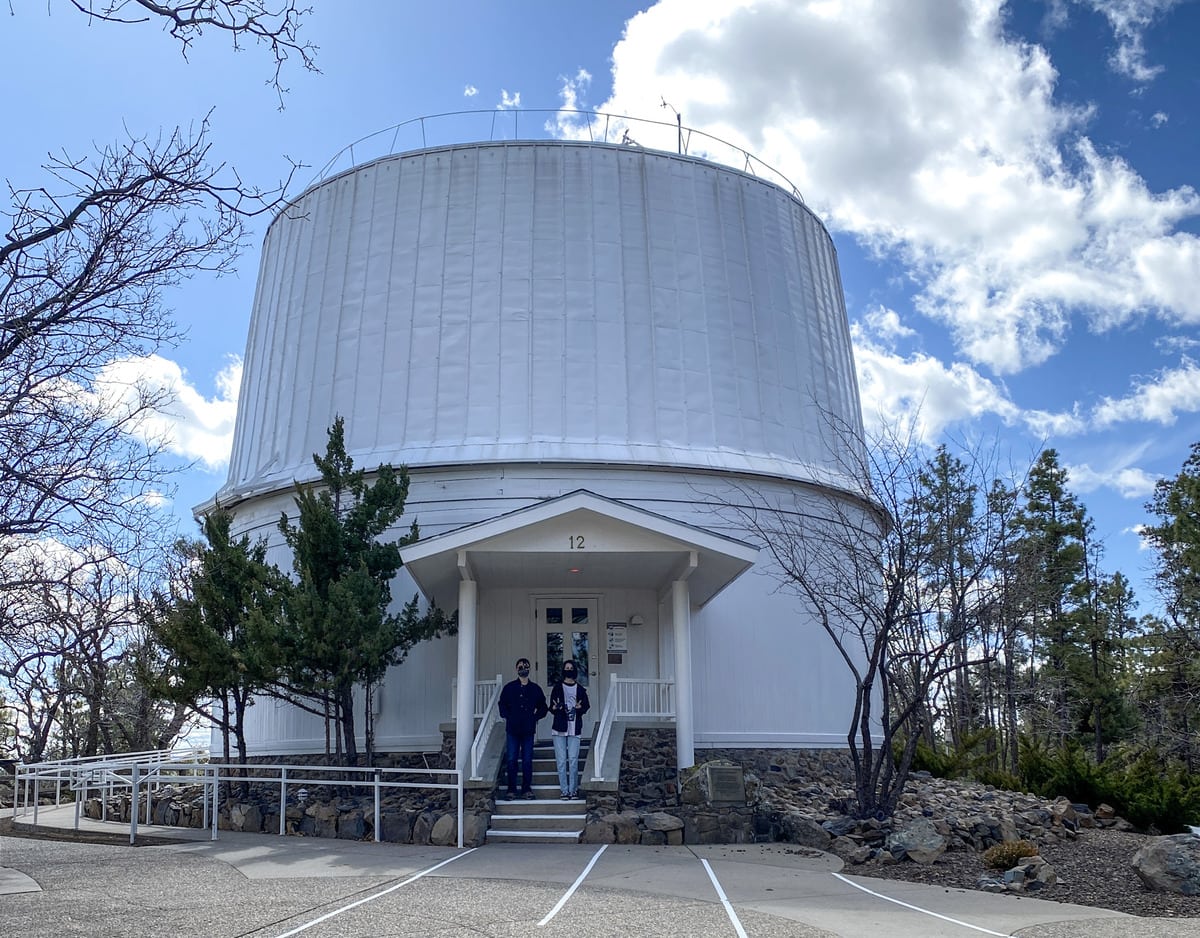
Established in 1894 by Percival Lowell, this observatory is one of the most significant astronomical research sites in the United States. It is most famous as the location where Clyde Tombaugh discovered Pluto in 1930. The facility also served as a training ground for Apollo astronauts in the 1960s. Today, it remains an active research center and a public education hub, featuring the 125-year-old Clark Refractor and the modern Giovale Open Deck Observatory.
5. Northern Arizona University (NAU)
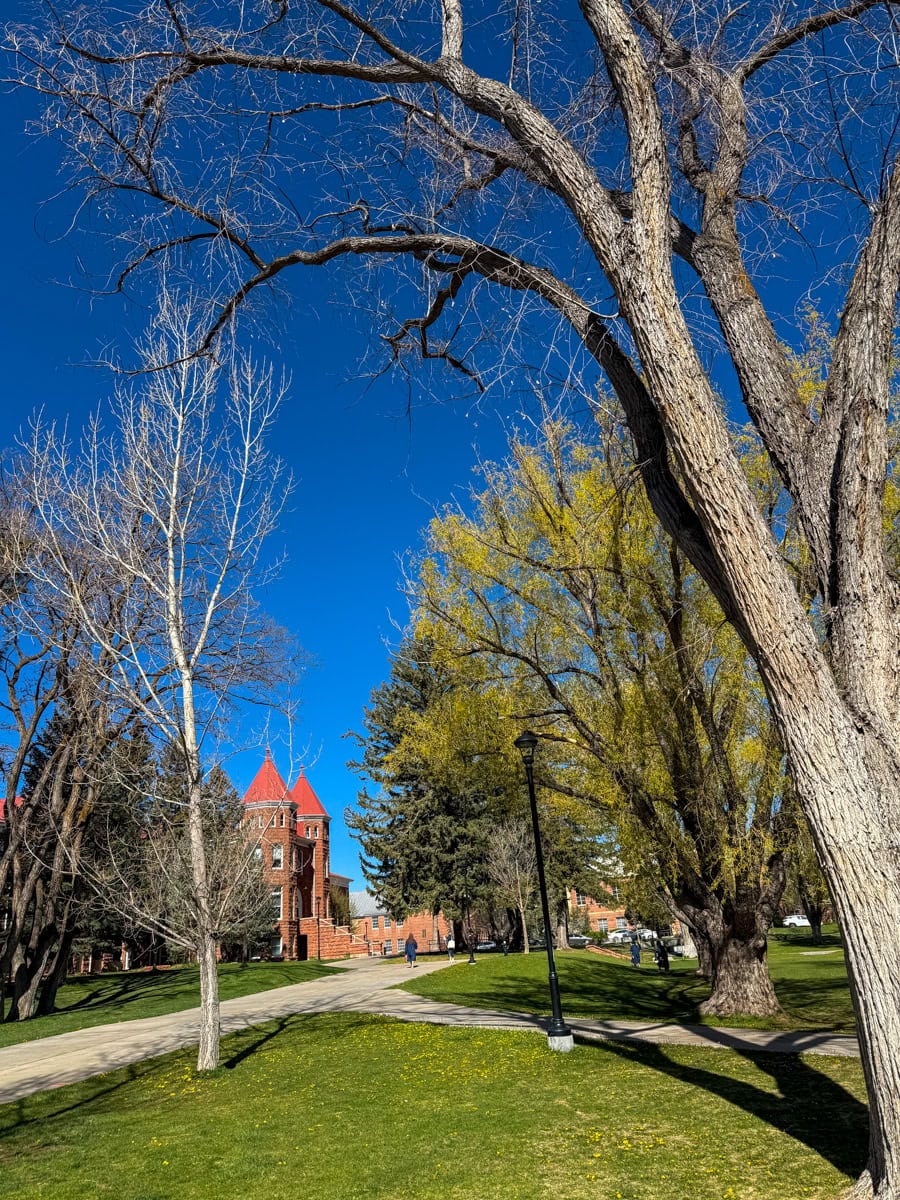
Contributing significantly to the city’s youthful demographic and intellectual capital, NAU is home to over 20,000 students. The campus is integrated into the city’s landscape, featuring historic structures like Old Main. The university’s mascot, the Lumberjack, pays homage to the region’s industrial past, while its research departments lead in forestry, climate science, and planetary studies.
Natural Wonders and the National Monument Corridor
The geographic diversity surrounding Flagstaff allows for a wide range of geological and archaeological exploration. Within a short drive, visitors can transition from alpine forests to volcanic cinder fields and ancient canyon dwellings.
6. Grand Canyon National Park
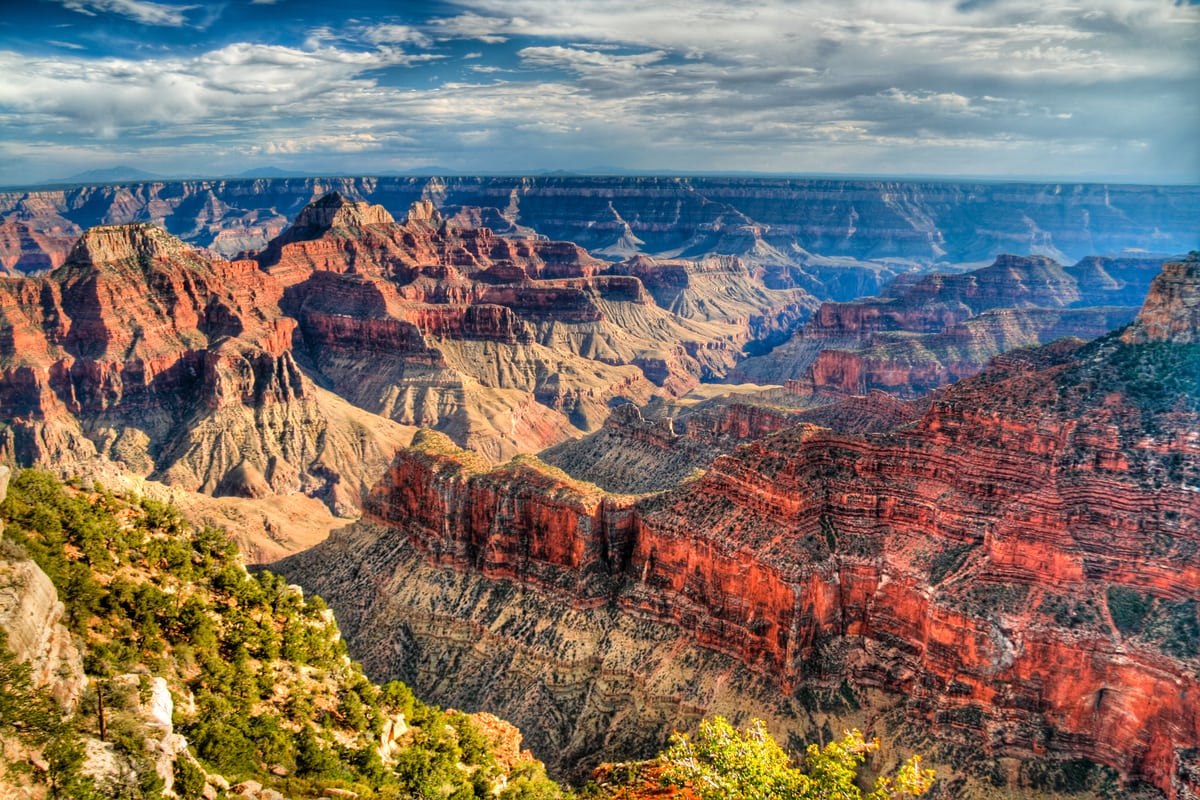
Located 90 minutes north of Flagstaff, the South Rim of the Grand Canyon is the primary draw for regional tourism. Flagstaff serves as the logistical base for visitors, offering expanded lodging and dining options. The relationship between the city and the park is symbiotic, with Flagstaff providing the necessary infrastructure for the millions who visit the UNESCO World Heritage site annually.
7. Walnut Canyon National Monument
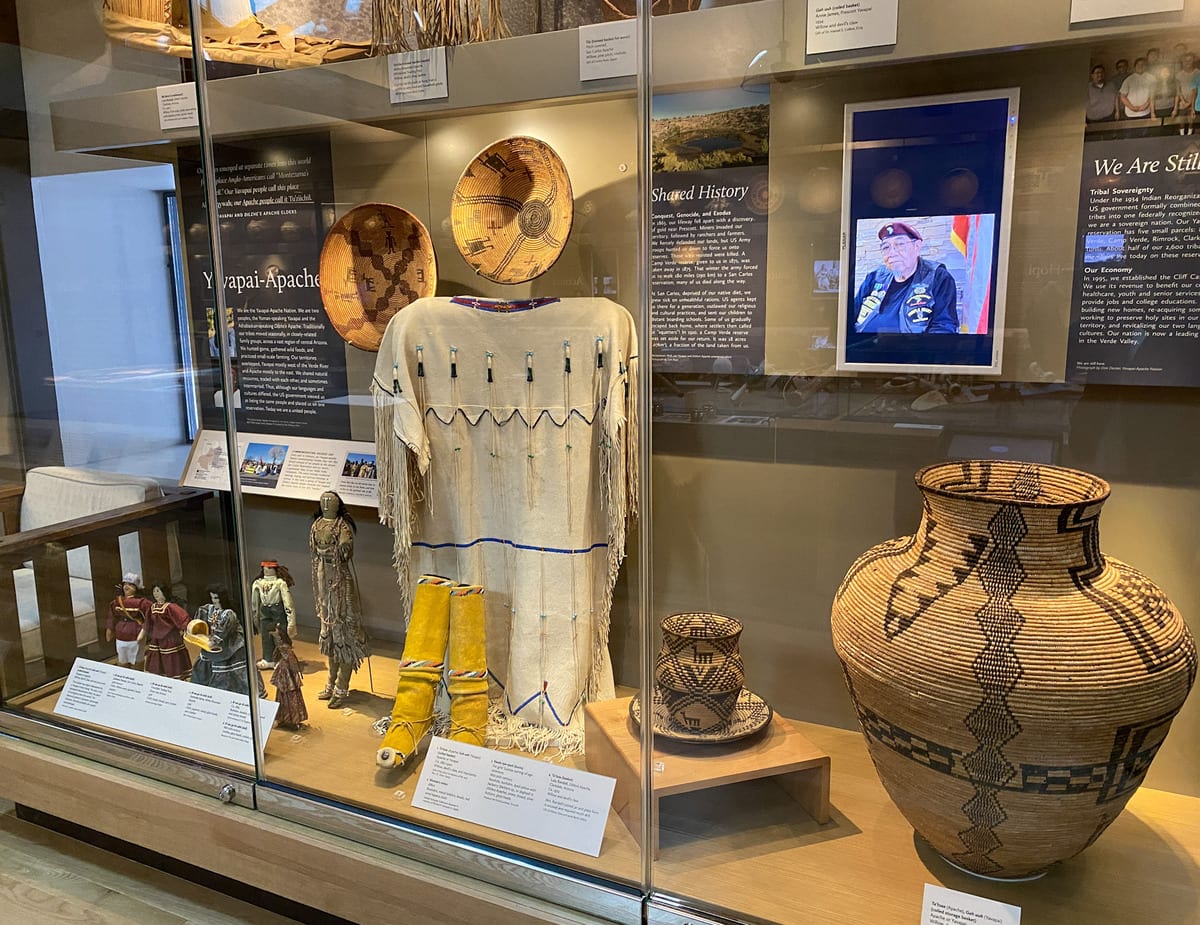
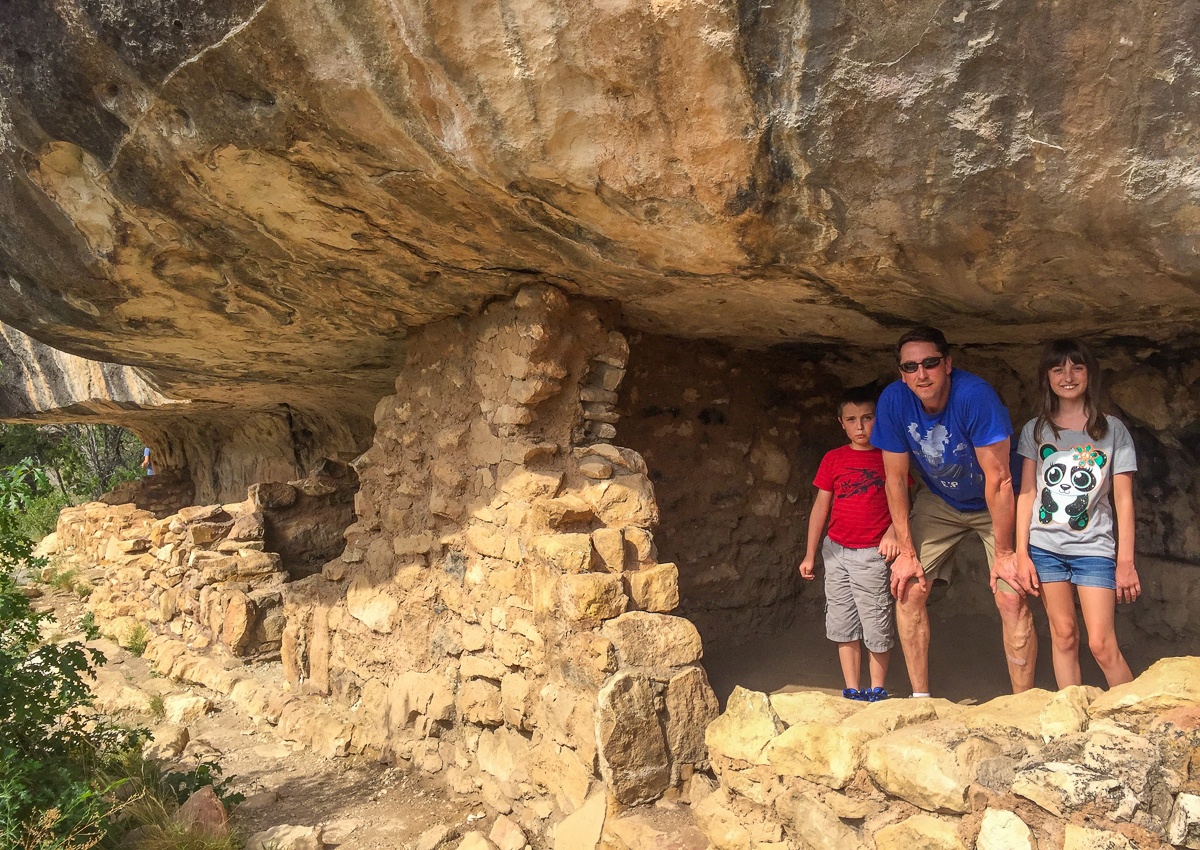
This site preserves 25 accessible cliff dwellings built by the Sinagua people between 600 and 1400 AD. The Island Trail, a steep one-mile loop, allows for close observation of these architectural feats. The monument serves as a vital link to the ancestral history of the Hopi and other indigenous tribes of the Colorado Plateau.
8. Sunset Crater Volcano National Monument
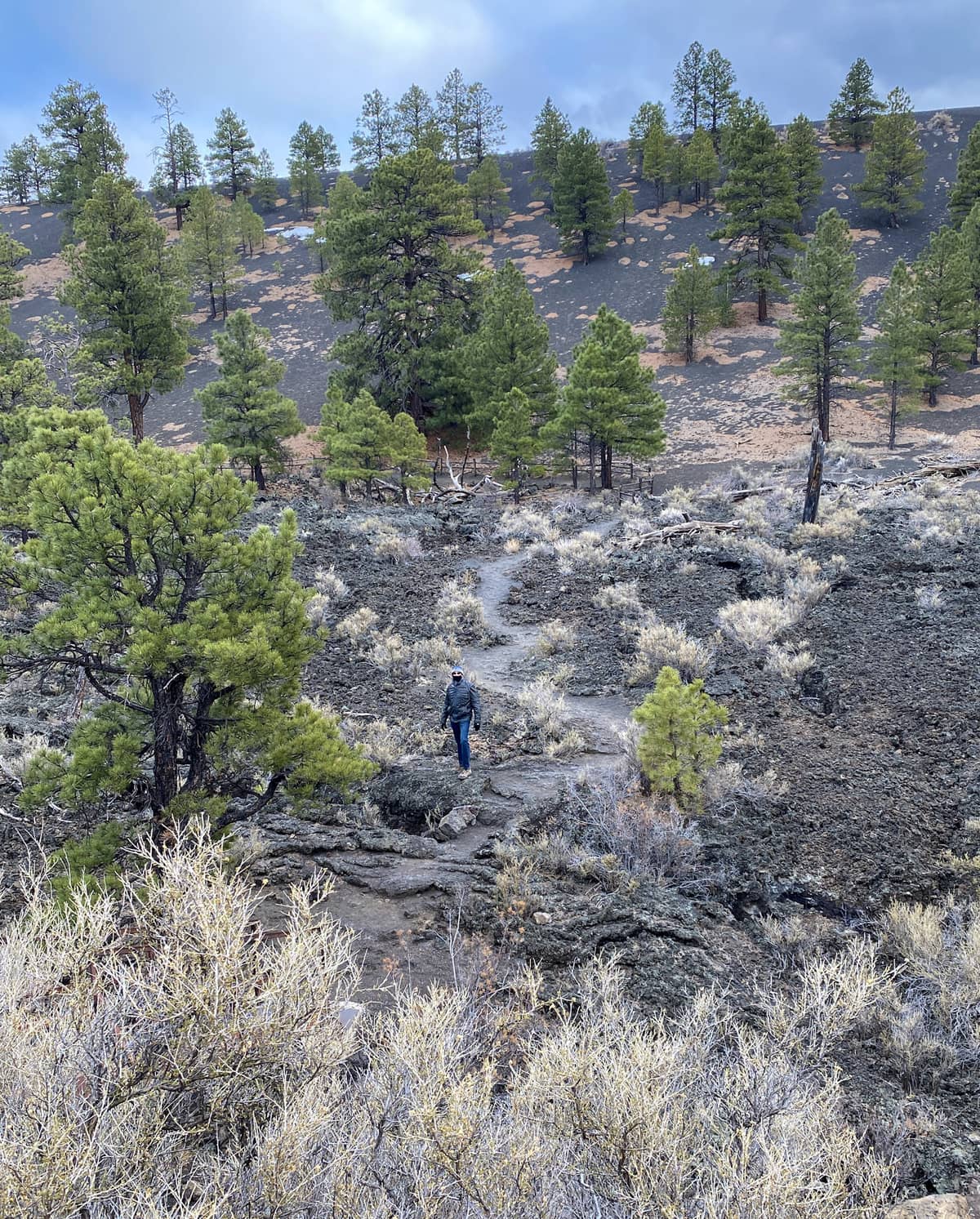
Formed by an eruption in 1085 AD, Sunset Crater is the youngest in a string of volcanoes in the San Francisco Volcanic Field. The landscape is dominated by black basalt cinders and jagged lava flows. The Lava Flow Trail provides an educational overview of the area’s volcanic activity, which fundamentally altered the lives of the prehistoric inhabitants of the region.

9. Wupatki National Monument
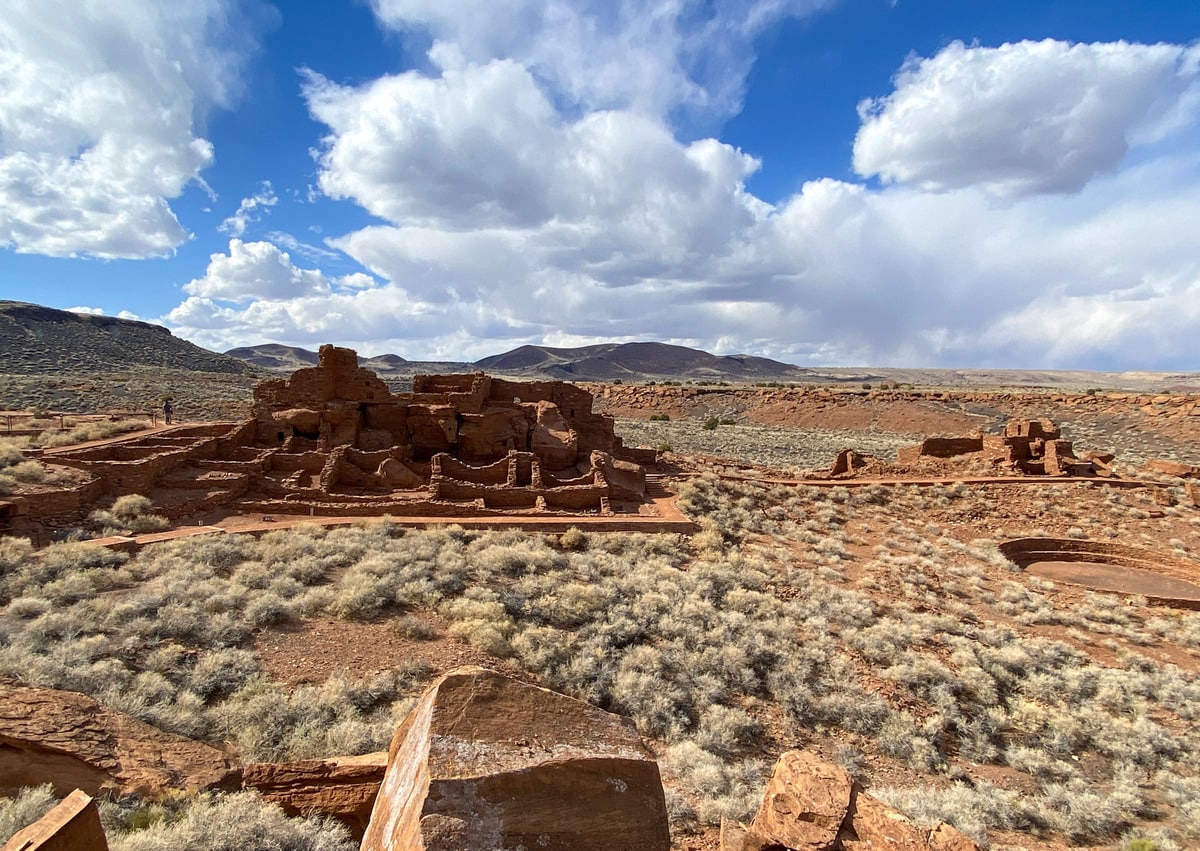
Further north of Sunset Crater, Wupatki preserves expansive red-rock pueblos. At its peak in the 1100s, it was a major trade center. The Wupatki Pueblo itself contains over 100 rooms and a community ball court. Analysis of the site suggests it was a melting pot of different cultures, including the Cohonina, Kayenta, and Sinagua.
Outdoor Recreation and Alpine Adventure
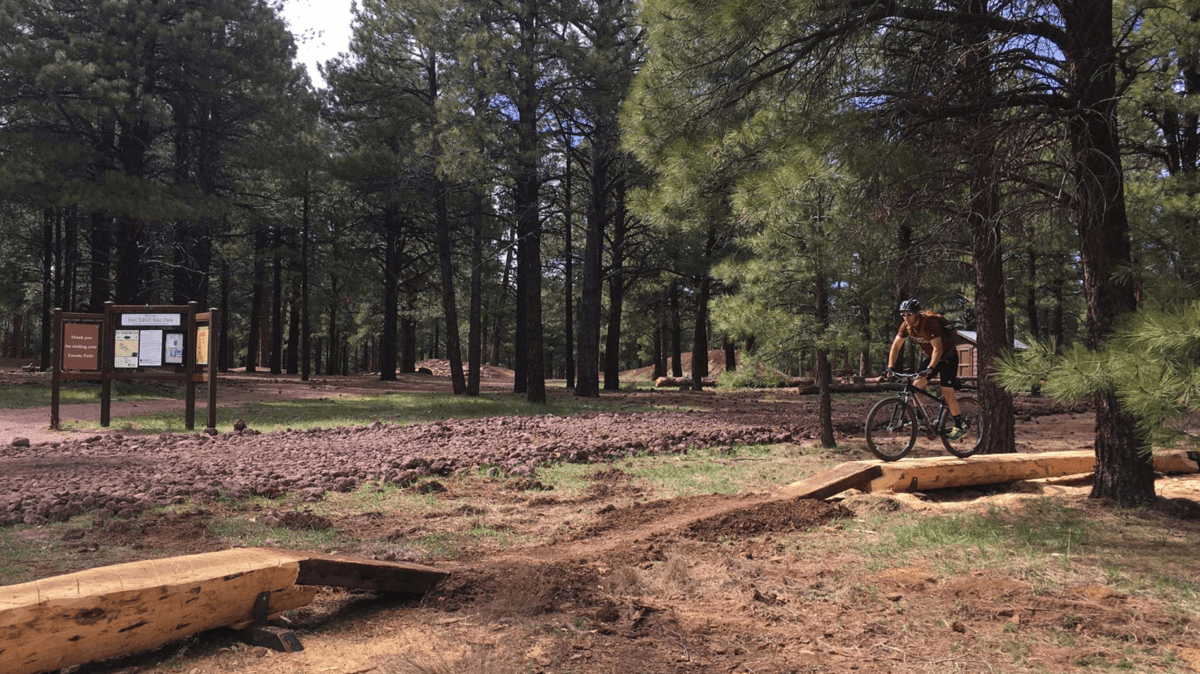
Flagstaff’s climate and topography make it a year-round destination for athletes and outdoor enthusiasts. The city’s trail system and alpine facilities are among the highest-rated in the Southwest.
10. Arizona Snowbowl Ski Resort
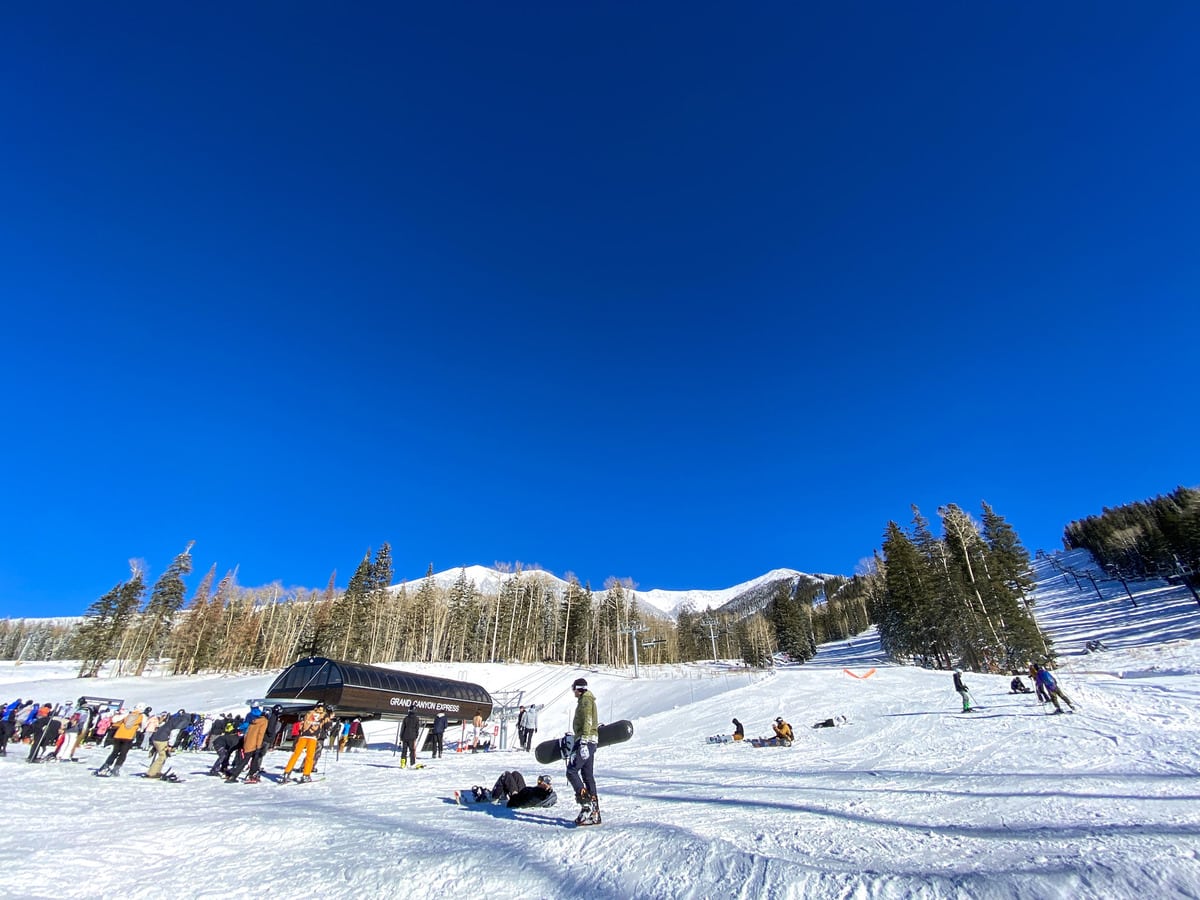
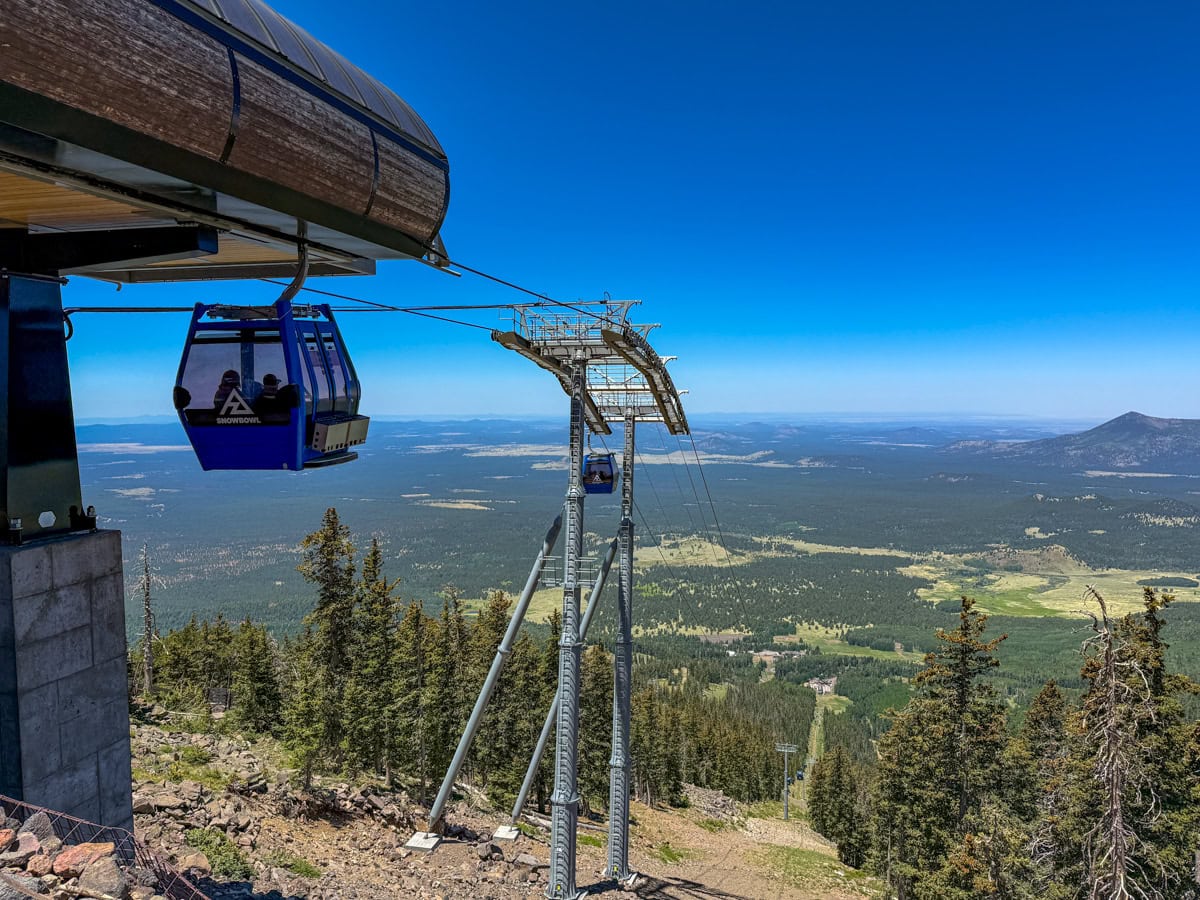
Located on the San Francisco Peaks, Snowbowl offers a lift-served elevation of 11,500 feet. It is one of the oldest continually operating ski areas in the country. In the summer, the resort operates a Scenic Gondola that provides views extending as far as the Grand Canyon’s North Rim.
11. Coconino National Forest and Hiking Trails
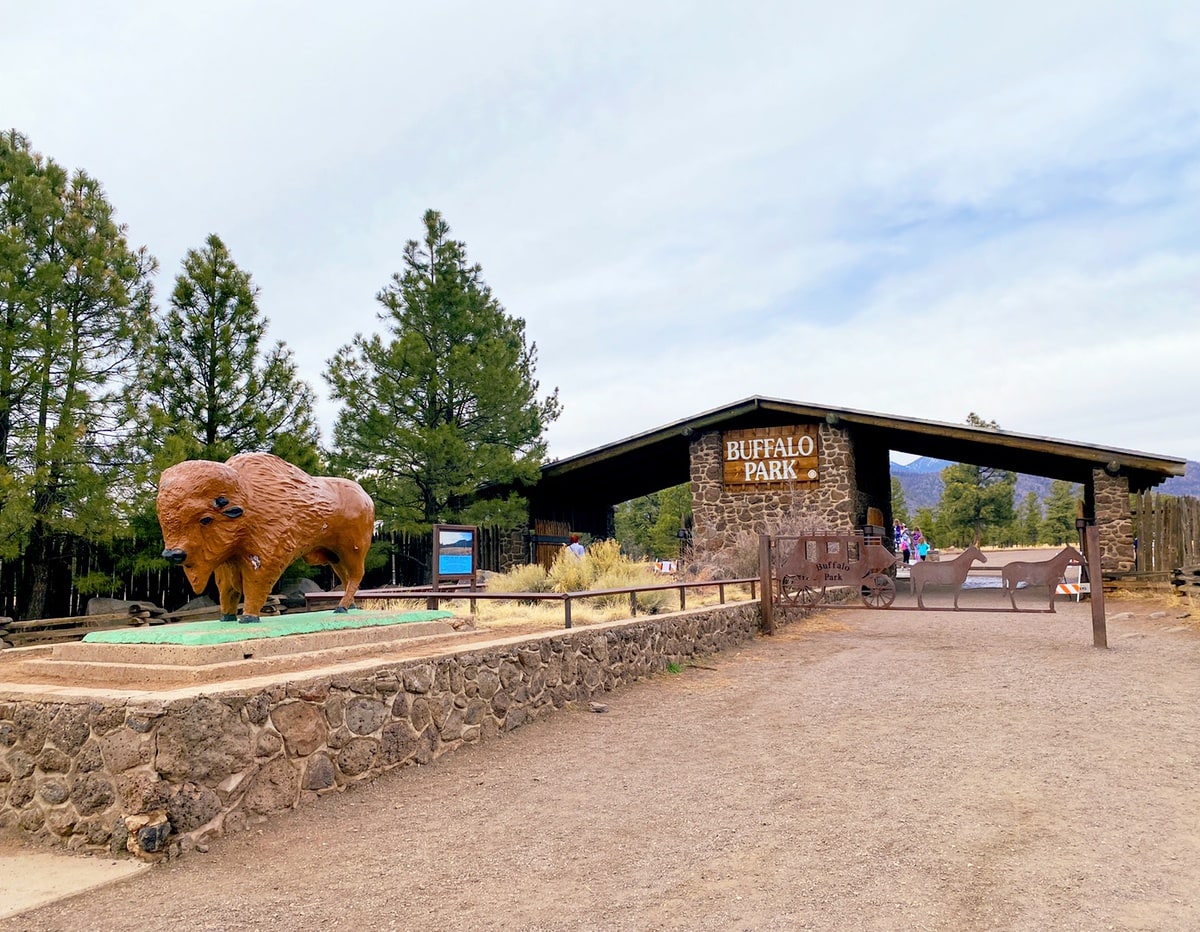
With nearly 130 designated trails, Flagstaff is a premier hiking destination. Popular routes include the Buffalo Park Trail, a 2.2-mile loop offering panoramic mountain views, and the more challenging Fatmans Loop on Mount Elden. These trails are part of the Flagstaff Urban Trails System (FUTS), which spans over 50 miles throughout the city.
12. Flagstaff Extreme Adventure Course
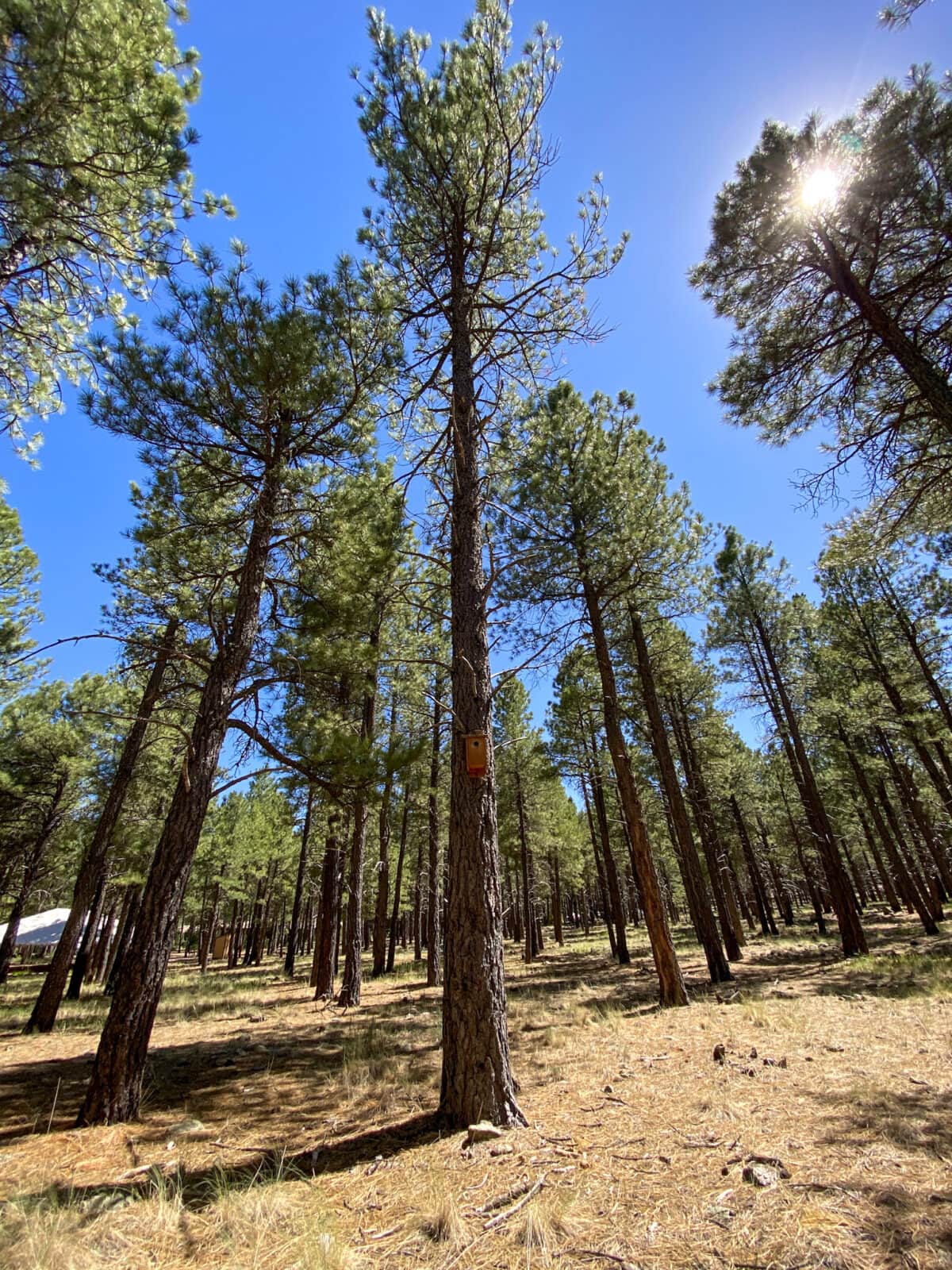
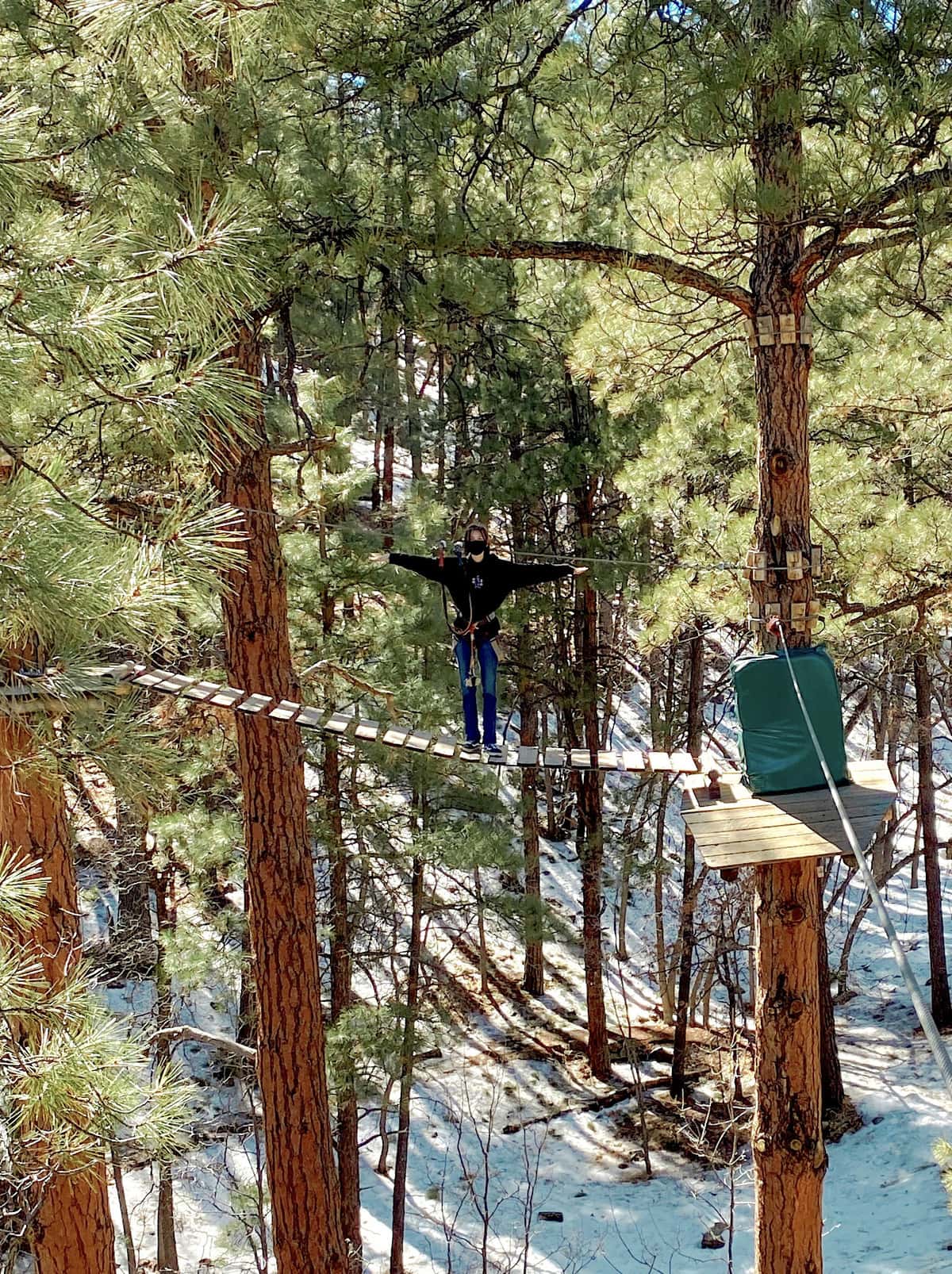
Located in Fort Tuthill County Park, this facility offers the largest zip-line and obstacle course in Arizona. It utilizes the natural ponderosa pine canopy to provide suspended bridges, scramble nets, and 30 zip lines, catering to the growing demand for "eco-adventure" tourism.
13. The Arboretum at Flagstaff
Occupying 200 acres within the national forest, the Arboretum focuses on the native plants of the Colorado Plateau. It houses 750 species of plants and provides a controlled environment for studying high-altitude botany and drought-resistant agriculture.
Regional Tourism and Cultural Impact
Flagstaff’s economy has successfully diversified from resource extraction to a service-based economy centered on education, research, and tourism.
14. Bearizona Wildlife Park
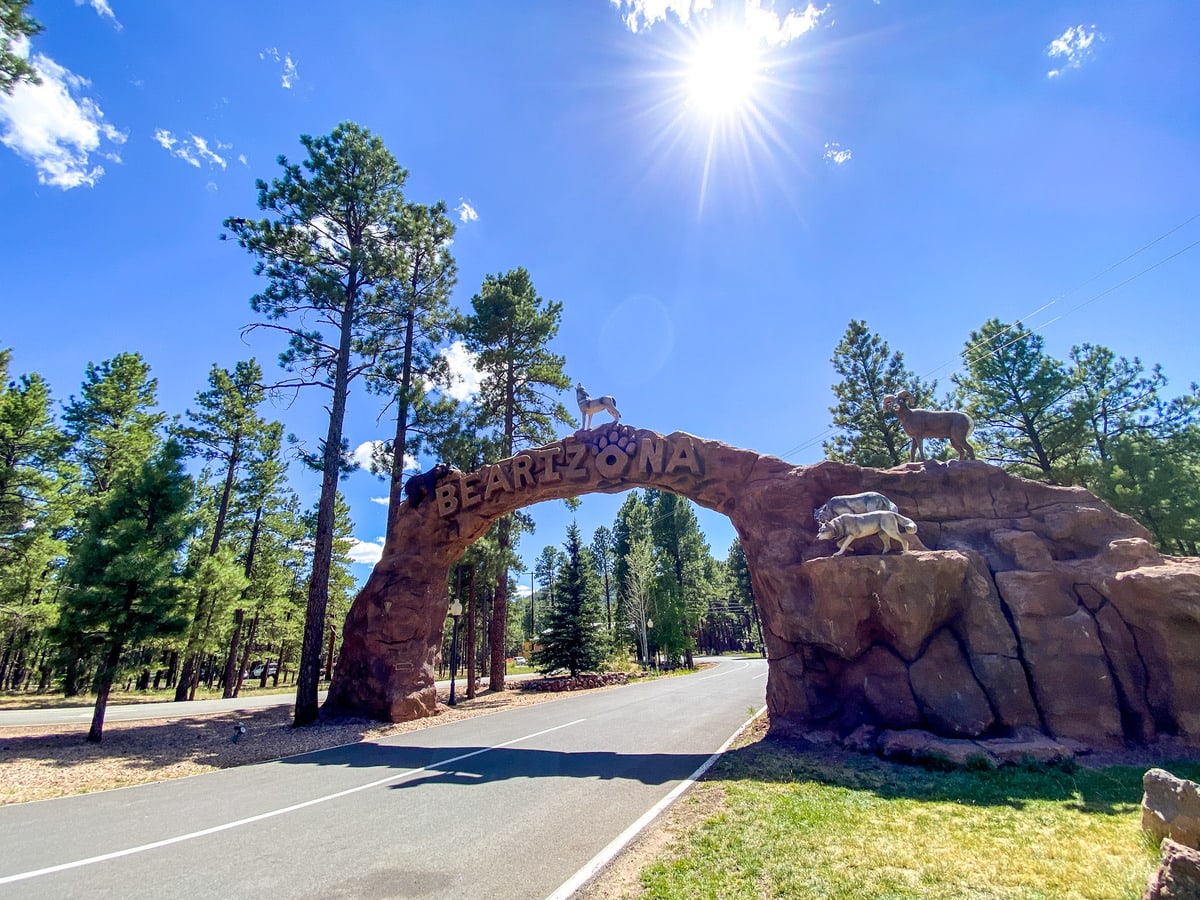
Located in nearby Williams, this drive-through wildlife park allows visitors to observe North American animals, including bison, wolves, and bears, in large natural enclosures. It represents a shift in zoological philosophy toward expansive, habitat-focused viewing.
15. The Flagstaff Brewery Trail
Reflecting the national trend in craft beverage tourism, Flagstaff has established itself as a "craft beer hub." The Brewery Trail includes eight local breweries, such as Mother Road Brewing Company and Lumberyard Brewing Co., which often repurpose historic industrial buildings, contributing to urban revitalization.
16. Culinary and Social Hubs
The city’s dining scene is anchored by unique establishments like Black Bart’s Steakhouse, known for its musical reviews performed by the staff, and various "Dark Sky" themed coffee shops. These businesses leverage the city’s unique cultural identity to create immersive experiences for travelers.
Infrastructure and Visitor Logistics
The city’s ability to handle high volumes of tourists is supported by a robust hospitality sector. The Holiday Inn Express Flagstaff and other IHG properties represent the modern lodging infrastructure required to support the region’s $500 million annual tourism impact.
Weather and Altitude Considerations
Flagstaff’s weather is a significant departure from the desert climate of Phoenix. The city averages over 100 inches of snow annually, making it one of the snowiest incorporated cities in the United States. Travelers are frequently advised regarding altitude sickness, as the 7,000-foot elevation can impact those accustomed to sea level.

Broader Implications and Future Outlook
As Flagstaff continues to grow, it faces the challenge of balancing its popularity as a tourist destination with the preservation of its natural and historical resources. The city’s commitment to Dark Sky preservation, sustainable forest management, and the protection of indigenous archaeological sites serves as a model for other mountain communities in the American West. The continued investment in scientific research through Lowell Observatory and NAU ensures that Flagstaff will remain a critical center for innovation and exploration for decades to come.