Strategic Planning for Family Vacations in Cape Cod A Comprehensive Guide to Massachusetts’ Premier Summer Destination


Cape Cod, a hook-shaped peninsula extending from the southeastern corner of mainland Massachusetts, continues to serve as a cornerstone of the New England tourism industry, attracting millions of visitors annually with its blend of historic charm, maritime heritage, and extensive coastline. For families navigating the complexities of multi-generational travel, the region offers a diverse array of environments across its 16 towns and four distinct regions. However, the logistical challenges of peak-season travel—defined by significant traffic congestion, limited parking, and high demand for accommodations—necessitate a strategic approach to itinerary planning. From the calm tidal flats of Cape Cod Bay to the formidable dunes of the Atlantic-facing National Seashore, the peninsula provides a multifaceted geographic landscape that requires specific insider knowledge to navigate effectively.
Regional Categorization and Geographic Layout
The Cape is traditionally divided into four primary regions, each offering a distinct atmosphere and set of amenities tailored to different traveler profiles. Understanding this "lay of the land" is essential for selecting a home base that aligns with a family’s specific needs.

The Upper Cape, encompassing towns such as Sandwich, Falmouth, and Bourne, is the most accessible region for those traveling from Boston or New York, as it sits just over the Sagamore and Bourne bridges. Sandwich, the oldest town on the Cape, is noted for its historic glass industry and boardwalk, while Falmouth offers a bustling downtown and serves as a primary ferry hub for Martha’s Vineyard.
The Mid-Cape includes Barnstable, Yarmouth, and Dennis. This region serves as the commercial heart of the peninsula. Hyannis, a village within Barnstable, is famous for the Kennedy Compound and the John F. Kennedy Hyannis Museum. This area is often preferred by families seeking a higher density of amenities, including shopping centers, hospital services, and various entertainment complexes such as mini-golf and water parks.
The Lower Cape consists of Harwich, Brewster, Chatham, and Orleans. Chatham is frequently cited as one of the most picturesque towns in the United States, characterized by its shingled architecture and high-end boutiques. This region provides a balance between sophisticated dining and family-oriented outdoor activities.

The Outer Cape, comprising Eastham, Wellfleet, Truro, and Provincetown, is home to the Cape Cod National Seashore. This area is defined by its rugged, natural beauty and significant elevation changes in the sand dunes. Provincetown, at the very tip of the Cape, is a historic maritime port known for its vibrant arts scene and inclusive atmosphere.
The Coastal Divide: Bay Side versus Atlantic Ocean
A critical decision for any family visiting Cape Cod involves choosing between the Bay side and the Atlantic side, as the coastal conditions vary dramatically between the two.
The Western Shore: Cape Cod Bay
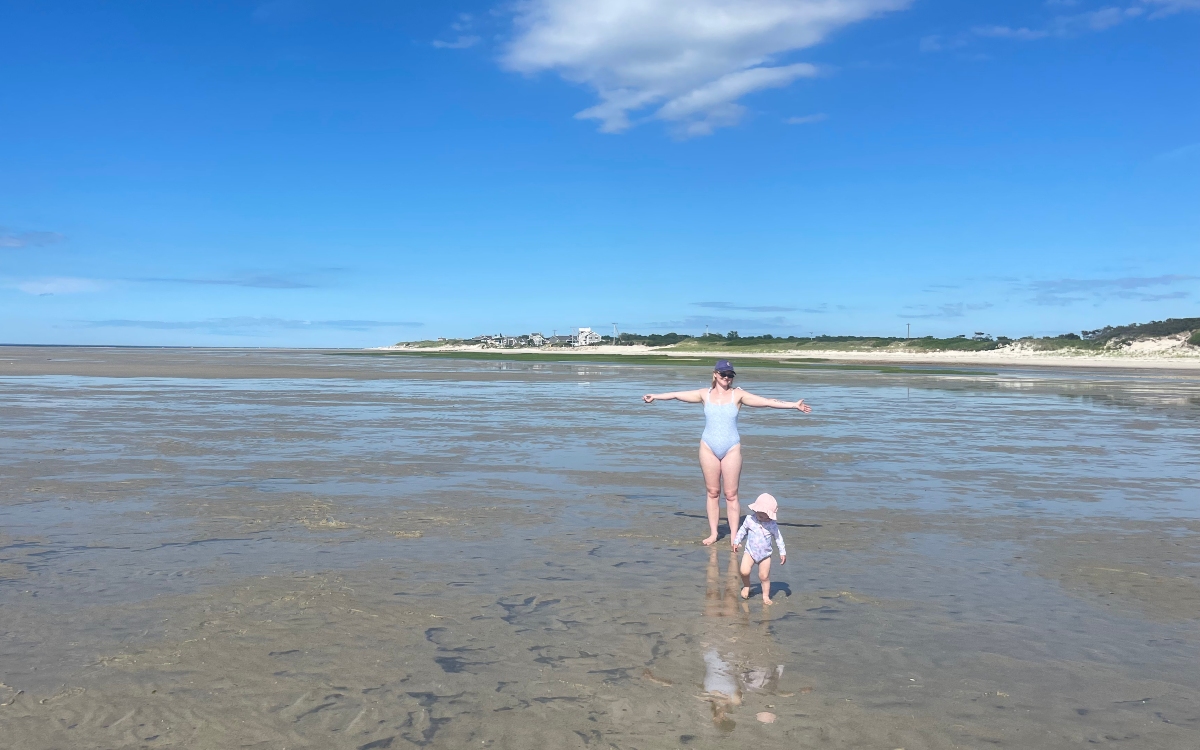
The beaches along Cape Cod Bay are characterized by their shallow waters and gentle surf, making them the primary choice for families with young children or toddlers. During low tide, the "Brewster Flats" and similar areas in Dennis and Yarmouth reveal miles of sandbars and tidal pools. These flats allow visitors to walk hundreds of yards into the ocean in water that rarely reaches above the knee. Notable locations include Chapin Beach and Cold Storage Beach, where the receding tide facilitates the exploration of marine life such as hermit crabs and minnows. The water on the Bay side is significantly warmer than its Atlantic counterpart, often reaching the low 70s (Fahrenheit) in late summer.
The Eastern Shore: The Atlantic Ocean
The Atlantic-facing beaches, largely protected under the Cape Cod National Seashore, offer a more dramatic and wild environment. These beaches, such as Coast Guard Beach in Eastham and Nauset Beach in Orleans, are famous for their towering sand dunes and heavy surf. These conditions are ideal for surfing, boogie boarding, and competitive swimming, but require higher levels of supervision for younger children. The Atlantic side is also the premier location for viewing sunrises and observing the local seal population. However, the presence of seals has historically correlated with increased sightings of great white sharks, leading local authorities to implement rigorous safety protocols and real-time tracking apps like "Sharktivity" to inform the public.
Seasonal Logistics and Infrastructure Management
Tourism data indicates that Cape Cod’s population swells from approximately 230,000 year-round residents to over 500,000 during the peak months of July and August. This surge places immense pressure on the region’s infrastructure, particularly the two aging bridges that serve as the only land-based entry points.
To mitigate the impact of peak-season crowds, travel experts recommend a "first-in, last-out" strategy for beach access. Parking lots at popular locations often reach capacity by 9:30 AM. Arriving at sunrise ensures a spot and allows families to enjoy the coolest part of the day. Alternatively, arriving after 4:00 PM—often referred to as the "golden hour"—allows for a more peaceful experience as the midday crowds depart. Many towns also offer "beach stickers" for weekly or seasonal residents, which can be more cost-effective than daily parking fees, which typically range from $20 to $30 per vehicle.

Multi-Generational Recreational Infrastructure
Beyond the coastline, Cape Cod has invested heavily in recreational infrastructure that caters to a wide age demographic. The Cape Cod Rail Trail is the centerpiece of this effort. Spanning approximately 25 miles from Yarmouth to Wellfleet, the paved, flat trail occupies the former corridor of the Old Colony Railroad. It provides a safe environment for cycling, walking, and stroller use, away from the heavy vehicular traffic of Route 6 and Route 28. The trail is punctuated by frequent stops at ice cream parlors, bike rental shops, and freshwater ponds, such as Nickerson State Park in Brewster, offering a versatile alternative to ocean-based activities.
For younger children, the region offers "nostalgic" entertainment options that have remained largely unchanged for decades. Pirate’s Cove in South Yarmouth is a nationally recognized mini-golf destination that incorporates elaborate nautical themes and water features. Such establishments contribute significantly to the local economy, maintaining the "classic summer" aesthetic that defines the Cape Cod brand.
The Intersection of Maritime Economy and Tourism
The maritime industry remains a vital component of the Cape’s identity and economy. The Chatham Fish Pier serves as a functional nexus where these two worlds meet. As commercial fishing vessels return to port to unload their daily catch—primarily lobster, cod, and haddock—they are frequently trailed by large numbers of gray seals. This creates a natural, cost-free spectacle for tourists. Observers on the pier’s raised platform can watch the interaction between the fishing industry and local wildlife, providing an educational look at the region’s ecological and economic interdependence.

Furthermore, private harbor charters have seen an uptick in demand as families seek "socially distanced" or exclusive ways to experience the water. These tours often focus on seal watching, sunset viewing, or architectural tours of the historic estates lining the shores of Stage Harbor and Pleasant Bay.
Luxury Hospitality and Family-Centric Amenities
While many visitors opt for weekly cottage rentals—a staple of Cape Cod culture—the luxury resort sector has evolved to provide comprehensive family programming. Two properties, in particular, set the standard for high-end family travel in the region.
The Chatham Bars Inn, originally built in 1914, combines Gilded Age architecture with modern amenities. It features a quarter-mile private beach and an oceanfront pool. Its "Kids’ Club" offers structured activities such as scavenger hunts and farm tours at the resort’s own 8-acre vegetable farm, allowing parents to utilize the spa or golf facilities.

The Wequassett Resort and Golf Club, located on the shores of Pleasant Bay, is the only Forbes Five-Star resort on the Cape. It offers a "Children’s Center" equipped with a splash pad and nautical-themed playground. The resort’s accommodation model, which includes multi-bedroom cottages and suites with private terraces, is specifically designed to house extended families. Notably, the resort has expanded its "pet-friendly" initiatives, offering specialized concierge services for families traveling with dogs, reflecting a broader trend in the hospitality industry toward inclusive pet policies.
Environmental Conservation and Future Implications
The long-term viability of Cape Cod as a premier tourist destination is inextricably linked to environmental conservation. The Cape Cod National Seashore, established by President John F. Kennedy in 1961, protects nearly 40,000 acres of land. However, the region faces ongoing challenges related to coastal erosion and rising sea levels, which threaten both the natural dunes and the historic properties built near the shore.
Local municipalities and non-profit organizations, such as the Association to Preserve Cape Cod (APCC), are increasingly focused on water quality and the preservation of the region’s unique "kettle ponds"—freshwater bodies formed by receding glaciers. For the traveling public, this means an increased emphasis on "leave no trace" tourism and the support of local businesses that prioritize sustainability.

In conclusion, Cape Cod remains a premier destination because of its ability to offer "timeless" experiences in an increasingly fast-paced world. Whether it is the simple pleasure of a scoop of ice cream in a town center or the sight of a fishing fleet returning at dusk, the peninsula provides a backdrop for family connection that is both historically grounded and strategically accessible. As the region moves forward, the balance between maintaining its nostalgic charm and modernizing its infrastructure will be the defining factor in its continued success as a global travel icon.