Beyond the Taj Mahal: Navigating the Deeper Cultural Layers of Modern India

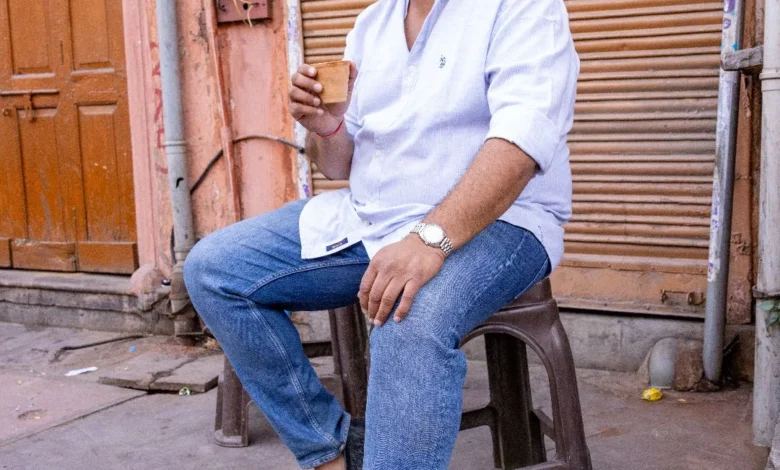
The global perception of India is frequently distilled into a series of iconic, high-contrast images: the white marble symmetry of the Taj Mahal, the chaotic energy of Mumbai’s intersections, the neon vibrancy of Bollywood, and the spiritual austerity of saffron-clad sadhus at the Kumbh Mela. However, beneath this visible surface lies a complex, multi-dimensional cultural landscape that is increasingly becoming the focal point for international travelers seeking more than a checklist of monuments. According to recent tourism data, there is a burgeoning shift toward "experiential travel" in the South Asian subcontinent, with a 20% year-on-year increase in demand for itineraries that prioritize local interaction over traditional sightseeing.
Industry experts and local guides, such as Madan Singh of Intrepid Travel, argue that the essence of the country is not found within the walls of its UNESCO World Heritage sites, but rather in the "pauses in between." This evolution in travel philosophy emphasizes regionality, where the nuances of language, cuisine, and clothing change every few hundred kilometers. To truly connect with the Indian identity, one must look toward the daily rituals and local economies that sustain the nation’s 1.4 billion people.
The Spiritual Rhythms of Varanasi: Beyond the Ritual
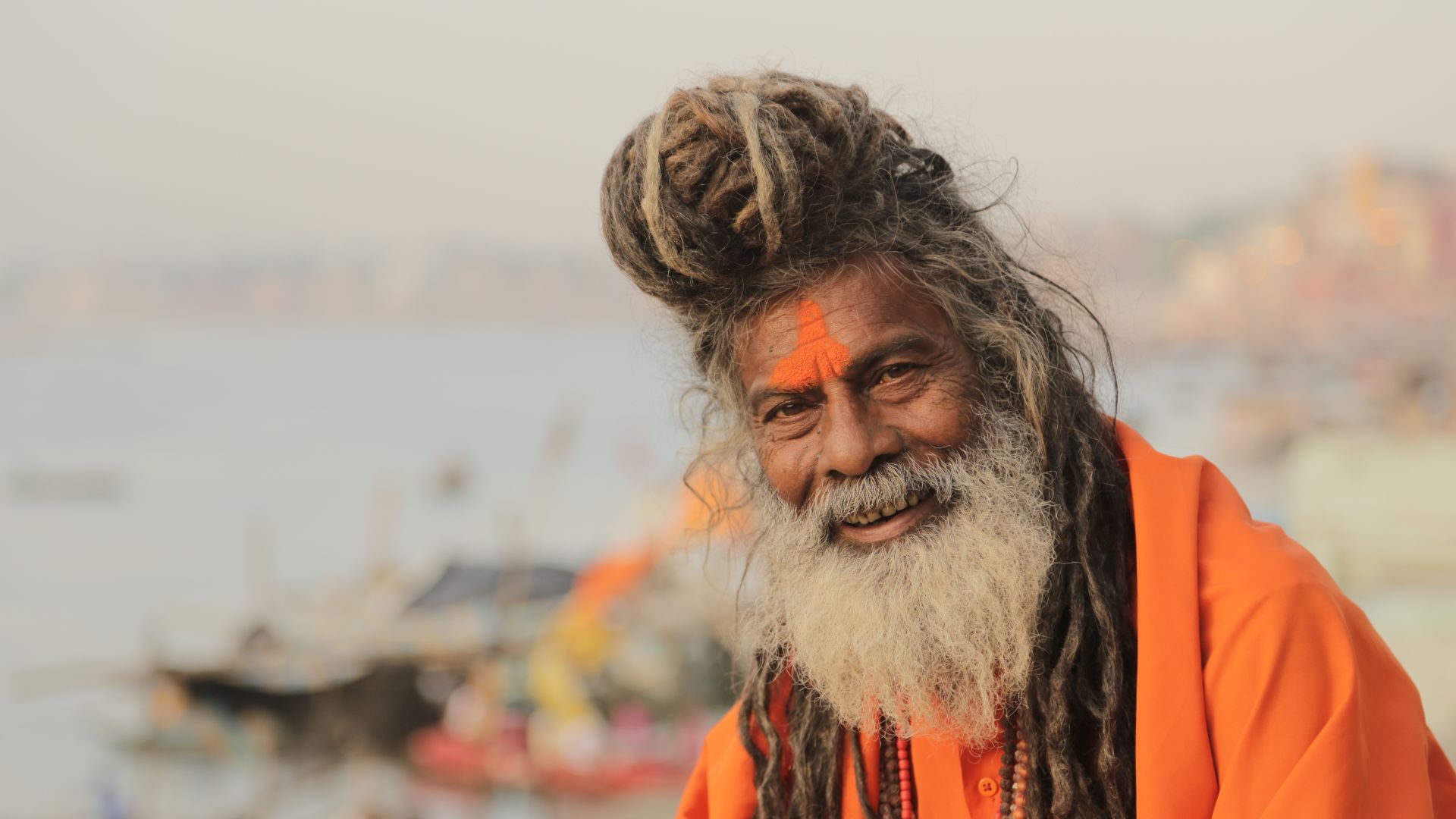
Varanasi, often cited as one of the oldest continuously inhabited cities in the world, serves as the spiritual epicenter of Hinduism. While most tourists congregate for the Ganga Aarti—a synchronized fire ritual performed by priests at the Dashashwamedh Ghat—the deeper narrative of the city is found in its pedestrian pace. Local leaders who have spent decades navigating the city’s labyrinthine alleys, such as Ankita Jaiswal, observe that the city’s true power lies in its ability to slow down time.
"A simple yet deeply powerful ritual is the lighting of lamps at dusk," Jaiswal explains. "While taking a walk in the markets, the temple bells begin to ring, incense fills the air, and shopkeepers pause to wave prayers at their doorsteps." This practice, known as welcoming ‘Lakshmi’ or prosperity, illustrates the integration of the sacred into the commercial. Historically, Varanasi has acted as a center of learning and silk weaving for over 3,000 years. By engaging in leader-led walking tours, travelers can observe the juxtaposition of ancient silk-weaving traditions alongside the modern digital economy, providing a chronological perspective on how India maintains its heritage while embracing the future.
Social Empowerment Through the Rickshaw Economy
The auto-rickshaw, or "auto," is the kinetic heartbeat of the Indian urban landscape. Positioned economically between the mass transit of public buses and the exclusivity of private taxis, rickshaws facilitate the daily movement of millions. In Jaipur, the "Pink City," this mode of transport has been transformed into a vehicle for social change. The Pink City Rickshaw Company, a non-profit organization, has pioneered a model that provides employment to women from low-income households.
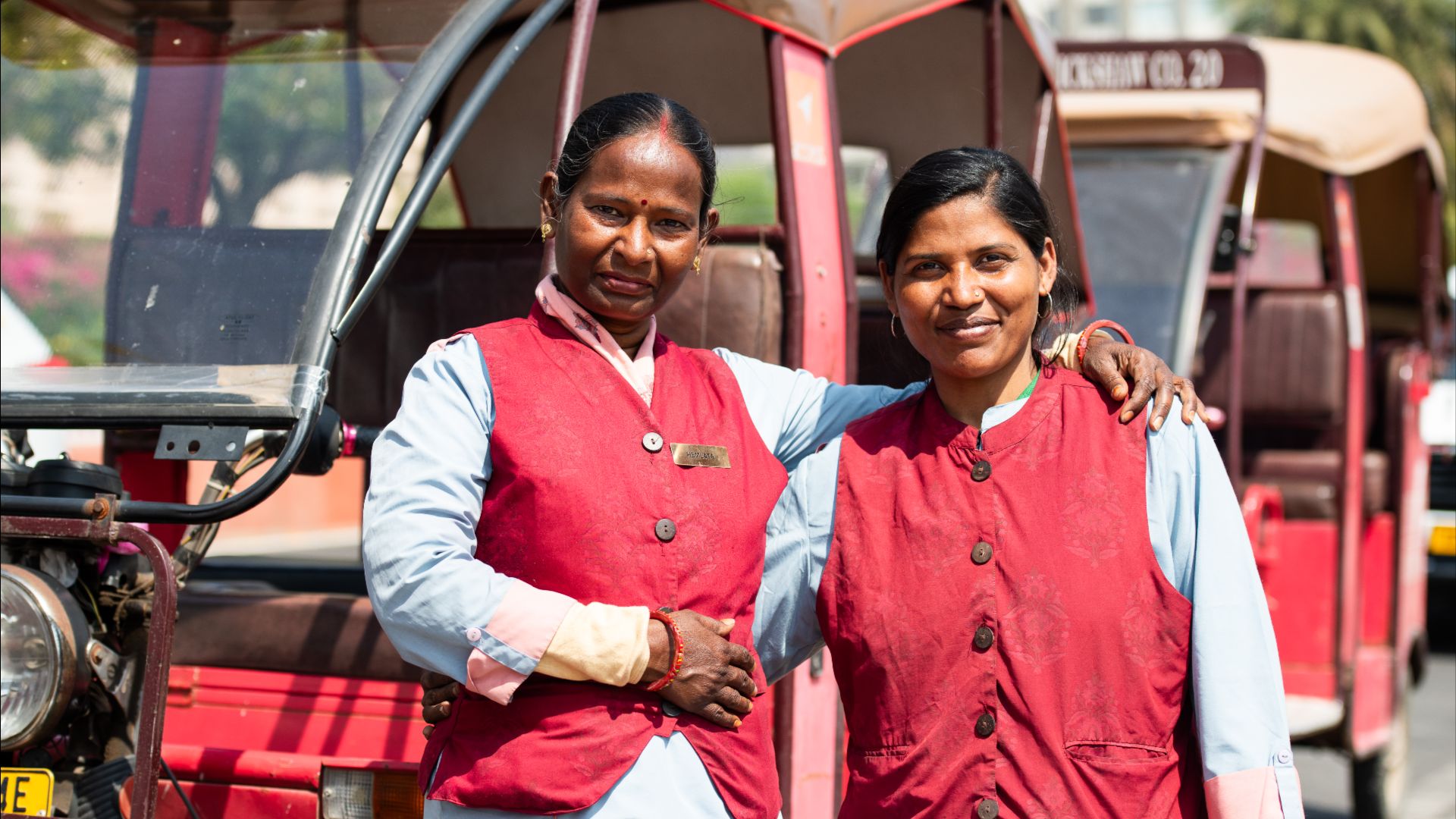
This initiative addresses a critical gap in the Indian labor market. According to the Periodic Labour Force Survey (PLFS), while women’s participation in the workforce is rising, it remains a focal point for economic development. By training women to operate electric rickshaws, the program provides them with financial independence and a platform to share their city’s history from a female perspective. For the traveler, this offers an authentic narrative that bypasses the rehearsed scripts of traditional tour operators, allowing for a direct dialogue about the socio-economic realities of modern Rajasthan.
Cinema as a Communal Landmark: The Raj Mandir Experience
India’s film industry, the largest in the world by output, produces over 1,500 films annually. To understand the Indian psyche, one must understand its relationship with cinema, which functions less as a passive entertainment and more as a communal event. The Raj Mandir Cinema in Jaipur, an Art-Deco masterpiece opened in 1976, serves as a temple to this cultural phenomenon.
The experience of watching a Bollywood film at the Raj Mandir is a study in collective emotion. Unlike the hushed atmosphere of Western theaters, Indian cinemas are spaces of vocal participation. Audiences often erupt in applause, whistling, and cheering when a protagonist makes their first appearance—a tradition that dates back to the "Masala" films of the 1970s. This interaction provides a unique window into the values and aspirations of the local populace, where themes of family, justice, and romance are celebrated with operatic intensity.

The Agricultural Backbone: Tea Plantations of the Western Ghats
While India’s cities are engines of growth, its rural heartland remains the nation’s backbone. In the southern state of Kerala, specifically the rolling hills of Munnar, the tea industry represents a significant portion of the regional economy. India is the world’s second-largest producer of tea, with the sector employing over a million people, many of whom are women.
The transition from "terrace to terracotta cup" is a labor-intensive process that has remained largely unchanged since the British colonial era. Kuldeep Pujari, a regional expert, emphasizes that visiting these plantations offers a rare glimpse into the agricultural cycles of the country. "Picking tea leaves in plantation regions allows guests the chance to understand the full journey," Pujari says. This hands-on participation provides context for the national obsession with ‘chai’—a spiced milk tea that serves as the social lubricant of the country. The ritual of drinking chai, often accompanied by ‘pakoras’ during the monsoon season, is a cross-cultural constant that bridges the gap between different castes and classes.
Gastronomy and the Auspicious First Transaction
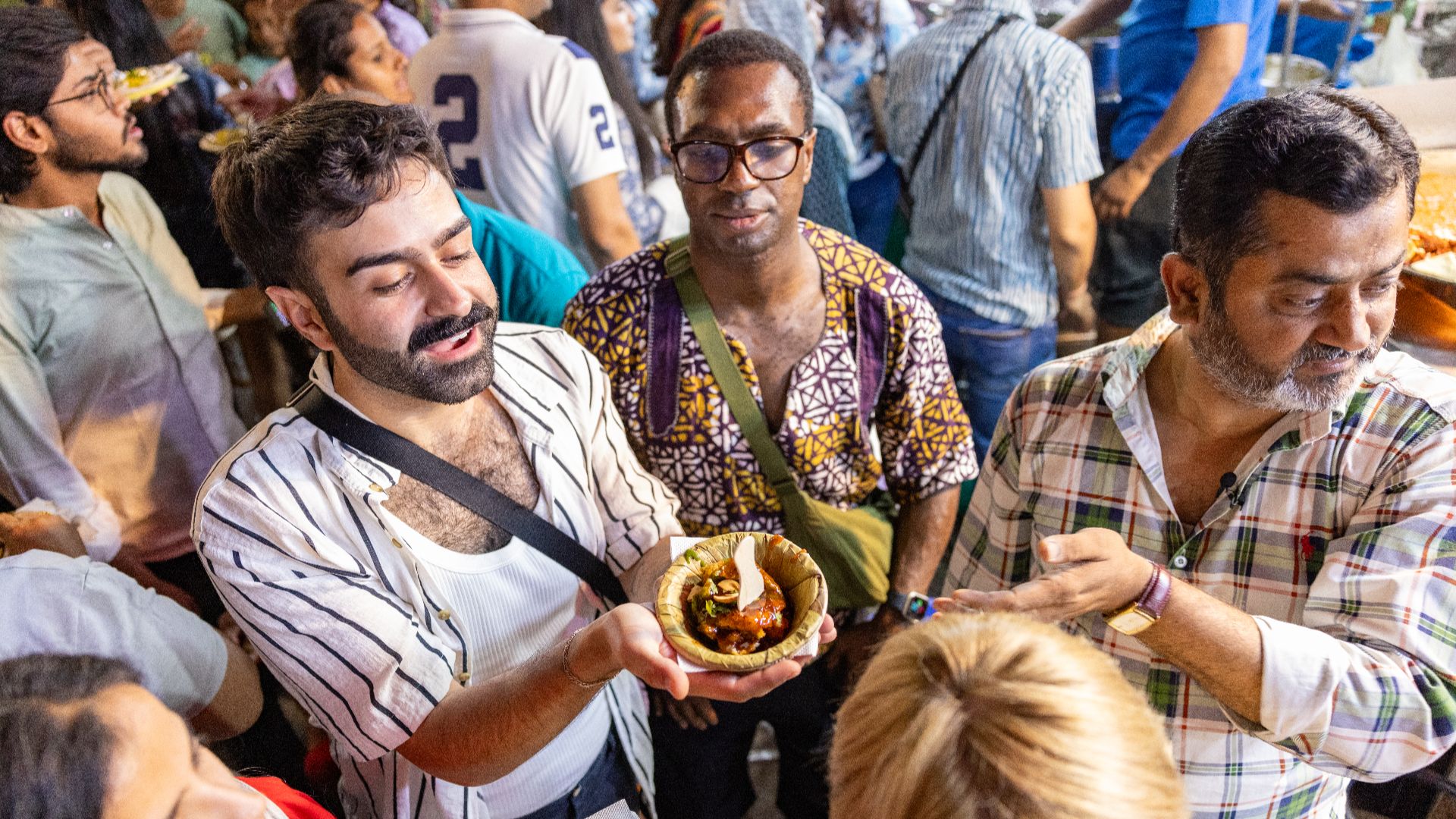
Indian street food is an intricate tapestry of regional flavors, from the savory ‘chaat’ of the north to the fermented ‘idlis’ of the south. However, the consumption of street food involves a set of traditional protocols that are often invisible to the untrained eye. One such tradition is the "Boni"—the first transaction of the business day.

Mahaveer Singh, a local guide, explains the significance of this moment: "The first transaction of the day is very auspicious and brings hope for a prosperous day. You will often see shopkeepers blessing the item they are selling you." This belief system highlights the spiritual undercurrents that influence Indian commerce. Furthermore, the street food sector is a vital part of the informal economy, providing livelihoods for an estimated 10 million vendors across the country. Analyzing the street food scene reveals a broader trend of modernization, as many vendors now utilize digital payment systems like UPI (Unified Payments Interface), showcasing India’s rapid digital transformation.
The Evolution of Yoga: From Spiritual Path to Holistic Wellness
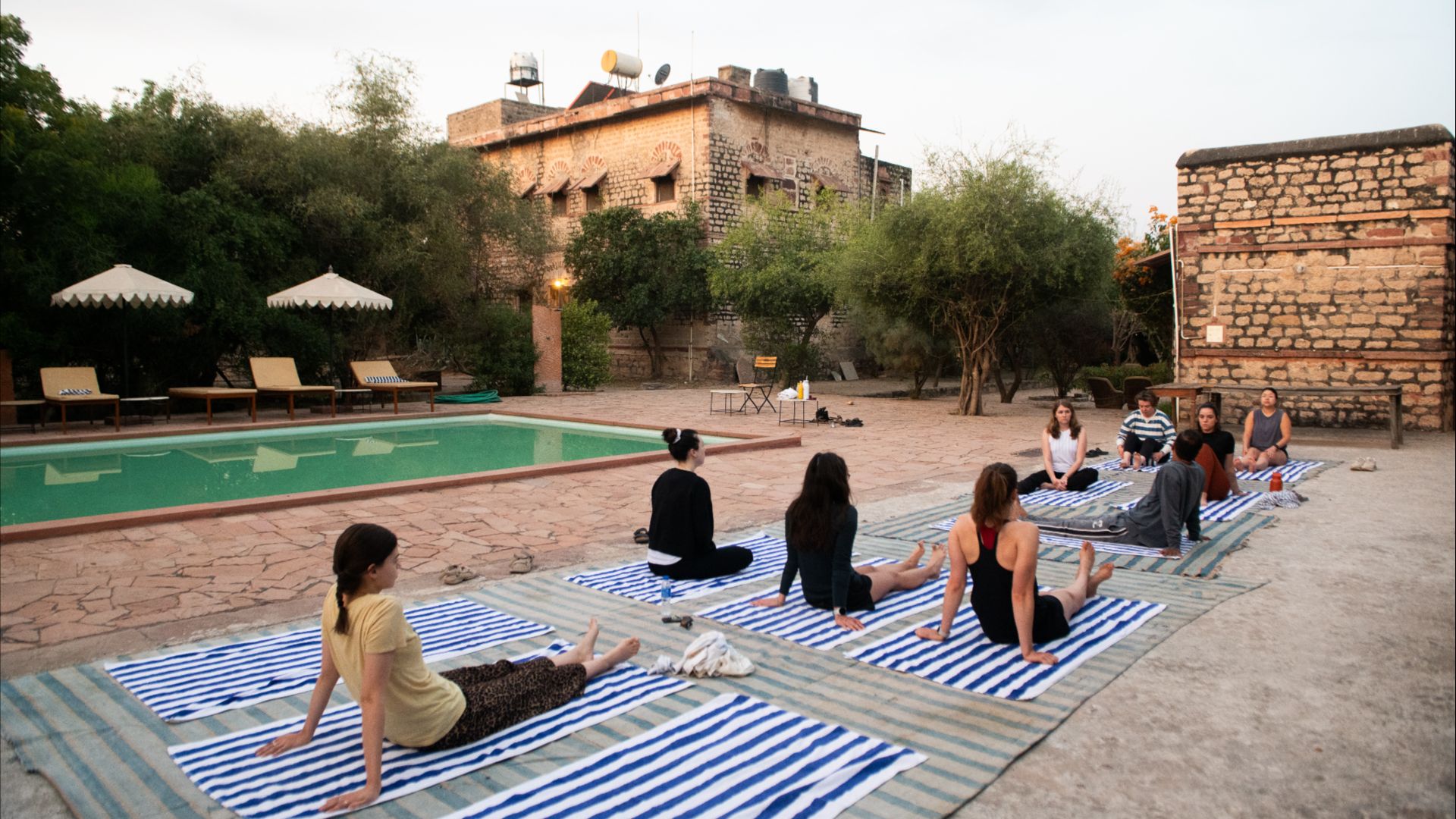
In the Himalayan foothills of Rishikesh, yoga is practiced not merely as a physical exercise but as a holistic system of philosophy. While the West has largely focused on ‘asanas’ (postures), the Indian tradition emphasizes ‘pranayama’ (breathwork) and ‘dhyana’ (meditation). Rishikesh, known as the "Yoga Capital of the World," gained international fame in 1968 following the visit of The Beatles, but its history as a site for Vedic learning stretches back millennia.
Modern practitioners in India are increasingly focused on reclaiming the narrative of yoga as an intangible cultural heritage. Engaging with local teachers provides a chronological context of how these ancient practices have evolved to meet the stresses of the 21st century. This shift toward "wellness tourism" is a significant contributor to the Indian economy, with the Ministry of Ayush reporting a steady increase in international arrivals seeking traditional Indian medicine and yoga.
Preservation of Traditional Crafts: The Sari and the Artisan
The Indian textile industry is the second-largest employer in the country, following agriculture. A single garment, such as the sari, carries within its threads the history of specific geographic regions. The ‘Chikankari’ embroidery of Lucknow and the ‘Patola’ weaves of Gujarat are not just fashion choices; they are heritage artifacts.
In villages like Chandelao, initiatives such as the Sunder Rang project are vital for the survival of these traditions. These cooperatives allow women to maintain traditional skills while gaining access to global markets. For the traveler, observing the creation of ‘rangoli’ (ornamental floor designs) or the application of ‘mehndi’ (henna) offers a lesson in the aesthetics of the everyday. These art forms are often passed down through generations of women, serving as a silent language of celebration and identity.
The Slow Travel Movement: Kerala’s Backwaters
The Keralan backwaters—a network of 900 kilometers of interconnected canals, rivers, and lakes—offer a stark contrast to the high-velocity life of India’s northern plains. The use of ‘kettuvallams’ (traditional houseboats) has transitioned from transporting rice and spices to facilitating "slow travel."
This region provides a case study in sustainable tourism. Travelers who opt for village walks along the backwaters contribute to a localized economy that values environmental preservation. Observing the ‘vallam’ canoes of local fishermen and the rhythmic life of the paddy fields allows for a meditative connection with the environment. The "Kerala Model" of development, which emphasizes high literacy and healthcare, is evident in the social structure of these waterside communities, providing a blueprint for equitable growth in other parts of the developing world.
Conclusion: The Impact of Authentic Connection
The shift toward authentic cultural experiences in India represents a broader maturation of the global travel industry. By moving beyond the "monumental" and toward the "interpersonal," travelers foster a deeper understanding of the complexities of the Global South. As Intrepid leader Bhupesh Tamang notes, the friendliness and everyday interactions often become the most enduring memories of a journey.
These connections have a measurable impact. Small-group, locally led travel ensures that tourism revenue is distributed more equitably among local guides, artisans, and small-scale entrepreneurs. In an era of over-tourism at major landmarks, the "pauses in between" offer a sustainable path forward, ensuring that India’s rich cultural tapestry remains vibrant for future generations. Whether through a shared cup of tea on a Kerala plantation or a rickshaw ride through the streets of Jaipur, the real India is found in the lived experience of its people—a story that is far more compelling than any monument could ever tell.
Related posts: