Empowering Global Tourism Through Gender Equality: Analyzing the Impact of the 2024 Inspire Inclusion Mandate on the Travel Sector

The 2024 International Women’s Day theme, "Inspire Inclusion," has emerged as a critical call to action for the global tourism industry, demanding a systemic shift toward environments where women are not only participants but also valued leaders and decision-makers. While the travel sector has long been a primary employer for women, the current mandate seeks to address the persistent gap between high employment rates and low representation in executive and ownership roles. The initiative focuses on breaking down historical barriers, challenging ingrained stereotypes, and ensuring that marginalized groups have equitable access to the resources necessary for professional and personal success.
The Current State of Gender Parity in Global Tourism
Tourism is uniquely positioned as a vehicle for social and economic empowerment. According to data from the World Travel & Tourism Council (WTTC), women accounted for approximately 54% of the global tourism workforce prior to the pandemic. On the surface, this figure suggests a sector that is more gender-balanced than many other global industries. However, a deeper analysis reveals a more complex and less equitable reality.
Research conducted by the United Nations World Tourism Organization (UNWTO) indicates that although women make up the majority of the workforce, they are disproportionately concentrated in low-skilled, low-paid, and informal positions. These roles often lack job security, benefits, and pathways for advancement. In contrast, leadership positions remain dominated by men. Current estimates suggest that women occupy only 19% to 25% of C-suite and senior management roles within the travel sector. This disparity highlights a "glass ceiling" that prevents women from transitioning from the operational frontlines to the strategic centers of the industry.
The 2024 "Inspire Inclusion" theme directly addresses this imbalance. It posits that true inclusion is not merely about the number of women employed, but about the quality of their participation. For the tourism sector, this means transitioning from a model that utilizes women as a labor force to one that empowers them as partners, managers, and innovators.
The Economic Case for Investing in Women
The movement toward gender inclusion is supported by robust economic data that suggests investing in women is one of the most effective ways to ensure community-wide prosperity. Microfinance organizations, such as Kiva, have documented that women typically reinvest up to 80% of their income back into their families and local communities, specifically focusing on the education and health of their children. This "multiplier effect" means that when a woman in the tourism sector achieves economic independence, the benefits ripple outward, improving the standard of living for future generations.

United Nations research further supports this, indicating that women-led economic empowerment is a primary driver of gender equality, overall economic growth, and increased rates of education for girls. In the context of tourism, this is often seen in community-based enterprises where women utilize traditional skills—such as handicraft production, culinary arts, or local guiding—to create sustainable businesses. These enterprises do more than provide income; they preserve cultural heritage and offer travelers more authentic, transformative experiences.
Strategic Mechanisms for Inclusion in the Travel Sector
To move beyond the rhetoric of International Women’s Day, industry experts suggest several practical mechanisms that tourism businesses and governments can implement to foster genuine inclusion.
1. Targeted Professional Development and Leadership Training
The transition from entry-level roles to management requires specific skill sets that many women in the informal economy may not have had the opportunity to acquire. By providing structured training in business management, financial literacy, and digital marketing, the sector can bridge the gap between labor and leadership.
2. Inclusive Supply Chain Management
Tourism companies can "Inspire Inclusion" by auditing their supply chains and deliberately sourcing products and services from women-owned businesses. This includes everything from the food served in hotels to the artisans featured in gift shops and the local transportation providers used for excursions.
3. Access to Capital and Microfinance
For many women entrepreneurs, the primary barrier to entry is a lack of startup capital. Collaborative efforts between the tourism sector and microfinance institutions can provide the necessary funding for women to launch and scale their own travel-related enterprises.
4. Policy Reform and Workplace Flexibility
Creating inclusive environments requires addressing the structural challenges that disproportionately affect women, such as childcare responsibilities and safety concerns. Policies that support flexible working hours, parental leave, and safe transport can significantly increase the retention of women in the workforce.

Historical Context and Post-Pandemic Challenges
The push for inclusion comes at a critical juncture in the history of global travel. The COVID-19 pandemic served as a major setback for gender equality in the workforce. Because women were more likely to hold precarious or informal jobs within the travel sector, they were the first to experience job loss and economic displacement during the global lockdowns.
The recovery phase of 2022–2024 has shown that the tourism industry cannot simply return to its previous state if it wishes to be resilient. The pandemic exposed the vulnerability of the "low-skill, low-pay" model. Consequently, the 2024 focus on inclusion is partly a strategy for long-term resilience. A more diverse leadership team is better equipped to handle future crises, as varied perspectives often lead to more creative problem-solving and robust risk management.
Industry Responses and Reactions
Prominent figures and organizations within the travel space have voiced their support for the "Inspire Inclusion" mandate. Alessandra Alonso, founder of Women in Travel CIC, has emphasized that economic empowerment is the foundational step toward all other forms of equality. During industry panels, such as those hosted by G Adventures, the sentiment has been clear: when women earn, the entire community benefits.
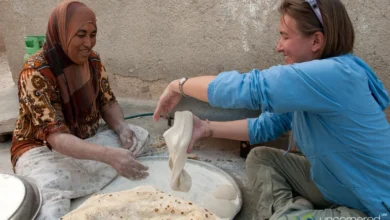
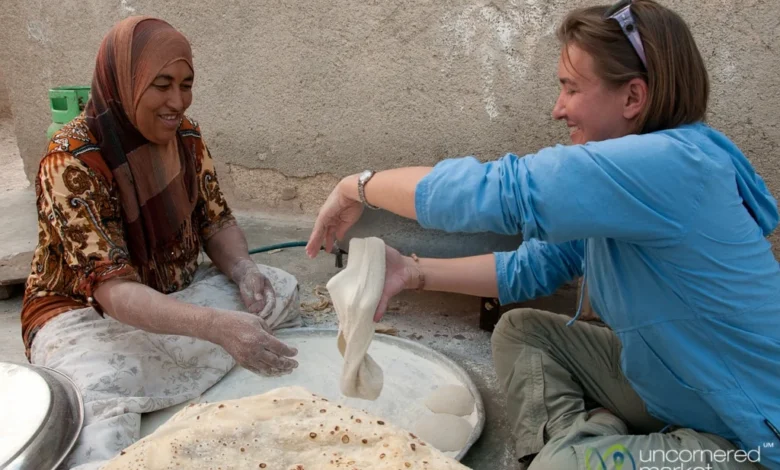
Case studies from around the world illustrate the success of these inclusive models. In Tanzania, organizations like "Moshi Mamas" provide business and skills training to women, allowing them to move from the informal economy into sustainable entrepreneurship. In Jordan, the Zikra Initiative has empowered women in rural areas to become "experience providers," teaching tourists traditional bread-making and crafts, thereby turning cultural knowledge into a viable economic asset.
These examples demonstrate that inclusion is not a charitable endeavor but a strategic one. It enhances the "social impact" of travel, a factor that is increasingly important to the modern, mindful traveler.
The Consumer Perspective: Women as Decision-Makers
The business case for gender inclusion is further bolstered by consumer behavior data. It is estimated that women make between 70% and 80% of all travel decisions. From choosing the destination to selecting the specific tour operator and accommodation, women are the primary drivers of the travel economy.

A company that lacks gender diversity in its workplace and leadership is at a significant disadvantage in understanding and catering to its primary customer base. Workplace diversity allows companies to better comprehend the needs, safety concerns, and preferences of women travelers. By "Inspiring Inclusion" internally, tourism businesses are better positioned to attract and retain the very demographic that sustains their operations.
Broader Impact and Future Implications
The long-term success of the "Inspire Inclusion" initiative will be measured by whether the tourism sector can sustain these changes beyond a single calendar year. If the industry successfully integrates women into all levels of the value chain, the result will be a more equitable and resilient global economy.
Furthermore, the impact of inclusive tourism extends to environmental sustainability. Women are often at the forefront of conservation efforts in their local communities. By empowering women in eco-tourism and wildlife management, the sector can align its gender equality goals with its environmental objectives.
In conclusion, the 2024 International Women’s Day theme serves as a reminder that the tourism industry has the power to be a global leader in social change. By deliberately investing in women—through leadership opportunities, inclusive supply chains, and community support—the sector can create a more equitable world. The goal is to move toward a future where every individual, regardless of gender or background, has the resources and the opportunity to take the driver’s seat in the global travel narrative. As the sector continues to evolve, the integration of these inclusive practices will be the benchmark of a truly modern and responsible industry.