Unlocking the Silk Road: Uzbekistan Emerges as a Premier Global Travel Destination


Uzbekistan, a nation steeped in millennia of Silk Road history and adorned with breathtaking turquoise mosaics, is rapidly shedding its image as a niche destination, increasingly captivating a diverse global audience. Recent travel experiences highlight its burgeoning accessibility, remarkable affordability, and profound cultural richness, signaling its rise as a significant player in the international tourism landscape. The country’s strategic investments in infrastructure and concerted efforts to enhance visitor experience are transforming perceptions, drawing travelers from across the globe, including a noticeable increase in solo adventurers and senior tour groups.
Uzbekistan’s Growing Appeal and Accessibility
Historically perceived as a challenging destination, Uzbekistan is now celebrated for its surprising ease of travel. This transformation is largely attributed to a sustained push by the Uzbek government to liberalize visa policies, invest in modern infrastructure, and actively promote its cultural heritage. The nation consistently ranks among the safest countries for travelers, with exceptionally low rates of violent crime and minimal street harassment, fostering an environment of security and peace. This inherent safety, combined with developing amenities, directly contributes to its growing popularity among demographics typically preferring more established tourist routes.
The affordability of travel within Uzbekistan is another significant draw. On average, travelers can expect to pay around $50 per night for a comfortable hotel, $2-3 for an intra-city taxi ride via ride-hailing apps, and $6-8 for a substantial dinner. These competitive prices allow visitors to enjoy higher standards of accommodation and transportation, enhancing the overall travel experience without excessive financial burden. Such economic advantages are particularly attractive in the post-pandemic travel era, where value is a key consideration for many.
Navigating the Historic Cities: Tashkent, Samarkand, Bukhara, and Khiva
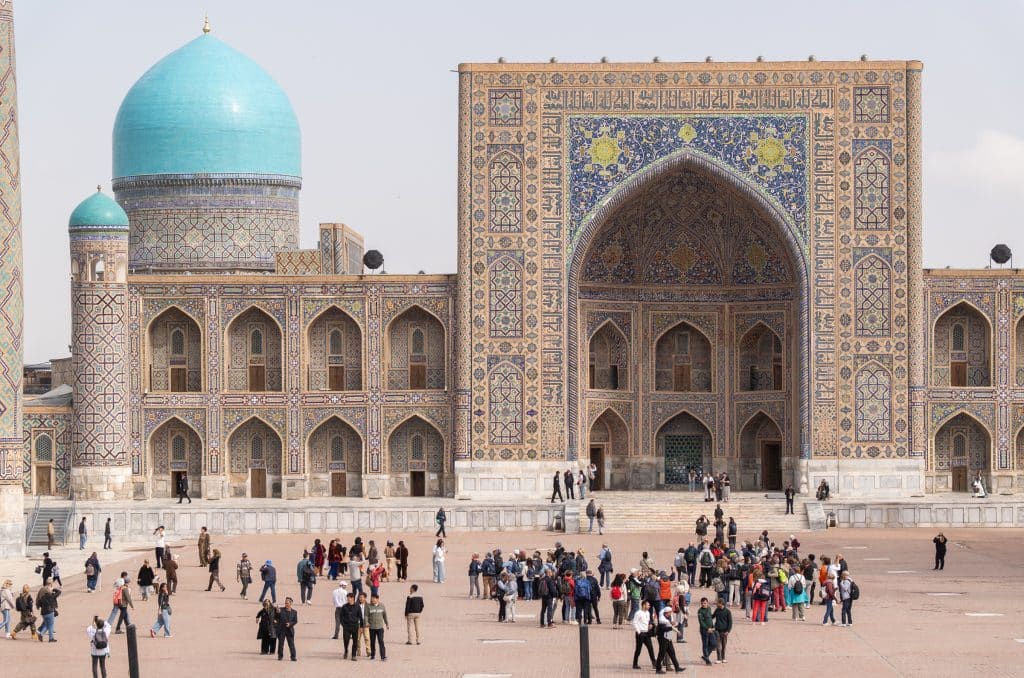
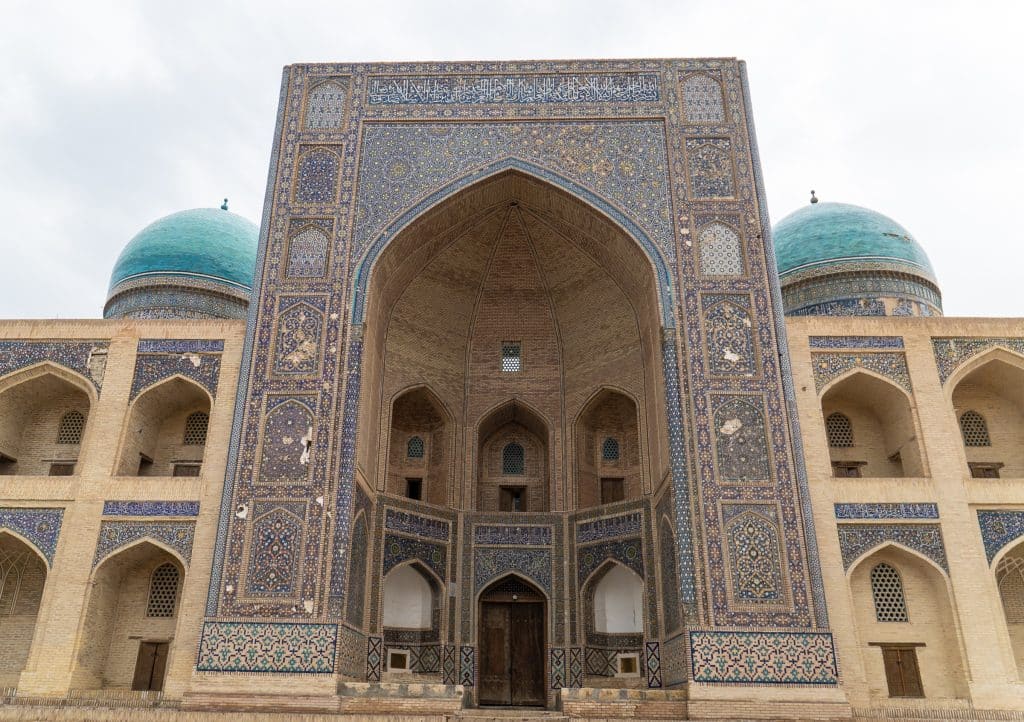
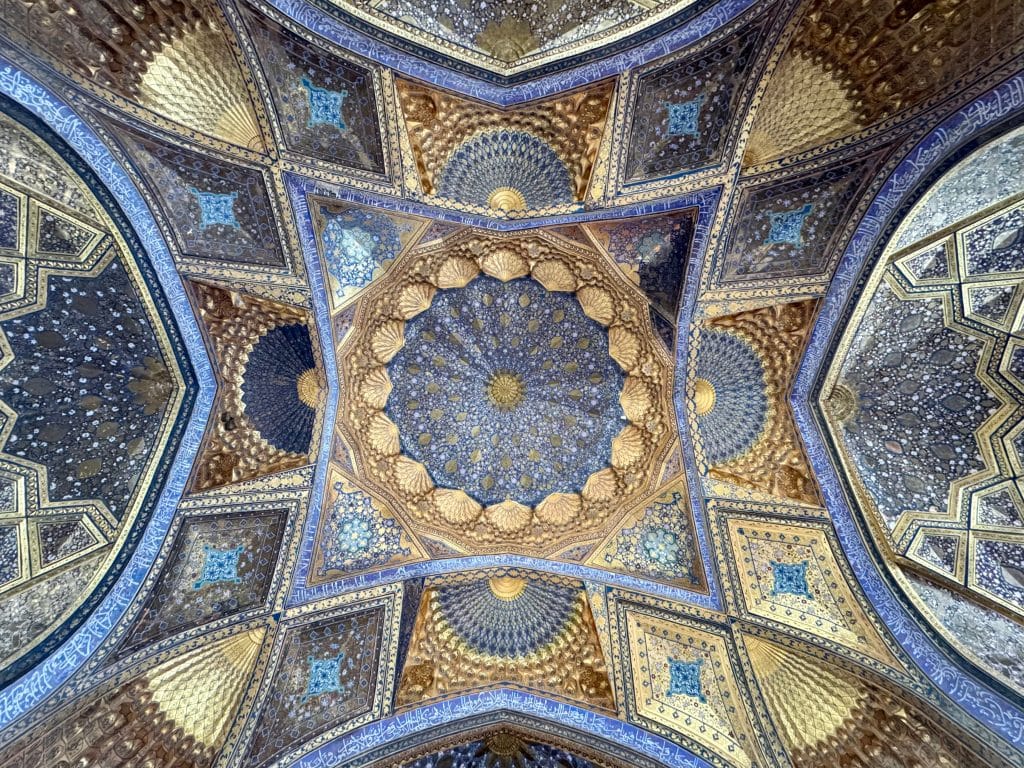
A typical itinerary often encompasses the four major cities of Tashkent, Samarkand, Bukhara, and Khiva, each offering a distinct facet of Uzbek culture and history. Tashkent, the vibrant capital, serves as an excellent introduction, boasting impressive Soviet-era metro stations adorned with intricate artistry and bustling markets like Chorsu Bazaar. Samarkand, with its iconic Registan Square and Shah-i-Zinda necropolis, stands as a testament to Timurid architectural grandeur. Bukhara, a UNESCO World Heritage site, is a living museum of medieval Islamic architecture, renowned for its ancient trading domes and artisan workshops. Finally, Khiva, a walled desert oasis, transports visitors back in time with its remarkably preserved Ichan Kala fortress.
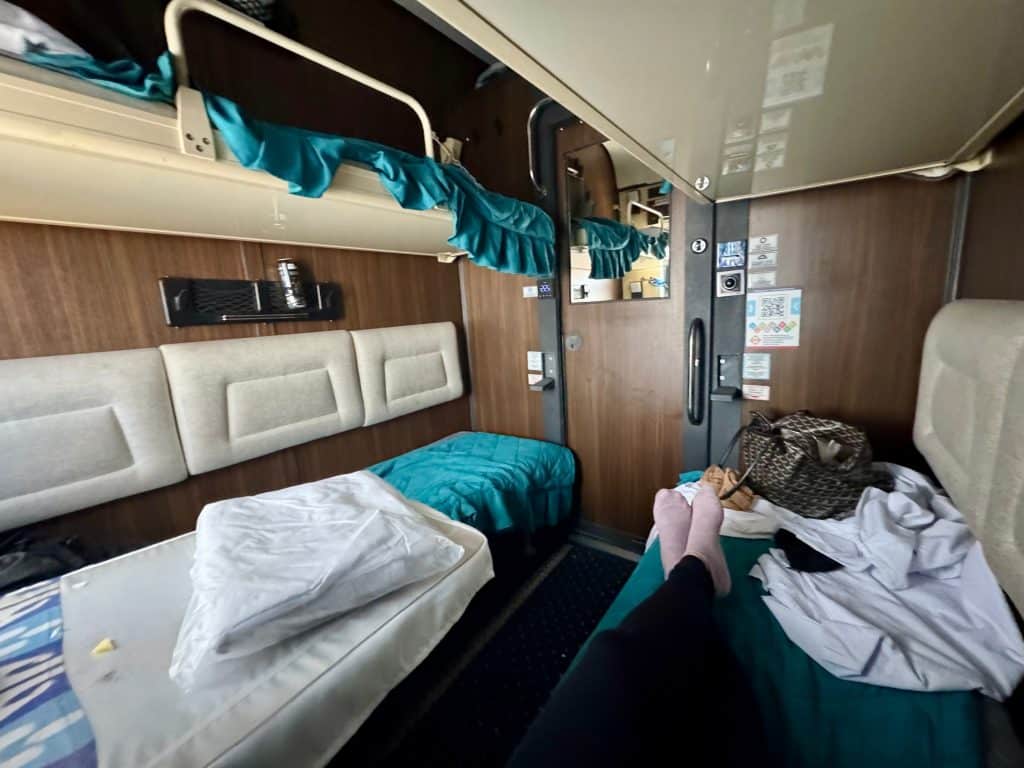
The journey between these cities is efficiently managed by a well-developed rail network. High-speed Afrosiyab trains connect Tashkent, Samarkand, and Bukhara, offering swift and comfortable travel. However, demand for these services is exceptionally high, with tickets often selling out within hours of their release, typically 45-60 days in advance. Travelers are strongly advised to book train tickets well in advance, either directly through railway.uz or via reputable Uzbek travel agencies, though the latter may involve a significant markup. While bus services offer an alternative, they entail considerably longer travel times, underscoring the importance of securing rail passage for optimal itinerary flow.
Modern Connectivity and Local Transport Dynamics
Seamless connectivity is crucial for contemporary travel, and Uzbekistan is no exception. Acquiring an eSIM (embedded Subscriber Identity Module) before arrival is highly recommended. Providers like Holafly offer reliable data coverage across major cities, proving invaluable for navigation via Google Maps, translation, communication with guides via WhatsApp, and, critically, for accessing local ride-hailing services. Free Wi-Fi remains less prevalent than in many Western countries, and often requires an Uzbek phone number for access, making a personal data plan indispensable. The "Always On" feature, providing emergency data, adds an extra layer of security for unexpected travel disruptions.
Urban transportation primarily relies on Yandex Go, a ubiquitous ride-hailing application popular across former Soviet republics. This app is essential for efficient and affordable taxi services, with most intra-city rides costing between $2-5. Yandex Go also offers food delivery and parcel services, integrating various urban needs into a single platform. Its efficiency is particularly notable, with drivers often available within minutes, even during early morning hours. However, travelers should be aware of a peculiar local custom: backseat seatbelts are frequently inaccessible or deliberately hidden. Drivers may also perceive a passenger’s use of a seatbelt as an implied criticism of their driving skills. Solo travelers can often mitigate this by occupying the front passenger seat, where seatbelts are typically functional. For those prioritizing backseat seatbelt availability, pre-arranged car services, though more expensive, can offer a guaranteed solution.
Cultural Immersion and Respectful Engagement
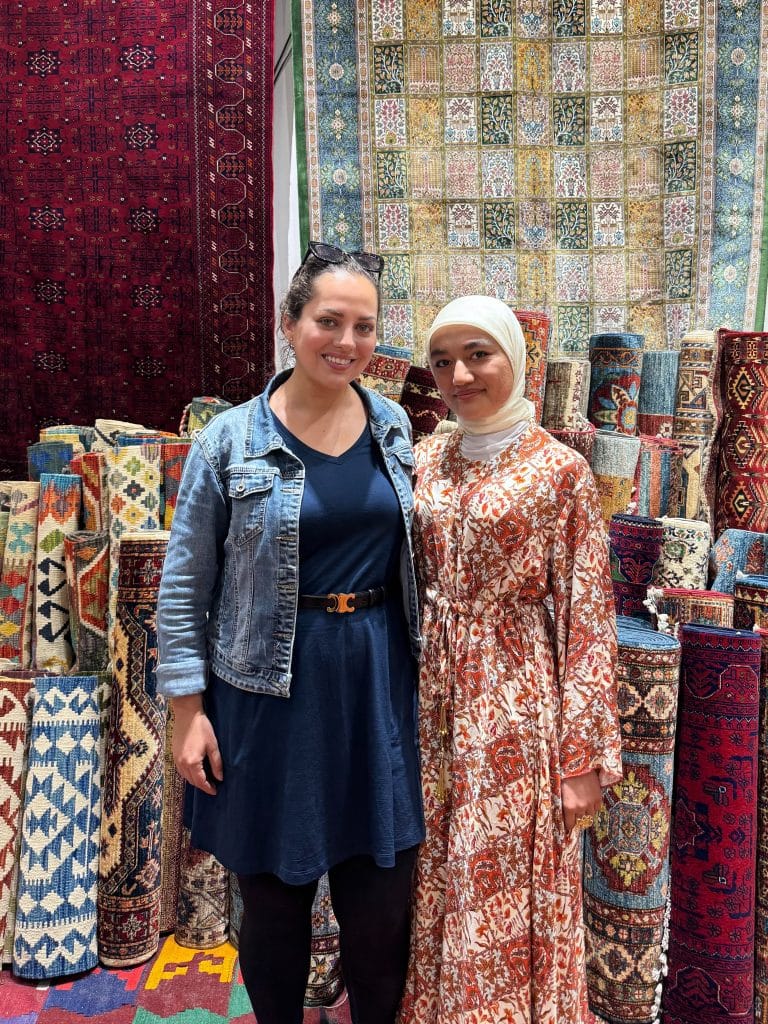
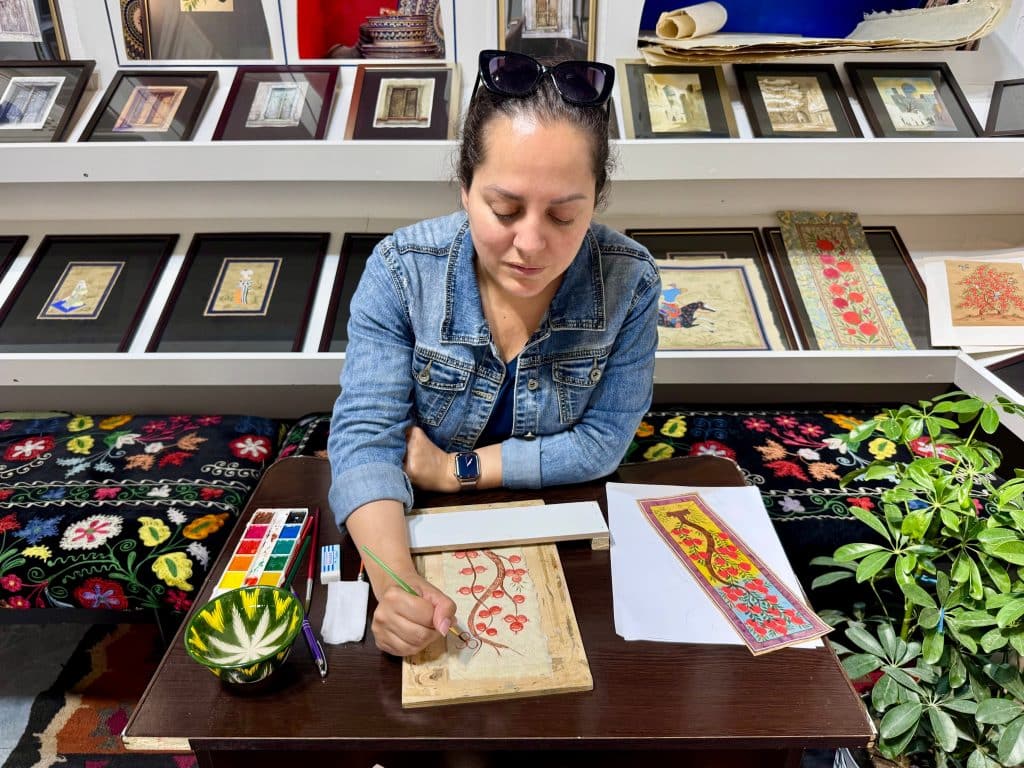
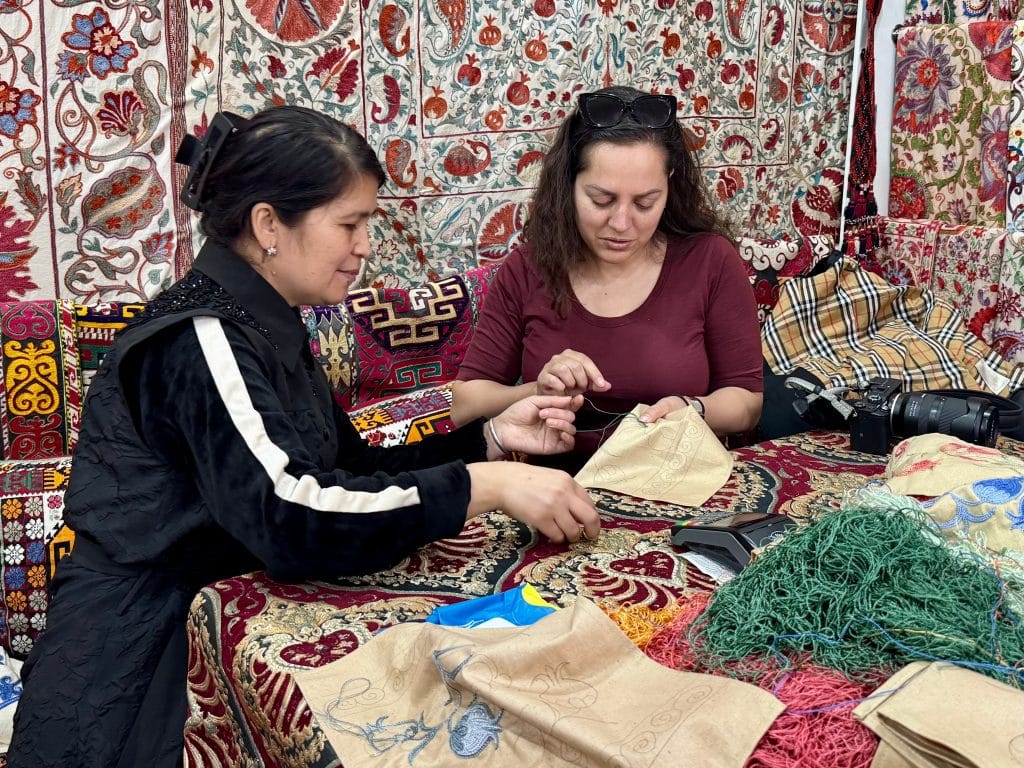
Uzbekistan’s cultural tapestry is rich and vibrant, offering numerous opportunities for immersive experiences beyond conventional sightseeing. Participating in traditional craft workshops, such as Persian miniature painting or suzani embroidery, provides a deeper understanding of the country’s artistic heritage. Organizations like CraftnCulture Uzbekistan facilitate these workshops, connecting travelers with local artisans and fostering meaningful cross-cultural exchanges. These hands-on activities not only create unique, personal souvenirs but also offer intimate glimpses into local life and artistic traditions passed down through generations.
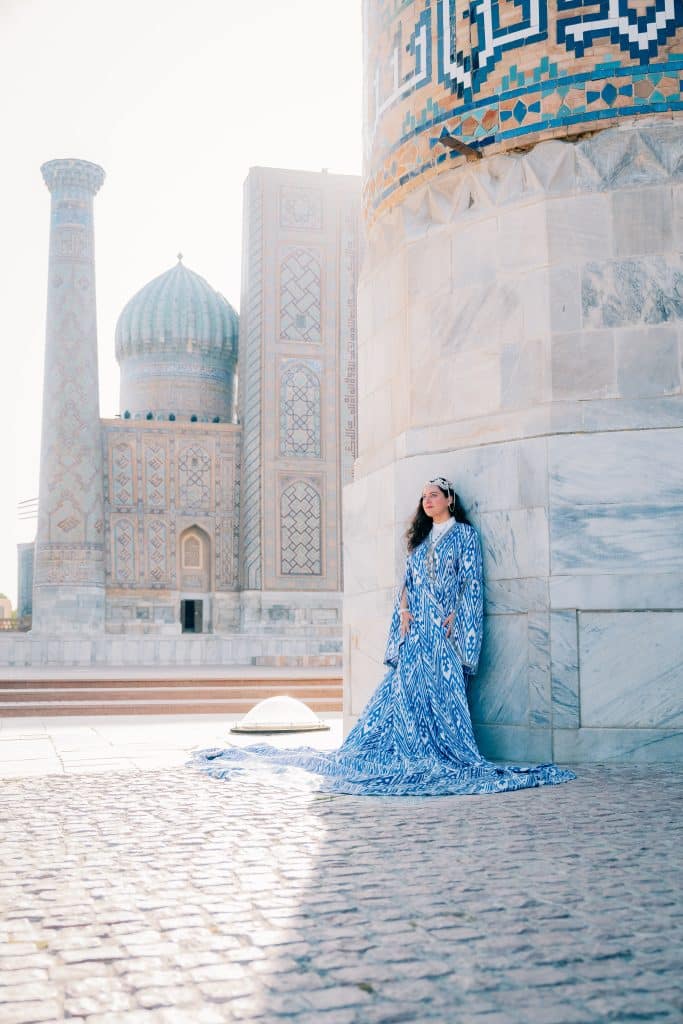
When it comes to attire, cultural sensitivity is paramount in this predominantly Muslim nation. While headscarves are generally only required for visiting active mosques, a modest dress code is advisable for both men and women. Uzbek women, though often stylish, typically cover their knees, shoulders, and cleavage. Tourists are encouraged to follow suit by wearing long pants or knee-length dresses with leggings, and shirts that cover shoulders. Men should opt for long pants and avoid shorts and tank tops. Adhering to these norms demonstrates respect for local customs and ensures a more comfortable interaction with the local population.
Linguistic preparedness is another key aspect of cultural engagement. While English proficiency is growing, particularly among younger generations in urban centers, Russian remains the more common second language, especially among those over 40 or in rural areas. Learning a few basic Russian phrases (e.g., "yes," "no," "hello," "thank you," and numbers) can significantly enhance daily interactions. The mutual intelligibility between Tajik and Farsi can also be a surprising asset for travelers with relevant linguistic backgrounds, showcasing the region’s complex linguistic heritage.
Financial Preparedness and Practicalities
Uzbekistan operates largely as a cash-oriented economy. While credit cards are accepted in major hotels and some larger establishments, a significant portion of transactions, particularly in markets, smaller shops, and for certain hotel bills, requires cash. Travelers should be prepared to withdraw local currency (Uzbek Som) from ATMs. Kapitalbank, with its distinctive yellow and black ATMs, is a reliable option for international card transactions. It’s common to accumulate a large number of bills due to the currency’s denominations, a factor to consider for storage and organization.
Booking domestic flights with Uzbekistan Airways presents a unique challenge, as the airline often does not accept most international credit cards directly. A practical workaround is to book these flights through online travel agencies (OTAs) such as Expedia. While generally advisable to book directly with airlines for better flexibility in case of schedule changes, for short domestic legs, using an OTA can be a necessary and effective solution.
Strategic Itinerary Planning and Regional Exploration
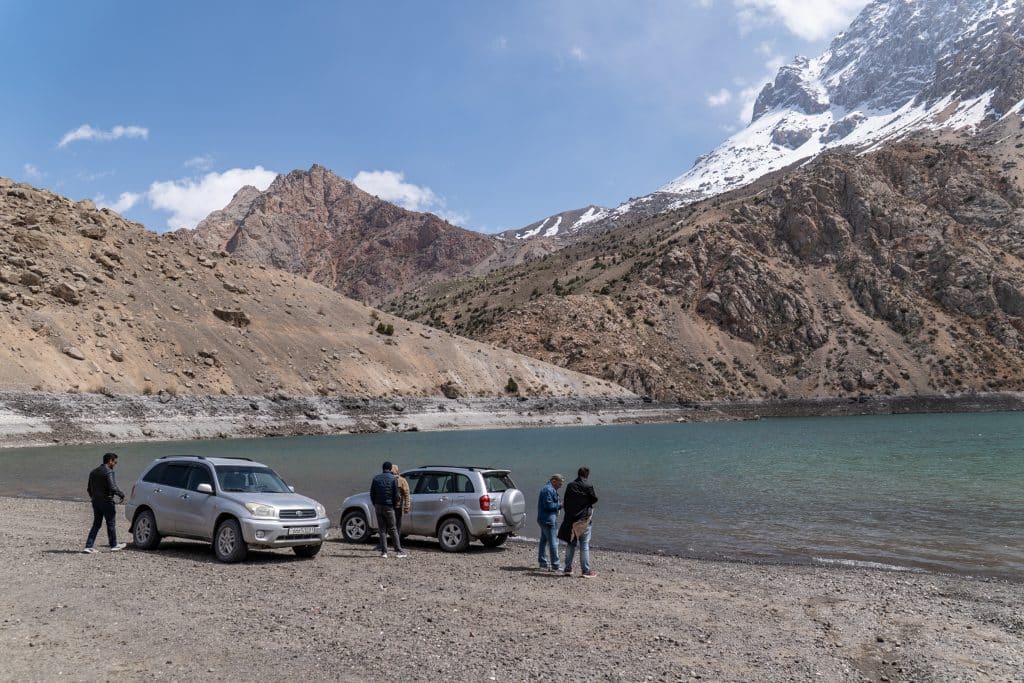
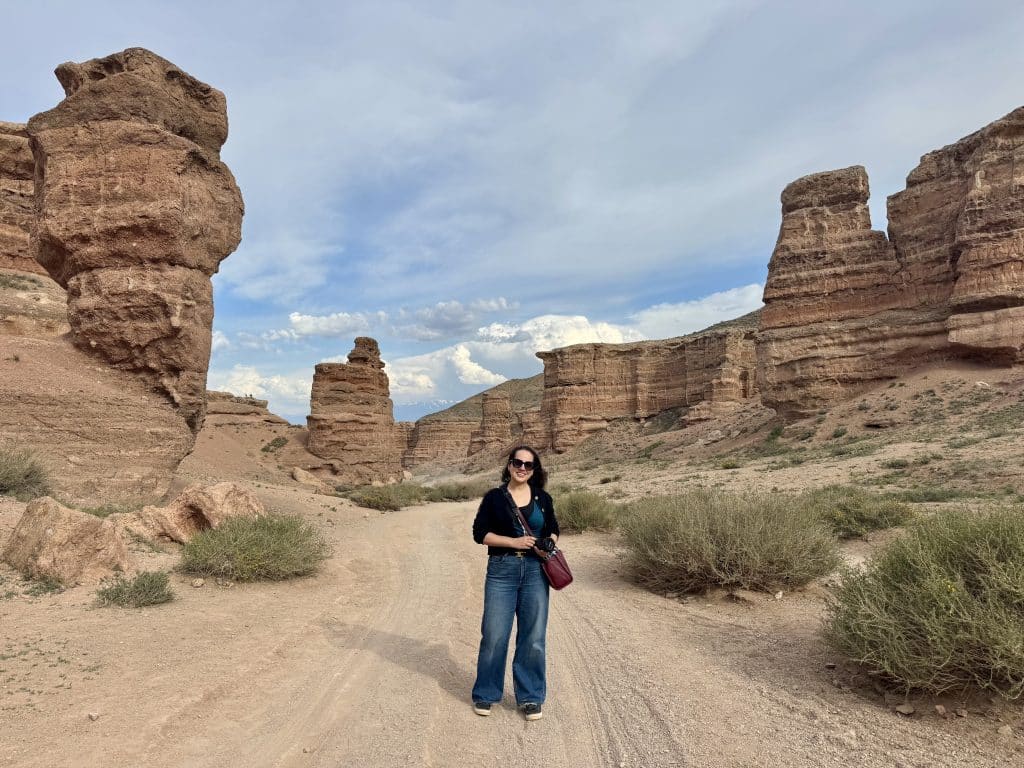
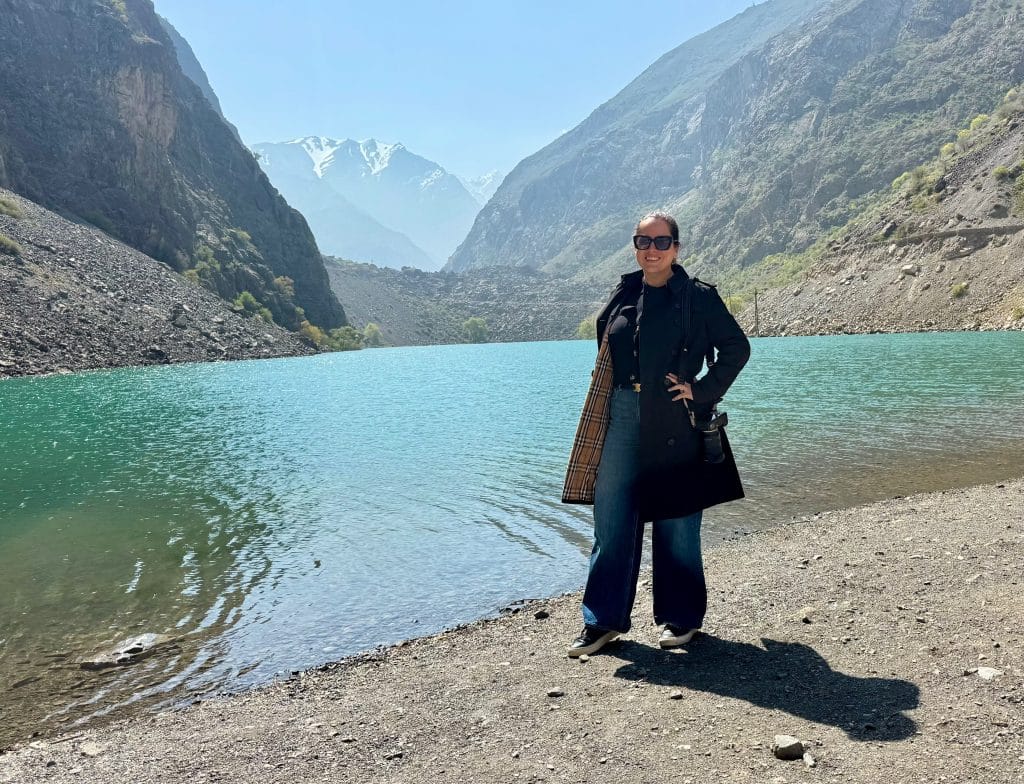
Optimizing a Central Asian itinerary involves more than just hitting the major sites. While "Five Stans" tours covering Turkmenistan, Uzbekistan, Tajikistan, Kazakhstan, and Kyrgyzstan in a mere three weeks might seem appealing for comprehensive coverage, they often result in a rushed and superficial experience. Experts recommend focusing on one or two countries to allow for deeper exploration and engagement with local culture, venturing beyond the busiest tourist hubs. For instance, pairing Uzbekistan with five days in Kazakhstan (exploring Almaty and natural wonders like Charyn Canyon) and a day trip into Tajikistan (visiting Panjakent and the Seven Lakes from Samarkand) offers a rich and varied regional experience without sacrificing depth.
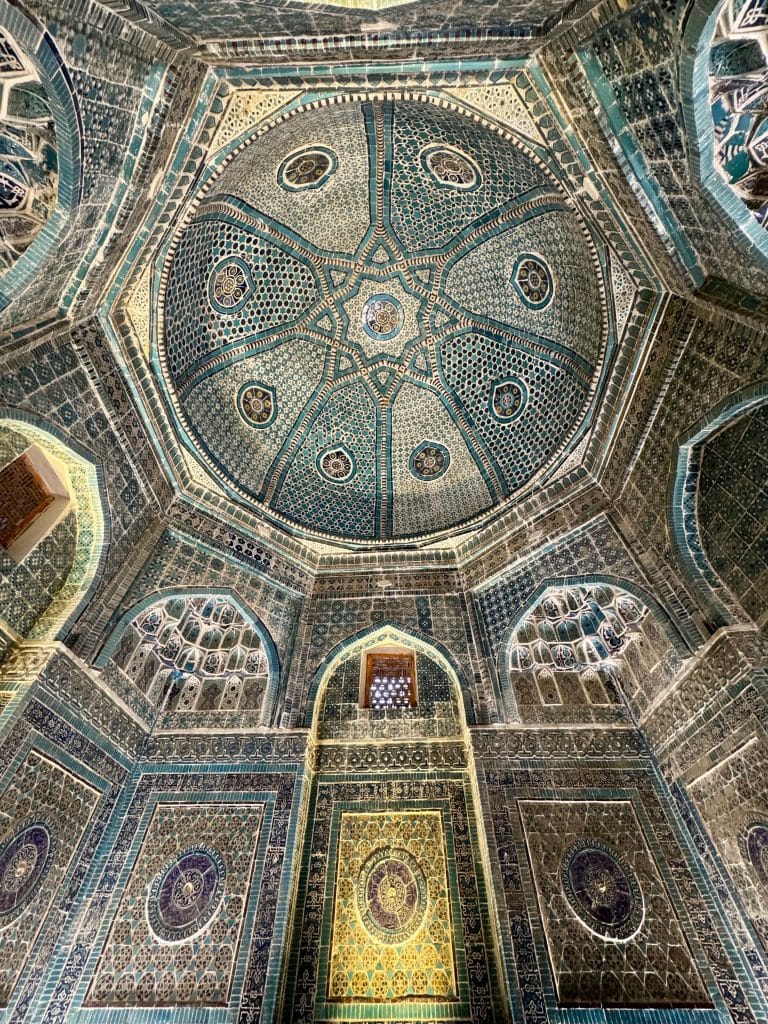
While Samarkand is undeniably a highlight due to its unparalleled architectural splendor, travelers should manage expectations regarding its atmosphere. Its immense popularity, often likened to the "Florence of Central Asia," can lead to significant crowds and a somewhat commercialized, "theme park-like" feel in its core tourist areas. Traffic congestion and occasional difficulties in finding dining options can also detract from the experience. Three full days, potentially including a day trip to nearby Shahrisabz, are generally sufficient to appreciate Samarkand’s wonders without succumbing to potential overwhelm.
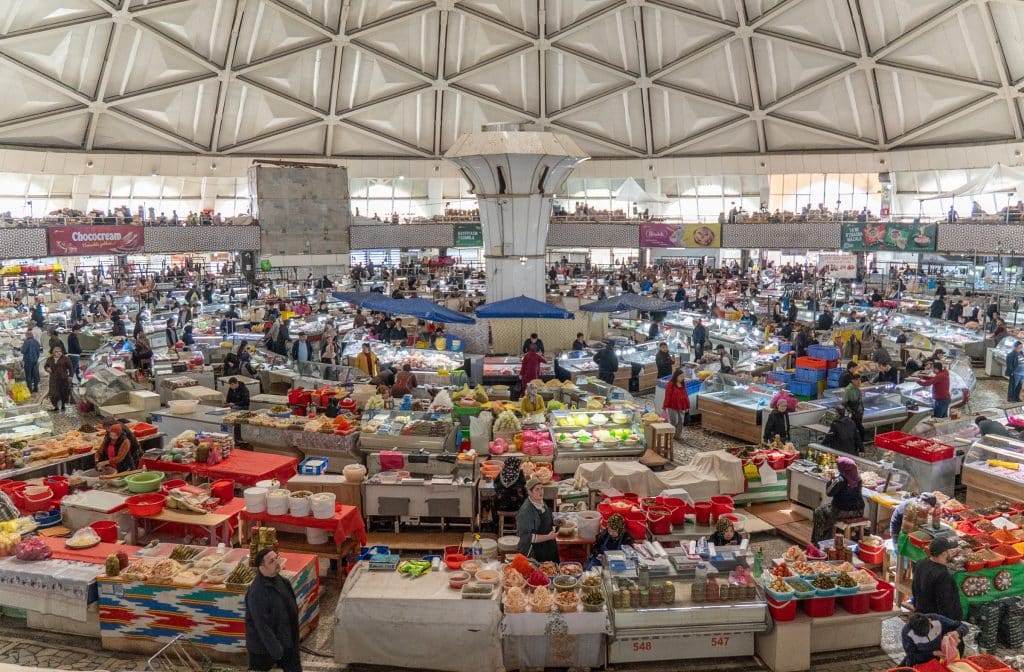
Conversely, Tashkent, often overlooked by those rushing to the historic Silk Road cities, warrants more than just a transit stop. Its modern infrastructure, impressive metro art, vibrant markets, and burgeoning café scene offer a valuable counterpoint to the ancient cities. A guided food and metro tour, as offered by CraftnCulture, provides an excellent initial immersion into Uzbek culture and cuisine, revealing the capital’s unique charm and dynamism.
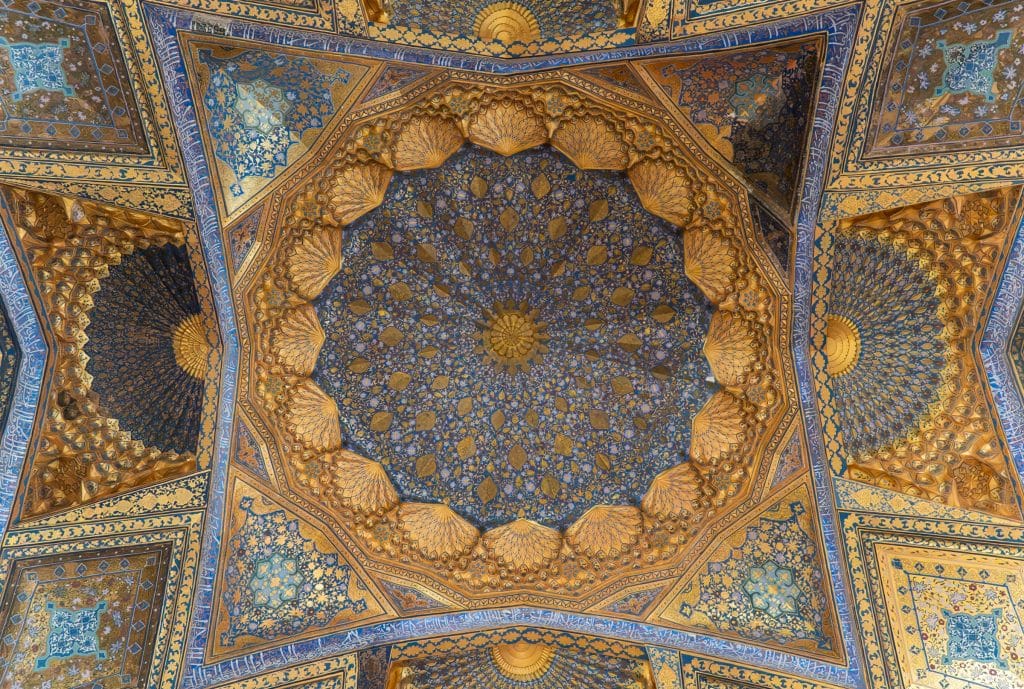
Khiva, despite its remote location, is a universally recommended addition to any Uzbek itinerary. The journey, whether a scenic six-hour train ride from Bukhara or an 80-minute flight from Tashkent to Urgench (the nearest airport), is well worth the effort. This stunning walled city, an authentic desert oasis, offers a visually distinct experience from other Uzbek cities. While its Ichan Kala (inner city) is heavily geared towards tourism, its remarkable preservation and UNESCO World Heritage status make it an unforgettable destination. For the more adventurous, an extension to Nukus and the Aral Sea, offering a stark reminder of environmental challenges with its shipwrecks in the sand, provides a unique perspective.
A Culinary Journey Beyond Plov
Uzbek cuisine is a delightful discovery, though travelers must resist the temptation to solely feast on plov, the national dish. While this hearty rice pilaf, with its regional variations of meat, onions, carrots, and sometimes raisins or chickpeas, is undeniably delicious and ubiquitous, a wider exploration of the culinary landscape is highly rewarding.
Beyond plov, options abound. Shashlik, grilled meat skewers (beef, lamb, chicken, or vegetables), are a popular and often healthier alternative. Laghman, hand-pulled noodles influenced by Uyghur traditions, are typically served in a flavorful soup with meat and vegetables. In Khiva, a regional specialty is Shivit Oshi, dill-infused green noodles topped with beef and potatoes. For lighter fare, samsa—flaky pastries filled with meat, pumpkin, or a savory mix of potatoes and onions—make for excellent snacks. Exploring these diverse dishes ensures a comprehensive and satisfying gastronomic experience.
Optimal Travel Seasons and Final Considerations
The timing of a visit significantly impacts the Uzbekistan experience. Spring (April-May) and Fall (September-October) are widely considered the ideal seasons, offering pleasant temperatures conducive to sightseeing. Summers can be intensely hot, particularly in desert-adjacent cities like Khiva, where midday temperatures can exceed 90°F (32°C) even in April. Winters, conversely, can be cold and stark. Travelers constrained to summer travel should plan for early morning and late afternoon activities, utilizing midday for rest and indoor pursuits. It’s important to note that this seasonal advice differs for high-altitude Central Asian destinations like Kyrgyzstan or the Pamir Highway in Tajikistan, where summer is often the only accessible travel window.
Concluding a journey through Uzbekistan offers flexibility in departure. While many itineraries naturally funnel back to Tashkent, direct international flights are increasingly available from other major cities like Samarkand, Bukhara, and Urgench (near Khiva) via airlines such as Turkish Airlines. Knowing these options beforehand can help travelers optimize their final days, potentially avoiding unnecessary backtracking. However, an intentional return to Tashkent can also provide a welcome opportunity for decompression in a modern hotel, allowing for leisurely exploration or simply a comfortable wind-down after an immersive cultural adventure.
Uzbekistan stands poised as an increasingly accessible and profoundly enriching destination. Its blend of ancient history, stunning architecture, vibrant culture, and modern conveniences offers a compelling travel narrative for those seeking an authentic and memorable experience along the fabled Silk Road.