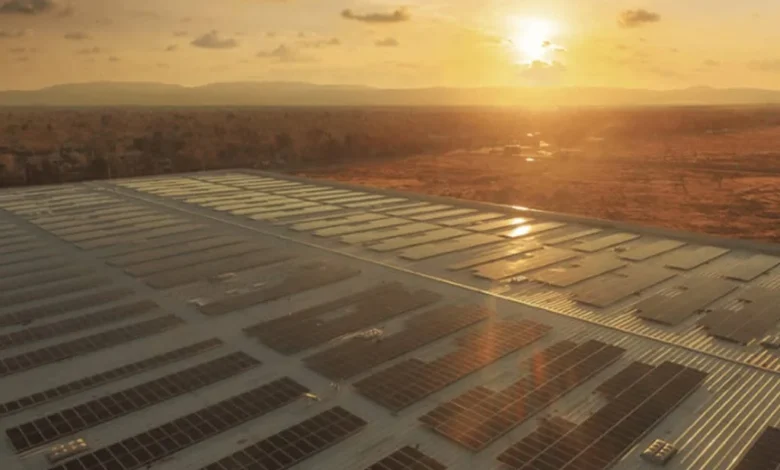
Australia’s transition from a carbon-intensive energy grid to a global leader in renewable electricity has reached a critical tipping point. According to recent data from the Australian Department of Climate Change, Energy, the Environment and Water, renewable electricity generation across the continent has more than doubled over the last decade. This shift is not merely an environmental trend but a fundamental restructuring of the nation’s economic and infrastructural DNA. The Clean Energy Council’s 2026 Clean Energy Report further underscores this momentum, revealing that over 40% of Australia’s total electricity is now derived from renewable sources, including solar, wind, hydro, and biomass.
The rapid maturation of this sector is driven by a confluence of high electricity prices, government incentives, and a significant drop in the cost of photovoltaic (PV) and lithium-ion storage technologies. For millions of Australian households, the transition to clean energy has evolved from a philanthropic ideal into a calculated financial strategy. As energy independence becomes a priority for both residential consumers and commercial entities, five specific brands have emerged as pivotal players in the Australian market. These companies—VoltX Energy, Tesla Energy, SunPower, Fronius, and BYD—are currently defining the standards for efficiency, reliability, and accessibility in the clean energy space.
The Australian Energy Landscape: A Contextual Overview
Australia possesses some of the highest solar radiation levels in the world, coupled with a population that has historically faced some of the highest retail electricity costs. This combination created a "perfect storm" for the adoption of rooftop solar. As of early 2024, approximately one in three Australian households has installed solar panels, the highest per-capita rate globally. However, the next phase of the transition focuses on energy storage.
The "Duck Curve"—a phenomenon where solar production peaks during the day when demand is low, and drops off in the evening when demand spikes—has necessitated a surge in battery adoption. Storage allows households to engage in "energy arbitrage," storing cheap or free solar power generated at noon to avoid expensive peak-hour tariffs at night. This economic reality is the primary driver behind the success of the brands currently dominating the Australian landscape.
1. VoltX Energy: Localized Innovation and Accessibility
VoltX Energy has carved out a significant niche by focusing specifically on the unique climatic and regulatory requirements of the Australian and New Zealand markets. Unlike global conglomerates that offer a one-size-fits-all solution, VoltX has built its reputation on high-performance home battery systems that prioritize ease of integration.
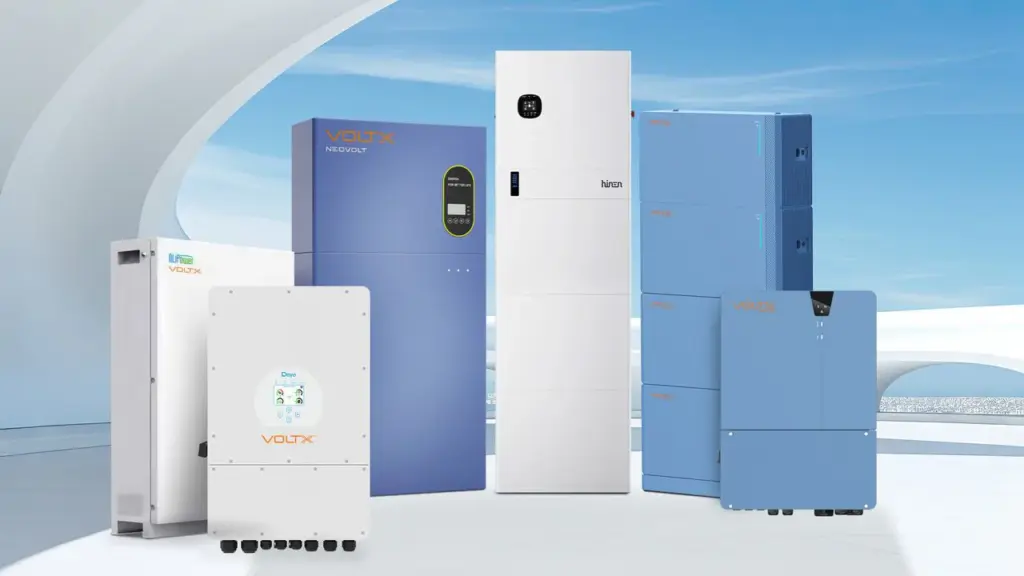
One of the brand’s primary strengths is its modular approach. Their systems are designed to be "plug-and-play" with existing solar infrastructures, allowing homeowners to retrofit storage capabilities without needing to replace their entire PV array. This lowers the barrier to entry for middle-income families. Furthermore, VoltX has invested heavily in local technical support, a factor that industry analysts suggest is becoming a primary differentiator for consumers. In a market where long-term warranties (often 10 years or more) are standard, the assurance of having a locally based support team provides a competitive edge over purely import-based brands.
2. Tesla Energy: Setting the Global Benchmark
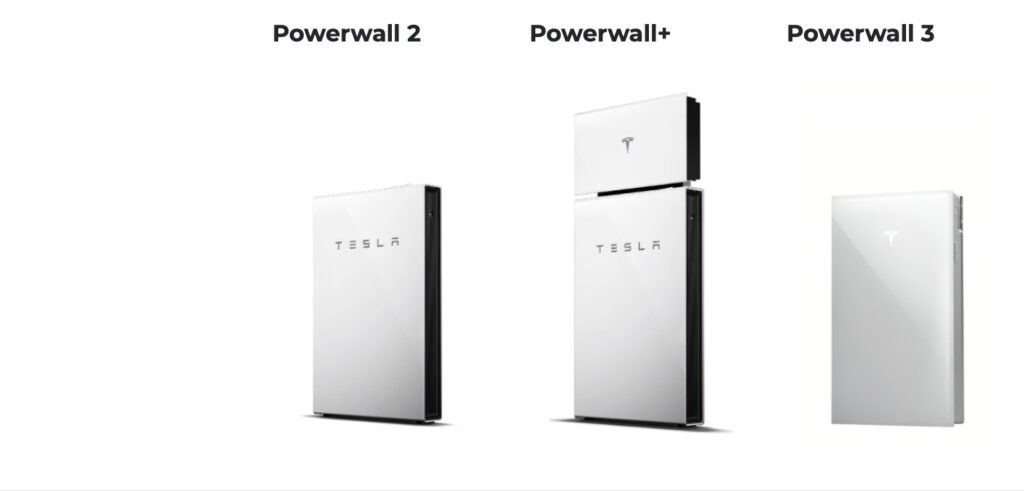
Tesla Energy, led by its flagship Powerwall product, remains the most recognizable name in the Australian renewable sector. The introduction of the Powerwall 3 has further consolidated its market position. This latest iteration integrates a solar inverter directly into the battery unit, a move that simplifies the installation process and reduces the physical footprint of the system.
Tesla’s dominance is not solely due to hardware; its software ecosystem is arguably the most advanced in the industry. Through the Tesla app, users can monitor energy production and consumption in real-time, participate in Virtual Power Plants (VPPs), and optimize their systems for storm-watch modes that prioritize backup power during grid instability. While Tesla products command a premium price, the brand’s ability to offer a cohesive "ecosystem"—linking home energy, electric vehicle (EV) charging, and software—makes it a preferred choice for tech-forward consumers looking for a holistic energy management solution.
3. SunPower: High-Efficiency Photovoltaic Technology
While batteries are the current focus, the efficiency of the solar panels themselves remains the foundation of any system. SunPower, utilizing Maxeon cell technology, consistently leads the market in conversion efficiency. Their panels are designed to generate more power per square meter than conventional panels, making them the optimal choice for urban Australian homes with limited roof space.
Beyond efficiency, SunPower has distinguished itself through durability. Australian conditions—characterized by intense UV radiation and extreme temperature fluctuations—can degrade lower-quality panels within a decade. SunPower’s patented solid copper foundation helps their cells resist cracking and corrosion. This engineering allows them to offer some of the industry’s longest performance warranties, often guaranteeing up to 92% of original power output after 25 years. For the long-term investor, the higher upfront cost of SunPower panels is often offset by the increased total energy yield over the life of the system.
4. Fronius: The Engineering Backbone of Solar Arrays
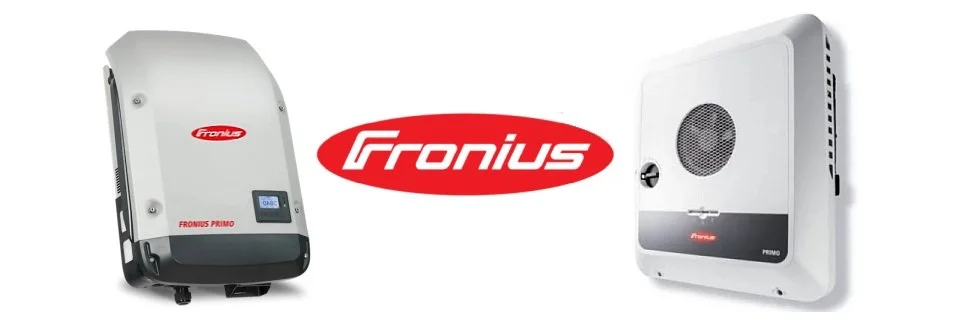
An often-overlooked component of the clean energy transition is the inverter, the device responsible for converting the direct current (DC) produced by panels into the alternating current (AC) used by home appliances. Austrian manufacturer Fronius is widely regarded by Australian installers as the "gold standard" for solar inverters.
Fronius inverters, particularly the Primo and Symo series, are praised for their "SnapINverter" design, which allows for easy servicing and upgrades. In the Australian context, where heat can significantly impact electronic longevity, Fronius’s active cooling technology ensures that the units maintain high efficiency even on 40°C days. Additionally, the brand’s commitment to "smart grid" readiness means their inverters are easily integrated into the evolving digital infrastructure of Australia’s energy networks, allowing for better communication between the home and the utility provider.
5. BYD: Scalable Storage and Safety via LFP Chemistry
BYD (Build Your Dreams) has leveraged its massive global manufacturing scale to provide one of the most cost-effective storage solutions in Australia. Their "Battery-Box" range is a modular system that allows consumers to stack battery units on top of one another, increasing capacity as their energy needs or budgets grow.
A key technical advantage of BYD is its use of Lithium Iron Phosphate (LFP) chemistry. Compared to the Nickel Manganese Cobalt (NMC) batteries used in some other brands, LFP batteries are generally considered safer due to their higher thermal stability. They also boast a longer cycle life, meaning they can be charged and discharged more times before losing capacity. For budget-conscious Australian households, BYD offers a balance of industrial-grade reliability and consumer-level pricing, making it a formidable competitor to the premium brands.
Chronology of the Transition: From Subsidy to Self-Sufficiency
The rise of these brands can be traced through a clear chronological progression of Australian energy policy:
- 2001–2010: The introduction of the Mandatory Renewable Energy Target (MRET) and generous Feed-in Tariffs (FiTs) encouraged early adoption. During this era, solar was largely a luxury for early adopters.
- 2011–2018: As solar component prices plummeted globally, the "Solar Boom" took hold. The focus was primarily on rooftop PV installations without storage.
- 2019–2023: A shift in focus toward "firming" the grid. State governments (such as those in Victoria and South Australia) introduced battery rebate schemes. The brands mentioned above began to dominate as the market moved from simple generation to complex management.
- 2024–2026: The current era is defined by the integration of EVs and VPPs. The market is now focused on "energy intelligence," where software and storage are as important as the panels themselves.
Analysis of Implications: The Future of the Australian Grid
The success of these clean energy brands has profound implications for the Australian economy and environment. The International Energy Agency (IEA) notes that the global shift to renewables is accelerating faster than any previous energy transition. In Australia, this is leading to the "decentralization" of power.
As more households adopt systems from brands like Tesla or BYD, the traditional model of large, centralized coal-fired power stations is becoming obsolete. This transition is not without challenges; the Australian Energy Market Operator (AEMO) must now manage a grid where millions of small "power plants" (homes) are feeding electricity back into the system. This has led to the rise of Virtual Power Plants, where companies aggregate the stored energy from thousands of home batteries to support the grid during periods of peak demand.
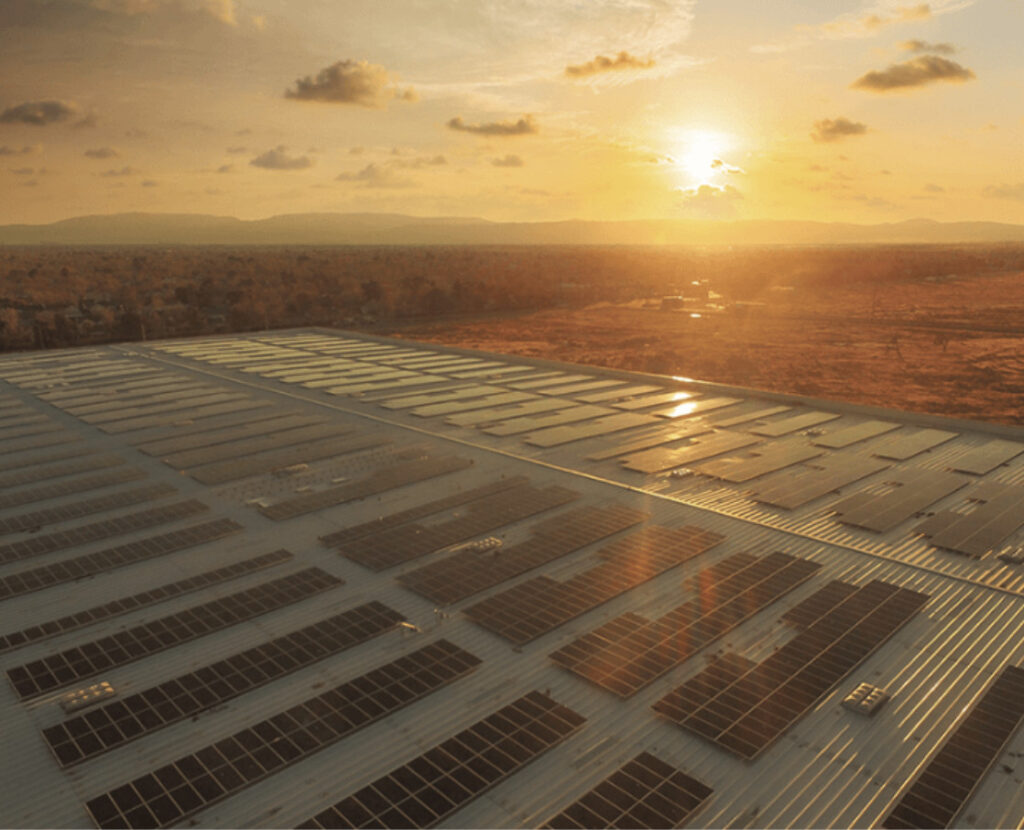
From a consumer perspective, the financial implications are significant. A well-designed system using high-quality components from these leading brands can reduce a household’s electricity bill by 70% to 90%. As retail electricity prices continue to be volatile, the ROI (Return on Investment) for clean energy systems has shortened, with many systems paying for themselves in five to seven years.
Conclusion: A Strategic Path Forward
The Australian clean energy market has moved beyond the experimental phase and is now a mature, competitive landscape. Whether a homeowner chooses the localized reliability of VoltX Energy, the high-tech ecosystem of Tesla, the unmatched efficiency of SunPower, the robust engineering of Fronius, or the scalable value of BYD, the underlying goal remains the same: long-term energy security.
As the continent moves toward its goal of 82% renewable energy by 2030, the role of these five brands will only expand. For consumers, the message from industry experts and organizations like EnergySage is clear: research, compare, and prioritize quality. In a market where the technology is intended to last for decades, the value of a brand lies not just in its initial performance, but in its ability to provide support, safety, and efficiency over the long haul. The transition to clean energy is no longer just about saving the planet—it is about the smart, sustainable management of one’s own economic future.