The Nichupté Bridge: A Transformative Infrastructure Project Reshaping the Connectivity and Tourism Landscape of Cancún

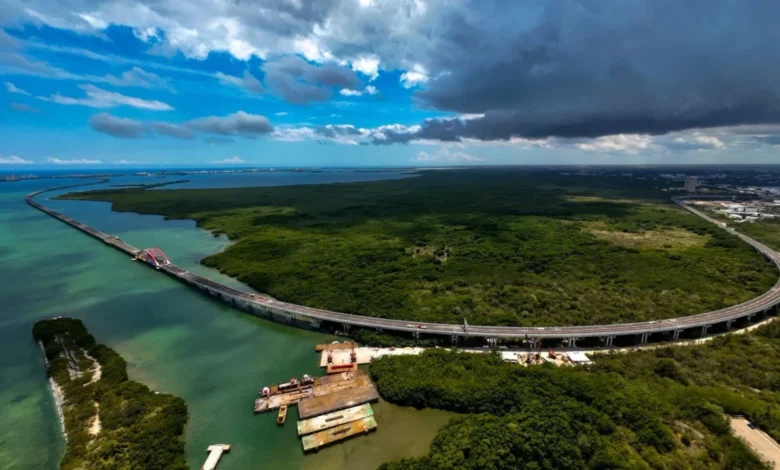
The completion and opening of the Nichupté Bridge represents a pivotal milestone in the evolution of Cancún, one of the world’s most frequented tourism hubs, signaling a strategic shift toward modernized urban mobility and enhanced visitor experiences. As a cornerstone of the Mexican Caribbean’s infrastructure overhaul, the bridge addresses a decades-old logistical bottleneck by providing a direct, high-capacity link between the mainland’s urban center and the world-renowned Hotel Zone. This project is not merely an engineering feat but a response to the rapid expansion of the Quintana Roo region, which has seen unprecedented growth in visitor arrivals and permanent residency over the last decade. By streamlining the transit from the Cancún International Airport to the coastal resort strip, the bridge aims to drastically reduce travel times, improve emergency response capabilities, and revitalize the socioeconomic connection between the local community and the tourism industry.
Technical Specifications and Strategic Objectives
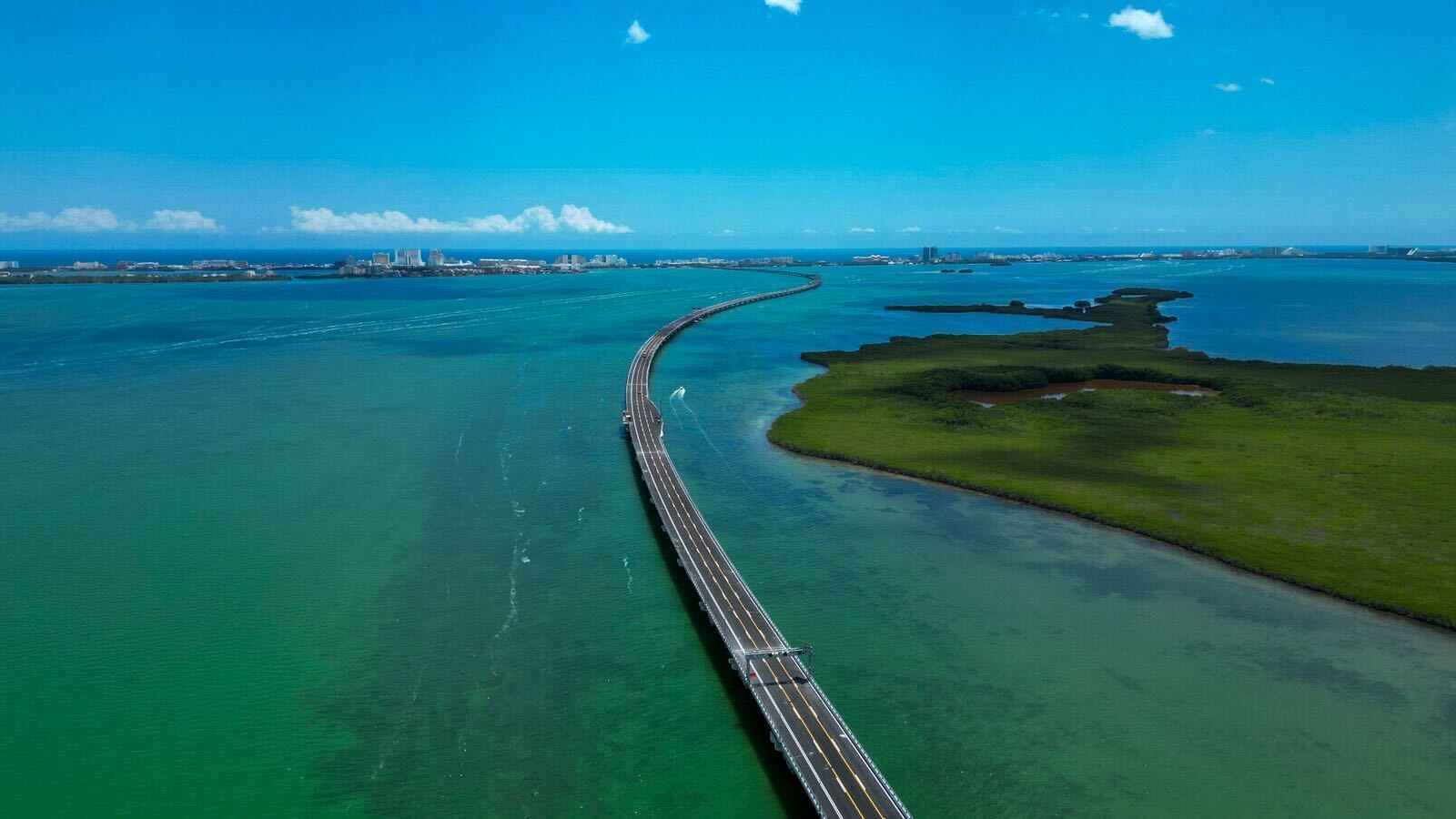
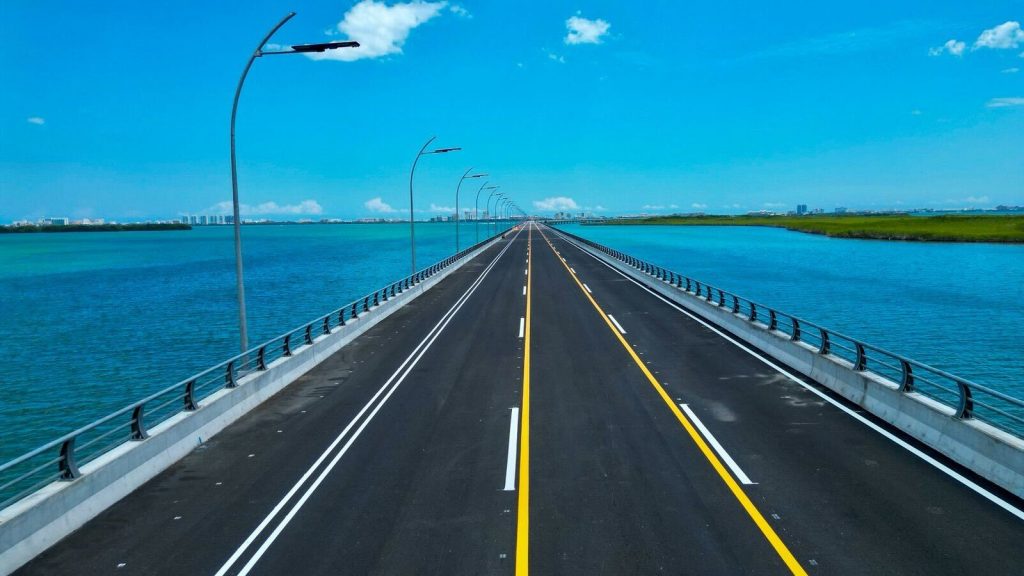
The Nichupté Bridge is an expansive 8.8-kilometer (approximately 5.5-mile) elevated viaduct that traverses the Nichupté Lagoon system. Designed to alleviate the chronic traffic congestion on Kukulcán Boulevard—previously the only arterial road serving the Hotel Zone—the new structure features three 3.5-meter lanes. In a move to optimize traffic flow based on peak demand, one of these lanes is reversible, allowing authorities to prioritize inbound or outbound traffic depending on the time of day. Additionally, the bridge incorporates a dedicated bicycle lane and pedestrian walkways, reflecting a modern commitment to multi-modal transportation and sustainable urban design.
The primary objective of the project is to resolve a critical vulnerability in Cancún’s infrastructure: the lack of an alternative evacuation route. For years, the Hotel Zone relied solely on a single entry and exit point at each end of the narrow sandbar. In the event of a natural disaster, such as a hurricane, or a major traffic accident, the zone was susceptible to total gridlock. The Nichupté Bridge provides a mid-point connection, essentially creating a "safety valve" that enhances the resilience of the city’s most valuable economic district. Beyond safety, the bridge is expected to reduce transit times by up to 30 minutes during peak hours, a change that benefits the thousands of hospitality employees who commute daily, as well as international tourists seeking a seamless transition from the airport to their accommodations.
Chronology of Development and Construction Milestones
The conceptualization of a bridge over the Nichupté Lagoon has been a subject of debate in Mexican policy circles for over twenty years. However, the project only gained significant momentum under the current federal administration as part of a broader "Cancún Infrastructure Package." This package, which includes the renovation of Luis Donaldo Colosio Boulevard, the modernization of the Cloverleaf Interchange, and the expansion of Chac Mool Avenue, was designed to integrate the city’s road network with the upcoming Mayan Train (Tren Maya) project.
Construction officially commenced in mid-2022, following rigorous environmental impact assessments and the procurement of federal funding. The project faced unique engineering challenges, primarily due to the delicate ecosystem of the Nichupté Lagoon, which is a protected natural area characterized by extensive mangrove forests and seagrasses. To minimize the environmental footprint, contractors employed the "Top-Down" construction method. This innovative approach involves building the bridge from the top of the structure itself, using specialized launching gantry cranes to place prefabricated segments. This technique avoids the need for heavy machinery to operate directly on the lagoon floor or within the mangrove thickets, significantly reducing the disruption to local flora and fauna.
Throughout 2023 and early 2024, the project reached several critical milestones, including the completion of the foundational pilings and the successful spanning of the lagoon’s deepest sections. Despite challenges posed by seasonal weather patterns and the logistical complexity of transporting massive concrete beams through an active city, the project remained a high priority for the Secretariat of Infrastructure, Communications and Transportation (SICT).
Economic Context and Tourism Impact
The timing of the bridge’s opening aligns with a period of record-breaking growth for the Mexican Caribbean. In 2023, Cancún International Airport handled over 32 million passengers, a testament to the region’s enduring appeal. However, this volume of visitors placed an immense strain on existing roads. Tourism officials have long argued that "logistical friction"—the difficulty of moving between the airport, hotels, and local attractions—could eventually deter high-end travelers who prioritize convenience and efficiency.
The Nichupté Bridge was a focal point of discussion at the EDGE 2026 conference in San Diego, a premier gathering for the travel and luxury tourism industry. During the event, the Mexican Caribbean Tourism Board officially announced that the EDGE 2027 conference would be hosted in the Cancún-Riviera Maya region. This announcement was seen as a vote of confidence in the region’s new infrastructure. By showcasing the bridge as a symbol of progress, Mexico is positioning Cancún not just as a sun-and-sand destination, but as a sophisticated, well-connected metropolitan area capable of hosting world-class events.
Andrés Martínez Reynoso, CEO of the Mexican Caribbean Tourism Board, emphasized that the bridge is a "transformational project" that reflects the region’s evolution. "Modern travelers expect more than just luxury amenities within their resort; they expect a seamless journey from the moment they land," Martínez Reynoso stated. "The Nichupté Bridge is the physical manifestation of our commitment to improving the overall rhythm of travel."
Environmental Stewardship and Mitigation Efforts
Given the ecological sensitivity of the Nichupté Lagoon, the bridge project has been under intense scrutiny from environmental advocacy groups. The lagoon is home to various species of crocodiles, turtles, and migratory birds, and its mangroves serve as a vital carbon sink and storm surge protector. In response to these concerns, the Mexican government allocated a significant portion of the project budget—estimated at over 5.5 billion pesos in total—toward environmental mitigation and restoration.
Beyond the "Top-Down" construction technique, the project includes a comprehensive reforestation program. For every hectare of vegetation impacted by construction, the government has committed to restoring multiple hectares of mangroves in surrounding areas. Furthermore, the bridge’s design includes specialized lighting systems intended to minimize light pollution, which can disturb the nesting and hunting patterns of local wildlife. Drainage systems were also engineered to prevent road runoff, such as oil and heavy metals from vehicles, from entering the lagoon waters, instead diverting it to treatment facilities.
Official Responses and Stakeholder Perspectives
The completion of the bridge has been met with widespread approval from the local business community. The Cancún Hotel Association noted that the improved connectivity would likely encourage tourists to venture outside of their "all-inclusive" bubbles and explore the culinary and cultural offerings of downtown Cancún. "For too long, the traffic made a trip to the city center a daunting task for our guests," a representative of the association noted. "Now, the bridge makes downtown dining and shopping a viable and attractive option, which helps distribute the economic benefits of tourism more broadly across the community."
From a governmental perspective, the bridge is viewed as a vital component of the "Social Program for Cancún." Federal officials have highlighted that the project was funded entirely through public investment, ensuring it remains a toll-free resource for both residents and visitors. This is a significant departure from previous proposals that suggested the bridge be a private toll road, a move that would have limited its accessibility for local workers.
Broader Implications for the Mexican Caribbean
The Nichupté Bridge does not exist in a vacuum; it is part of a grander strategy to reinvent the Mexican Caribbean as a global leader in integrated tourism. The synergy between the bridge and the Mayan Train is particularly noteworthy. As the Mayan Train begins to connect Cancún with archaeological sites in Tulum, Chichén Itzá, and Palenque, the bridge ensures that the "last mile" of the journey—the transit from the train station or airport to the hotel—is no longer a point of frustration.
Furthermore, the project sets a precedent for how Mexico approaches infrastructure in other booming areas like Playa del Carmen and Tulum. As these cities face their own growing pains, the lessons learned from the Nichupté Bridge—particularly regarding environmental mitigation and the use of elevated viaducts to preserve ground-level ecosystems—will likely serve as a blueprint for future developments.
In conclusion, the Nichupté Bridge is far more than a shortcut across a lagoon. It is a strategic intervention designed to future-proof one of the world’s most important tourism economies. By reducing congestion, enhancing safety, and demonstrating a commitment to environmental responsibility, the project ensures that Cancún remains competitive in an increasingly demanding global travel market. For the traveler in the backseat of an SUV, the bridge means more time on the beach and less time on the road; for the city of Cancún, it means a more sustainable and integrated future.