The Evolution of Polar Expedition Guiding and the Transition from Digital Influence to Specialized Arctic Tourism

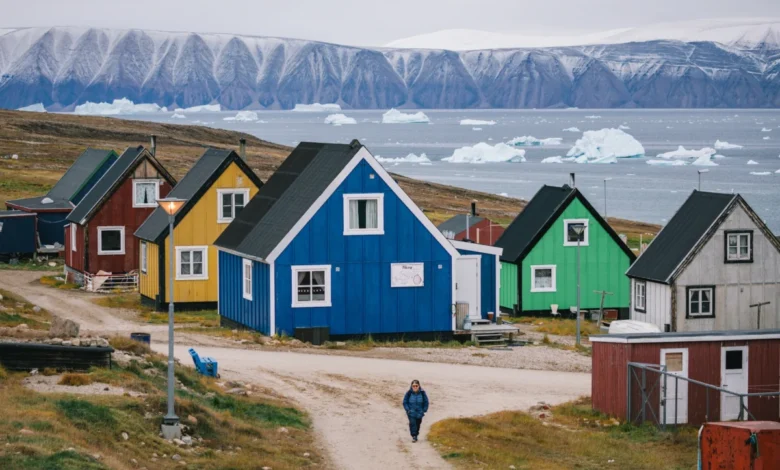
The global travel industry is witnessing a significant shift in how remote destinations, particularly the polar regions, are marketed and explored, as established travel professionals transition from digital content creation to specialized expedition guiding. This evolution reflects a broader trend within the tourism sector where the demand for authentic, expert-led experiences is surpassing the influence of traditional social media marketing. As the Arctic and Antarctic become increasingly central to global conversations regarding climate change and conservation, the role of the expedition guide has emerged as a critical link between high-end tourism and environmental stewardship.
The Professionalization of Polar Exploration
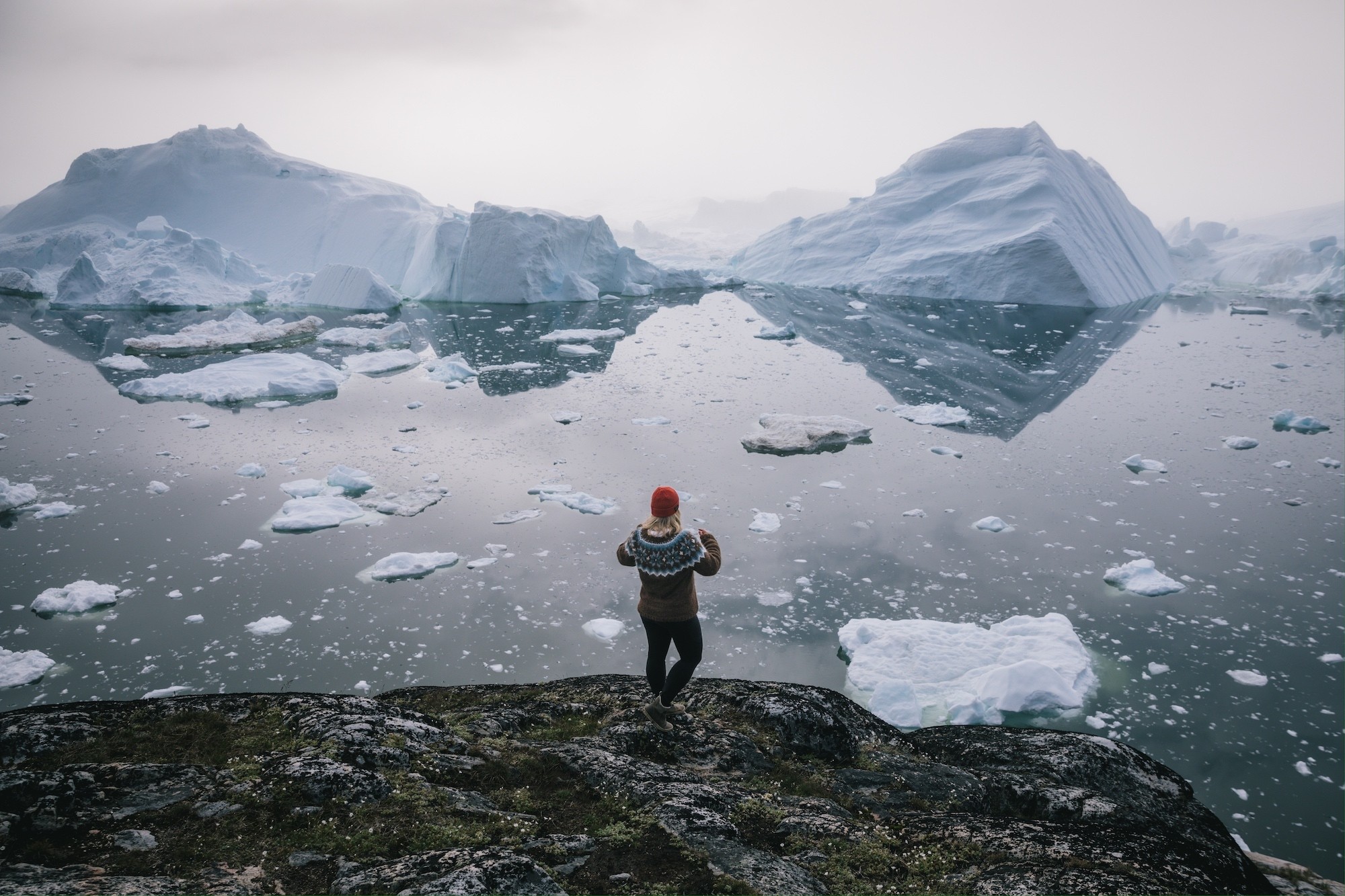
In recent years, the trajectory of travel professionals has moved away from the "influencer" model, which often prioritizes aesthetic content and broad audience reach, toward the specialized field of expedition guiding. This shift is exemplified by industry veterans who are now dedicating significant portions of the calendar year to maritime operations in the Arctic and Antarctica. These professionals are increasingly joining established operators like Adventure Canada, a family-owned company that has specialized in small-ship expeditions for over three decades.
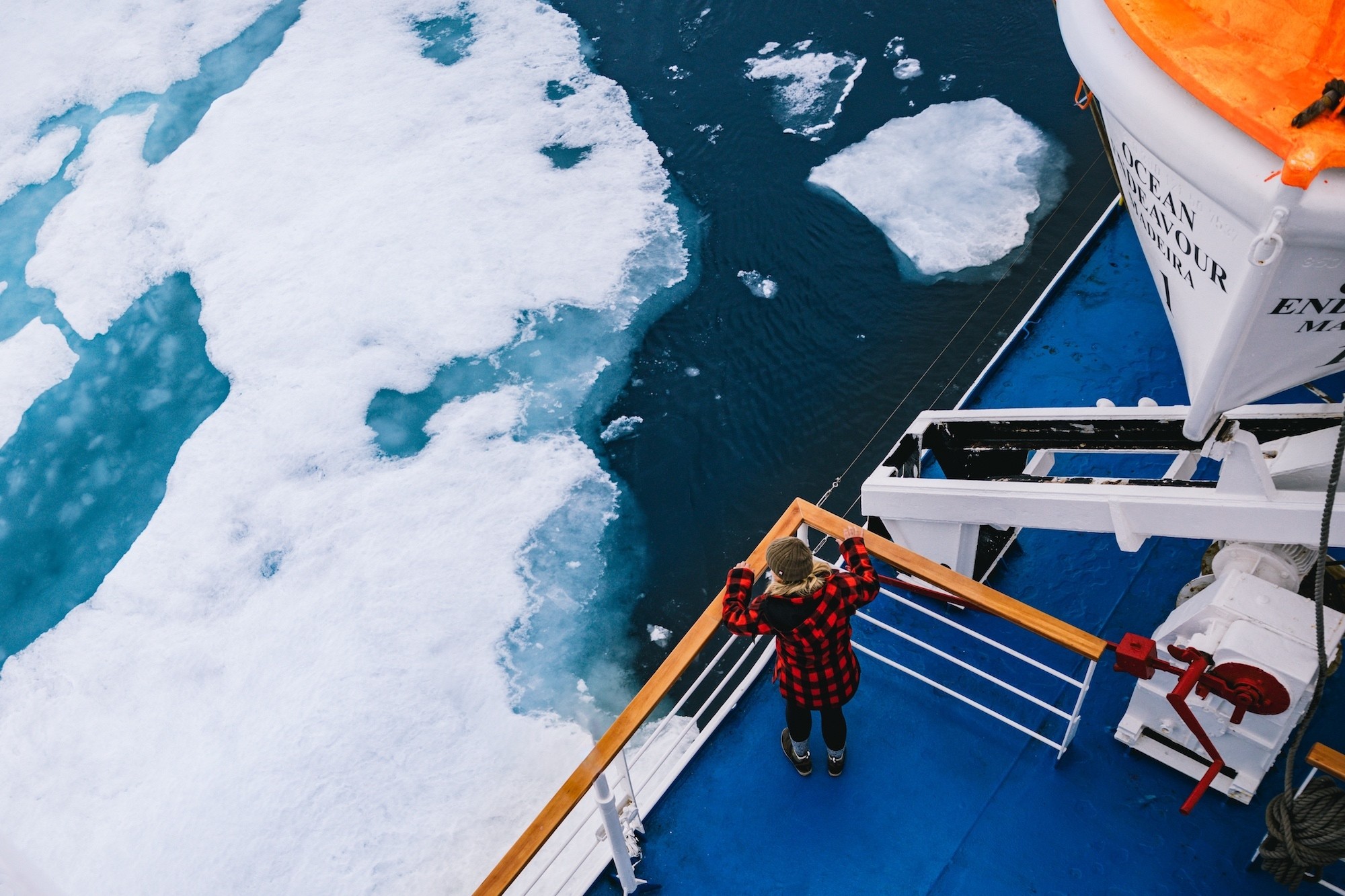
The logistics of polar travel necessitate a high degree of expertise. Unlike traditional cruise tourism, expedition travel in the far north is governed by the presence of sea ice, which restricts access to a narrow window of several months during the boreal summer. During this period, the melting of ice allows reinforced expedition vessels to navigate regions that remain locked away for the remainder of the year. The transition of travel writers into guiding roles represents a professionalization of the "storyteller" position, moving from remote observation to active participation in vessel operations, zodiac piloting, and wildlife spotting.
A Chronology of Industry Transformation
The transition within the polar travel sector can be traced through several distinct phases over the last decade:
- The Digital Expansion (2010–2019): During this period, travel blogging and social media platforms became the primary drivers of tourism interest in remote locations. Professional travelers leveraged photography and narrative to bring the Arctic to a global audience, often supported by brand partnerships and advertising revenue.
- The Pandemic Disruption (2020–2022): The global cessation of travel severely impacted the influencer economy. This period of reflection led many industry professionals to reevaluate the "hustle" of digital competition. The lack of physical travel highlighted the fragility of content-based careers and fostered a desire for more stable, community-oriented roles.
- The Rise of Specialized Guiding (2023–Present): As travel resumed, a new model emerged. Professionals began integrating into the operational side of the industry. This period is marked by a move toward "slow travel" and deep expertise, with individuals spending three to six months at sea, gaining certifications in maritime safety and polar ecology.
This timeline indicates a maturation of the travel industry, where the value of a professional is measured by their ability to navigate a Zodiac through iceberg-laden waters or provide historical context on the Franklin Expedition, rather than their follower count alone.
Operational Realities and Environmental Context
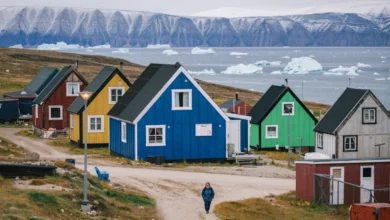
The Arctic is a vast and unpredictable environment, encompassing the northern territories of Canada, Greenland, and the Svalbard archipelago. Accessing these regions requires a sophisticated logistical framework. Most travelers reach these areas via expedition ships, which serve as mobile base camps. In the absence of deep-water ports in many northern communities, these ships utilize inflatable Zodiac boats to ferry passengers to shore or to conduct wildlife viewing excursions.
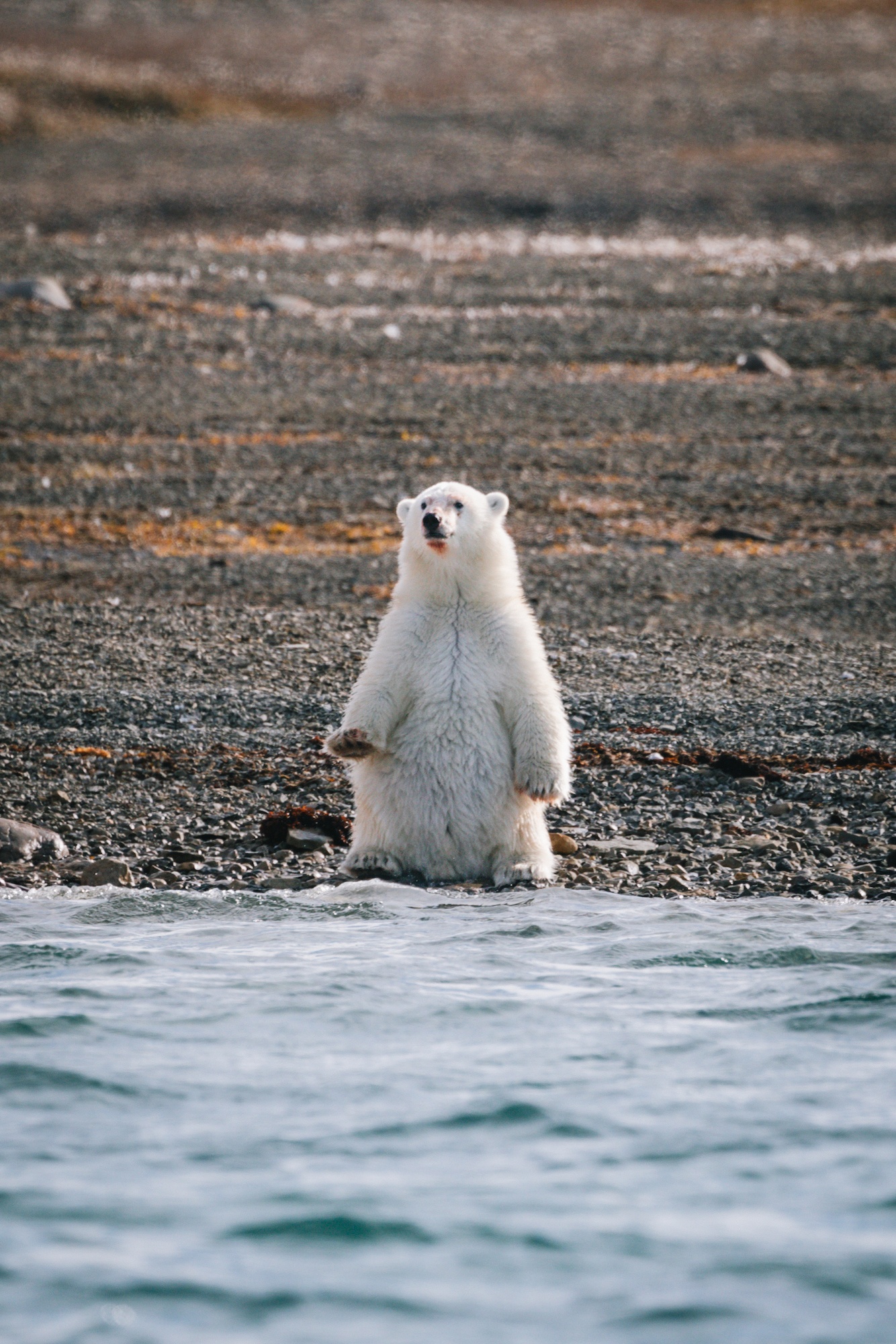
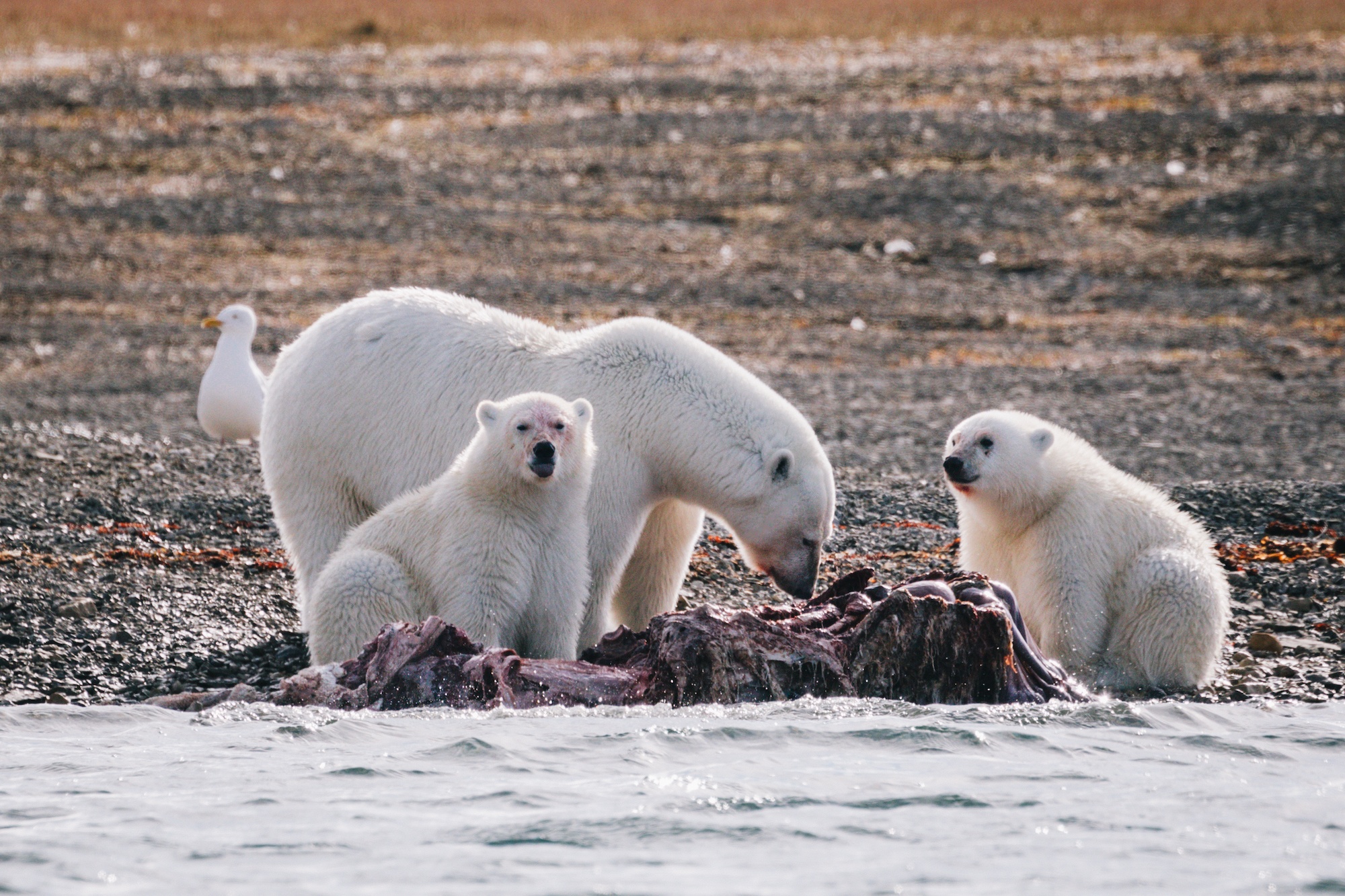
The biological diversity of the Arctic remains a primary draw for the expedition market. Observations of polar bears (Ursus maritimus), beluga whales (Delphinapterus leucas), and various species of seals are central to the guest experience. Recent expeditions have reported significant sightings, including maternal polar bear groups and large-scale feeding events, which provide critical data for naturalists on board.
However, the environment is characterized by its isolation. Beyond the ship, transportation in the Arctic is limited to small aircraft, local boats, or snowmobiles during the winter months. This isolation is a key component of the region’s appeal but also poses significant challenges for medical safety and environmental protection. Operators must adhere to strict guidelines set by organizations such as the Association of Arctic Expedition Cruise Operators (AECO) to ensure that tourism does not disrupt the fragile ecosystems or the indigenous communities that inhabit them.
The Economic Model of Referral and Community-Based Tourism
A notable development in the business of polar travel is the shift toward a referral-based economic model. Rather than relying on traditional advertising, expedition companies are increasingly utilizing the networks of their guides and former travelers to drive bookings. This "travel agent" hybrid model allows experts to earn commissions by connecting prospective travelers with specific itineraries that match their interests, such as Inuit art, glacial geology, or historical exploration.

Adventure Canada, for instance, operates with a business philosophy centered on "family" and "community." Founded and operated by the Swan family, the company emphasizes long-term relationships with both staff and passengers. Industry data suggests that a significant percentage of passengers on polar expeditions are repeat travelers, illustrating a high level of brand loyalty that is rare in the broader cruise industry. This loyalty is often attributed to the "summer camp" atmosphere fostered on board, where guides and passengers reunite annually.
By moving toward a commission-based referral system, travel professionals can maintain their creative independence while providing a more personalized service to their audience. This transparency in business operations is becoming a hallmark of the modern travel expert, who prioritizes authenticity over sponsored content.
Broader Implications for Conservation and Global Diplomacy
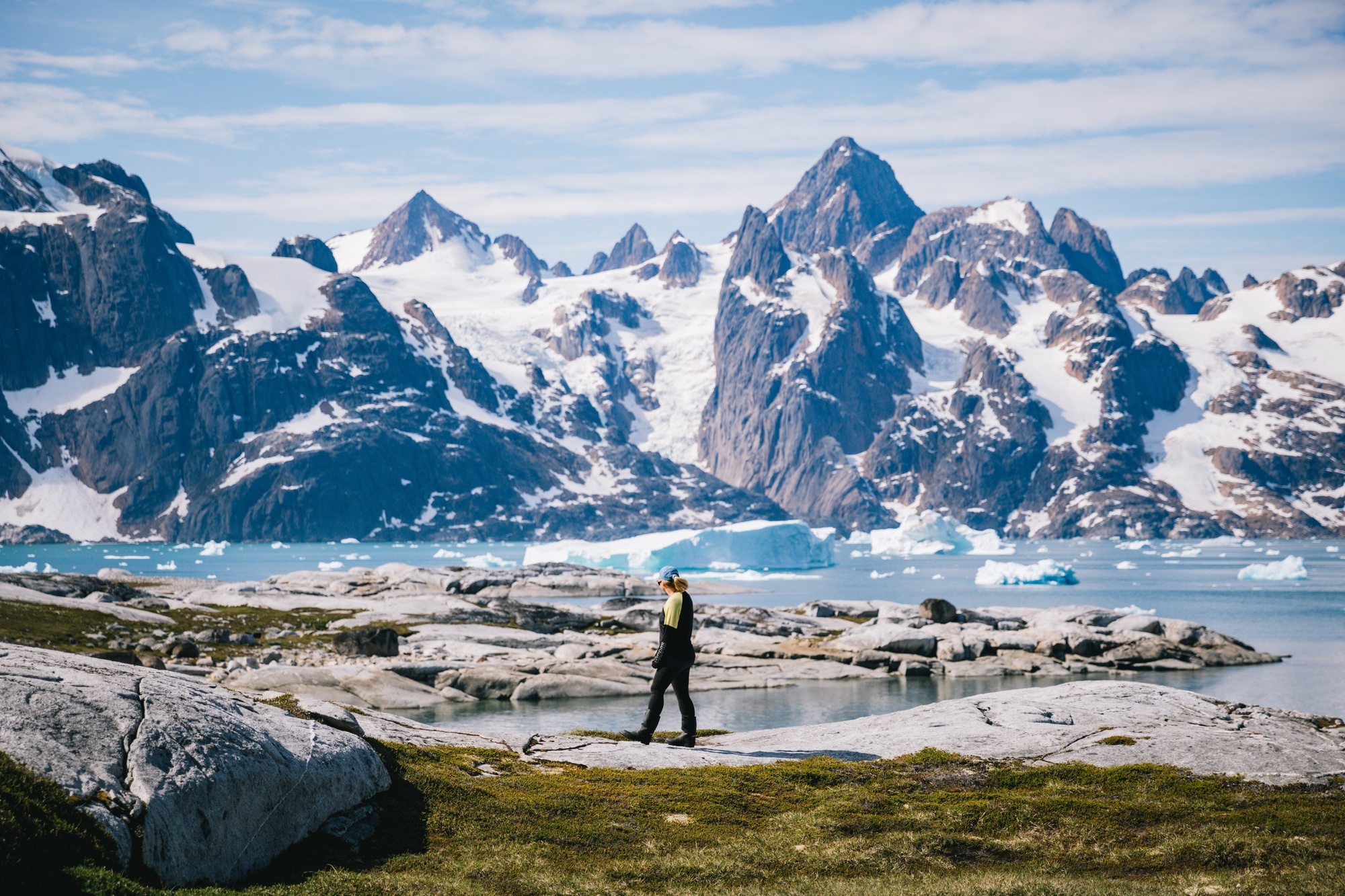
The increase in polar tourism, while economically beneficial for remote regions, carries profound implications for global conservation efforts. The prevailing philosophy among expedition operators is the "Ambassador Model." This theory posits that individuals who witness the effects of climate change firsthand—such as receding glaciers in Greenland or diminishing sea ice in the Northwest Passage—are more likely to become lifelong advocates for environmental protection.
The educational component of these trips is rigorous. Onboard experts provide lectures on a wide range of topics, including:
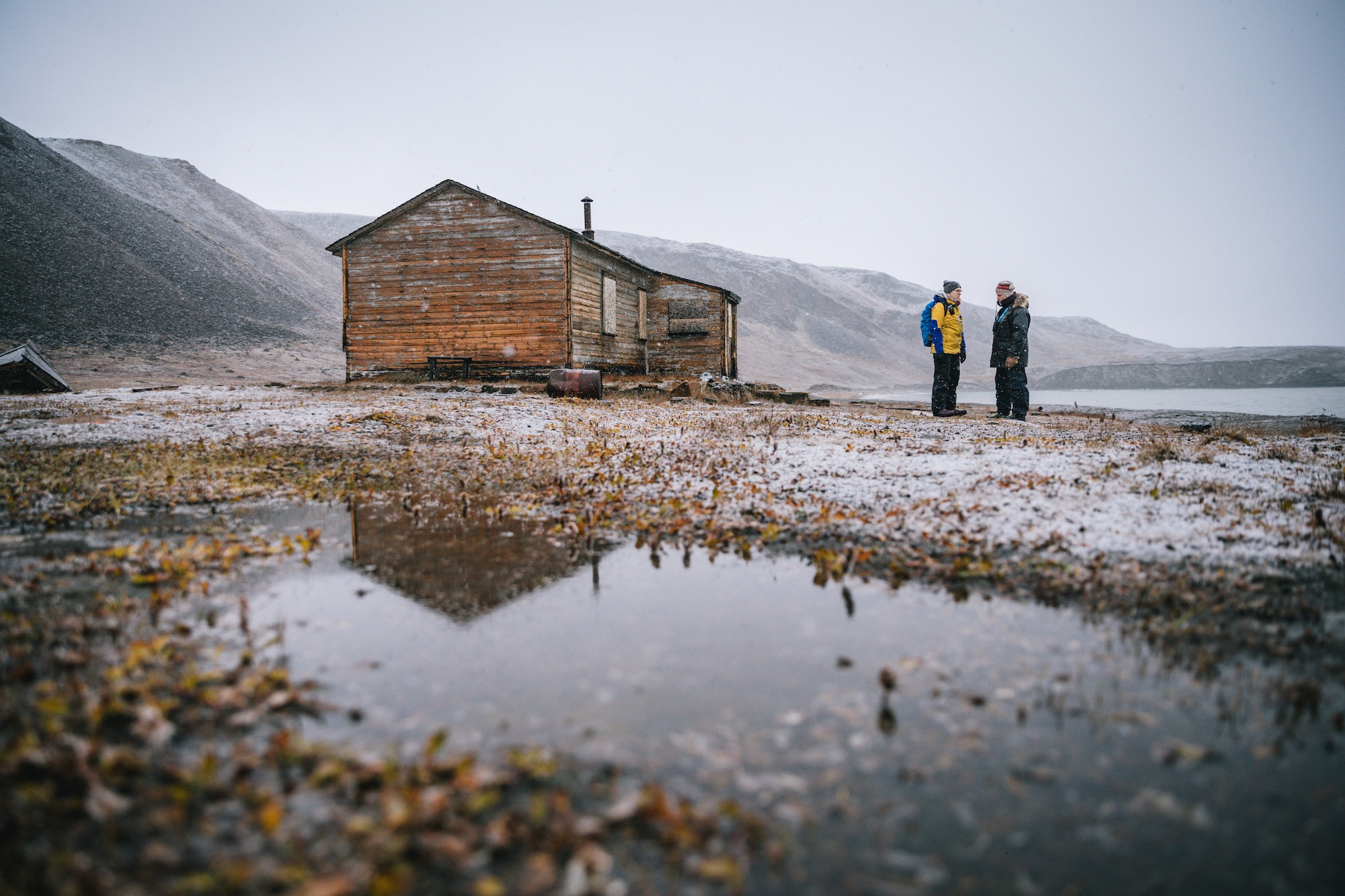
- The Franklin Expedition: The historical search for the lost ships HMS Erebus and HMS Terror, which has become a focal point of Canadian Arctic history.
- Inuit Sovereignty: The cultural and political landscape of the North, emphasizing the importance of indigenous knowledge and self-governance.
- Polar Ecology: The interconnectedness of the Arctic food web and the specific threats posed by warming oceans.
From a geopolitical perspective, the presence of expedition vessels in the Arctic also touches upon issues of northern sovereignty and the opening of new maritime routes. As the ice continues to thin, the Northwest Passage is becoming more navigable, leading to increased interest from global shipping and mining interests. Responsible tourism serves as a "soft" presence in these waters, often providing the only consistent eyes on the ground in some of the world’s most remote coastal areas.
Analysis of the Future of Niche Travel
The transition of high-profile travel writers into professional guiding roles is likely a precursor to a wider trend in the luxury and niche travel markets. As consumers become more skeptical of "influencer" endorsements, the value of peer-to-peer recommendations from recognized experts will continue to rise.
Furthermore, the "disillusionment" with the digital hustle reported by many professionals suggests a looming "content fatigue" within the industry. The move toward physical, labor-intensive roles—such as driving Zodiacs or scouting for bears—indicates a desire for tangible impact and real-world connection. This shift benefits the traveler, who receives a higher caliber of instruction and safety, and the destination, which is represented by individuals with a deep, long-term commitment to its preservation.
In conclusion, the Arctic and Antarctic are no longer just backdrops for photography; they are professional arenas where the next generation of travel leaders is being forged. The move from the digital screen to the ship’s bridge represents a homecoming for many who sought adventure and found a vocation in the most extreme corners of the earth. As these professionals help their audiences transition from followers to "polar ambassadors," the future of expedition travel looks to be more grounded in expertise, community, and a profound respect for the wild.
Related posts: