The Essential Guide to Family Travel in Kauai Navigating the Garden Isle’s Landscape Infrastructure and Luxury Tourism Market

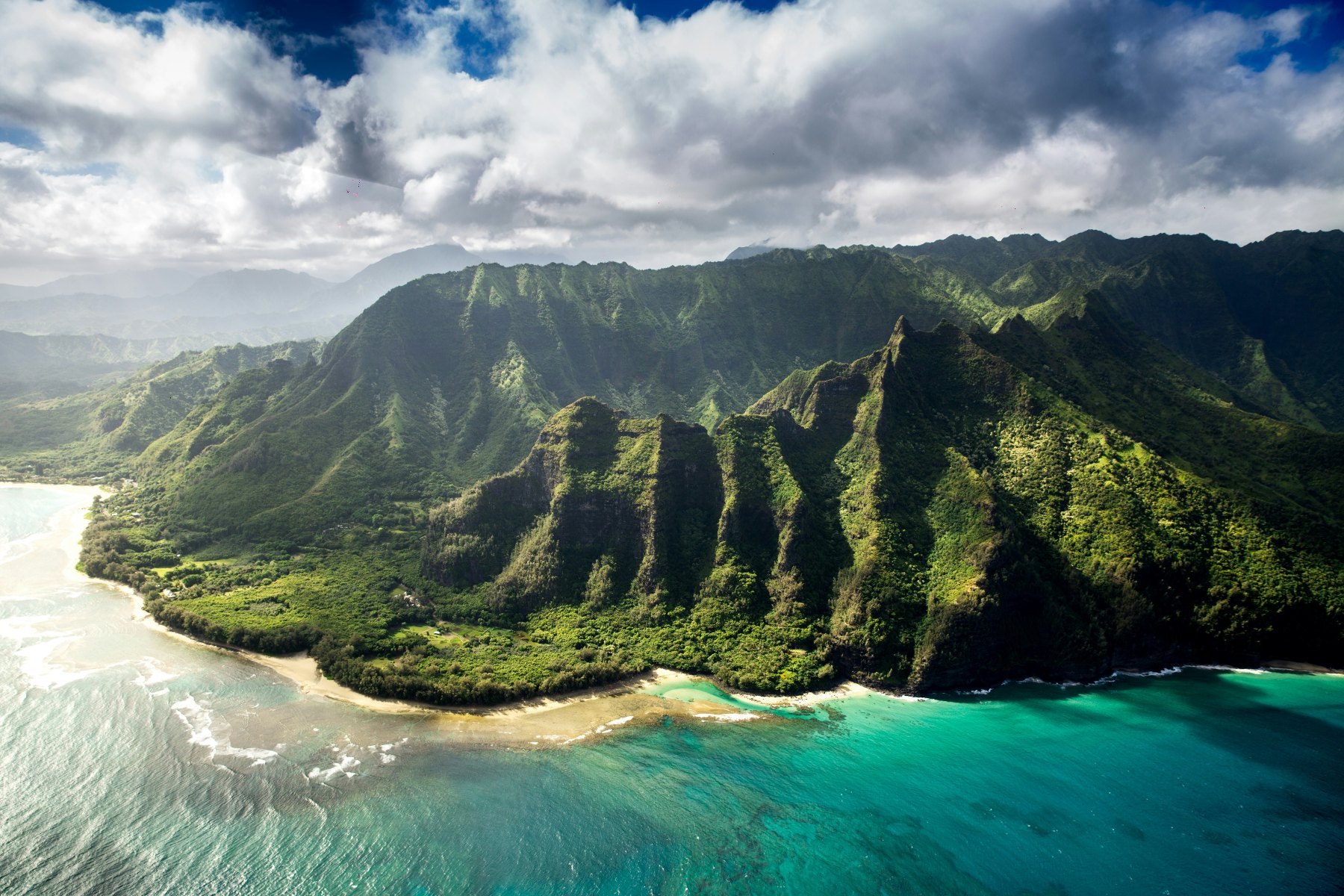
Kauai, the oldest island in the Hawaiian archipelago, continues to occupy a unique position in the global tourism market, balancing its reputation as a rugged, "untamed" wilderness with a highly developed luxury infrastructure. Known colloquially as the Garden Isle, Kauai is geologically the most mature of the primary Hawaiian Islands, having formed approximately 5.1 million years ago. This age has resulted in a landscape characterized by deep-seated erosion, creating the dramatic jagged cliffs of the Na Pali Coast and the vast chasms of Waimea Canyon. For families traveling with children, known in the Hawaiian language as keiki, the island offers a distinct set of logistical challenges and high-value rewards that differentiate it from the more urbanized environments of Oahu or the resort-heavy landscapes of Maui.
The island’s identity is protected by stringent local ordinances, most notably a building code that prohibits any structure from being taller than a mature coconut palm tree. This regulation has successfully preserved the island’s pastoral aesthetic, ensuring that even as global luxury brands enter the market, the skyline remains dominated by natural features rather than high-rise developments. Furthermore, the island’s social fabric is defined by small-scale urbanization; no single town on Kauai exceeds a population of 12,000 residents, and much of the interior remains a patchwork of taro farms, rainforests, and inaccessible valleys.
Regional Infrastructure and Strategic Planning for Families
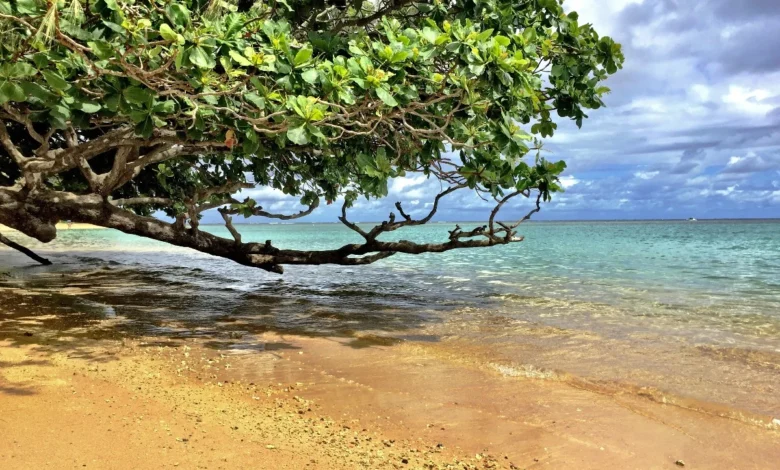
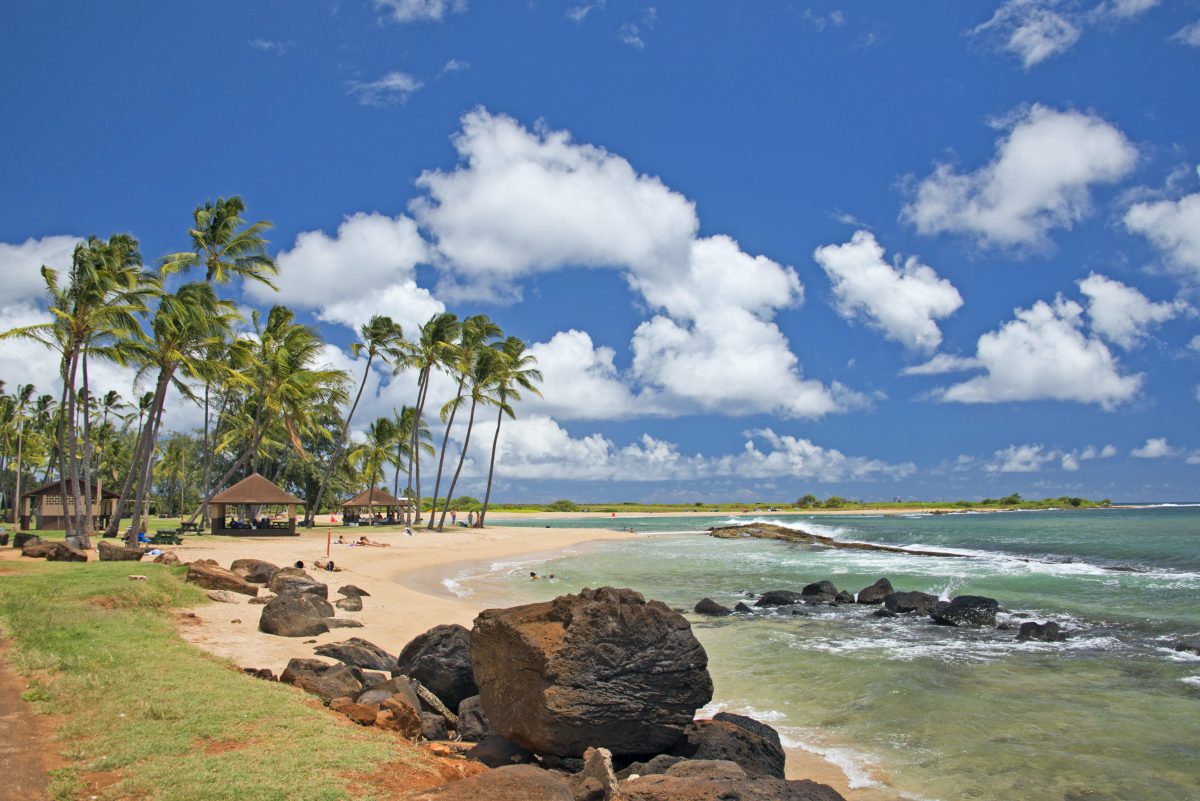
From a logistical standpoint, Kauai is divided into four distinct geographical sectors, each offering a different climate and level of accessibility. Travel experts and hospitality analysts suggest that for families, the South Shore, particularly the Poipu region, serves as the most reliable home base. Poipu is characterized by a "fair weather" microclimate, remaining significantly drier than the lush North Shore. The region’s infrastructure is heavily geared toward tourism, featuring a high concentration of lifeguarded beaches, such as Poipu Beach Park and the shallow, sheltered "Baby Beach," which is structurally ideal for toddlers and young children due to its gentle slope and natural wave protection.
Conversely, the North Shore represents the island’s more dramatic, albeit temperamental, side. Centered around Hanalei Bay, this region is world-renowned for its emerald-green mountains and crescent-shaped beaches. However, it is also the rainiest part of the island, with the nearby Mount Waialeale historically recorded as one of the wettest spots on Earth, receiving over 450 inches of rain annually. For families, the North Shore offers a secluded, upscale experience, though it requires more rigorous planning due to its distance from the island’s main airport in Lihue and the susceptibility of its single-lane bridges to weather-related closures.
The Eastern Coast, or the "Coconut Coast," serves as the island’s commercial hub. Towns like Kapaa provide essential services, including large-scale grocery stores and medical facilities, which are vital for families on extended stays. While this area is more densely populated and experiences higher traffic volume, it features critical family-friendly infrastructure such as the Kamalani Playground at Lydgate Beach Park and the Ke Ala Hele Makalae, a paved coastal path that allows for stroller-accessible recreation.
Chronology of Development and Seasonal Variations
The evolution of Kauai’s tourism sector has seen a shift toward "regenerative tourism," a move supported by the Kauai Visitors and Convention Bureau. This approach encourages visitors to engage with the island’s ecology and culture in a way that leaves a positive impact. A significant milestone in this evolution was the 2023 opening of 1 Hotel Hanalei Bay. Formerly the St. Regis, the property underwent a massive transformation to align with modern sustainability standards, featuring native plant life integrated into its architecture and a heavy focus on environmental education for younger guests.
Seasonality plays a critical role in the Kauai travel experience. Data indicates two primary peak seasons: the winter holidays (December through March) and the summer months (June through August). Each season dictates the activities available to families:
- Winter (December – April): This period is characterized by the migration of North Pacific humpback whales. While the North Shore experiences heavy rainfall and dangerous swell conditions, the South Shore remains largely sunny. This is peak whale-watching season, a significant draw for families interested in marine biology.
- Summer (June – August): This is the driest period across the island. The Na Pali Coast, which is largely inaccessible by boat during the winter due to massive swells, becomes a primary destination for family snorkeling tours and catamaran excursions.
- Shoulder Seasons (September – November and April – June): These windows offer a balance of lower occupancy rates and moderate weather, providing a more "authentic" experience for travelers looking to avoid the crowds of the high season.
Logistics and Safety Data: The Rental Car and Water Safety Mandates
One of the most pressing logistical requirements for Kauai travel is the necessity of a personal vehicle. Unlike more urbanized destinations, Kauai’s public transit system, the Kauai Bus, is designed primarily for local commuters and does not service many of the remote trailheads or hidden beaches that constitute the island’s primary attractions. Following the global supply chain disruptions of recent years, rental car availability on the island has fluctuated, leading to a "reserve early" mandate from travel advisors.
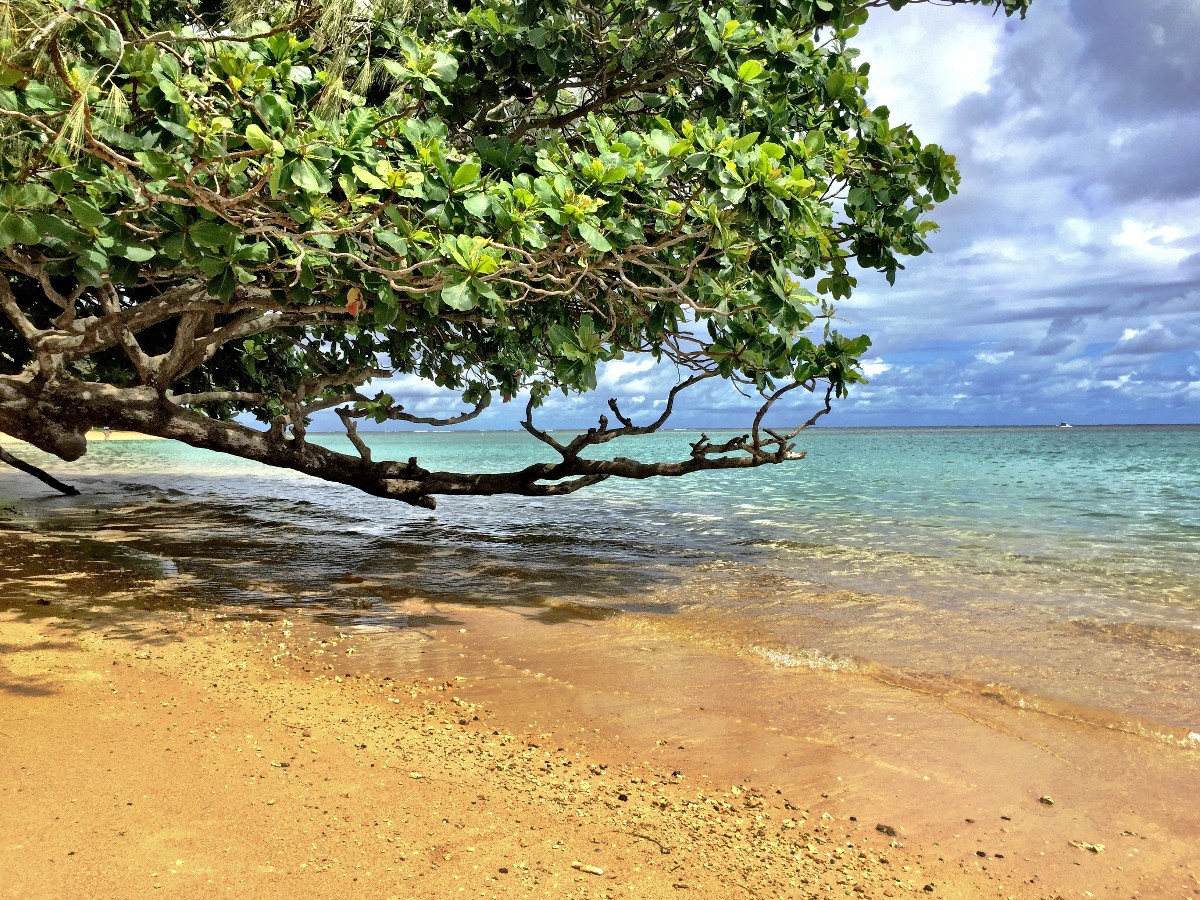
Safety is another area where data-driven planning is essential. Kauai’s waters are notoriously powerful. According to ocean safety experts, rip currents and "rogue waves" are common, particularly on non-lifeguarded beaches. The island’s red soil—high in iron oxide—presents a secondary logistical concern. The soil is famously staining, leading to a local industry of "Red Dirt Shirts." Families are advised to pack clothing specifically for "adventure use," as the soil is nearly impossible to remove from high-end fabrics once it has been ground in during a hike or ATV tour.
The Luxury Accommodation Market and Sustainability Initiatives
The hospitality sector on Kauai has increasingly moved toward integrated resort experiences that cater to multi-generational travel. The Grand Hyatt Kauai Resort & Spa in Poipu is often cited as the benchmark for family-oriented luxury on the South Shore. Its multilevel water complex, featuring a 1.5-acre saltwater lagoon and a lazy river, is designed to keep children engaged within a controlled environment, reducing the need for daily travel to public beaches.
On the North Shore, the 1 Hotel Hanalei Bay has set a new standard for eco-conscious luxury. The property’s "Seedlings" program represents a shift in kids’ club programming, moving away from simple childcare toward experiential learning. Children are taught about the island’s native flora, the importance of taro (kalo) farming in Hawaiian culture, and the protection of endangered species like the Nene (Hawaiian goose) and the green sea turtle (Honu).
Economic Impact and Local Culture
Tourism remains the primary driver of Kauai’s economy, but there is a growing emphasis on supporting local businesses to ensure the wealth generated by visitors stays within the community. For families, this often manifests in visiting local "plate lunch" spots and markets. Pono Market in Kapaa is a notable example, where traditional Hawaiian staples like poke and kalua pig are sold. These establishments provide a cultural counterpoint to the high-end dining found within the resorts.
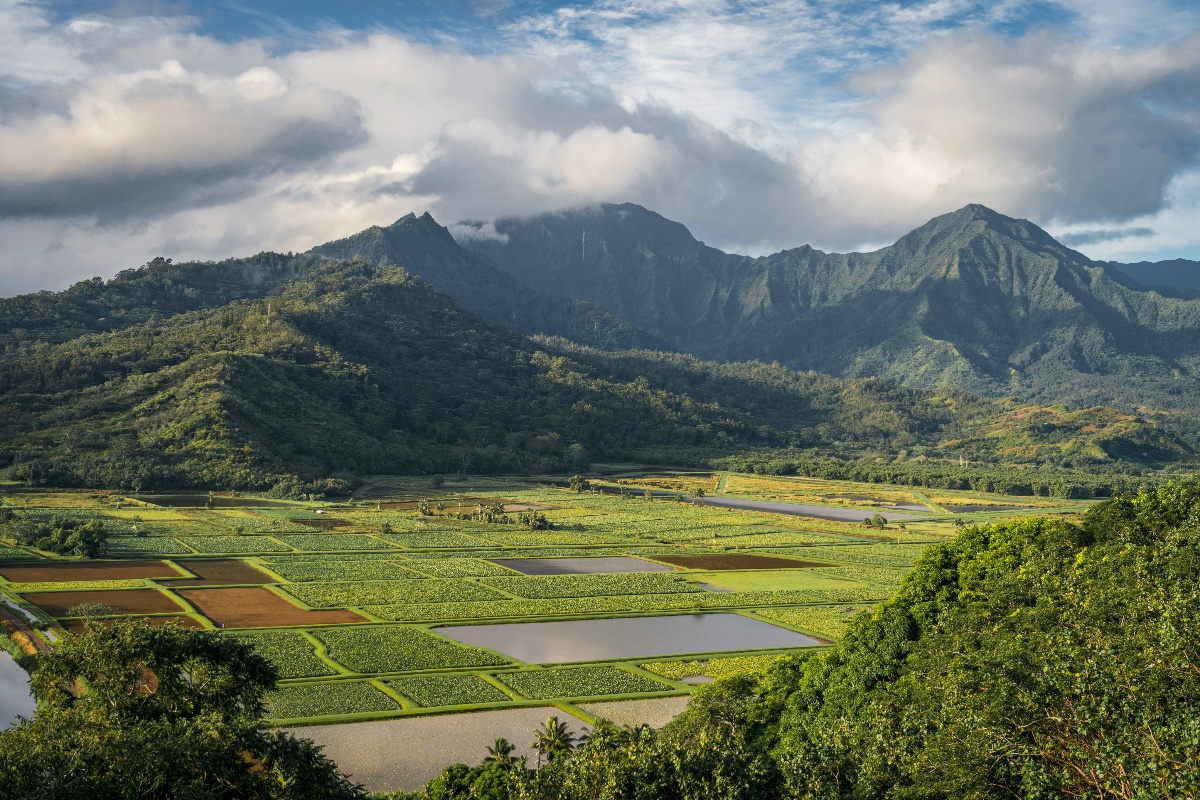
The agricultural sector also plays a vital role in the island’s visual and economic landscape. The taro fields of Hanalei are not merely a scenic backdrop; they are active farms that have sustained the Hawaiian people for centuries. Educating visitors on the significance of these lands is a key part of the island’s long-term tourism strategy.
Broader Implications for Future Travel
As Kauai looks toward the future, the challenge remains to accommodate the growing demand for family luxury travel without compromising the island’s environmental integrity. The "mana," or spiritual energy, that visitors often cite as the reason for their return is inextricably linked to the island’s undeveloped spaces.
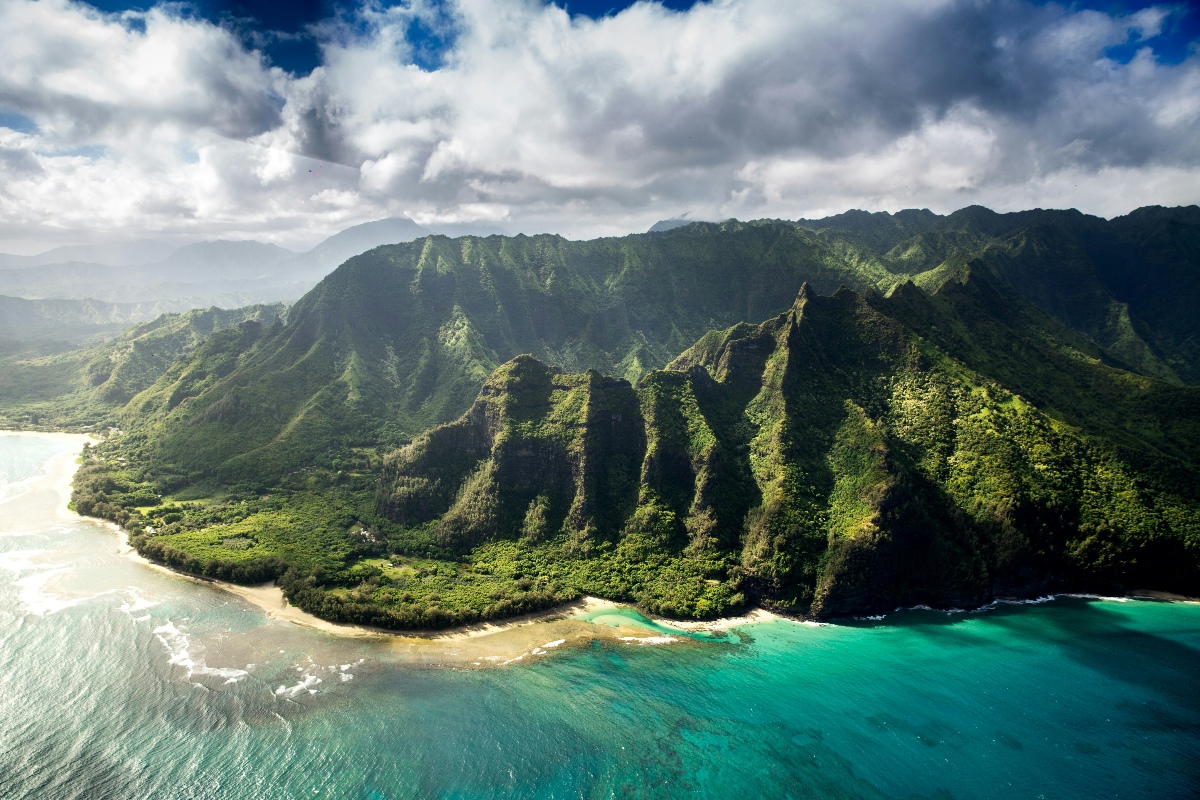
Future developments are likely to focus on infrastructure improvements, such as the expansion of the coastal bike path system and the implementation of more sophisticated reservation systems for popular state parks like Haena. These measures are designed to mitigate the impact of over-tourism while ensuring that families continue to have access to the island’s most iconic landscapes. For the discerning family traveler, Kauai offers a rare opportunity to witness an ancient landscape that, through careful regulation and a commitment to cultural preservation, remains largely unchanged by the passage of time.