An Immersive Sea Kayaking and Camping Expedition Through Loreto Bay National Park

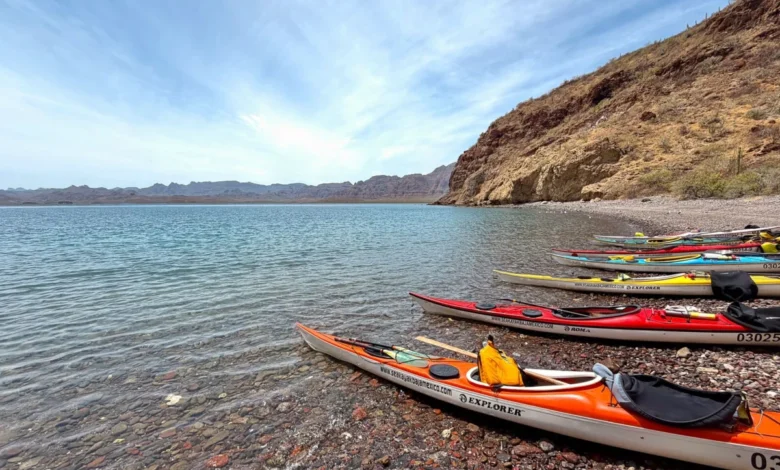
Months after relocating from the bustling metropolis of Mexico City to the coastal tranquility of La Paz, Baja California Sur, a profound yearning to explore the region’s abundant marine landscapes and hidden islands solidified, culminating in a unique invitation to embark on a multi-day sea kayaking and camping expedition within the protected confines of Loreto Bay National Park. This opportunity, despite a complete lack of prior ocean paddling experience and a historically landlocked sense of adventure, proved too compelling to decline, marking a pivotal shift towards embracing the aquatic wonders of the Baja Peninsula.
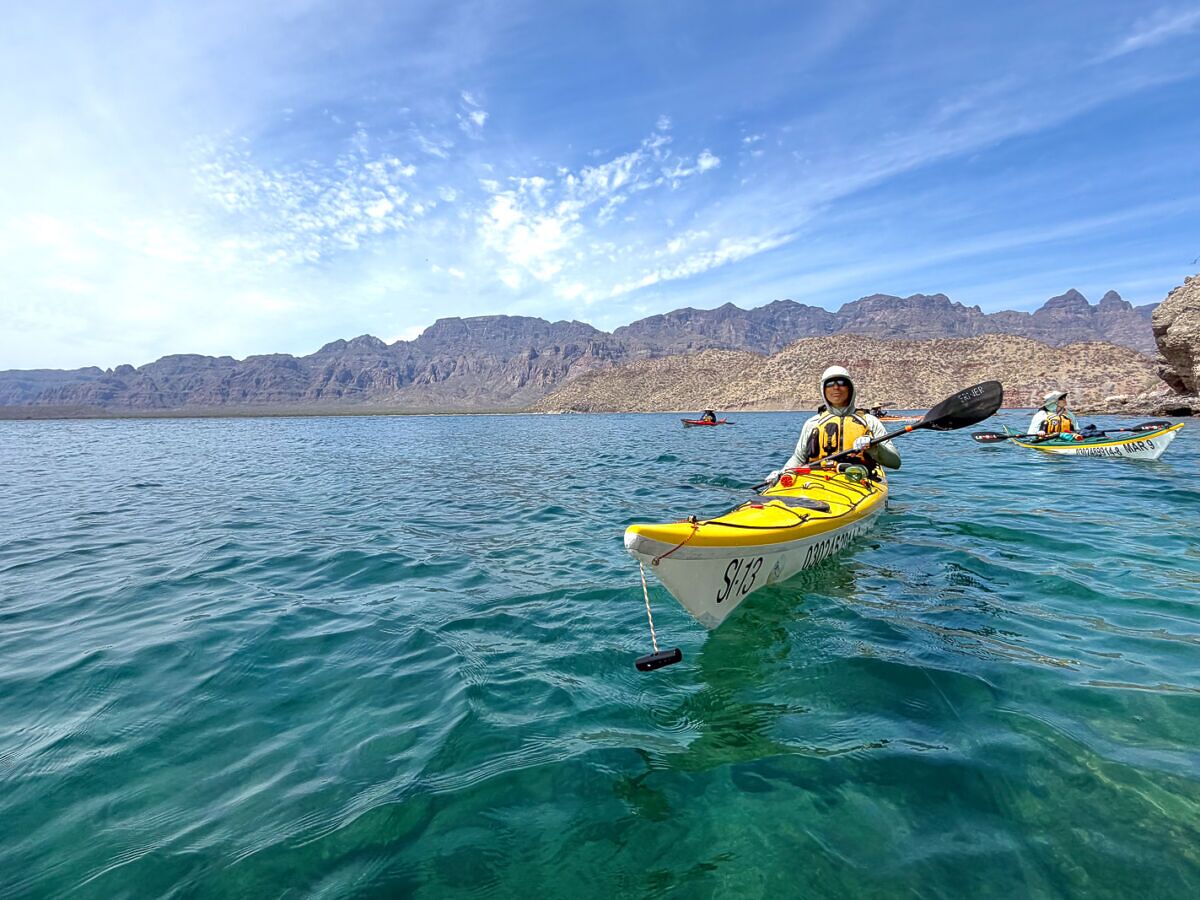
Loreto Bay National Park: A Jewel of the Sea of Cortez
Loreto, situated approximately 220 miles north of La Paz, presented an entirely new facet of Baja California Sur – a wilder, more remote frontier that had long beckoned. The journey along the Transpeninsular Highway, the vital artery connecting Los Cabos in the south to Tijuana in the north, progressively deepened the sense of remoteness, mirroring a rising tide of anticipation and trepidation about the impending maritime challenge. Lingering questions concerning readiness for ocean paddling, the true offshore distance of the islands, the potential for physical exhaustion, and the ability to focus on photography amidst these concerns, underscored the magnitude of the adventure.
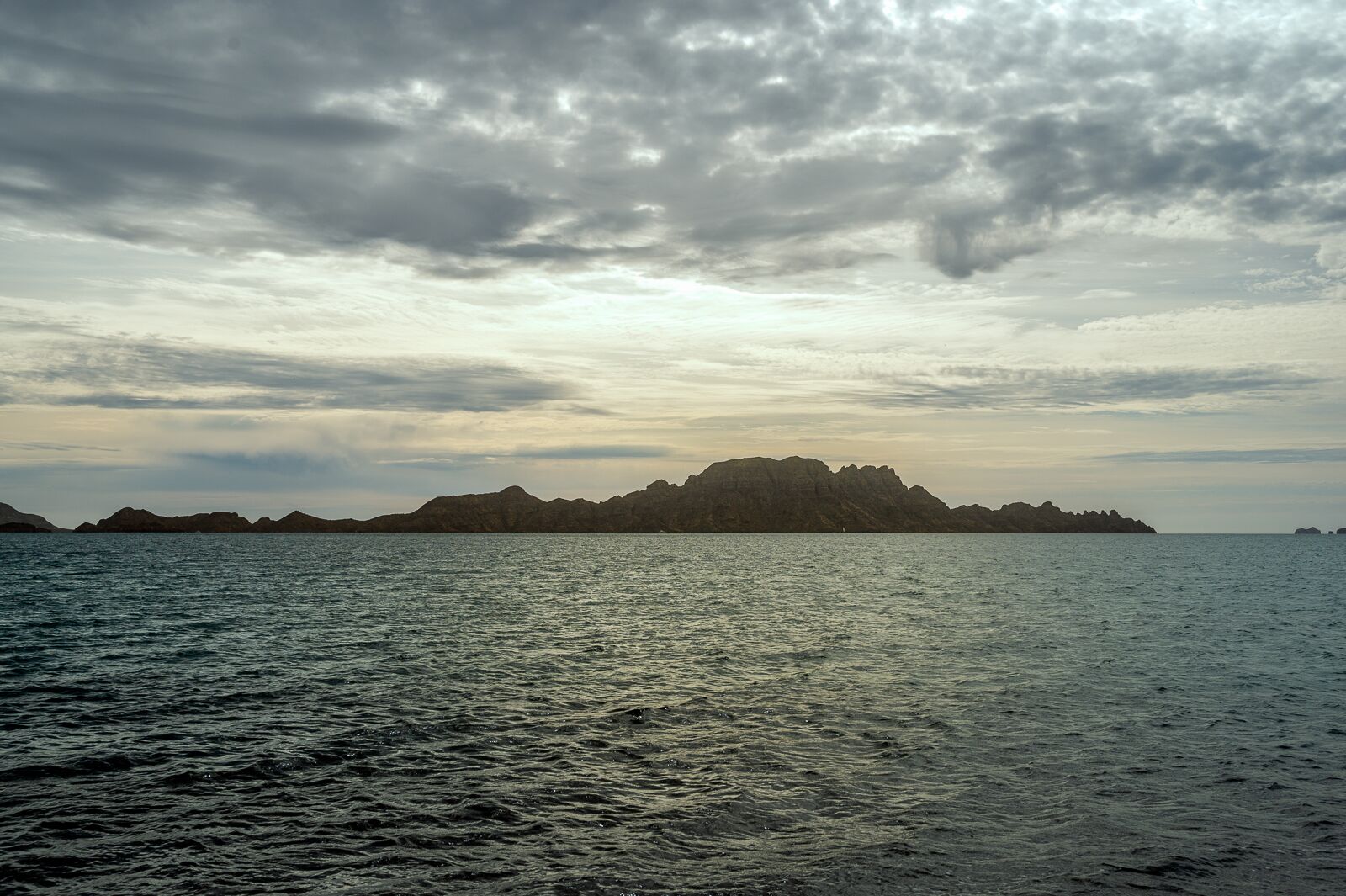
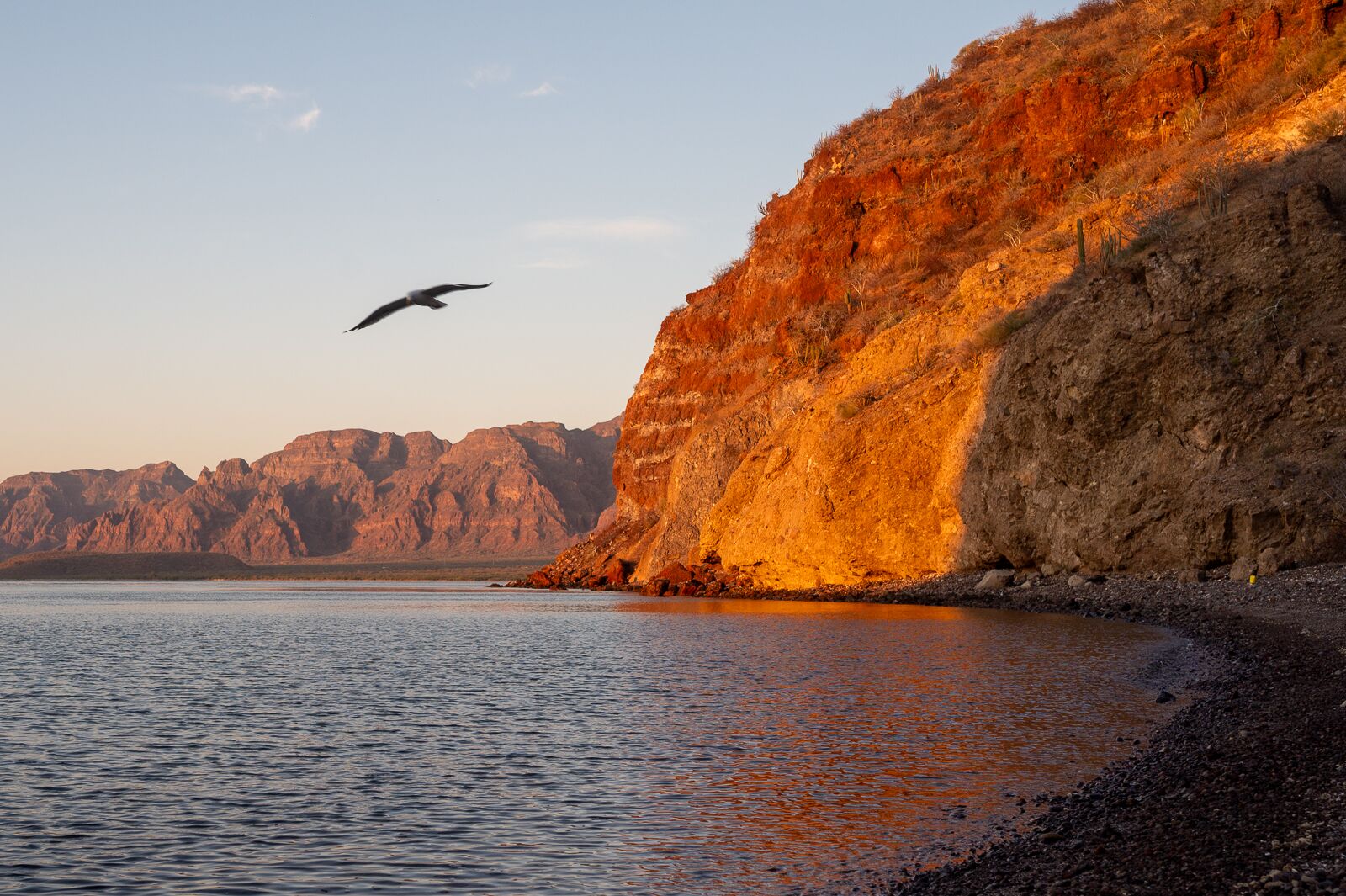
However, these anxieties rapidly dissolved into profound astonishment upon the first sighting of the majestic Sierra de la Giganta. These towering cliffs and striking red canyons rise abruptly from the desert floor, dramatically pressing Loreto against the azure expanse of the Sea of Cortez. The mountain range appears to extend offshore, forming the very islands that constitute Loreto Bay National Park, a protected area of immense ecological significance. Established in 1996, the park spans over 2,065 square kilometers (approximately 797 square miles) and encompasses five main islands—Carmen, Danzante, Coronado, Montserrat, and Santa Catalina—along with numerous smaller islets and a vast expanse of marine waters. This region is a designated UNESCO World Heritage site, recognized for its extraordinary biodiversity and described by Jacques Cousteau as "the world’s aquarium." A few miles further, the highway drew closer to the water, offering a crystalline view of Isla Danzante, one of the park’s primary destinations and the focus of the expedition. A brief stop at a roadside lookout cemented a newfound resolve, dispelling all self-doubt in the face of such breathtaking natural grandeur. The ocean awaited.
Mastering the Ocean Kayak: Preparation and Training
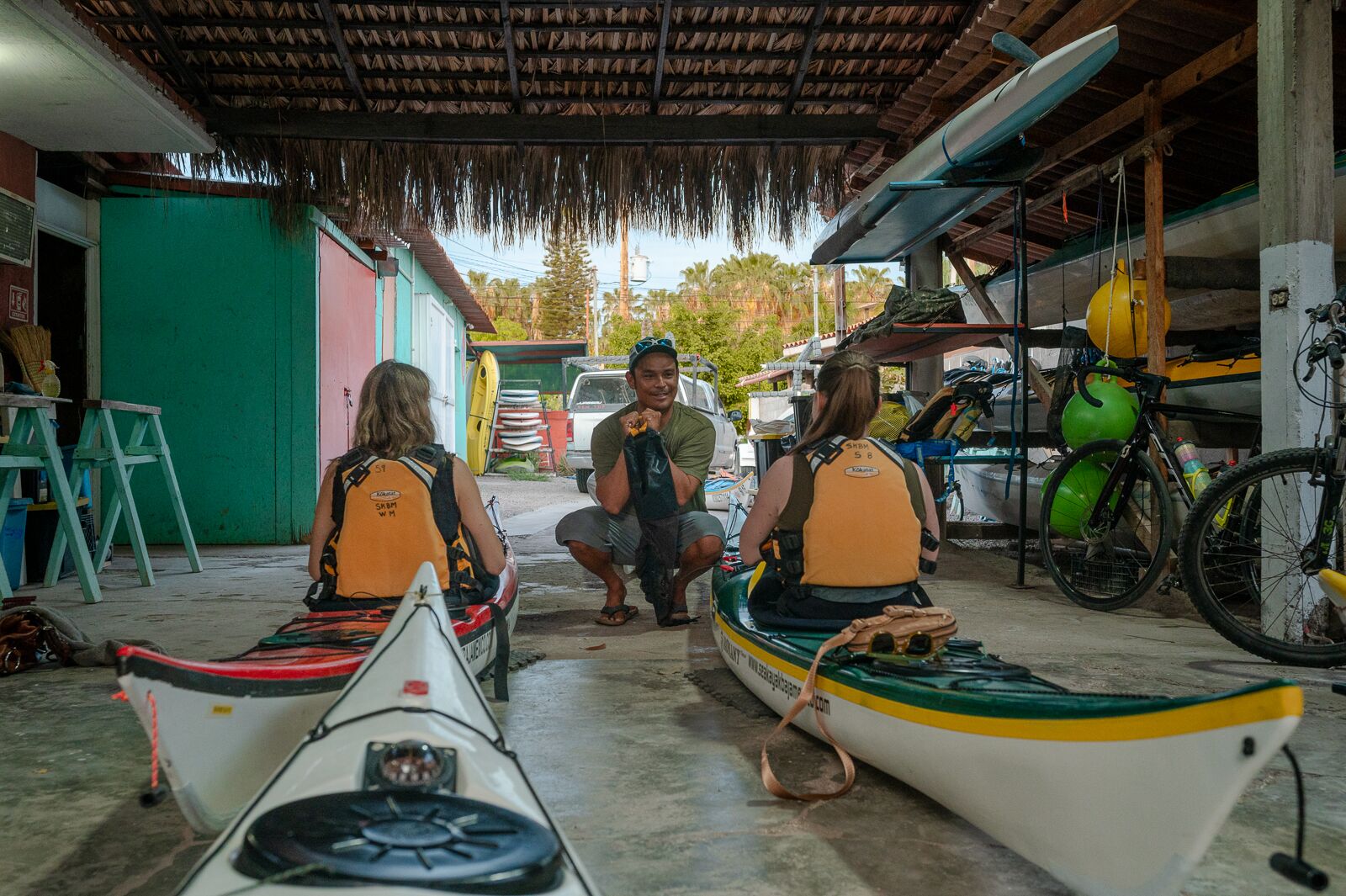
Upon arrival in Loreto, after settling into Bugambilias Suites for the night, the expedition participant proceeded to the offices of Sea Kayak Baja, a highly reputable outfitter. There, the group guides, Ramón and María, awaited to meticulously detail the fundamentals of the upcoming expedition. While several kayaking tour operators exist in Loreto, Sea Kayak Baja distinguishes itself as the sole company certified by the British Canoe Union (BCU) and the only Mexican entity authorized to train ocean kayaking guides. This certification underscores their commitment to international safety standards and professional instruction, offering a diverse range of experiences from single-day tours and instructional courses to multi-day expeditions like the one planned.
The preparatory session was crucial for understanding the nuances of sea kayaking. Unlike recreational kayaks, sea kayaks are significantly larger, more robust, and engineered for open-water conditions. Participants were introduced to specialized equipment such as skegs (retractable fins for tracking), sprayskirts (watertight covers for the cockpit), and the various sealed compartments within the boats designed for gear storage. Gaining familiarity with this equipment is paramount for multi-day expeditions, where self-sufficiency and safety are key. Ramón and María outlined the itinerary, projecting daily paddling durations of two to four hours, with planned overnight camps on Isla Carmen and Isla Danzante.
Packing for the multi-day trip proved to be an initial test of resourcefulness and spatial organization. Each participant was provided with four dry bags, which initially seemed woefully inadequate for the array of necessary items. Beyond personal belongings, each kayaker was responsible for carrying a portion of the communal group gear, including cooking equipment, kitchen supplies, water containers, a sleeping bag, tent, a beach chair, and all photography equipment. The intricate challenge of fitting everything securely within the kayak’s limited, watertight compartments became a practical application of "Tetris skills."
Day 1: Navigating the Elements and an Unexpected Campsite
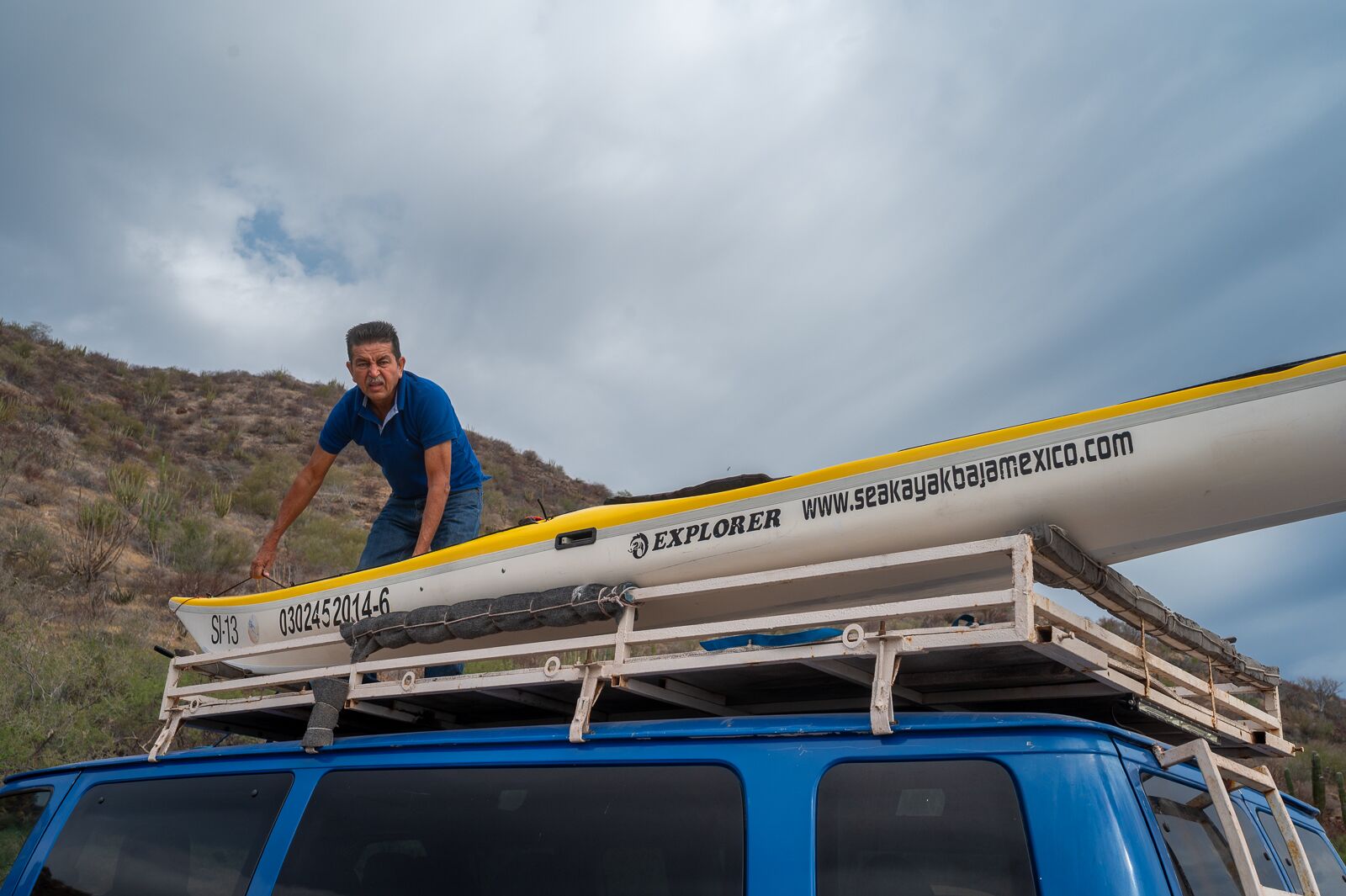
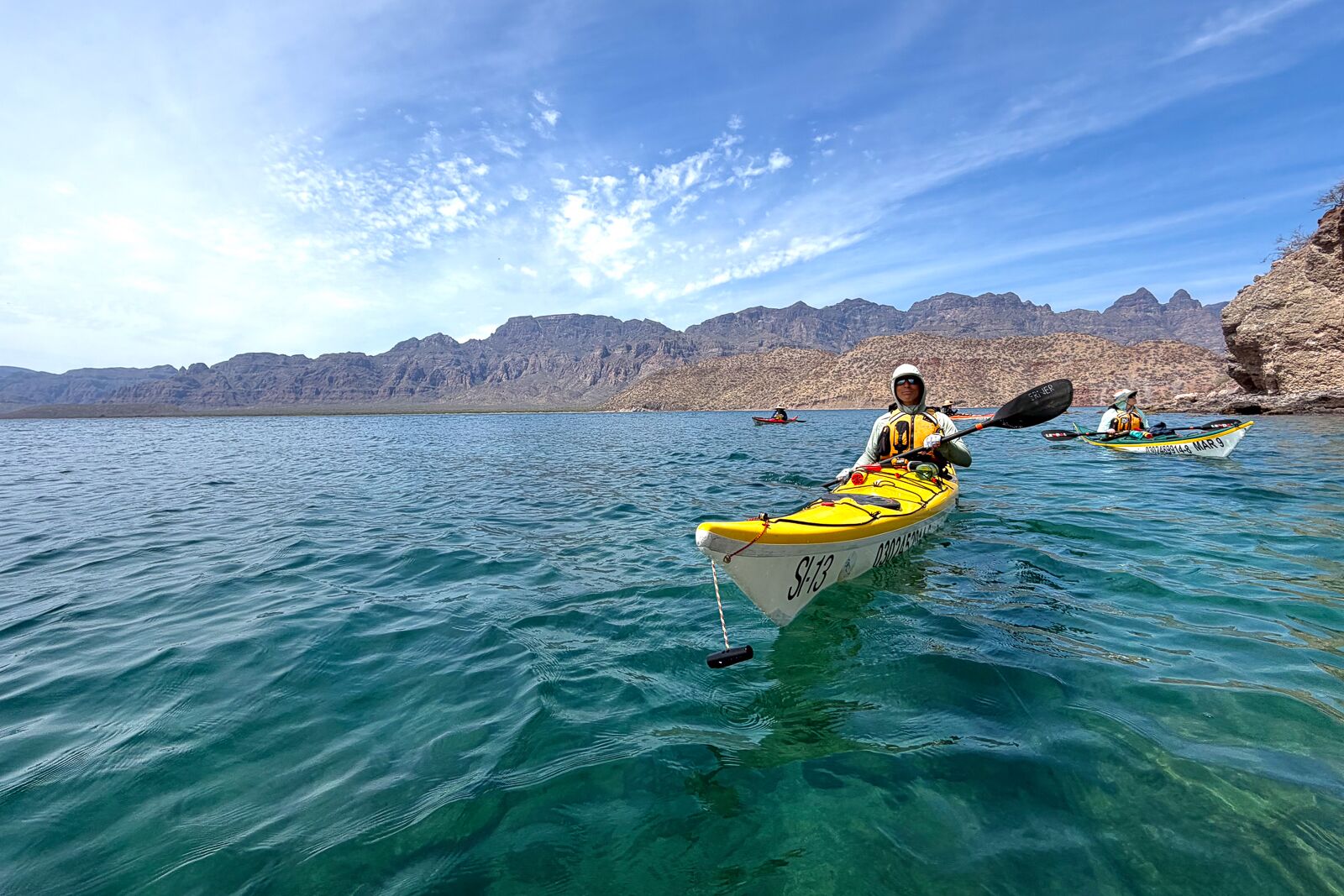
The following morning, the group convened a few miles south of Loreto at Puerto Escondido and El Quemado Beach, the designated launch point. The initial plan was to paddle towards Isla Carmen to establish the first night’s camp. However, Ivette Huerta, the local representative of Visit Baja Sur and a fellow expedition member, expressed concerns about escalating wind conditions, a sentiment echoed by the guides. The prevailing winds threatened to postpone the crossing to the islands, necessitating a potential wait on a nearby, more sheltered beach.
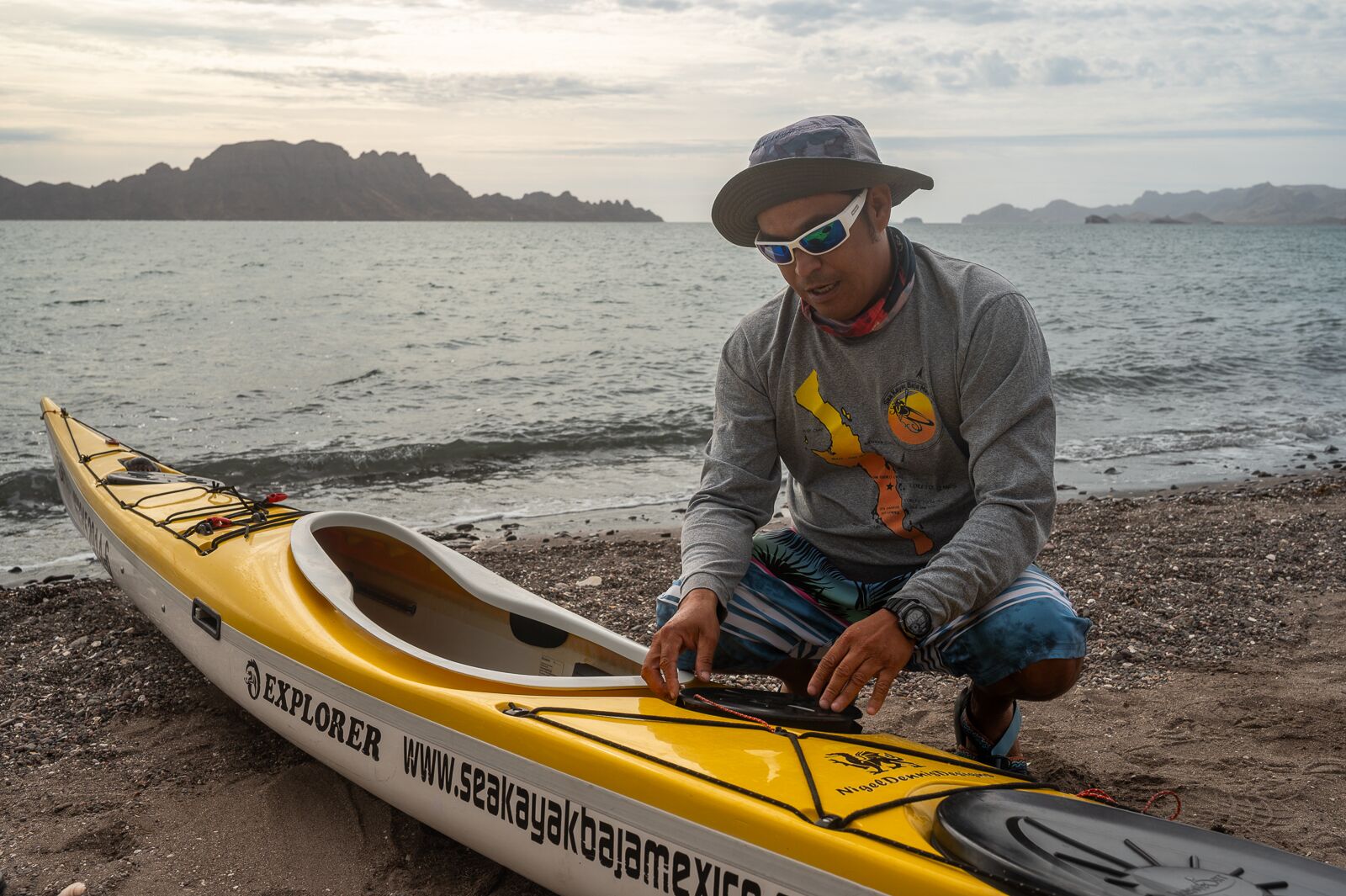
The launch site offered a panoramic view of Isla Danzante in the distance. While the immediate waters appeared calm, the subtle presence of whitecaps further offshore signaled the increasing winds. The Sea Kayak Baja team meticulously prepared the 16-foot kayaks, each weighing approximately 58 pounds, for the journey. Ramón delivered a comprehensive round of safety instructions and an overview of the initial leg of the expedition. A mandatory, albeit intimidating, maneuver followed: the wet exit drill. This simulated capsize exercise required each participant to calmly release their firmly attached sprayskirt and exit the kayak while submerged. For the novice, achieving a "calm" exit often required multiple attempts, underscoring the importance of practical safety training. The initial packing session was a collective effort, requiring significant assistance from the experienced guides to optimally stow the diverse array of gear, with the portable stove proving to be a particularly challenging item to fit.
Despite the wind concerns, the guides ultimately determined the conditions were passable for an initial coastal paddle. The group set off, hugging the coastline north towards Punta Coyote, a secluded beach accessible only by water. The cloud cover during this initial 40-minute stretch made the paddling surprisingly manageable, even as the wind began to intensify. Upon reaching Punta Coyote, the group paused, hoping for an improvement in the weather forecast. Unfortunately, the wind persisted, leading to a revised plan: Punta Coyote would serve as the campsite for the night. This unexpected change, however, was met with no disappointment. Punta Coyote is a pristine, isolated beach, its only inhabitants being seagulls, pelicans, and the occasional acrobatic mobula ray. The sense of being immersed in the wild, just a few miles from Loreto and facing the expansive Sea of Cortez, already felt like a true adventure, with nights illuminated by a vast, unpolluted starscape.
Day 2: Crossing to Isla Danzante and Immersive Island Life
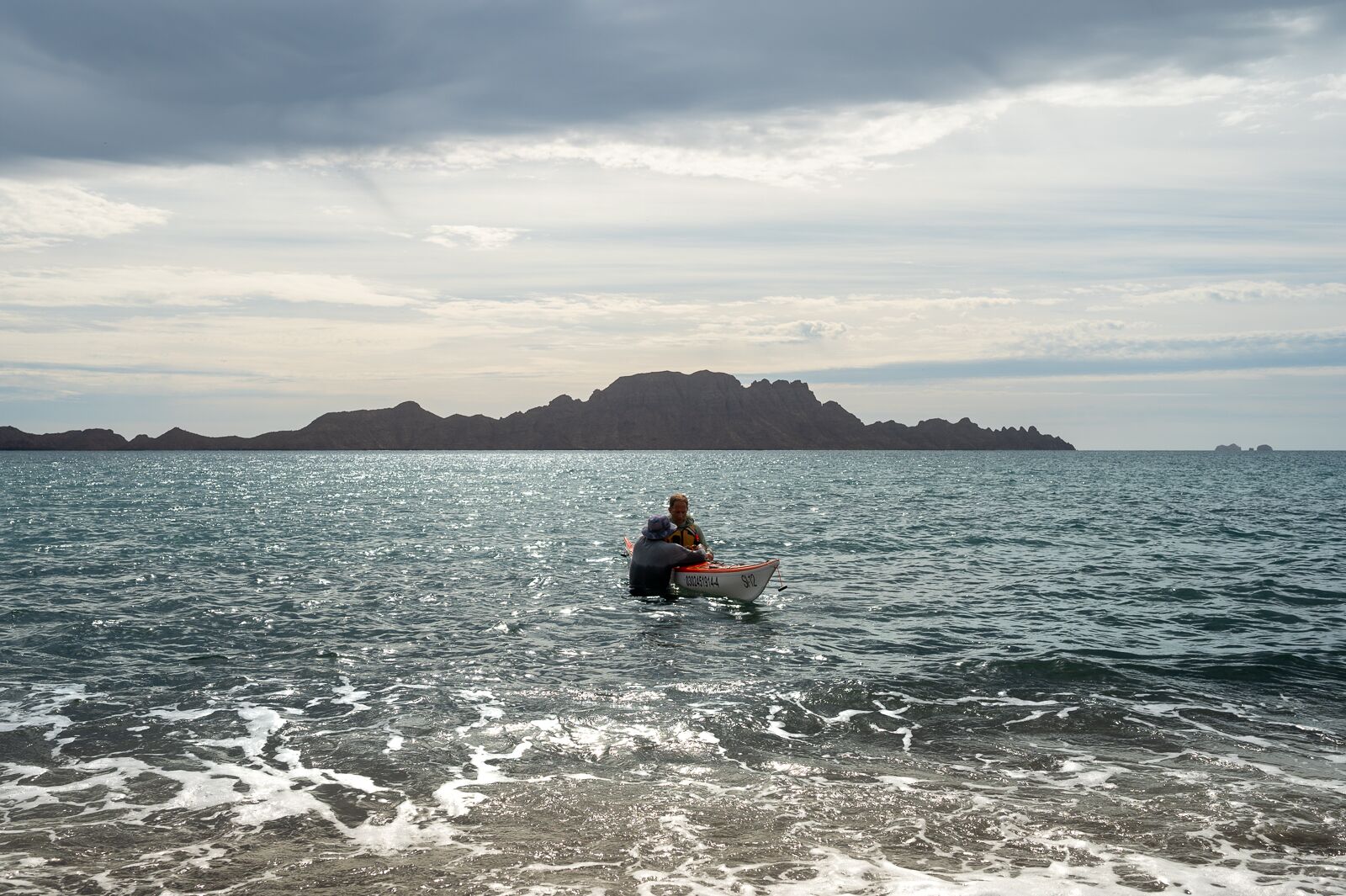
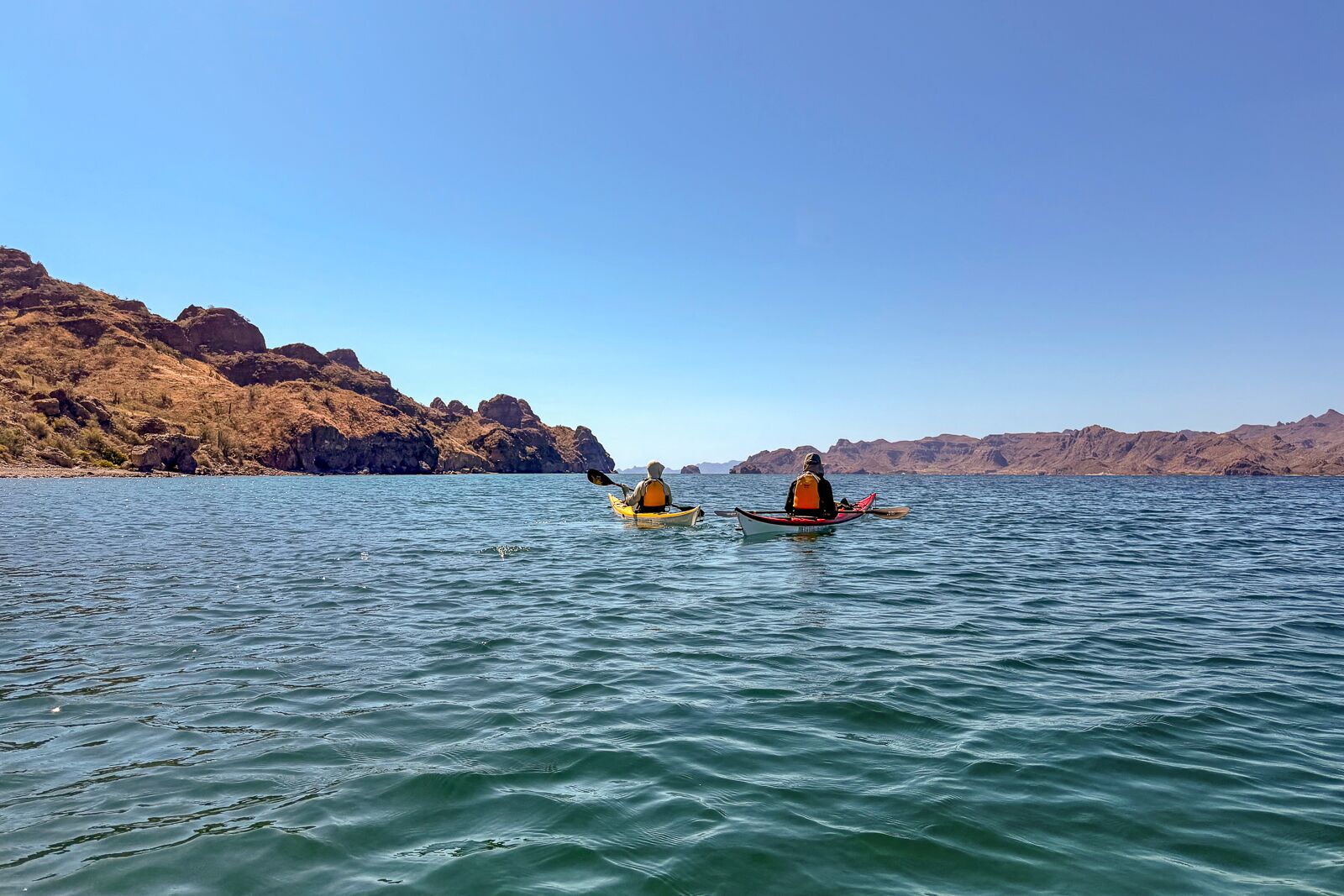
As planned, the group rose with the sun on the second day, efficiently packing their gear back into the kayaks – a process that proved significantly less chaotic than the inaugural attempt. The day’s objective was to complete the crossing to Isla Danzante. This stretch of paddling presented a greater challenge than the previous day. While the whitecaps were absent, the persistent wind and steady, rolling waves created a sense of unease. Ramón and María maintained a vigilant watch over the group, providing constant guidance to ensure proper course and paddling technique throughout the crossing.
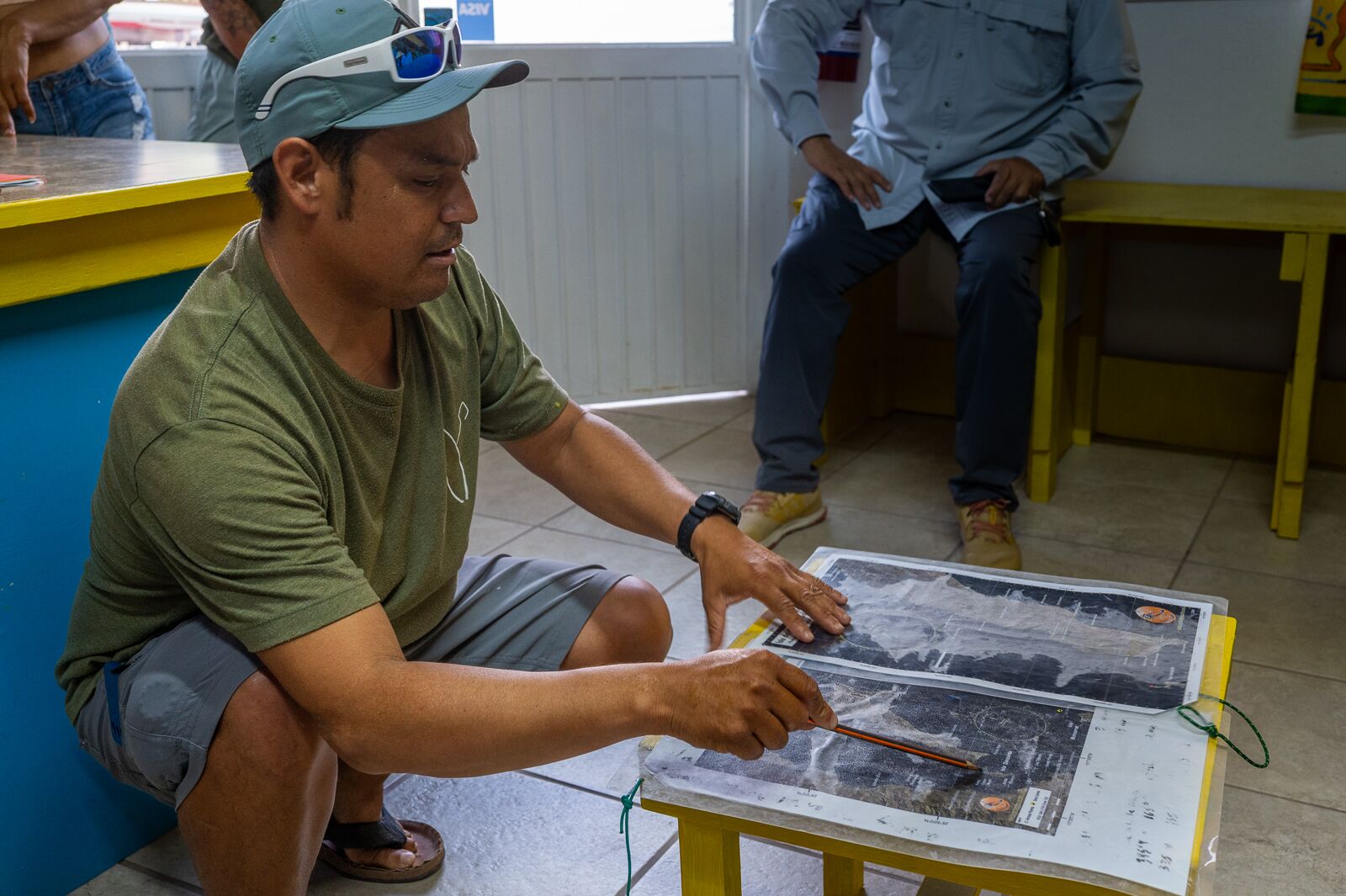
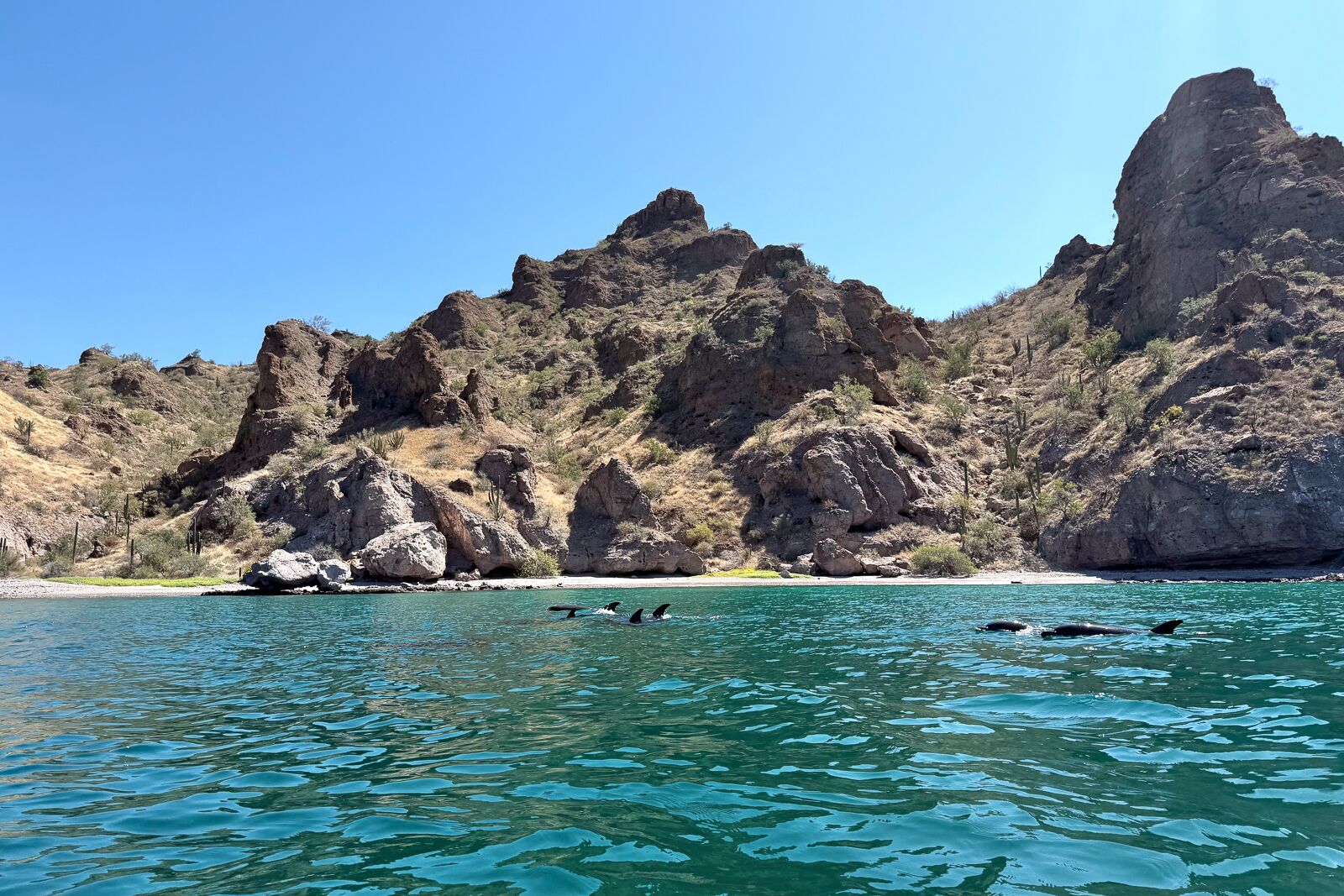
Mid-morning saw the group successfully reaching Isla Danzante, where they were welcomed by an exhilarating sight: a pod of dolphins feeding and playing near the shore. The expedition made landfall at Playa Punta Arenas, offering an opportunity to stretch and rest. Here, Ramón unfurled a map, explaining the revised itinerary. Due to the continuing adverse weather conditions, Isla Carmen was removed from the plan. However, Isla Danzante offered ample opportunities for exploration. The next leg involved paddling against the wind for over forty minutes to reach Bahía Honda, located on the island’s southeast side.
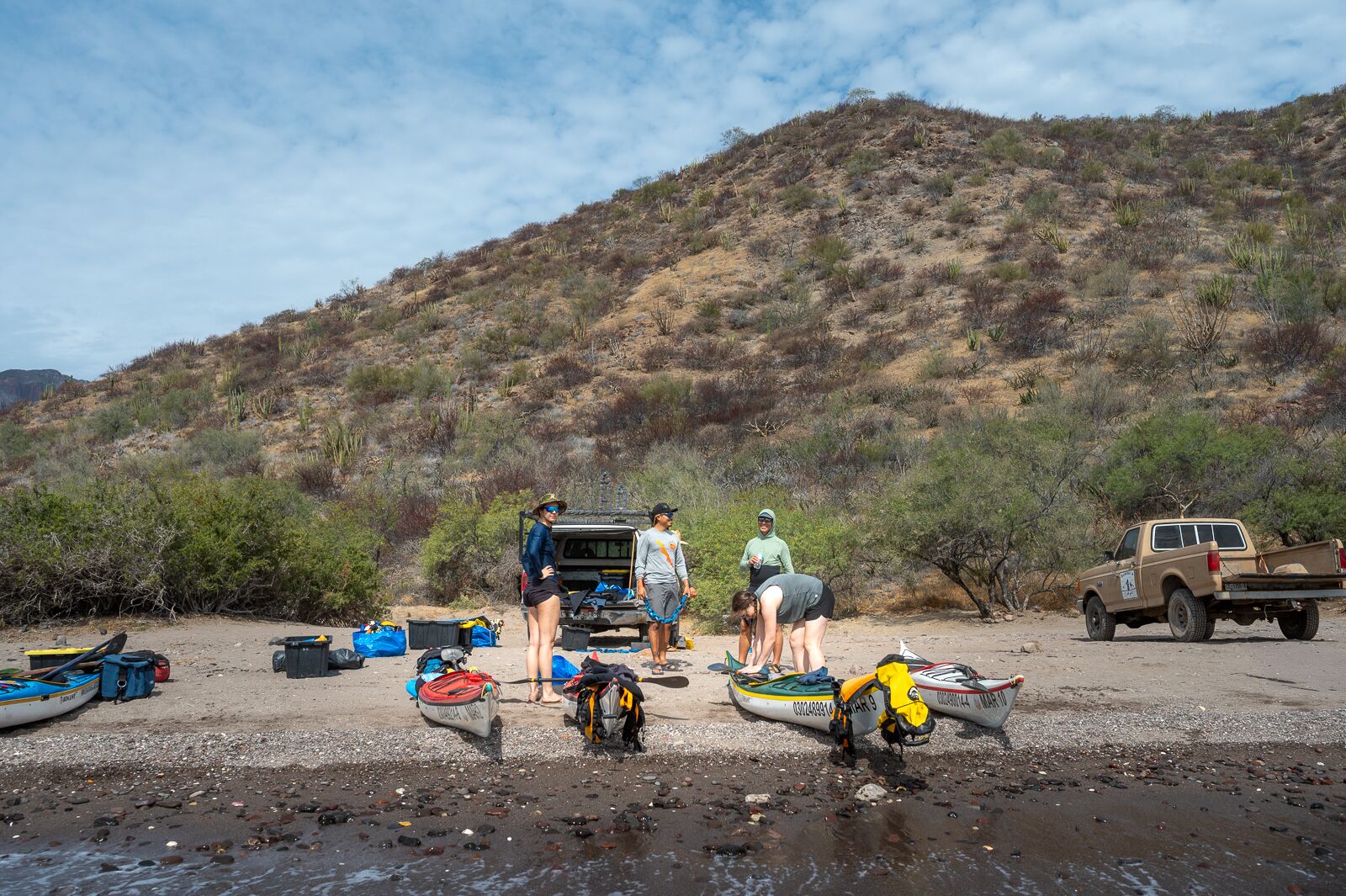
A palpable sense of accomplishment settled over the group as they established camp at Bahía Honda that evening. The bay felt beautifully remote, possessing a raw, untamed quality distinct from the mainland. The desert heat was immediately apparent upon disembarking, yet the refreshing ocean breeze and the shade cast by the towering rock walls along the beach made the location inviting. The surrounding landscape, rich in geological and biological features, sparked both contemplation and curiosity. María and Ramón, both accomplished marine biologists, along with Ivette, a trained geologist, readily shared their extensive knowledge of Loreto’s natural environment, enriching the group’s understanding of the unique ecosystem.
After setting up camp, the group unwound with a relaxed snorkeling session in the bay, a fitting activity in the "world’s aquarium." As night fell, the stars emerged with an intensity that surpassed the previous night’s display. Being several miles offshore, far removed from any significant light pollution, presented a perfect opportunity for astrophotography. The participant, having meticulously carried a tripod throughout the journey, finally put it to good use. Waking at nearly three in the morning to capture the night sky, the ocean was so still that the scurrying sounds of dozens of busy island mice were clearly audible. A slight haze near the horizon prevented a completely unhindered view, but the sky remained clear enough to photograph the Milky Way. The faint points of light visible in the distance were inferred to be Topolobampo and Los Mochis, some 150 miles across the Gulf of California, serving as a subtle reminder of the pervasive reach of light pollution, even in remote locations.
Day 3: Island Exploration and Deeper Connection
The third day marked the final full day on the islands. The water was remarkably calm, promising a full itinerary. After breakfast, the group paddled back around the southern tip of the island to El Arroyo, a small beach that serves as a trailhead for a hike up Isla Danzante’s cliffs. The well-defined trail offered a glimpse into the island’s surprising natural diversity. The path wound through patches of red copal, burseras, mangroves, and palo verde, while Ramón, ever vigilant, used a stick to probe the path ahead for rattlesnakes. While sightings are rare, occurring only a couple of times in his 14 years of guiding, the precaution highlights the wild nature of the environment. The islands, though appearing deserted, harbor a rich ecosystem, home to endemic species of lizards, bats, mice, and other small mammals, underscoring their importance within the national park.
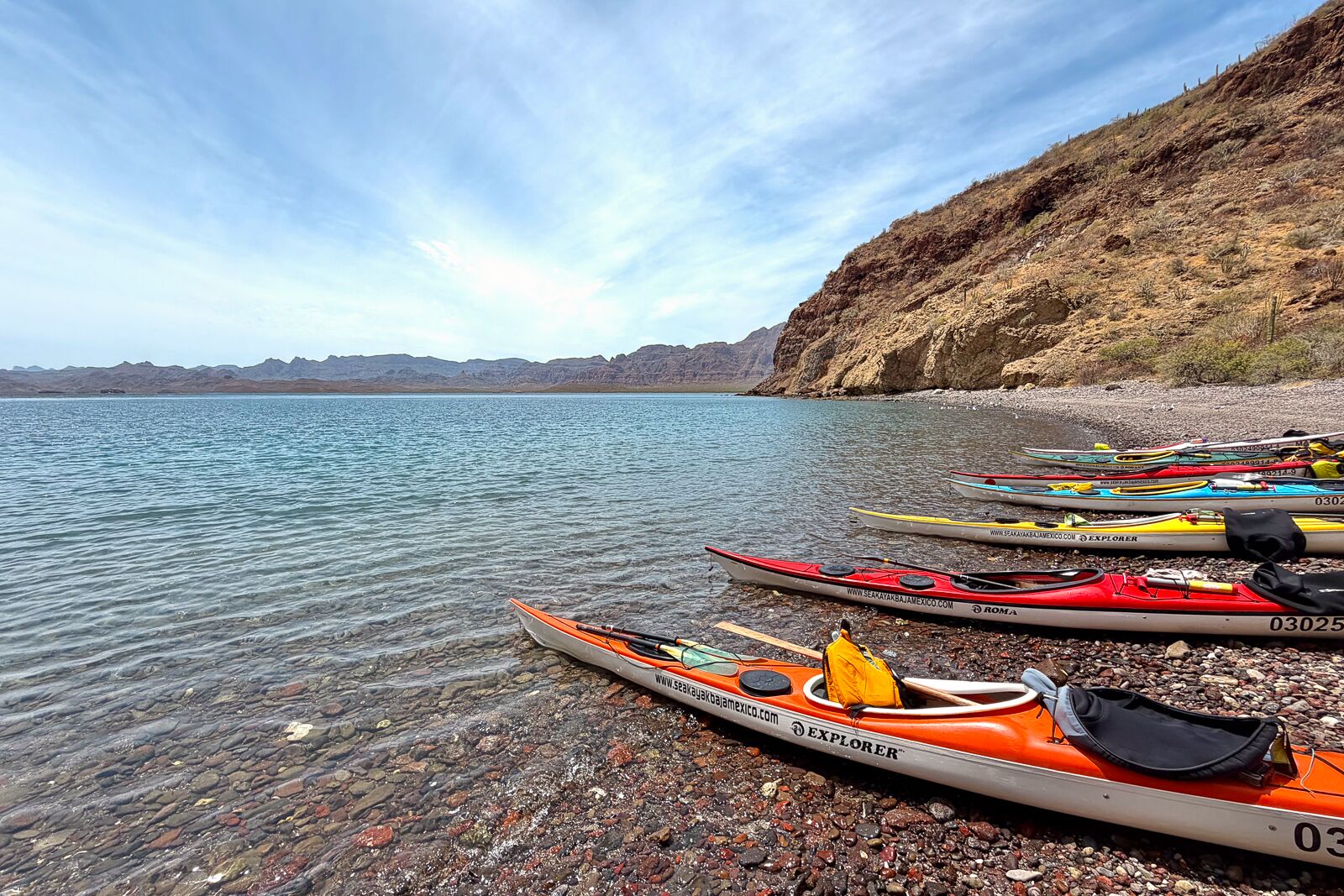
Upon reaching the clifftop and returning to their kayaks, the group had their first close encounter with other people since leaving El Quemado: another multi-day kayaking group, drawn to El Arroyo by the same pod of dolphins seen the previous day. This brief interaction highlighted the shared allure of Loreto’s marine wonders before the groups continued on their separate routes.
After lunch, the expedition embarked on its second paddle of the day, heading north along the island’s eastern side towards El Aquario. This secluded beach proved to be a highlight of the entire trip—a tranquil, protected cove with exceptionally clear water, making it an ideal spot for snorkeling and observing the vibrant marine life of the Sea of Cortez.
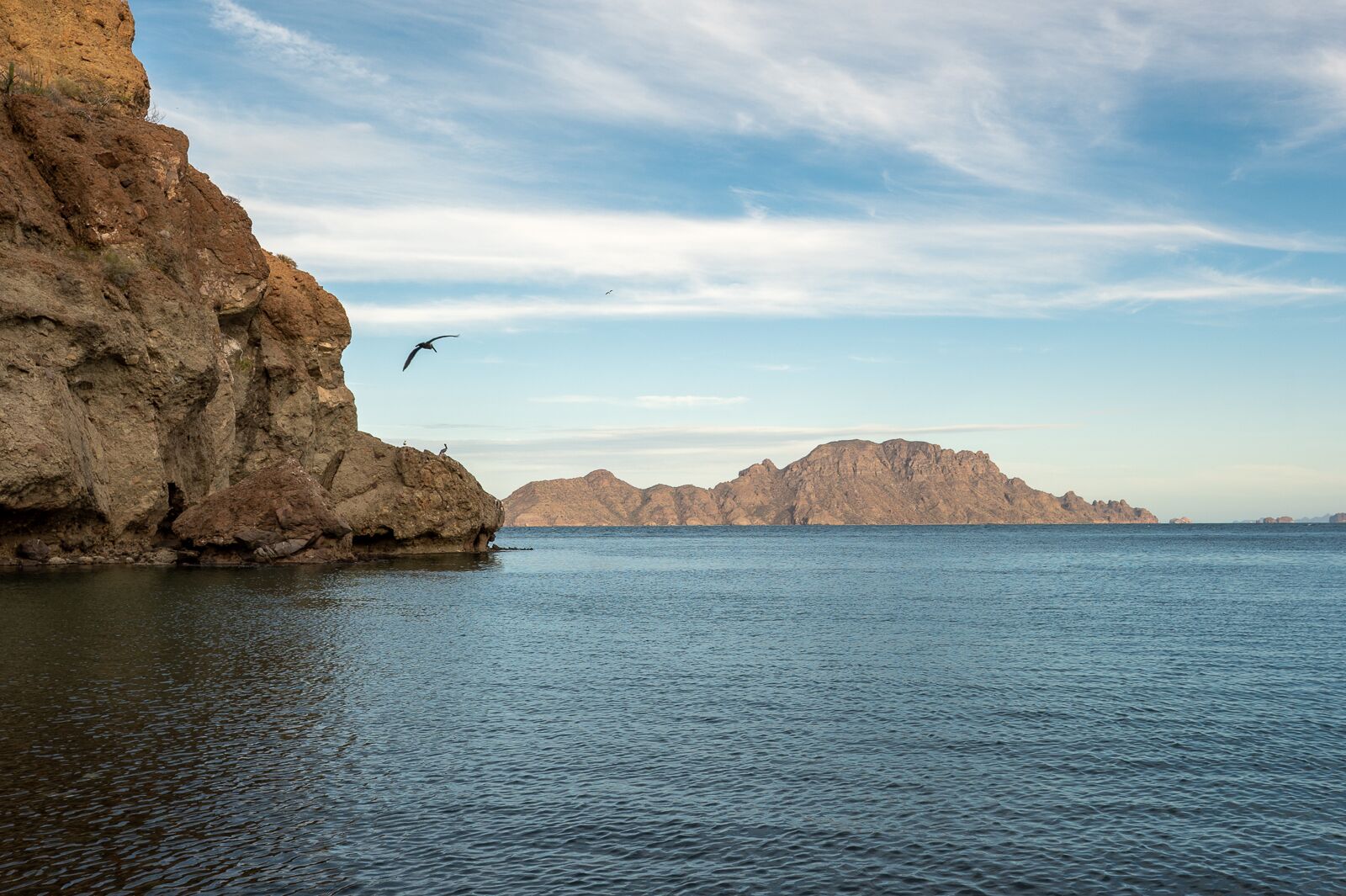
The paddle back to camp in the late afternoon was particularly memorable. The golden evening light cast a magical glow over the islands, and the stillness of the ocean invited moments of active contemplation. The participant noted a significant shift: paddling had become relaxed and instinctive, and for the first time, thoughts of distance and effort receded. A profound connection to the environment blossomed, marked by a nascent regret that these moments of immersion among the islands would soon conclude, despite the impending return paddle to the mainland.
The Return Journey: A Test of Skill and Nature’s Reminder
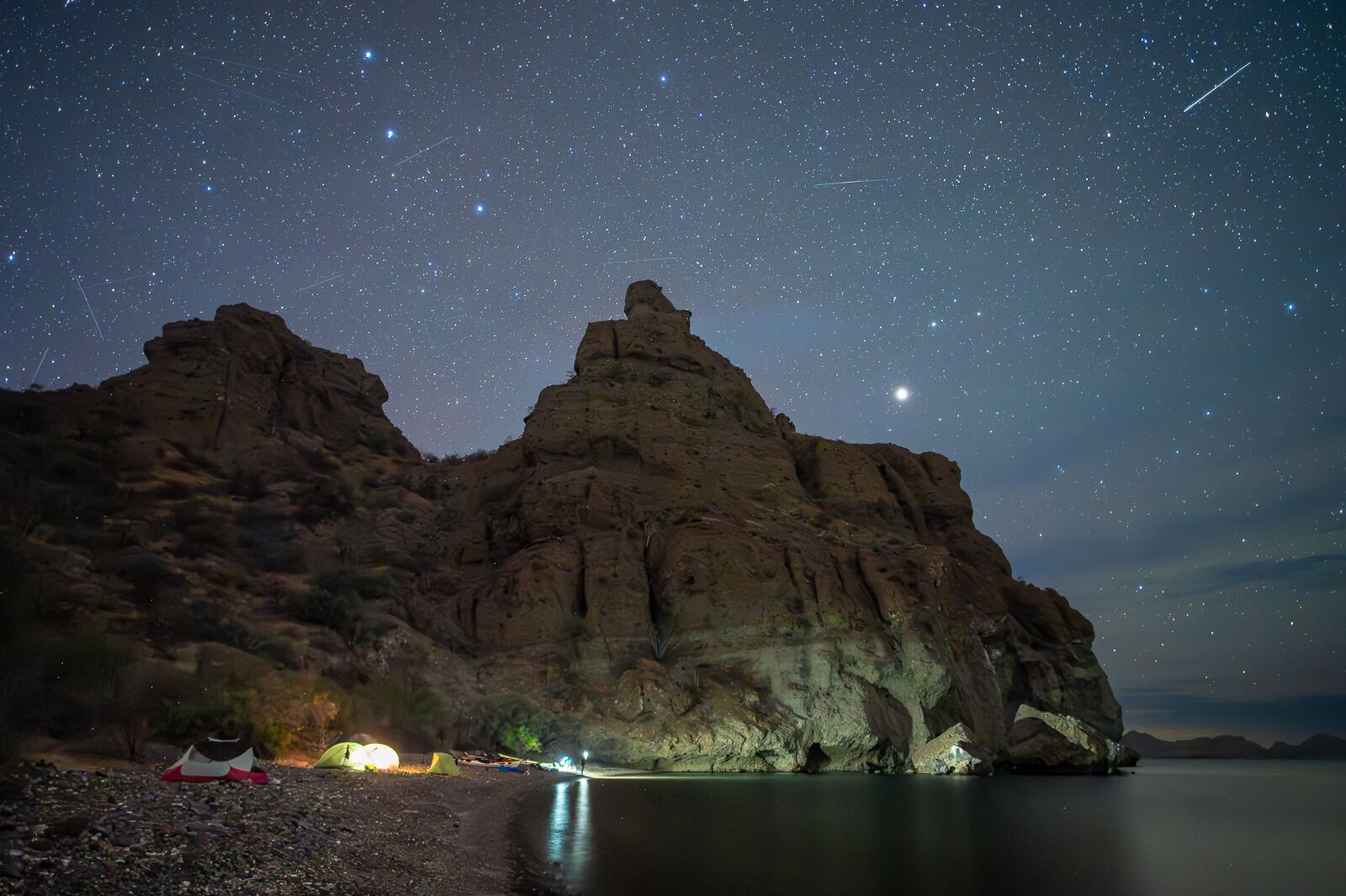
The final night camping on Isla Danzante was characterized by strong westerly winds that picked up overnight, testing the integrity of tents and the patience of the campers. By morning, the conditions had not improved, necessitating a vigilant watch by the guides for a suitable window to paddle back to the mainland. María and Ramón, with an air of calm expertise, boiled water for coffee as the group waited. Their ability to maintain a sense of effortlessness and control, even amidst uncertain conditions and limited resources, was a testament to their experience.
Finally, a moment of stillness arrived, signaling the anticipated window for departure. The return paddle to the mainland was smooth and surprisingly easy, a stark contrast to the challenges faced earlier in the expedition. The Sea Kayak Baja crew awaited their arrival on the mainland. As the group began unpacking kayaks and preparing for a well-earned ceviche, a sudden, powerful gust of wind nearly sent everything flying. Ramón and María reacted with minimal surprise, having anticipated the shift. As the wind intensified once more, the participant inquired if Ramón had foreseen such conditions. "We knew we had a short window to get you back before things turned," he confirmed, adding, "But we knew you could do it. You handled some challenging paddles for a first-timer." This commendation underscored the physical and mental progression achieved throughout the expedition.
The Significance of Guided Expeditions in Protected Areas
The sea kayaking season in Loreto typically runs from late October to mid-April, avoiding the intense summer heat. Outfitters like Sea Kayak Baja play a crucial role in providing access to Loreto Bay National Park through multi-day expeditions and guided experiences. While independent exploration with proper permits and experience is possible, going with a certified guide is strongly recommended, particularly for novices or those unfamiliar with the specific conditions of Loreto.
This expedition highlights several broader implications for adventure tourism and conservation. Firstly, the role of certified guides, especially those with backgrounds in marine biology and geology, extends beyond mere navigation and safety. They serve as invaluable educators, enriching the experience by providing context, identifying flora and fauna, and fostering a deeper appreciation for the delicate ecosystems of protected areas. This educational component is vital for promoting responsible tourism and environmental stewardship.
Secondly, the Loreto Bay National Park, with its UNESCO World Heritage status, represents a critical area for biodiversity conservation. Expeditions like these, when conducted sustainably, can contribute to local economies while simultaneously raising awareness about the importance of protecting these marine environments. The "sense of discovery from moving between islands," as articulated by Ivette Huerta, is not just a personal experience but a narrative that can inspire broader support for conservation efforts. The unique interplay of desert mountains and a vibrant marine ecosystem makes Loreto a distinctive destination that champions experiential travel and nature immersion.
The growth of eco-tourism in Baja California Sur underscores a global trend towards seeking authentic, immersive experiences that connect travelers with nature. The participant’s journey, from initial hesitation to confident paddling and profound contemplation, exemplifies the transformative power of such adventures. It also reinforces the importance of structured, guided expeditions in enabling safe and enriching access to remote and ecologically sensitive regions, ensuring both visitor enjoyment and the long-term preservation of these invaluable natural wonders.