The landscape of domestic tourism in the United States is undergoing a significant shift as millennial and Gen Z parents prioritize experiential travel for their youngest children. According to recent data from the Family Travel Association (FTA), nearly 85% of parents plan to travel with their children in the coming year, with a growing emphasis on "toddler-led" itineraries. These vacations are characterized by slower paces, sensory-rich environments, and infrastructure that accommodates the unique logistical needs of children aged one to four. From the arid landscapes of the Southwest to the maritime heritage of New England, the selection of a destination for a toddler requires a strategic balance of safety, accessibility, and engagement.
The Evolution of Family Travel and the Toddler Demographic
Historically, travel with toddlers was often viewed by the tourism industry as a "gap period" between infancy and school-age years. However, developmental psychologists now emphasize that the period between 12 and 36 months is a critical window for sensory processing and cognitive development. Exposure to new sights, sounds, and textures—such as the vibration of a metro train in Washington, D.C., or the tactile sensation of the "sugary" sands in Florida—serves as a catalyst for neurological growth. Consequently, high-end resorts and municipal planning boards are increasingly investing in "toddler-friendly" certifications and amenities.
Phoenix and Scottsdale: The Oasis of the Southwest
The greater Phoenix and Scottsdale metropolitan area has emerged as a premier destination for families seeking year-round sunshine and predictable climates. The region’s appeal lies in its "resort-centric" model, which allows families to alternate between high-stimulation outings and controlled environments.
The Desert Botanical Garden, spanning 140 acres, serves as a primary educational hub. With more than 55,000 arid plants, the garden provides a safe, contained environment for toddlers to explore the natural world. Data from local tourism boards suggests that the "Butterfly Pavilion" remains one of the highest-rated attractions for children under five due to its immersive, gentle nature.
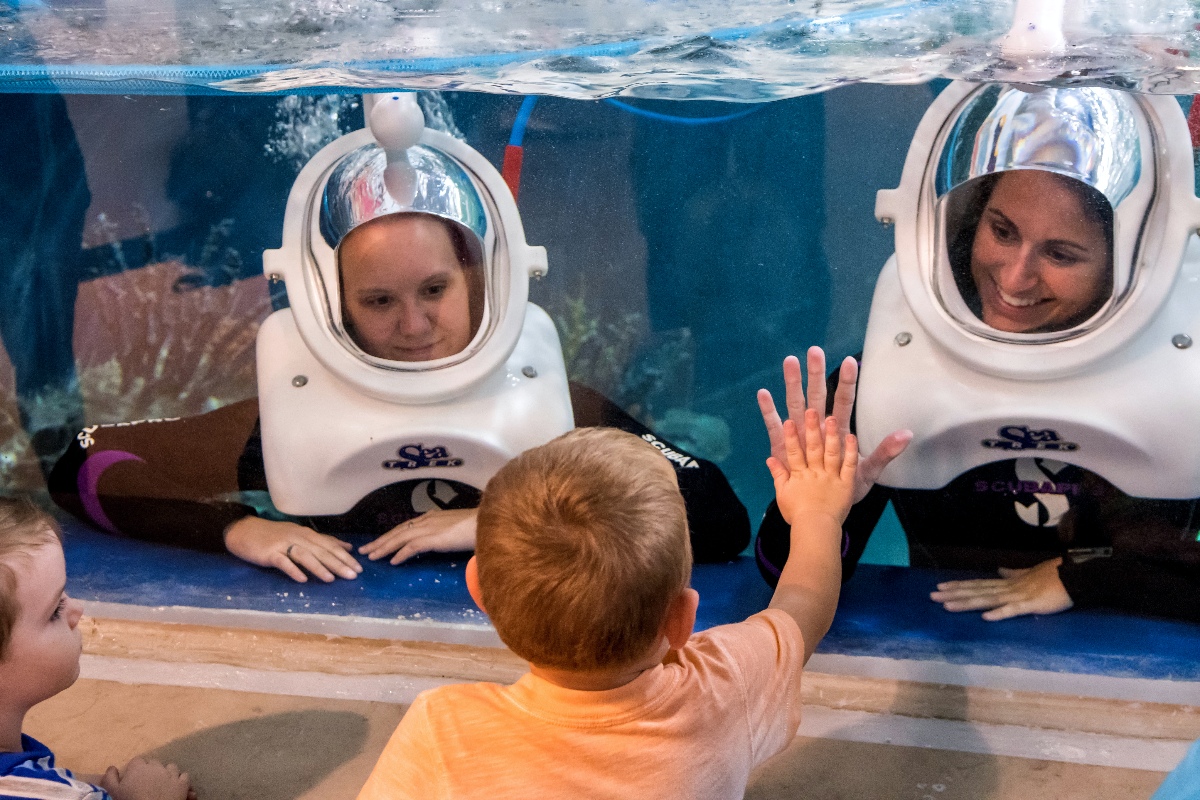
For families seeking a mix of history and play, the McCormick-Stillman Railroad Park in Scottsdale offers a 15-inch gauge train that provides a low-impact introduction to locomotive history. Furthermore, the OdySea Aquarium represents the modernization of marine education, utilizing compact exhibits that cater to the shorter attention spans typical of the toddler demographic.
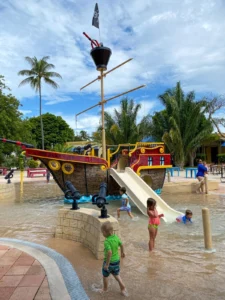
Accommodation Spotlight: The Fairmont Scottsdale Princess, a 65-acre AAA Five Diamond resort, has set a benchmark for family-oriented luxury. The property features six pools, including specialized splash pads and a sand-beach pool, designed to mitigate the risks associated with traditional deep-water swimming for young children.
Palmetto Bluff: Lowcountry Conservation and Quietude
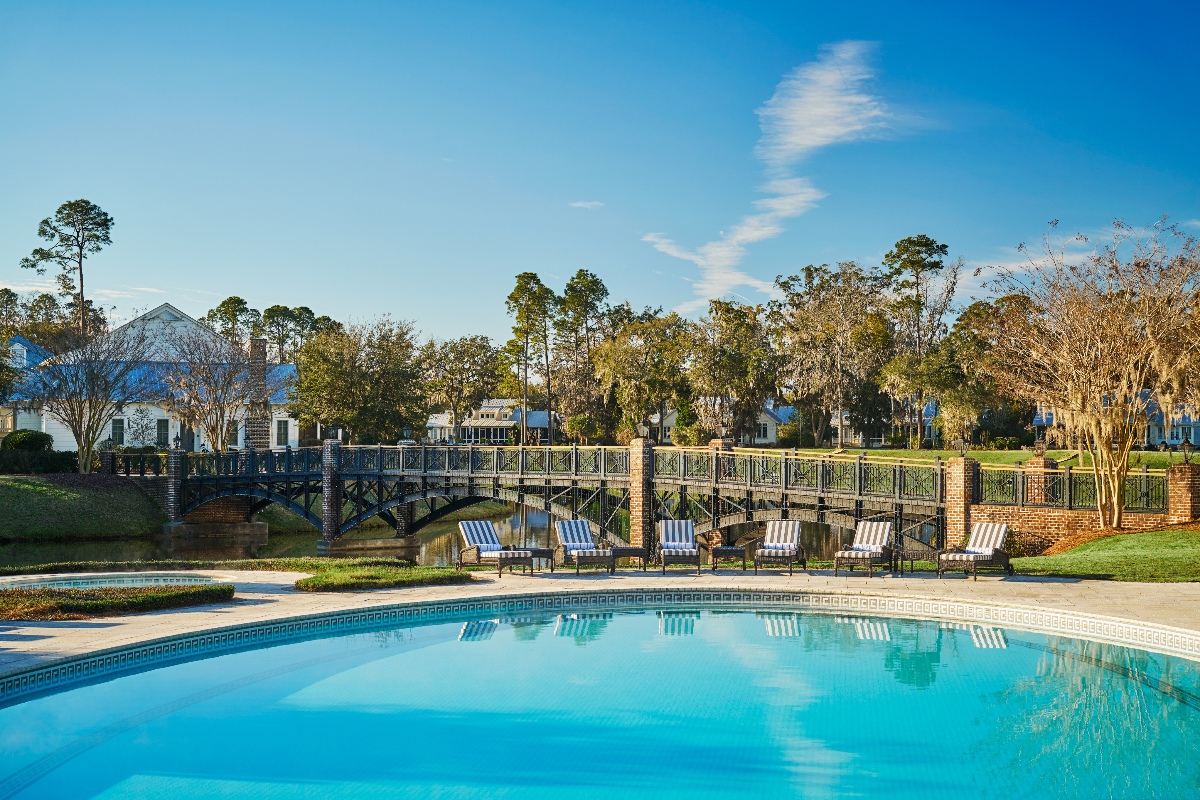
Located along the May River in South Carolina, Palmetto Bluff represents a departure from the high-energy theme parks of the Southeast. This 20,000-acre residential and recreational preserve focuses on "quiet luxury" and nature-based exploration.
The geography of the Lowcountry—characterized by maritime forests and expansive riverfronts—is particularly conducive to stroller-based hiking and wildlife observation. A unique feature of the Wilson and Moreland villages is the series of multi-story treehouses integrated into ancient live oaks. These structures are designed to foster imaginative play while maintaining rigorous safety standards.
Proximity to Savannah, Georgia (approximately 40 minutes by car), allows parents to incorporate historical sightseeing into their itinerary. Savannah’s grid-based, walkable layout and numerous public squares provide ample "run-around" space that is often lacking in more dense urban environments.
Cape Cod: The Maritime Tradition of New England
Cape Cod remains a foundational element of American family travel. The peninsula’s northern "hook," particularly areas facing Cape Cod Bay like Mayflower Beach and Corporation Beach, is scientifically noted for its tidal flats. During low tide, the water recedes to reveal hundreds of yards of shallow pools and soft sand, creating a natural, wave-free playground for toddlers.
The town of Chatham serves as a central hub, offering a blend of lighthouses and small-scale commercial districts. The Chatham Bars Inn, established in 1914, has adapted to the modern family by offering private boat excursions specifically tailored for "seal spotting," an activity that provides high visual engagement for young children without the duration of a full-scale whale-watching tour.

Seattle: Urban Innovation and Natural Integration
The Pacific Northwest offers a distinct aesthetic for traveling families. Seattle’s "Artists at Play" recreation area, located at the Seattle Center, is a case study in modern playground design. Developed in collaboration with artists, the space focuses on kinetic play and sensory sound installations.
Pike Place Market, while often crowded, offers a sensory "overload" in a controlled manner. For toddlers, the visual spectacle of the "fish flingers" and the olfactory variety of the flower and produce stalls provide a unique urban education. Logistics-wise, the Seattle ferry system—specifically the 35-minute route to Bainbridge Island—offers a low-cost, high-reward maritime experience that allows families to view the skyline from a safe, enclosed deck.
Maui: Recovery and Sustainable Tourism
Following the devastating wildfires of August 2023, Maui’s tourism industry has focused on a respectful and sustainable reopening. For families with toddlers, the "Valley Isle" offers some of the calmest swimmable waters in the Hawaiian archipelago, particularly at Kapalua Bay.

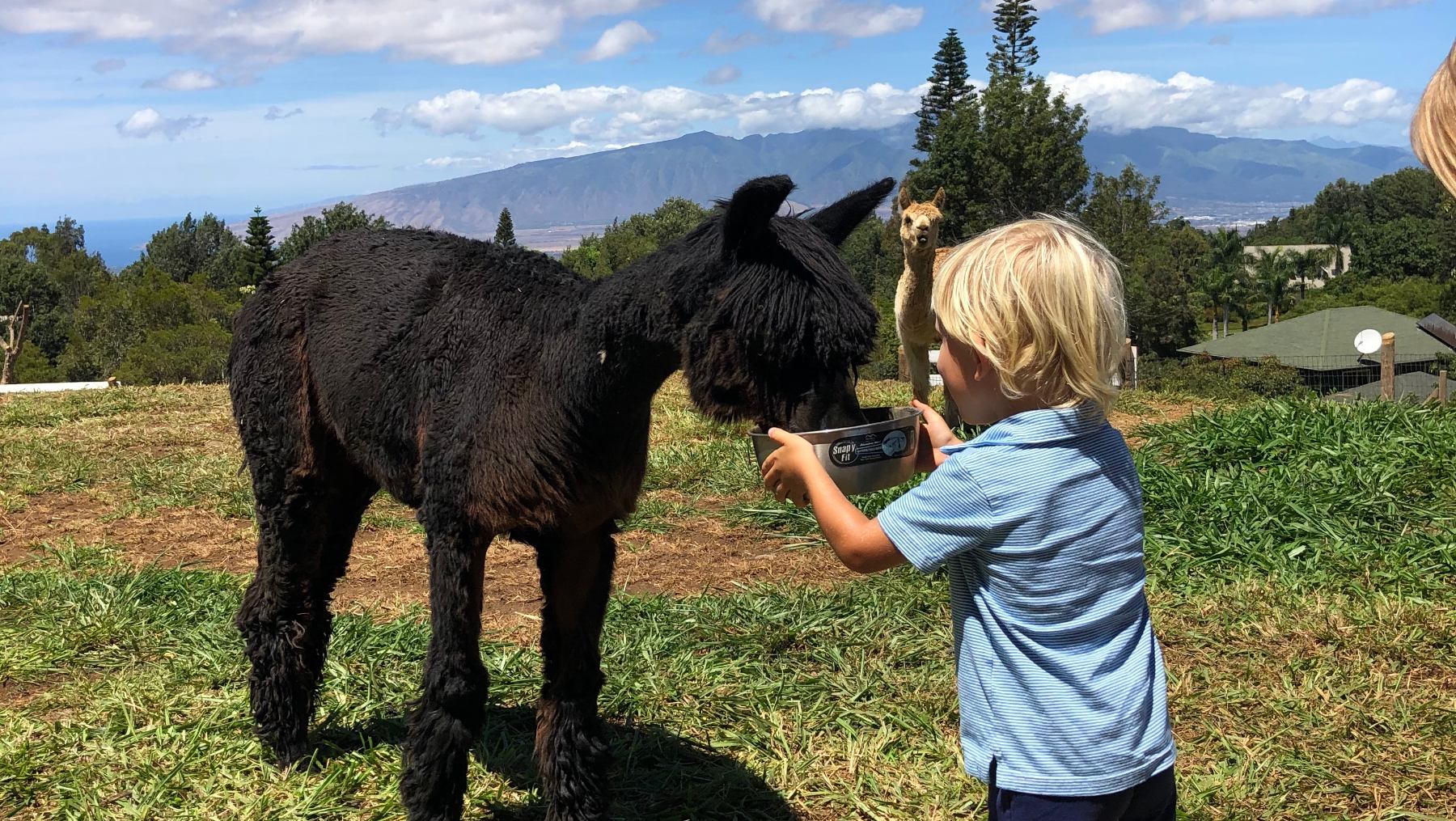
The island’s "Upcountry" region provides a cooler, farm-based alternative to the beach. Sites like the Surfing Goat Dairy and Ali’i Kula Lavender Farm allow toddlers to interact with animals and plants in a rural setting. This "agritourism" sector has seen a 15% increase in family bookings over the last two years, as parents seek educational alternatives to traditional resort activities.
San Diego: The Gold Standard of Family Attractions
San Diego is frequently cited by travel analysts as the most "child-complete" city in the United States. The city’s infrastructure is heavily weighted toward family accessibility, from the wide boardwalks of Coronado to the specialized exhibits at the San Diego Zoo.
The San Diego Zoo’s "Discovery Cart" tours are a significant logistical advantage for parents. These 60-minute guided experiences eliminate the physical strain of navigating the zoo’s hilly terrain with a stroller while providing priority viewing of high-interest animals like the newly returned giant pandas, Yun Chuan and Xin Bao. Additionally, Legoland California in nearby Carlsbad features "Duplo Playtown," a dedicated zone designed specifically for the height and motor-skill requirements of toddlers.

Santa Rosa Beach: The 30A Phenomenon
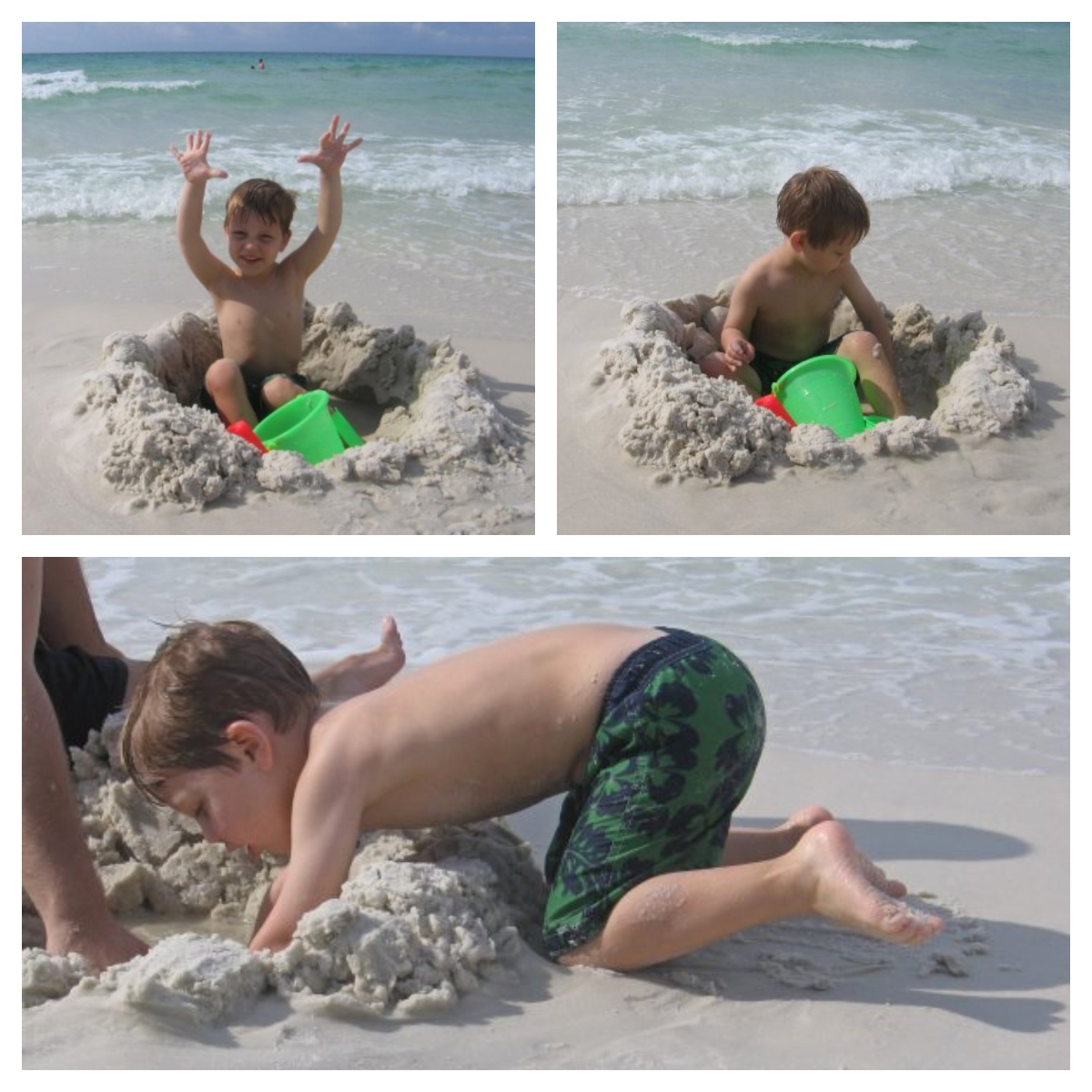
The stretch of Florida’s Gulf Coast known as "30A" has become a cult favorite for families in the Southern and Midwestern United States. Santa Rosa Beach is defined by its quartz-crystal sand and emerald-green waters. Unlike the Atlantic coast, the Gulf side often features minimal surf, making it safer for children who are just learning to navigate the water’s edge.
The WaterColor Inn and surrounding community are designed with a "pedestrian-first" philosophy. Wide, flat bike paths are ubiquitous, and many families opt to rent specialized trailers or "tag-alongs" for toddlers, reducing the reliance on rental cars for local transit.
Washington, D.C.: The Educational Nexus
The inclusion of the nation’s capital on a toddler-friendly list is often met with surprise, yet the city offers a high density of free, world-class attractions. The Smithsonian Institution’s mandate for free admission allows parents to visit museums in short, 30-to-60-minute bursts, which aligns with the biological needs of a toddler.

The National Mall serves as a massive urban park, and the 2024 return of the historic 1947 carousel provides a focal point for younger visitors. On days with inclement weather, the National Children’s Museum provides "Steam" (Science, Technology, Engineering, Arts, and Math) based exhibits designed for early childhood development.
Acadia National Park: Accessible Wilderness
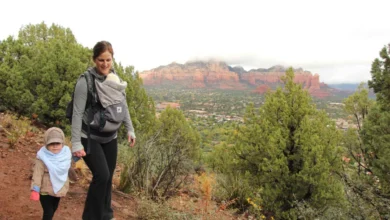
National Parks are often perceived as "rugged" destinations, but Maine’s Acadia National Park is uniquely accessible. The park’s "Carriage Roads"—a 45-mile network of broken-stone roads gifted by John D. Rockefeller Jr.—are closed to motorized traffic and feature gentle grades, making them the premier stroller-hiking destination in the National Park Service (NPS) system.
The Jordan Pond Path and the Wonderland Trail provide flat, loops that allow toddlers to experience the "Northwoods" aesthetic without the dangers of steep cliffs or strenuous climbs.
Broader Impact and Economic Implications
The rise in toddler-specific travel is driving a broader economic impact on the hospitality industry. Hotels are moving beyond "kids’ clubs" to offer "toddler-proofing" kits, in-room organic milk delivery, and specialized concierge services for baby gear rentals. According to industry analysis, the family travel segment is expected to grow at a Compound Annual Growth Rate (CAGR) of 4.6% through 2030.
Travel experts suggest that the success of a toddler vacation is rooted in "predictable novelty"—providing new experiences within a framework of safety and routine. As destinations continue to adapt to this demographic, the "family vacation" is being redefined from a stressful obligation into a vital component of early childhood enrichment.
Timeline for Travel Planning:
- 6 Months Out: Secure reservations at high-demand family resorts (e.g., Hotel del Coronado or Montage Palmetto Bluff).
- 3 Months Out: Research local equipment rental companies for full-size cribs or specialized strollers.
- 1 Month Out: Verify current hours for local attractions and book any timed-entry tickets (essential for D.C. museums and the San Diego Zoo).
- 1 Week Out: Check local weather patterns to adjust packing for sensory comfort.*
Related posts: