How Bangladesh’s Women-Led Climate Revolution is Transforming Communities

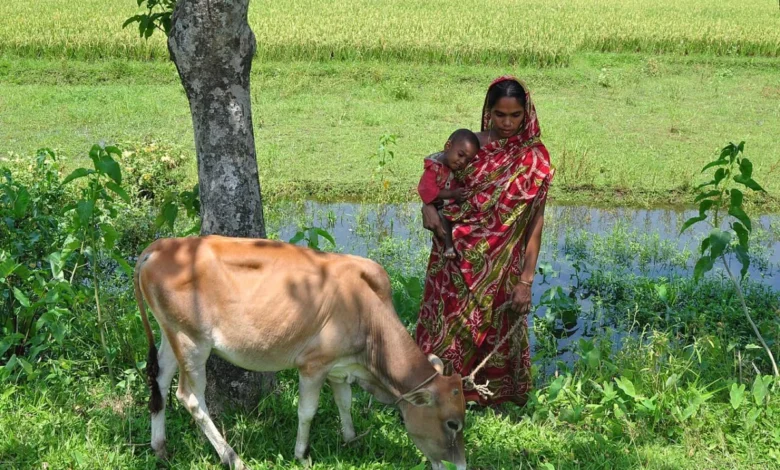
Through the United Nations-supported Local Government Initiatives on Climate Change (LoGIC) Project, Begum has transitioned from a displaced resident to a community leader, spearheading the cultivation of quinoa—a climate-resilient crop—and fostering eco-conscious agricultural practices. This shift represents a broader national trend where women are stepping into roles as primary architects of climate resilience, utilizing ingenuity to combat the systemic stressors of a warming planet.
The Context of Vulnerability and the Shift to Agency
Bangladesh is frequently cited by the Intergovernmental Panel on Climate Change (IPCC) as one of the most vulnerable nations on Earth. With a significant portion of its landmass situated less than five meters above sea level, the country faces a trifecta of climate threats: rising sea levels, intensifying monsoons, and extreme salinity intrusion in the coastal south. Projections suggest that by 2050, one in every seven people in Bangladesh will be displaced by climate change.
Historically, climate interventions were often top-down, managed by international agencies or centralized government bodies with limited input from the rural women who bear the brunt of environmental disasters. The current "Climate Revolution," however, is defined by community-led adaptation. Women across the country are moving beyond traditional domestic roles to implement "climate-smart" solutions, ranging from solar-powered energy grids to advanced water filtration systems. This agency is not merely a response to crisis but a strategic move toward economic empowerment, proving that those most affected by climate change are often the best equipped to design the solutions.
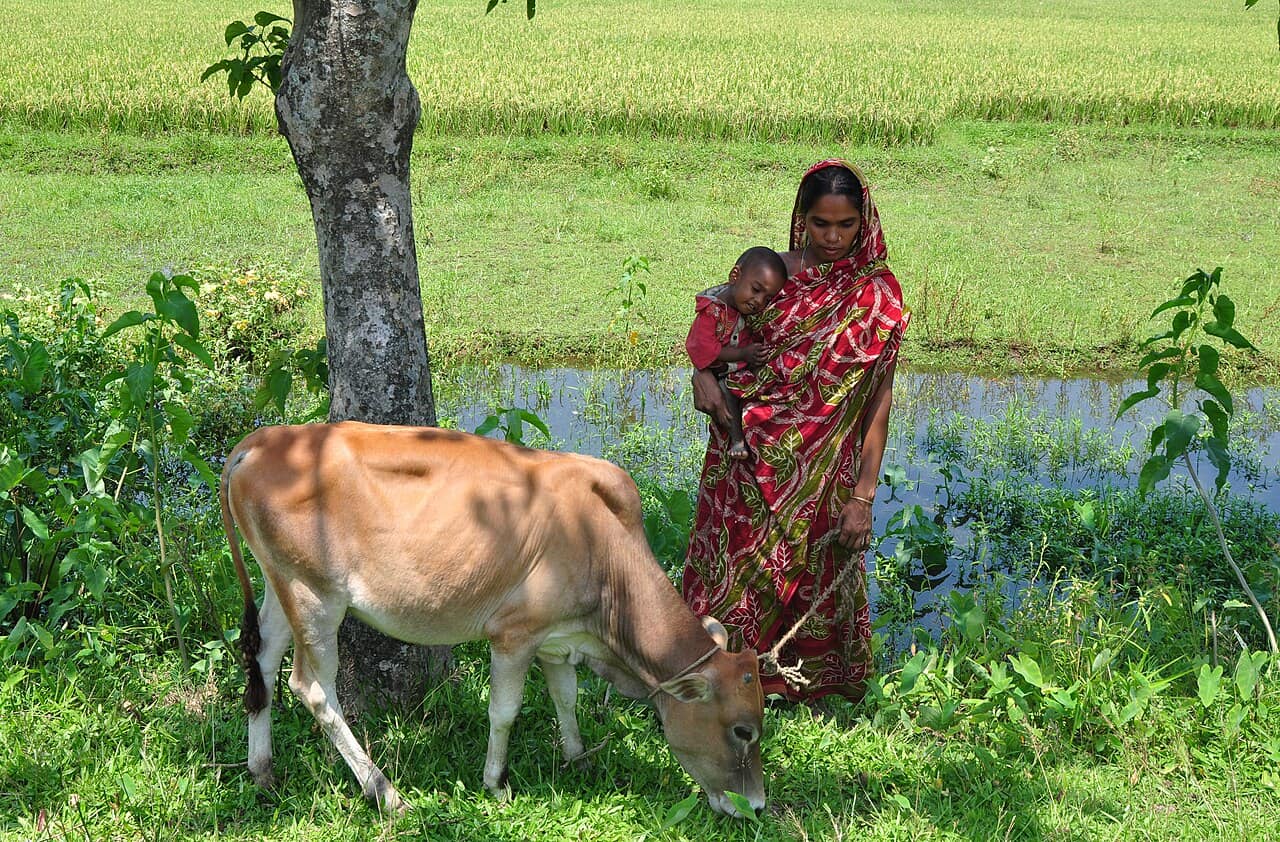
Water Innovation: The Footsteps Bangladesh and Dreamwater Model
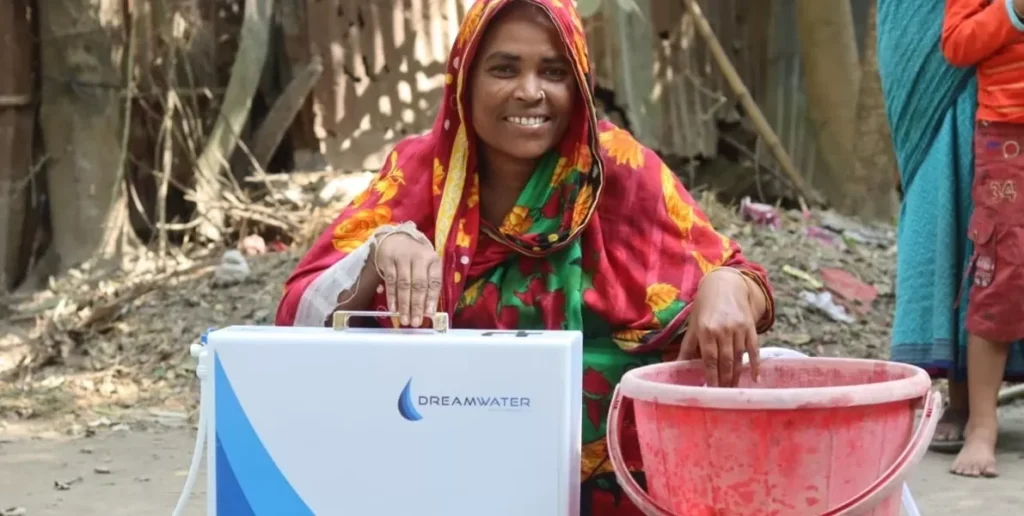
One of the most critical challenges in flood-prone regions is the paradox of "water, water everywhere, nor any drop to drink." During monsoon seasons, traditional tube wells are often submerged or contaminated by pathogens and saline water. To address this, Footsteps Bangladesh, an NGO founded in 2013, launched the "Dreamwater" initiative.
The Dreamwater system is a portable, high-tech filtration unit designed for use in the country’s most afflicted areas. Utilizing nanosilver filtration technology, the system is capable of removing 99.99% of contaminants from floodwater. The innovation lies in its portability and cost-effectiveness; the system is housed in a backpack and equipped with long-lasting batteries, allowing it to be deployed rapidly during emergency flood scenarios.
Adhuri Begum, a key figure in the Footsteps project, emphasizes that the initiative is as much about social engineering as it is about technology. The project has trained over 800 women in water management and awareness programs. By turning a crisis—floodwater—into a resource, these women are not only securing their communities’ health but are also elevating their social status. In many rural districts, the ability to provide clean water has transformed women from dependents into essential service providers and entrepreneurs.
Energy Independence and the Rise of Solar Villages
While water remains a priority, energy poverty is a significant barrier to climate resilience. In the "chars"—unstable silt islands formed by river deposits—and the coastal belts, the national power grid is often inaccessible. These regions are home to "intra-migrants," individuals who have been forced to relocate due to the loss of land to the sea or rivers.
Runa Khan, the founder and CEO of the NGO Friendship, has pioneered a model of energy independence through the creation of solar villages. Friendship has secured over £1 million in funding to provide solar home systems (SHS) to these marginalized communities. These systems, which range in capacity from 20 to 85 watts, have been installed in over 3,500 homes.
The impact of this transition is profound. Previously, these communities relied on kerosene lamps, which are expensive, provide poor light, and emit harmful fumes. The introduction of solar power has allowed for the establishment of community learning centers and has enabled small businesses to operate after dark. Khan’s approach emphasizes "depth and quality" over rapid expansion, focusing on training over 700 local professionals to maintain the systems, thereby ensuring the long-term sustainability of the infrastructure.
Agricultural Transformation: Quinoa and Resilient Cooperatives
In the agricultural sector, the LoGIC Project—a collaborative effort involving the European Union, the UNDP, and the Government of Bangladesh—is redefining food security. In coastal areas like Ashabaria, salinity intrusion has rendered traditional rice farming increasingly difficult.
Salma Begum, a mother of three who previously possessed no arable land, joined a climate-smart cooperative supported by the Climate Resilience Fund (CRF). This fund allows women to pool resources, such as land and grants, to invest in salt-tolerant crops and sustainable farming techniques. Alongside seven other women, Begum has embraced the cultivation of quinoa and other resilient varieties that thrive in harsh conditions.

To date, these cooperatives have supported approximately 35,000 women. The training provided covers a spectrum of needs, from mobilization techniques to the technical aspects of permaculture and sustainable agriculture. This shift from subsistence farming to organized, climate-adaptive cooperatives has provided a safety net for families who were once one storm away from total financial ruin.
The Institutional Framework: SheRAA and PKSF
The success of these localized efforts is increasingly supported by a sophisticated network of leadership and advocacy. The Women’s Climate Resilience and Adaptation Alliance (SheRAA) serves as a coalition for various NGOs, including LoGIC and Footsteps. SheRAA focuses on research, educational justice, and the amplification of female voices in policy discussions.
Shaheen Anam, Executive Director of Manusher Jonno Foundation and a member of SheRAA, has been vocal about the intersection of gender and climate. She notes that while women are the primary implementers of adaptation strategies, they remain underrepresented in formal political decision-making. The alliance works to bridge this gap, ensuring that the lived experiences of rural women inform national and international climate policies.
On a larger scale, the Palli Karma-Sahayak Foundation (PKSF) acts as a crucial financial intermediary. As a Direct Access Entity (DAE) for the Green Climate Fund (GCF), PKSF ensures that international climate finance reaches grassroots organizations. One of its flagship initiatives is the Growth for Climate Resilient and Environmental Entrepreneurship and Nutrition (GREEN) project. This six-year program, deployed in the Haor wetlands, focuses on supporting smallholders and micro-enterprises.
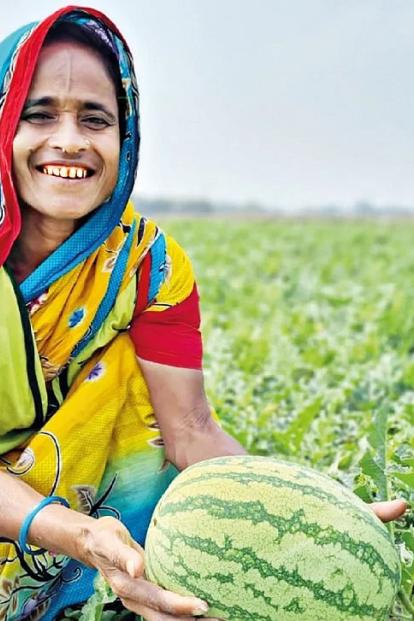
The PKSF also provides a platform for high-level advocacy. Recently, Farida Akhter, a Fisheries and Livestock adviser, used the PKSF forum to highlight the environmental impact of pesticides on indigenous fish species. Her call to integrate chemical-related concerns into national fisheries policies demonstrates how the movement is moving beyond simple adaptation toward comprehensive environmental stewardship.
Broader Implications and the Global Model
The "meta-narrative" of the Bangladeshi experience is one of disruptive innovation. By weaving traditional regional knowledge with modern technology—such as floating gardens and solar-powered desalination—these women are creating a blueprint for the Global South.
The model works because it addresses the root causes of vulnerability: lack of land, lack of energy, and lack of clean water. By providing women with the tools to solve these problems, the movement creates a "multiplier effect." A woman with a solar lamp can educate her children; a woman with a water filter can prevent disease in her village; and a woman with a quinoa crop can provide nutrition and income for her family.
For the international community, the lessons from Bangladesh are clear. Effective climate adaptation requires more than just capital; it requires the empowerment of local leaders who understand the nuances of their environment. The transformation of communities in Moulvibazar, Ashabaria, and the chars is a testament to the fact that when women are given the resources to lead, they do not just survive the climate crisis—they innovate their way through it.
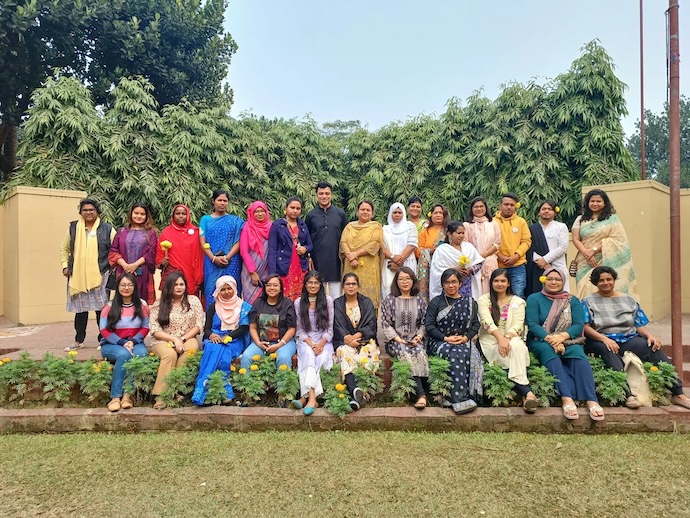
As policymakers and investors look toward the future of global climate resilience, the frameworks established by the women of Bangladesh offer a compelling example of how to build a world that is not only sustainable but also equitable. The shift from "victim" to "change-maker" is the true revolution, and it is one that is being written in the footsteps of women across the delta.