London’s Extensive Walking Network Offers Unparalleled Urban Exploration and Cultural Immersion

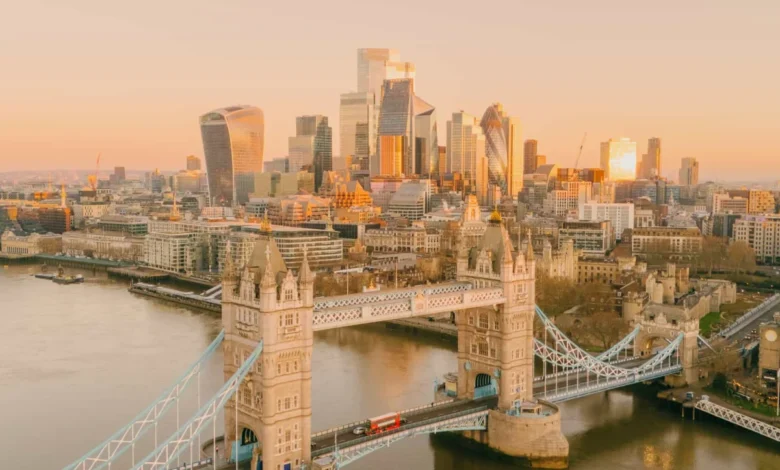
London, a global metropolis renowned for its rich history, vibrant culture, and diverse urban landscape, stands out as a premier destination for pedestrians. The city boasts an intricate and expansive network of walking routes that not only connect iconic landmarks but also unveil hidden gems, tranquil green spaces, and a multifaceted urban experience. These pathways cater to a wide array of interests, from history enthusiasts and art lovers to those seeking a serene escape from the bustling city centre, making walking an indispensable mode of exploration for both tourists and residents.

London’s Commitment to Pedestrian Infrastructure

The development and promotion of walking routes are central to London’s urban planning and sustainable transport strategies. Organisations such as Transport for London (TfL) actively advocate for walking as a healthy, environmentally friendly, and efficient way to navigate the capital. Their initiatives, including the "Walk London" network, aim to encourage more people to explore the city on foot, highlighting the myriad benefits, from improved public health to reduced carbon emissions. Studies by groups like Living Streets consistently demonstrate that well-maintained and clearly signposted walking routes contribute significantly to the vibrancy of local economies and enhance residents’ quality of life. The city’s commitment is reflected in the continuous investment in pedestrian-friendly infrastructure, ensuring accessibility and enjoyment for all.

Curated Journeys Through Iconic Central Districts

Among the most popular and comprehensive options for visitors are the meticulously planned itineraries that guide walkers through London’s most celebrated sights.

The Hand Luggage Only’s London Landmark Route, for instance, offers a strategic approach to experiencing the capital’s architectural and historical grandeur. This extensive route, designed for phased exploration rather than a single arduous undertaking, commences in West London with the regal Kensington Palace. As a residence for British royalty since the 17th century, including Queen Victoria and Diana, Princess of Wales, the palace offers a glimpse into royal life and history. A short, picturesque stroll through Hyde Park leads to the Albert Memorial, an ornate Gothic monument commemorating Prince Albert, and the adjacent Royal Albert Hall, a world-famous concert venue opened by Queen Victoria in 1871. This segment alone immerses walkers in significant Victorian heritage. Continuing eastward, the route passes two of London’s most esteemed cultural institutions: the Natural History Museum and the Victoria and Albert Museum (V&A). Both are architectural marvels, the Natural History Museum a cathedral to the natural world with its Romanesque Revival façade, and the V&A a treasure trove of art, design, and performance, housing a collection spanning 5,000 years of human creativity. Their free admission, a hallmark of many UK national museums, underscores London’s dedication to public access to culture. The journey then takes in the opulent Harrods department store in Knightsbridge, a symbol of luxury retail, before reaching the historic Wellington Arch, a triumphal arch commemorating Wellington’s victory at Waterloo. This segment, ideally explored over a day or two, showcases London’s aristocratic and cultural heart.

The second part of this landmark route extends from Wellington Arch to Buckingham Palace, the official residence of the monarch. From here, The Mall leads directly to Trafalgar Square, a grand public space dominated by Nelson’s Column and flanked by the National Gallery and National Portrait Gallery, both offering free access to world-class art collections. The route then weaves through the bustling entertainment district of Leicester Square, the vibrant culinary and cultural enclave of Chinatown, and along Regent Street, an iconic shopping thoroughfare known for its elegant architecture. Further east, the journey encompasses the British Museum, home to a vast collection of world art and artefacts, requiring ample time for a comprehensive visit. A 50-minute walk south brings explorers to Covent Garden, a lively district famed for its market, street performers, and Royal Opera House. The path then continues past Whitehall, home to government buildings, including Horse Guards Parade and the entrance to Downing Street, before culminating at the iconic Houses of Parliament and Big Ben. Crossing the River Thames, the Southbank unfolds with the London Eye, Tate Modern, Borough Market, and Shakespeare’s Globe, concluding at Tower Bridge and the ancient Tower of London. This comprehensive route, though extensive, is strategically segmented for manageable exploration, allowing tourists to tailor their experience to their interests and available time, perhaps utilising London’s efficient public transport system for longer stretches.

Similarly, the Hand Luggage Only’s Central London Circular Walk provides another strategic approach to experiencing the city’s core. Beginning at St Paul’s Cathedral, an architectural masterpiece by Sir Christopher Wren, the route proceeds east to the financial heart of Bank and the historic Royal Exchange. A visit to the exquisite Leadenhall Market, with its Victorian architecture, is followed by an ascent to the Sky Garden, London’s highest public garden, offering panoramic views (requiring free advance booking). The walk then passes the Tower of London, a UNESCO World Heritage Site with a millennium of history, before crossing Tower Bridge to the Southbank. Here, Borough Market offers a sensory feast of gourmet food, leading to Shakespeare’s Globe and the Tate Modern, another free world-class art gallery. The journey continues along the Thames to the London Eye and across Westminster Bridge to Big Ben and the Houses of Parliament. From there, Westminster Abbey, a site of royal coronations and burials for centuries, is a brief detour before heading to Downing Street. Passing through St James’s Park brings walkers to Buckingham Palace, and then to Wellington Arch. The route circles back towards Piccadilly Circus, Chinatown, and Covent Garden, before returning to St Paul’s Cathedral via The Strand. Like the Landmark Route, this circular walk is designed for segment-by-segment exploration, allowing for deep dives into specific areas rather than a rushed overview.

Waterways and Green Corridors: London’s Natural Side

Beyond the iconic landmarks, London offers extensive routes that highlight its natural beauty and historical waterways, providing a tranquil contrast to the urban bustle.

The Regents Canal Walk exemplifies this, tracing a picturesque path from King’s Cross to Little Venice. This route allows for a peaceful journey along the 13.8-kilometre canal, which was originally built for industrial transport in the early 19th century and now serves as a vibrant green corridor. Starting at Granary Square behind King’s Cross Station, an area revitalised with modern restaurants, shops, and public art, walkers can fuel up before heading west towards Camden. Camden Town, with its eclectic markets and alternative culture, offers a distinct urban experience. Continuing along the canal, the path passes London Zoo and the expansive Regent’s Park, a royal park offering vast green spaces, formal gardens, and open-air theatre. The journey concludes in Little Venice, a charming neighbourhood characterised by its tree-lined canals, colourful houseboats, and waterside cafes like the delightful Café Laville. This walk provides a refreshing escape, allowing visitors to experience a different, more serene facet of London life.

The monumental Thames Path, a National Trail stretching 294 kilometres from the river’s source in the Cotswolds to Woolwich in East London, offers an unparalleled perspective on the capital. Within London, popular sections include the route from Greenwich eastward. Greenwich, a UNESCO World Heritage Site, is rich in maritime history and royal connections. Walkers can explore the magnificent Royal Naval College, marvel at the Cutty Sark clipper, admire the baroque artistry of the Painted Hall, and enjoy the panoramic views from Greenwich Park, often spotting resident deer. Further along, the path encompasses modern developments and historical points, including the Mayflower Pub, a historically significant site from which the Pilgrims are believed to have set sail. The Thames Path offers continuous access to the riverbanks, allowing for long, uninterrupted walks. A particularly scenic stretch is the eight-hour casual walk from Greenwich to Battersea Power Station, a redeveloped landmark now housing shops, restaurants, and cultural spaces, illustrating London’s continuous evolution. TfL and the National Trails organisation provide detailed maps and guides for various sections, enabling walkers to choose their preferred length and points of interest.
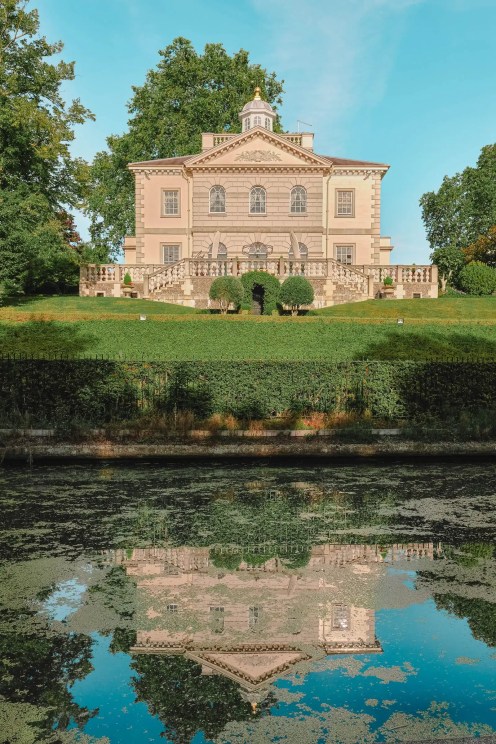
The Green Link Walk further extends London’s network of natural paths, connecting the wild expanses of Epping Forest in the north to the vibrant urban green spaces of Peckham in South London. This route deliberately weaves through a tapestry of parks, commons, and smaller green pockets, including London Fields, Burgess Park, and passing sights like the Tate Modern and St Paul’s Cathedral along the way. It offers a unique perspective on the city’s biodiversity and commitment to urban greening, allowing for long-distance, north-to-south exploration that contrasts sharply with the density of central London. The route is ideal for those seeking to immerse themselves in nature within an urban setting, showcasing the city’s surprising ecological diversity.

Art, History, and Royal Legacy Trails
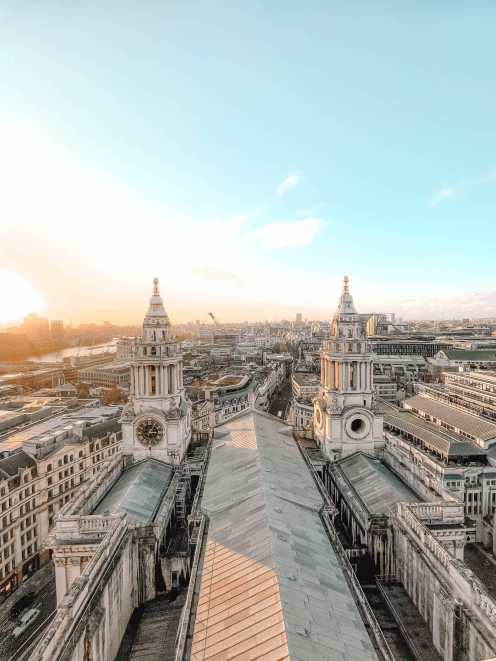
London’s walking routes also serve as conduits for cultural and historical narratives.

The Line Art Walk is a distinctive outdoor art trail located in East London, connecting Queen Elizabeth Olympic Park to the Greenwich Peninsula. Launched in 2015, this initiative transforms neglected waterways and industrial landscapes into a vibrant gallery space, featuring works by established and emerging artists. Starting in Stratford, visitors can explore the Olympic Park, including the striking ArcelorMittal Orbit (which offers a slide experience), before encountering installations like "The Hatchling," "Liberty Grip," and "A Bullet from a Shooting Star." The Line not only offers a unique cultural experience but also promotes urban regeneration and encourages exploration of lesser-known parts of East London. Its accessible PDF maps make navigation straightforward, inviting both art aficionados and casual walkers.

The Jubilee Walkway, established in 1977 to commemorate Queen Elizabeth II’s Silver Jubilee, offers a 24-kilometre loop through the heart of Central London, explicitly focusing on the city’s royal and historic landmarks. The route is easily identifiable by its distinctive pavement markers and provides a comprehensive tour of sites integral to British history and governance. Key attractions along this path include the Tower of London, the Houses of Parliament, St James’s Park, and Buckingham Palace. Designed to be explored over two to three days, the Jubilee Walkway allows for a deeper appreciation of London’s regal heritage, connecting historical narratives with the physical landscape of the city. TfL provides detailed sections of the route, making it manageable for visitors to embark on specific segments based on their interests.

Finally, the ambitious Capital Ring Walk, an extensive 126-kilometre circular route, effectively encircles London, offering a journey through its diverse outer suburbs and green spaces. Divided into 15 manageable sections, this trail provides a unique opportunity to discover parts of London often overlooked by mainstream tourism. It encompasses significant sites like the Olympic Park, the imposing Thames Barrier, and the historic Crystal Palace, providing insights into London’s broader geographical and social fabric. This route is particularly valuable for locals and repeat visitors seeking to delve beyond the central attractions and experience the varied character of London’s neighbourhoods, from ancient woodlands to modern residential areas. TfL offers detailed downloadable maps for each section, making this grand tour accessible to all.

Broader Impact and Implications

London’s extensive network of walking routes has profound implications for the city. Economically, these routes support local businesses—cafes, pubs, shops, and attractions—along their paths, drawing foot traffic and encouraging spending. Environmentally, promoting walking contributes to reducing traffic congestion and air pollution, aligning with London’s goals for sustainability. Socially, these pathways foster community engagement, offer accessible recreational opportunities for all age groups, and contribute to the mental and physical well-being of its population. The blend of historical sites, modern art, and natural beauty available through these walks reinforces London’s reputation as a dynamic, livable, and endlessly explorable city.

In conclusion, London’s diverse walking routes are more than just paths; they are invitations to experience the city’s layered history, vibrant present, and commitment to a sustainable future. Whether one chooses a short stroll through a royal park or embarks on a multi-day urban trek, the pedestrian experience in London offers an intimate and enriching encounter with one of the world’s truly great cities.