Madison, Wisconsin Poised for Transformative 2026 with Major Debuts Across Cultural, Hospitality, and Infrastructure Sectors

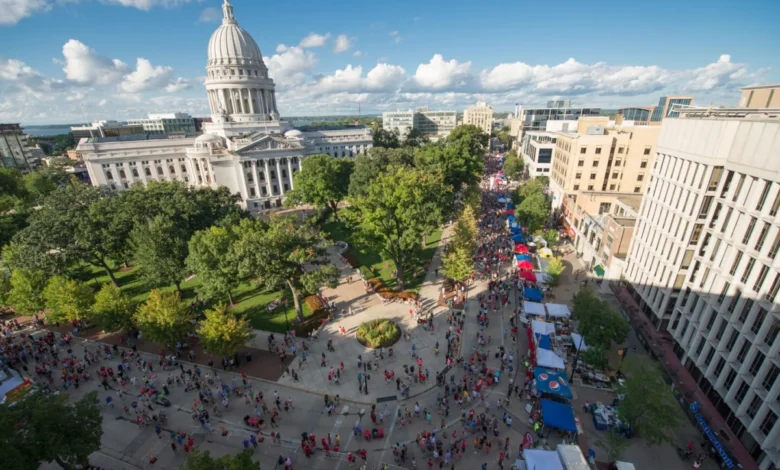
Madison, Wisconsin, is set to embark on a landmark year in 2026, marked by an unprecedented wave of new cultural institutions, innovative culinary experiences, state-of-the-art hotels, expanded recreational offerings, and enhanced air service. These developments collectively underscore the city’s burgeoning reputation as a dynamic and forward-thinking destination within the Midwest, promising to captivate both first-time visitors and long-time residents. The convergence of these projects signifies a strategic push to elevate Madison’s profile, foster economic growth, and enrich the quality of life for its diverse community.
A Renaissance in Cultural Attractions and Community Spaces
The cultural landscape of Madison is undergoing a significant transformation, with several key institutions slated for opening or redevelopment in 2026. These projects are not merely new buildings but represent strategic investments in community engagement, education, and the preservation and celebration of diverse heritage.
The long-anticipated Madison Public Market, scheduled to open in March 2026 on the city’s near-east side, stands as a cornerstone of this cultural expansion. Years in the making, this year-round indoor marketplace is designed to host dozens of local merchants specializing in food, wellness products, art, unique gifts, and more. Beyond its role as a retail hub, the Public Market is envisioned as a vital incubator and accelerator for emerging local entrepreneurs. This model, successfully implemented in cities nationwide, provides accessible, low-barrier entry points for small businesses, fostering innovation, job creation, and economic diversification within the region. Proponents highlight its potential to strengthen local supply chains, promote healthy eating, and create a vibrant community gathering space that reflects Madison’s diverse population. The market’s development aligns with broader urban planning trends that prioritize walkable communities and support for local economies, offering a stark contrast to traditional retail models by emphasizing unique, artisanal, and community-driven commerce.
May 2026 will witness the unveiling of the Center for Black Excellence and Culture, a landmark project poised to become an essential cultural anchor for the city. This institution is dedicated to celebrating Black culture through a rich tapestry of rotating exhibits, dynamic performances, community events, and educational programs. Its establishment addresses a critical need for spaces that affirm, educate, and inspire, contributing significantly to Madison’s commitment to diversity, equity, and inclusion. Stakeholders involved in its creation have emphasized its role in fostering understanding, promoting dialogue, and providing a platform for Black artists, scholars, and community leaders to share their stories and contributions. The Center is anticipated to attract both local residents and national visitors, enriching the cultural fabric of Madison and serving as a beacon of cultural pride and educational outreach. Its programming is expected to span history, contemporary art, music, literature, and social justice, making it a comprehensive resource for cultural exploration and community building.
Within the serene confines of the Lakeshore Nature Preserve, the Picnic Point Center, also known as the Frautschi Center, is slated for opening, with the exact date yet to be determined. This sustainably designed education center is a testament to Madison’s commitment to environmental stewardship and experiential learning. Featuring advanced geothermal systems and constructed with recycled materials, the center will offer immersive programming for nature enthusiasts of all ages. The project also carries a poignant note with the passing of its namesake, Madison philanthropist Jerry Frautschi, in January 2026. Frautschi, a revered figure in Madison’s philanthropic circles, leaves behind a profound legacy of cultural transformation, having supported numerous arts, education, and environmental initiatives across the city for decades. His vision and generosity have been instrumental in shaping many of Madison’s most cherished institutions, and the Picnic Point Center stands as a fitting tribute to his dedication to community and sustainability. The center is expected to serve as a vital hub for ecological research, environmental education, and public engagement with the natural beauty of the Lakeshore Nature Preserve, solidifying Madison’s role as a leader in green initiatives.
Families and children will benefit from the Imagination Center at Reindahl Park, scheduled for a September 2026 opening. This purpose-built space is designed to spark creativity and encourage hands-on learning for children and parents alike. Its development aligns with broader initiatives to provide accessible, engaging educational resources outside of traditional school settings, fostering cognitive and social development through play. Community leaders anticipate the Imagination Center will become a beloved destination, offering innovative programs that combine science, art, and technology, thereby nurturing the next generation of innovators and thinkers in a fun and interactive environment. The center is a significant investment in early childhood development and family engagement, addressing the growing need for inclusive, educational play spaces in urban areas.
The Eastmorland Community Center Redevelopment, expected to conclude in Fall 2026, represents a significant revitalization effort for a key neighborhood hub. This reimagined space will house local organizations, including Ethical Trade Co., a shop dedicated to sustainable goods, and will significantly expand opportunities for neighborhood engagement. The redevelopment reflects a commitment to fostering strong, interconnected communities by providing modern, versatile spaces for gatherings, workshops, and local commerce. The inclusion of businesses like Ethical Trade Co. also highlights Madison’s growing emphasis on ethical consumerism and support for businesses that prioritize social and environmental responsibility, further integrating community values into its urban development strategies.
Complementing these physical spaces, a unique tourism initiative, the "Play, A Play and A Stay" package, will debut in Spring 2026. This limited-time promotion is tailored for families, visitors, and theater-lovers, offering a curated arts-centered getaway. The package combines a performance by the esteemed Children’s Theater Madison ("A Play"), with a day of exploration at the award-winning Madison Children’s Museum ("Play"), culminating in an overnight stay ("A Stay") at a premiere Madison hotel. This integrated offering is designed to provide an unforgettable, immersive cultural experience, showcasing Madison’s vibrant arts scene and family-friendly attractions. Such packages are vital for boosting tourism, particularly during specific seasons, by offering convenience and value to travelers seeking comprehensive leisure options.
Expanding Hospitality and Lodging Options
Madison’s growing appeal as a destination is reflected in the expansion of its hospitality sector, with several new lodging options set to open or make their full impact in 2026. These developments cater to a diverse range of travelers, from luxury seekers to those looking for comfortable, contemporary stays.
A notable addition to the city’s upscale offerings is the Marriott Tribute Portfolio Boutique Hotel, projected to open in late 2026 on North Carroll Street. This boutique hotel brand is renowned for its independent spirit, unique design, and personalized service, promising a chic and distinctive experience for guests. Its strategic location, adjacent to the highly anticipated Wisconsin History Center, positions it as a prime choice for cultural tourists and business travelers seeking a sophisticated urban retreat. The hotel’s development is expected to inject new energy into the downtown core, complementing Madison’s existing array of accommodations and attracting a demographic that values bespoke travel experiences. Industry analysts suggest that such high-end developments not only cater to affluent travelers but also elevate the city’s overall image as a premium destination for conferences, events, and leisure.
Further afield, in the charming Swiss-heritage village of New Glarus, the New Glarus Hotel is undergoing a meticulous restoration, with its reopening anticipated in 2026. This 175-year-old historic property is being transformed into an intimate inn featuring eight unique, inn-style rooms. The project honors the village’s rich history and architectural heritage while providing modern comforts, offering visitors an authentic and immersive experience in one of Wisconsin’s most unique cultural enclaves. The restoration of such a historic landmark is crucial for preserving local identity and drawing tourists interested in heritage tourism, contributing significantly to the regional economy of Green County.
Adding to the city’s robust lodging capacity, the Spark by Hilton Madison Central, which opened in late 2025, will be fully operational and shining into 2026. This stylish hotel offers 140 rooms, blending comfort, convenience, and contemporary design. It provides a reliable and accessible option for a wide range of travelers, from business delegates to families, further solidifying Madison’s ability to accommodate increased visitor numbers stemming from the city’s other new attractions and events. The consistent growth in hotel inventory reflects a confident outlook on Madison’s tourism and convention industry, signaling sustained demand for overnight stays.
Madison’s Evolving Culinary Scene
Madison’s culinary landscape continues its ascent, gaining national recognition and expanding with global inspirations, innovative concepts, and the growth of locally beloved establishments. The city has consistently garnered attention from the James Beard Award Foundation, a prestigious acknowledgment of culinary excellence, bringing its total tally to an impressive 47 nominations. This sustained recognition highlights the depth and diversity of Madison’s dining options, from farm-to-table restaurants leveraging Wisconsin’s agricultural bounty to establishments introducing international flavors.
The influx of new cultural institutions and hotels in 2026 is expected to further catalyze this growth, encouraging the emergence of new dining concepts. While specific new restaurants were not detailed in the original brief, the pattern of urban development suggests that new dining experiences often co-locate with cultural and hospitality hubs. These new establishments are likely to build upon Madison’s existing strengths, which include a strong emphasis on locally sourced ingredients, craft beverages, and a vibrant community of independent chefs. The city’s culinary scene benefits from its proximity to rich agricultural lands, allowing chefs to integrate seasonal, fresh produce and dairy into their menus, appealing to a growing consumer demand for sustainable and locally-produced food. The expansion of diverse culinary offerings also reflects Madison’s increasingly cosmopolitan demographic and its openness to global cuisines, from authentic ethnic eateries to fusion concepts that blend traditional flavors with modern techniques. This ongoing evolution ensures that Madison remains a compelling destination for food enthusiasts and a vital component of its overall appeal.
Sports, Wellness, and Recreation Enhancements
While specific new projects in sports, wellness, and recreation were not detailed, Madison’s inherent strengths in these areas will continue to be a major draw in 2026. The city is renowned for its extensive network of lakes, parks, and trails, offering year-round opportunities for outdoor activities such as kayaking, paddleboarding, cycling, hiking, and ice skating. The University of Wisconsin-Madison, a cornerstone of the community, hosts a wide array of NCAA Division I athletic events that attract thousands of spectators annually, contributing significantly to the city’s vibrant atmosphere.
The new cultural and community centers, particularly the Picnic Point Center and the Imagination Center, implicitly support wellness and recreation by providing spaces for active learning and engagement with nature. Furthermore, the general increase in tourism and residential populations often spurs growth in ancillary recreational services, such as specialized fitness studios, outdoor gear retailers, and organized recreational events. Madison’s commitment to urban green spaces and accessible outdoor activities enhances the quality of life for residents and provides attractive options for visitors seeking active and healthy travel experiences. The integration of nature into the urban fabric, as exemplified by projects like the Picnic Point Center, reinforces Madison’s identity as a city that values both cultural enrichment and environmental well-being.
2026 Events: A Calendar of Milestones and Favorites
The year 2026 is poised to be an exciting one for Madison’s event calendar, with many of the city’s most beloved festivals returning, alongside significant milestone anniversaries and seasonal favorites. While specific event details were not provided, Madison’s annual roster typically includes major attractions such as the Art Fair on the Square, Taste of Madison, Madison Jazz Festival, and numerous farmers’ markets, particularly the renowned Dane County Farmers’ Market, which is the largest producer-only farmers’ market in the nation. These events draw hundreds of thousands of visitors annually, celebrating local art, music, food, and community spirit.
Milestone anniversaries in 2026 for various organizations and institutions across Madison will likely bring special celebrations and expanded programming. These anniversaries often provide opportunities for deeper historical reflection, community engagement, and increased tourism, as organizations host unique events to commemorate their legacies. The robust schedule of events ensures that Madison offers engaging activities throughout the year, appealing to a wide range of interests and further enhancing the visitor experience. These events are crucial for animating public spaces, fostering community cohesion, and generating significant economic activity through increased visitor spending on lodging, dining, and retail.
Enhanced Accessibility: New Flight Options
Making Madison even more accessible for travelers, particularly from the East Coast, Dane County Regional Airport (MSN) is introducing significant new flight options starting in spring 2026. In May, Breeze Airways will launch new nonstop service from Raleigh, North Carolina, to Madison. This will be followed in June by new nonstop service from Boston, Massachusetts, to MSN, offered by both Delta Air Lines and American Airlines.
These expanded air services are a critical development for Madison’s tourism and business sectors. Raleigh and Boston represent key East Coast markets, and direct flights will significantly reduce travel time and inconvenience for visitors and business professionals. Increased accessibility is a direct catalyst for boosting convention attendance, leisure travel, and corporate investment in the region. Dane County Regional Airport has been strategically working to expand its route network, recognizing the importance of direct air links for economic development. The addition of these routes not only benefits incoming travelers but also offers Madison residents more convenient options for outbound travel, strengthening the airport’s role as a vital regional hub. The competition between Delta and American on the Boston route also suggests a strong market demand, potentially leading to competitive pricing and greater availability for travelers. These new routes are a clear indicator of Madison’s growing prominence on the national stage, making it easier than ever for people to experience its vibrant offerings.
Broader Implications and Economic Impact
The cumulative effect of Madison’s developments in 2026 is projected to have a profound and lasting impact on the city’s economy and overall appeal. The new cultural institutions, such as the Madison Public Market and the Center for Black Excellence and Culture, are not just cultural assets but economic engines, creating jobs, attracting visitors, and stimulating local commerce. Cultural tourism is a significant sector, with visitors often staying longer and spending more, contributing to increased tax revenues for the city and state. The Center for Black Excellence, in particular, will serve as a powerful draw for those interested in Black history and contemporary culture, diversifying Madison’s visitor demographic.
The expansion of the hospitality sector, with new hotels like the Marriott Tribute Portfolio and the revitalized New Glarus Hotel, directly supports the growing tourism industry by providing increased lodging capacity and variety. This capacity is essential for accommodating the anticipated surge in visitors drawn by the new attractions and enhanced accessibility. New hotel developments also create jobs in construction, hospitality, and related service industries.
The expanded air service from key East Coast cities is a game-changer for Madison’s connectivity, lowering barriers to travel for both leisure and business. Improved air links facilitate corporate relocation, foster academic collaborations with the University of Wisconsin-Madison, and enhance the city’s appeal as a location for conferences and events. The ease of access can lead to a sustained increase in visitor numbers, driving economic activity across multiple sectors.
Overall, 2026 is poised to be a landmark year for Madison, solidifying its position as a vibrant, inclusive, and economically robust city. These strategic investments in culture, hospitality, recreation, and infrastructure collectively enhance the quality of life for residents and strengthen Madison’s reputation as a premier destination in the Midwest. The city’s proactive approach to development, balancing economic growth with community enrichment and sustainability, sets a precedent for urban progress. Travelers and prospective residents are encouraged to explore the multitude of new opportunities and plan their visit now at VisitMadison.com.
Related posts: