Exploring Valencia With Kids A Deep Dive Into The Mediterranean Hub Of Slow Travel And Family-Centric Urban Design

Valencia, Spain’s third-largest city, has emerged as a premier destination for families seeking an alternative to the high-intensity sightseeing often associated with European capitals. Unlike the frantic pace of Madrid or the dense tourist corridors of Barcelona, Valencia offers a topographical and cultural layout that prioritizes "slow travel"—a philosophy centered on immersion, sustainability, and the well-being of both residents and visitors. As the city celebrates its recent recognition as the European Green Capital for 2024, urban planners and travel experts are pointing to its unique infrastructure as a blueprint for family-friendly tourism.
The city’s appeal lies in its ability to integrate the daily lives of its citizens with the needs of visitors. In Valencia, children are not merely tolerated in public spaces; they are central to the social fabric. From the sprawling Turia Gardens to the wide, accessible beaches of the Mediterranean coast, the city provides a low-stress environment where the boundaries between "doing" and "being" are intentionally blurred.
Historical Evolution: From Riverbed to Urban Oasis
To understand Valencia’s current success as a family destination, one must look at its historical transformation, specifically the events following the Great Flood of Valencia in October 1957. After the Turia River overflowed, causing catastrophic damage, the Spanish government opted for a massive engineering project to divert the river south of the city.
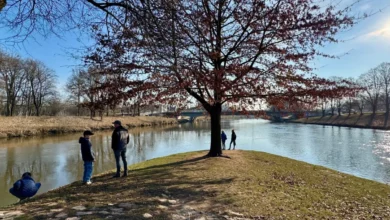
The original plan for the dry riverbed was to build a multi-lane highway. However, a grassroots movement known as "El llit del Túria és nostre i el volem verd" (The Turia bed is ours and we want it green) successfully lobbied for the space to be turned into a public park. Inaugurated in 1986, the Turia Gardens now stretch nine kilometers, creating a continuous green ribbon that connects the city’s western reaches to the Mediterranean Sea. This decision is widely regarded as the single most important factor in Valencia’s high quality of life for families today.
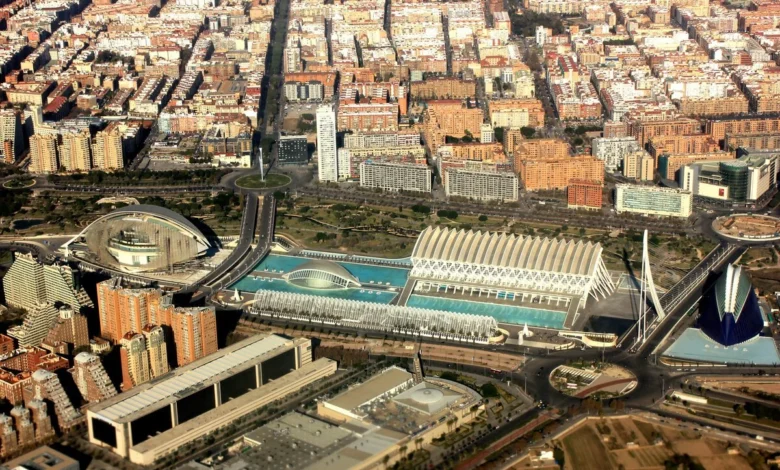
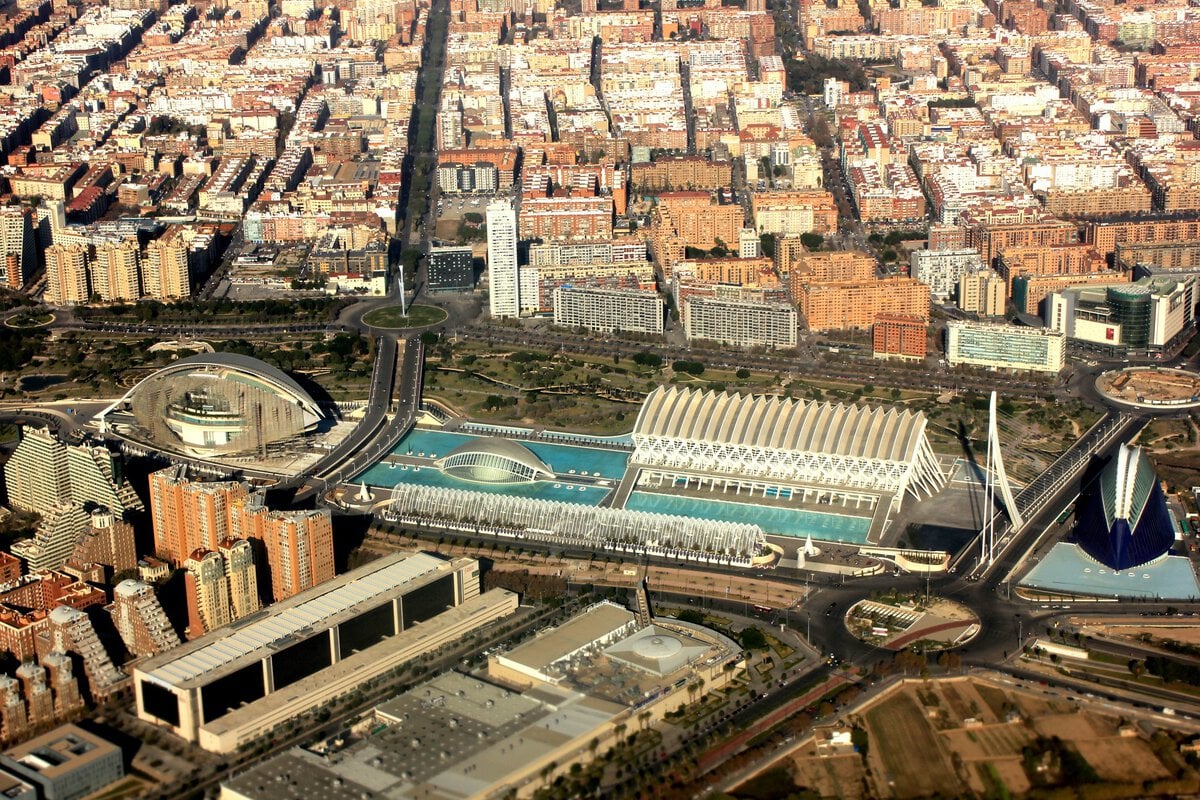
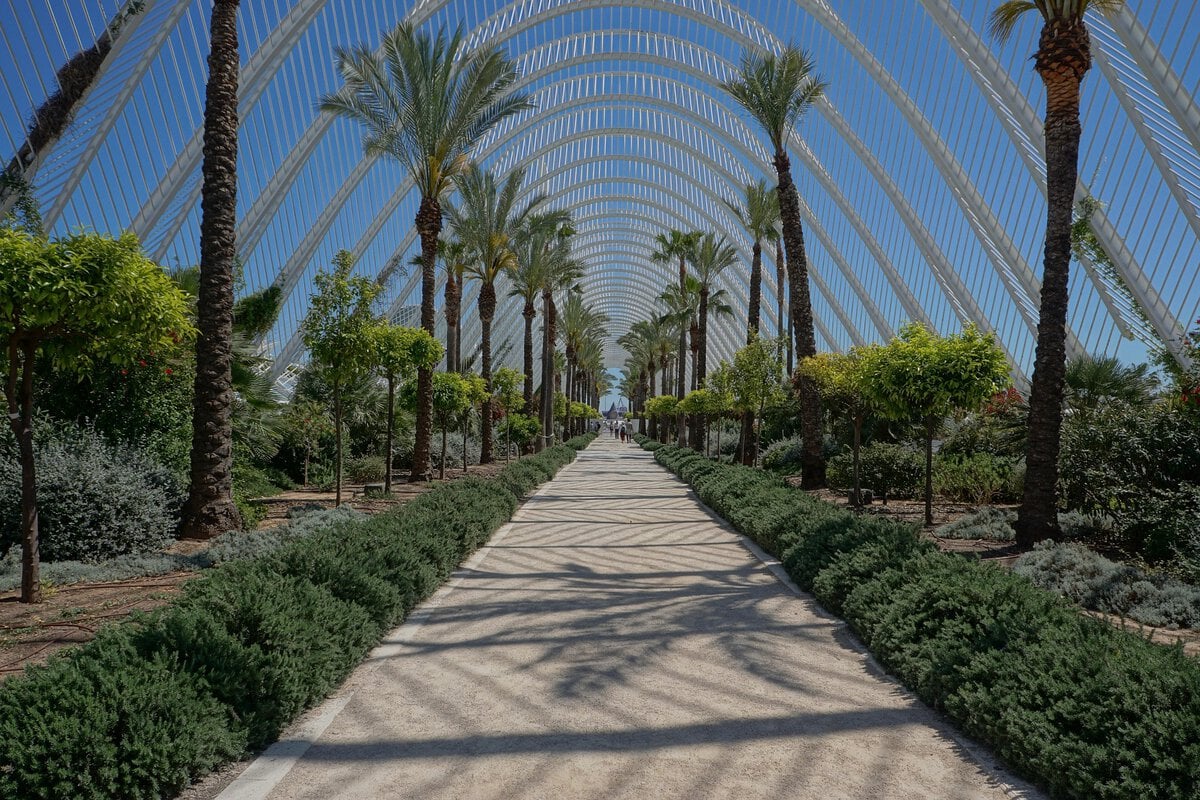
The chronology of Valencia’s development continued into the late 1990s and early 2000s with the construction of the City of Arts and Sciences (Ciudad de las Artes y las Ciencias). Designed by Santiago Calatrava and Félix Candela, this futuristic complex provided a cultural and scientific counterpoint to the city’s historic center, effectively creating two distinct poles of attraction linked by the Turia Gardens.
Supporting Data: Safety, Climate, and Accessibility
Recent data underscores Valencia’s status as a top-tier family destination. According to the 2023 Expat City Ranking by InterNations, Valencia has consistently ranked in the top five globally for quality of urban living, with specific praise for its safety and ease of settling in.
Key statistical indicators include:
- Climate: With an average of 300 days of sunshine per year and a mean annual temperature of 19°C (66°F), the city allows for year-round outdoor play.
- Green Space: Valencia boasts over 5 million square meters of green space. The Turia Gardens alone receive an estimated 7 million visitors annually.
- Safety Index: Valencia maintains a high safety index (74.52 according to Numbeo), making it one of the safest large cities in Europe for families traveling with young children.
- Walkability: The city center is largely pedestrianized, and the lack of significant elevation changes makes it exceptionally stroller-friendly.
The Infrastructure of Leisure: Key Family Hubs
The Turia Gardens and Gulliver Park
The Turia Gardens serve as the city’s "green lung" and its primary playground. For families, the highlight is often Gulliver Park, a massive playground based on Jonathan Swift’s Gulliver’s Travels. The structure features a giant, reclining Gulliver whose clothes and limbs form slides, ramps, and climbing walls. This facility, which underwent an extensive €1 million renovation in 2022, exemplifies the city’s commitment to imaginative, free-to-access public play spaces.
The City of Arts and Sciences
At the eastern end of the Turia Gardens lies the City of Arts and Sciences. For families, the standout attractions are the Museu de les Ciències, an interactive science museum where the motto is "forbidden not to touch," and the Oceanogràfic. As the largest aquarium in Europe, the Oceanogràfic houses 45,000 animals across 500 different species, providing an educational anchor for a family itinerary.
Mediterranean Accessibility: Malvarrosa and Patacona
Valencia’s coastline is distinct from many other Mediterranean cities due to its sheer scale. The beaches of Malvarrosa and Patacona are wide, flat, and equipped with modern amenities, including specialized walkways for strollers and wheelchairs. The proximity of these beaches to the city center—accessible via a 15-minute tram ride—allows families to integrate seaside visits into their daily routine without the logistical hurdles of a day-long excursion.
Cultural Integration and the "Slow" Philosophy
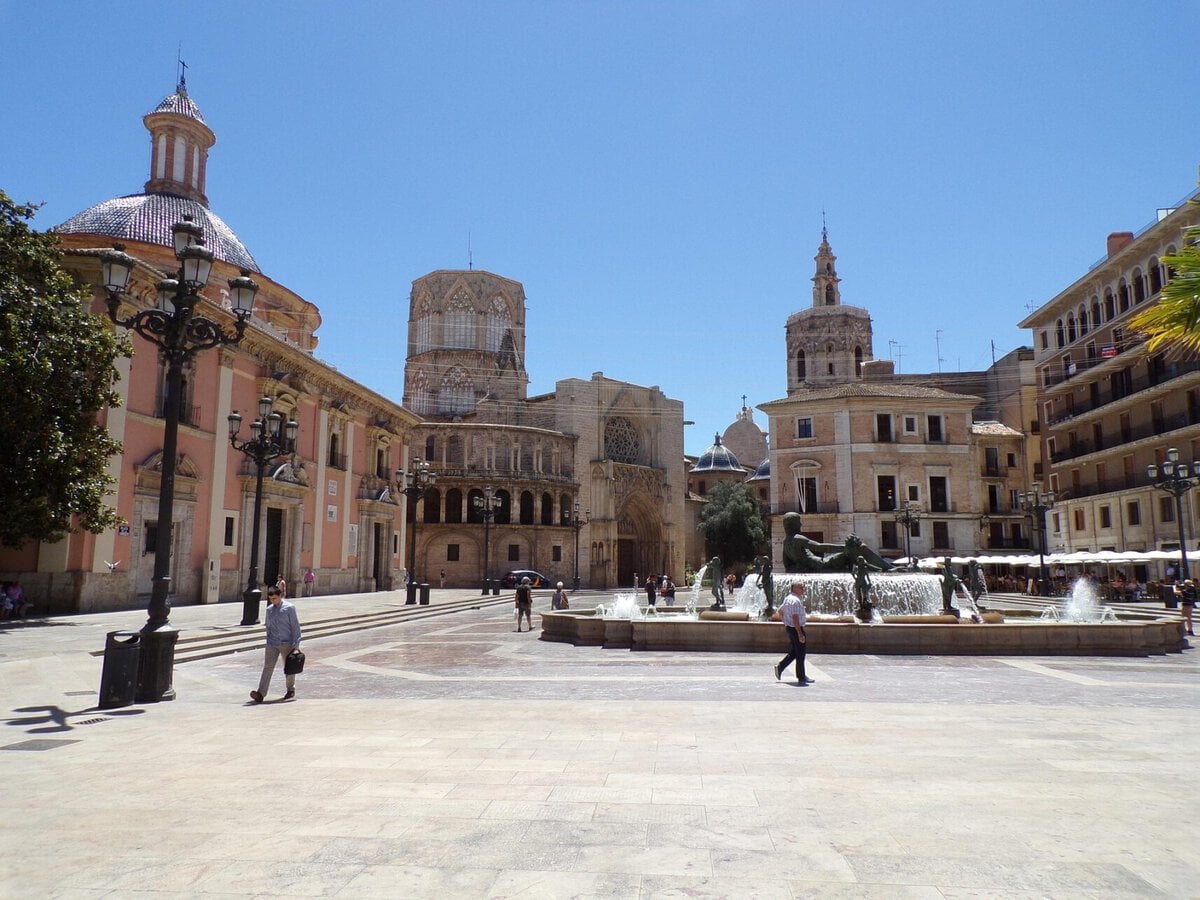
A significant factor in the "Valencia experience" is the local culture’s attitude toward children. In Spain, social life often extends late into the evening, and it is common to see three generations of a family dining together at a plaza terrace at 9:00 PM. This visibility reduces the "parental performance anxiety" often felt by travelers in more restrictive environments.
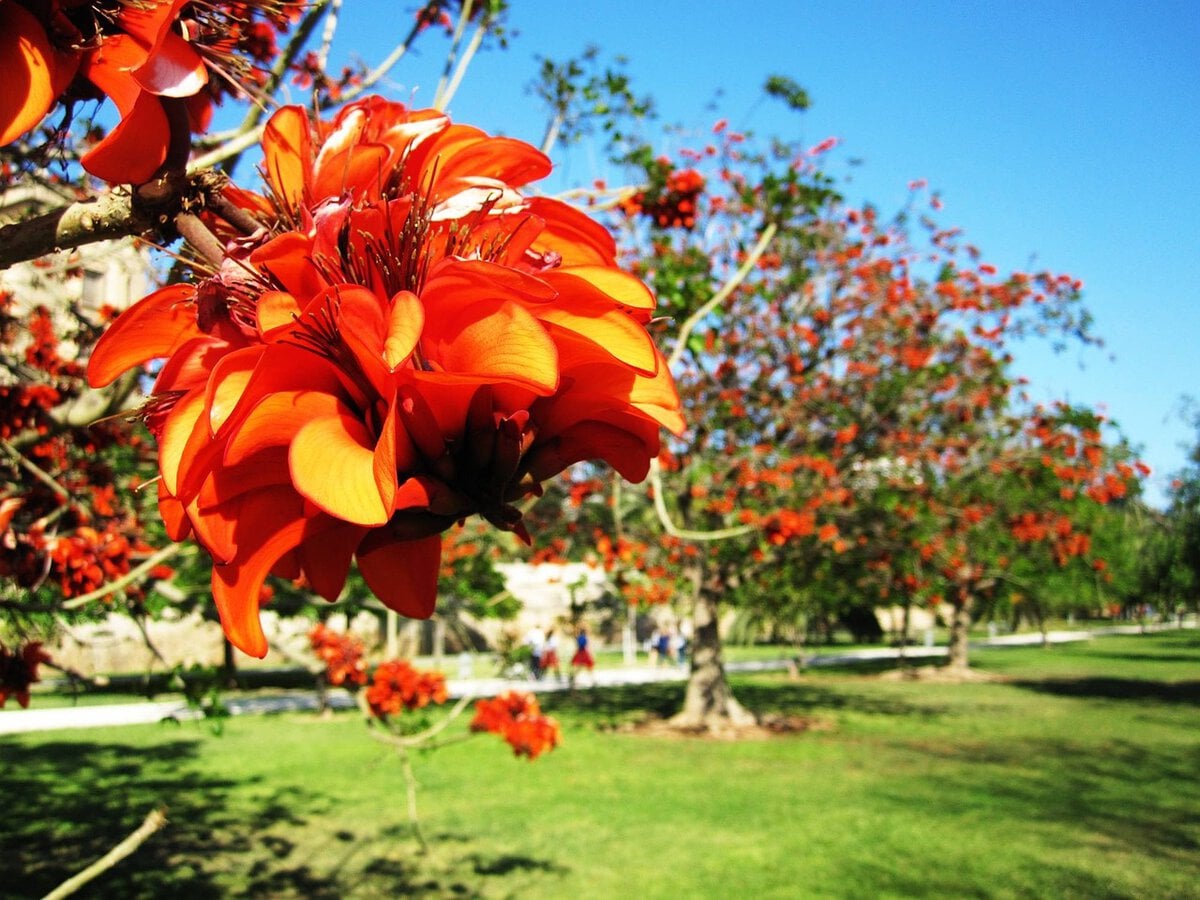
"The city is designed for a rhythm that respects human needs over commercial speed," notes one local urban sociologist. "When you have a park that runs through the entire city, you don’t have to plan for ‘downtime’—the downtime is the journey itself."
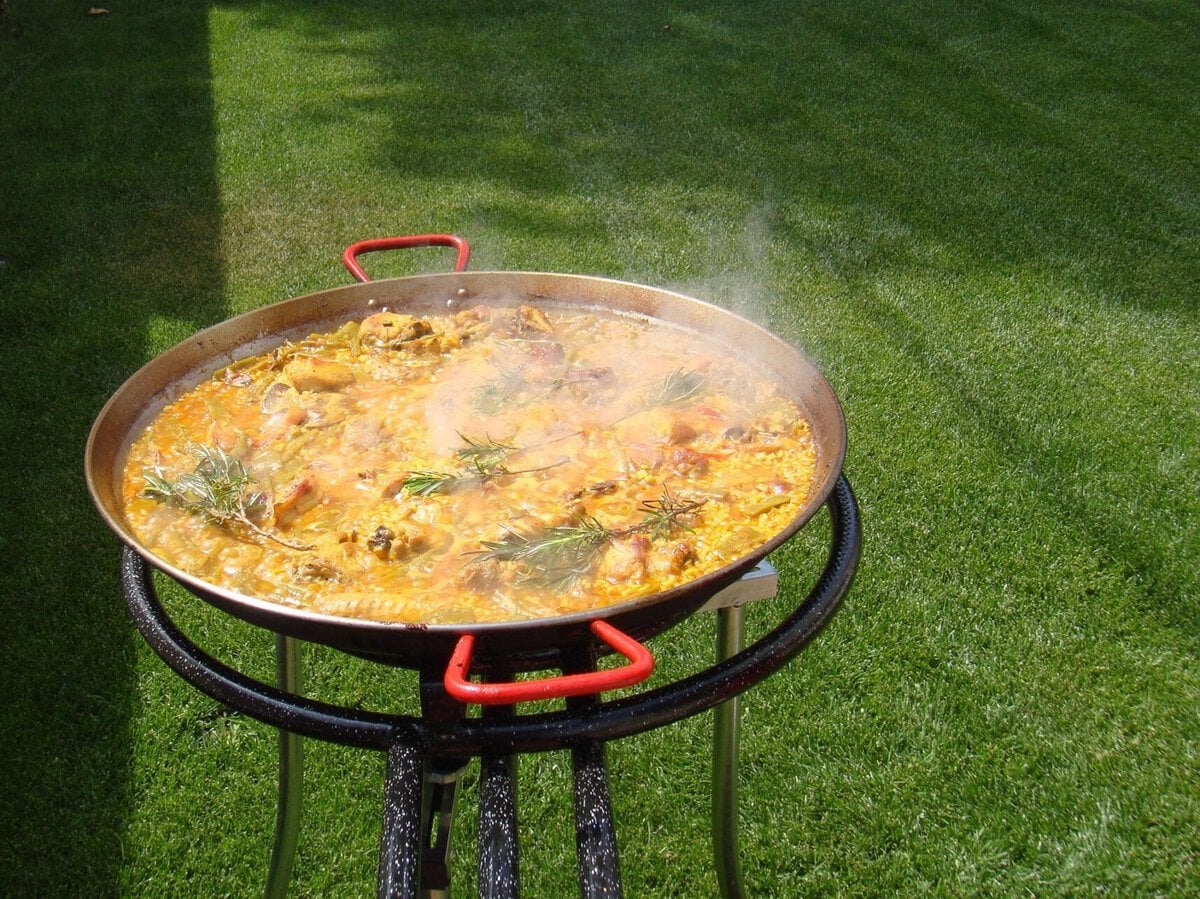
This cultural hospitality extends to the culinary scene. Valencia is the birthplace of paella, a dish designed for communal sharing. Many restaurants in the city, particularly those in the Albufera region or along the beach, specialize in "Arroz a banda" or traditional Paella Valenciana, served in large pans that encourage a slow, shared family meal.
Economic and Tourism Impact: The Shift Toward Sustainability
Valencia’s focus on family-centric, slow tourism is part of a broader economic strategy. By positioning itself as a "Green Capital," the city is attracting a demographic of travelers who stay longer and spend more sustainably. In 2023, the city saw a record-breaking year for tourism, with over 2.2 million overnight stays, yet the municipal government has remained focused on preventing the "over-tourism" issues seen in other Spanish hubs.
The implementation of more bike lanes—now totaling over 160 kilometers—and the expansion of the "Valencia on Foot" program have encouraged visitors to forgo rental cars. For families, this translates to lower costs and a safer environment for children to explore.
Professional Perspectives on Family Travel
Travel consultants specializing in European destinations often cite Valencia as the "perfect starter city" for families. "Many parents are intimidated by the logistics of European travel," says a destination specialist. "Valencia removes those barriers. You don’t need a car, the language is accessible, and the infrastructure—from the pharmacies to the playgrounds—is world-class."
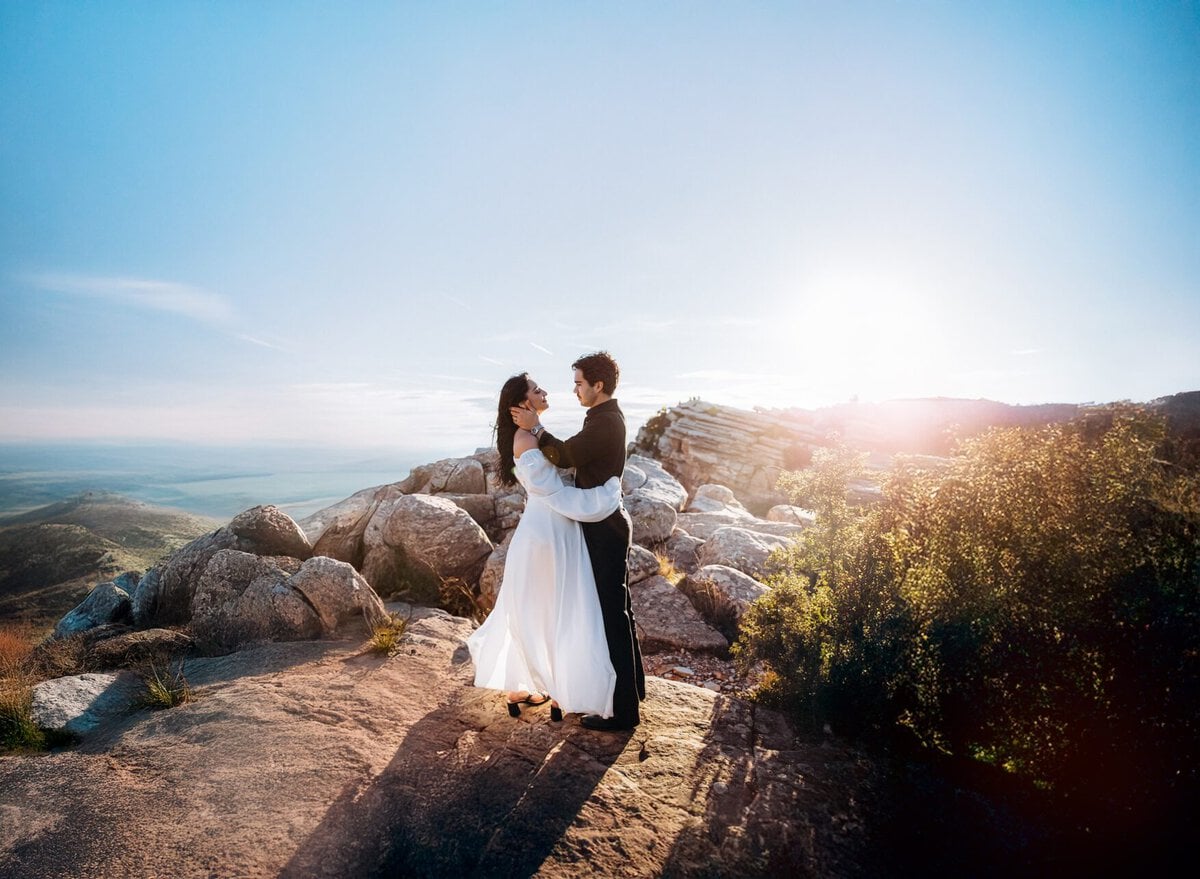
Furthermore, the city’s versatility makes it a preferred choice for multi-generational travel. The flat terrain is as beneficial for grandparents with mobility concerns as it is for toddlers in strollers. This demographic versatility is a key reason why Valencia has become a popular site for destination weddings and large family reunions.
Broader Implications for Urban Planning
Valencia’s success offers a compelling case study for other metropolitan areas. It demonstrates that prioritizing green space and pedestrian infrastructure is not just an environmental necessity but a powerful economic driver for tourism. By focusing on the "slow" experience, Valencia has created a resilient tourism model that survives on quality of life rather than the volume of attractions.
As the city moves forward, projects like the "Parque de Desembocadura"—which will complete the final section of the Turia Gardens to the sea—signal a continued commitment to this vision. For families, this means the city will only become more interconnected and accessible in the years to come.
Conclusion: The Future of the Valencian Model
Valencia stands as a testament to the idea that a city can be both a modern economic hub and a sanctuary for family life. For the visiting family, the "sights" of Valencia are often found in the unplanned moments: a child befriending a local peer at a plaza fountain, a slow bike ride under the shade of the Turia’s carob trees, or a late-afternoon horchata in a sun-drenched square.
By rejecting the "ticking off sights" approach to travel, families in Valencia find something more valuable: the space to move at their own pace. As urban centers worldwide grapple with the challenges of sustainability and livability, Valencia’s blend of historical preservation, forward-thinking urbanism, and deep-seated family values provides a clear and inviting path forward. For those traveling with children, the city is not just a place to visit, but a place to breathe.