How Bangladesh’s Women-Led Climate Revolution is Transforming Communities

The Geographic and Socio-Economic Context of Vulnerability
Bangladesh remains one of the most climate-vulnerable countries in the world, positioned at the confluence of several major rivers and possessing a vast, low-lying coastline. According to the World Bank, by 2050, more than 13 million people in Bangladesh could be internally displaced due to climate change impacts. The country faces a dual threat: the encroaching salinity of its groundwater in the south and the devastating seasonal monsoons that trigger catastrophic flooding in the north and east.
Historically, these environmental disasters have disproportionately affected women, who often face limited access to resources, restricted mobility, and exclusion from decision-making processes. However, the current "Women-Led Climate Revolution" is dismantling these traditional barriers. By integrating local knowledge with modern technology, women are spearheading initiatives that address the most critical needs of their communities: clean water, renewable energy, and food security.
A Chronology of Innovation: From Portable Filters to Solar Villages
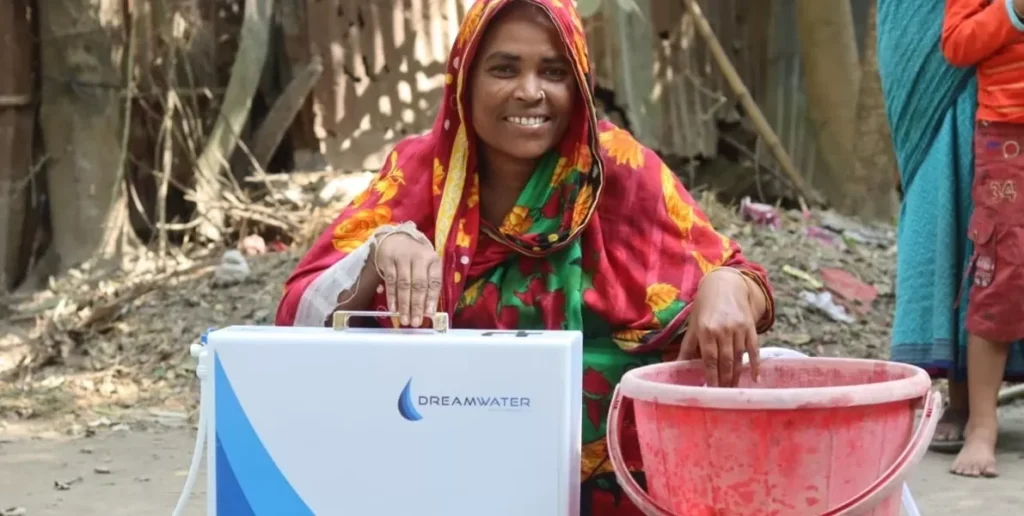
The trajectory of climate adaptation in Bangladesh has evolved significantly over the last decade. A pivotal moment occurred in 2013 with the founding of Footsteps Bangladesh, an NGO dedicated to addressing water scarcity in monsoon-afflicted regions. Under the leadership of figures like Adhuri Begum, the organization introduced the "Dreamwater" model. This portable filtration system uses nanosilver technology to remove 99.99% of waterborne contaminants. For communities where floodwaters frequently overwhelm traditional wells, the Dreamwater system transforms a hazard into a life-sustaining resource. To date, the program has trained over 800 women, providing them with the tools to manage water safety and elevating their social status as vital service providers.
Parallel to the advancements in water management, the push for energy independence has seen remarkable growth. Runa Khan, the founder and CEO of the NGO Friendship, has been instrumental in bringing renewable energy to the "chars"—the shifting river islands that are home to some of the country’s most marginalized populations. These areas are often disconnected from the national power grid and rely on expensive, polluting kerosene.
Friendship’s solar village initiative, supported by over £1 million in international funding, has installed solar home systems in over 3,500 residences. These systems, ranging from 20-watt to 85-watt capacities, provide lighting and power for communication, allowing for evening education and expanded economic activity. The project has not only impacted 7.5 million citizens but has also focused on environmental conservation, such as mangrove reforestation, which acts as a natural buffer against storm surges.
The LoGIC Project and Climate-Smart Agriculture
The institutionalization of these efforts is perhaps best seen in the Local Government Initiatives on Climate Change (LoGIC). This massive collaborative effort involves the European Union, the United Nations Development Programme (UNDP), and the Government of Bangladesh. The project targets the most vulnerable households, specifically focusing on women who lack arable land.
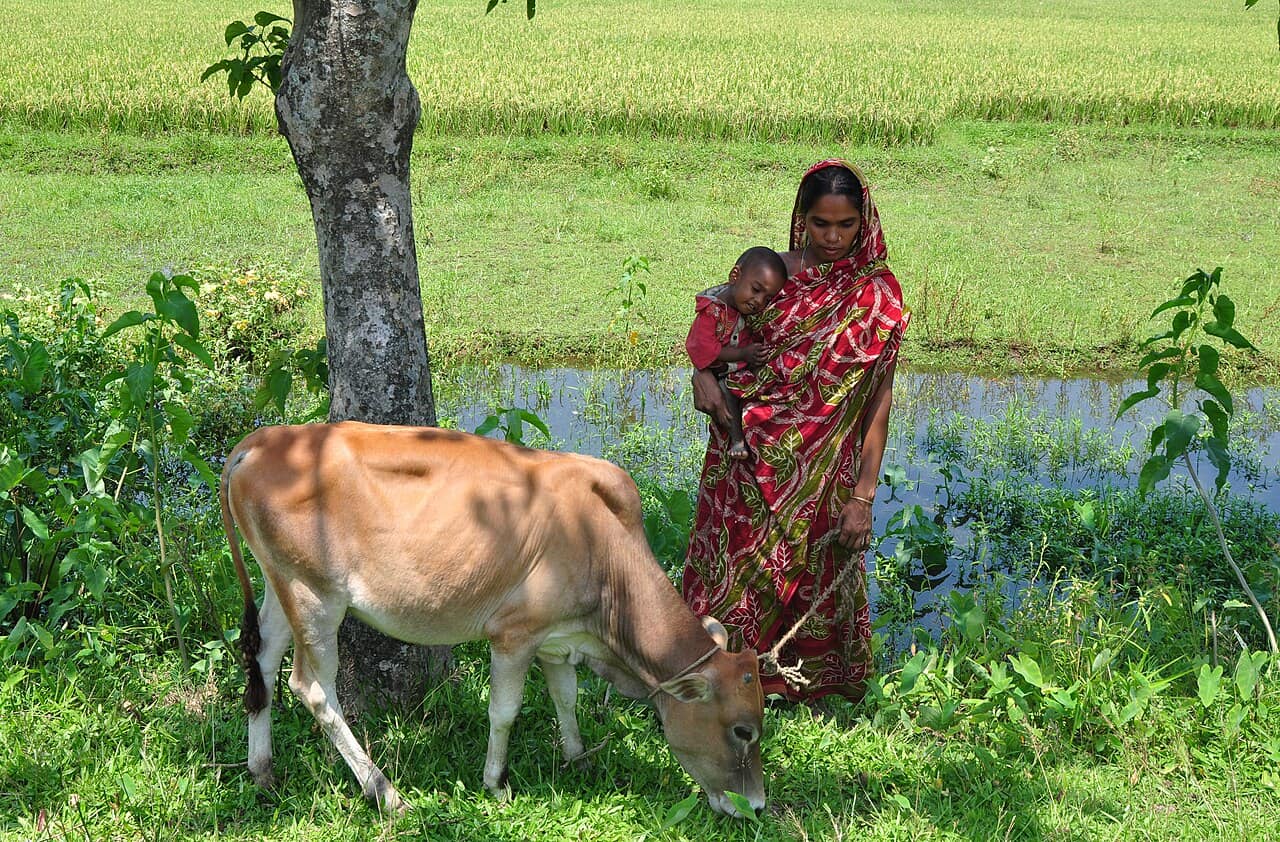
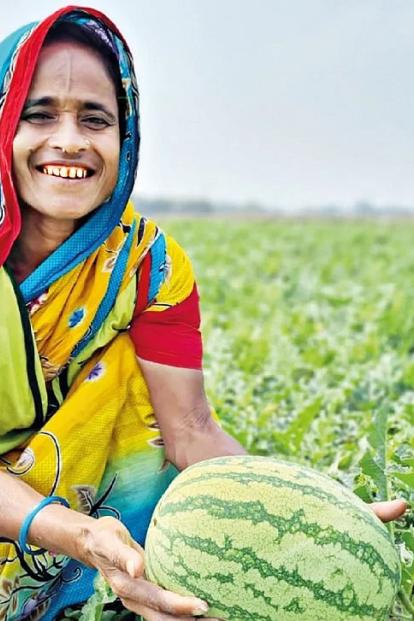
In the coastal village of Ashabaria, Salma Begum, a mother of three, faced the annual destruction of her crops due to salinity and flooding. Through the LoGIC project and the Climate Resilience Fund (CRF), Salma and a cooperative of seven other women were provided with grants and technical training. They transitioned to climate-tolerant crops and sustainable agricultural practices, such as permaculture and the cultivation of salt-resistant rice varieties.
The LoGIC model operates on the principle of "collective security," where assets and knowledge are pooled to mitigate individual risk. Estimates suggest that these cooperatives have supported approximately 35,000 women across Bangladesh, equipping them with the mobilization techniques necessary to influence local government budget allocations for climate-resilient infrastructure.

Institutional Support and the Role of PKSF
The scaling of these grassroots initiatives is facilitated by the Palli Karma-Sahayak Foundation (PKSF), a flagship financial institution in Bangladesh. As a Direct Access Entity for the Green Climate Fund (GCF), PKSF ensures that international climate finance reaches the community level without being diverted by excessive administrative layers.
One of PKSF’s most recent endeavors is the GREEN (Growth for Climate Resilient and Environmental Entrepreneurship and Nutrition) project. Slated for a six-year rollout in the Haor wetlands, this initiative aims to support smallholders and micro-enterprises. The project emphasizes the importance of biodiversity and chemical-free farming. During recent policy discussions, Farida Akhter, a Fisheries and Livestock adviser, emphasized the need to integrate pesticide-related concerns into national policies to protect indigenous fish species—a critical protein source for the rural poor.
Dr. Nomita Halder, Managing Director of PKSF, has been a vocal advocate for keeping financial decision-making within the hands of local organizations. By doing so, the foundation ensures that projects are culturally appropriate and sustainable in the long term.
Analysis of Socio-Economic Implications and Gender Equality
The shift toward women-led climate action has profound implications for gender equality in Bangladesh. By becoming the primary operators of solar grids, water filtration systems, and climate-smart farms, women are gaining financial independence. This economic agency often translates into reduced rates of domestic violence and increased investment in children’s education and healthcare.
Furthermore, the formation of networks like SheRAA (Women’s Climate Resilience and Adaptation Alliance) provides a platform for women to engage in "educational justice." Shaheen Anam, Executive Director of Manusher Jonno Foundation, notes that while women are the most effective teachers of adaptation, they remain underrepresented in high-level policy negotiations. SheRAA aims to bridge this gap by documenting the successes of women-led projects and presenting them as viable models for national and international climate strategy.
The success of these models is rooted in a "meta-narrative" of resilience that combines traditional ecological knowledge with modern technological applications. For example, the revival of "Baira" or floating gardens—an indigenous practice of growing vegetables on rafts of water hyacinth—is being scaled up with modern agricultural science to provide food during prolonged flood seasons.
Broader Impact and Global Lessons
The Bangladeshi model of women-led climate revolution offers several critical lessons for the global community. First, it demonstrates that climate adaptation is most effective when it is decentralized and community-led. Second, it highlights the "multiplier effect" of investing in women; a single woman trained in climate-smart agriculture can influence an entire village’s food security.
International observers and policymakers are increasingly looking to Bangladesh as a laboratory for climate resilience. The ability of these women to create significant impact with relatively modest resources challenges the notion that climate adaptation requires only massive infrastructure projects like sea walls or dams. Instead, the Bangladeshi experience suggests that "soft" infrastructure—education, cooperative funding, and local leadership—is equally vital.
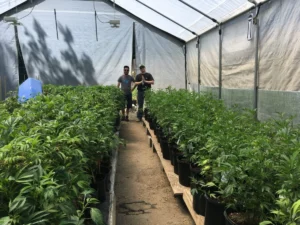
As Lovely Begum continues to share her expertise on quinoa cultivation and Runa Khan expands her solar villages, the message to the world is clear: those most affected by the climate crisis are often the best equipped to solve it. The transformation of Bangladesh’s communities from sites of disaster to hubs of innovation is a testament to the power of agency in the face of environmental upheaval. By supporting these frameworks, international investors and governments can foster a more equitable and resilient future, not just for Bangladesh, but for all nations grappling with the realities of a changing planet.