The landscape of international tourism has undergone a significant transformation in the post-pandemic era, with Europe remaining the primary destination for global travelers. As international arrivals across the continent surged toward record-breaking levels in 2023 and 2024, the complexities of navigating diverse legal, medical, and digital environments have become increasingly pronounced for first-time visitors. While Europe is statistically one of the safest regions globally, the sheer volume of tourism has necessitated a more sophisticated approach to personal safety and risk management. For the uninitiated traveler, the transition from domestic comfort to European exploration involves more than just cultural adjustment; it requires a proactive strategy to mitigate financial, digital, and physical risks. Industry experts and travel security analysts emphasize that a successful journey is predicated on four foundational pillars: comprehensive insurance, digital fortification, document redundancy, and situational awareness.
The Financial Foundation: Comprehensive Travel Insurance
The primary concern for any international traveler should be the establishment of a robust financial safety net. According to data from the European Travel Commission (ETC), the cost of emergency medical services for non-residents can be prohibitively expensive, often exceeding the total cost of the trip itself. While European citizens benefit from reciprocal healthcare agreements, visitors from North America, Asia, and other regions are subject to private billing. A standard emergency room visit in a major capital like Paris or Zurich can range from several hundred to several thousand euros, depending on the diagnostic requirements.

Professional travel analysts recommend that insurance policies be secured immediately following the booking of flights. This "early-purchase" strategy is not merely a matter of organization; many high-tier policies offer "Cancel For Any Reason" (CFAR) upgrades only if the policy is initiated within 14 to 21 days of the initial trip deposit. Beyond medical coverage, a modern policy must account for the logistical volatility of contemporary travel. In 2023, flight delays and baggage loss reached significant levels across major hubs such as London Heathrow and Frankfurt. A comprehensive plan provides "interruption coverage," which reimburses travelers for non-refundable expenses when unforeseen events—ranging from strikes to severe weather—derail planned itineraries. Furthermore, "Medical Evacuation" coverage is essential for those planning to visit remote areas, such as the Scottish Highlands or the Greek Islands, where local facilities may not be equipped for complex emergencies.
Digital Fortification: Cybersecurity in a Connected Continent
As the travel experience becomes increasingly digitized, the smartphone has evolved into a traveler’s most critical tool and most significant vulnerability. Modern itineraries rely on digital boarding passes, banking applications, and GPS navigation, all of which require frequent internet access. However, the prevalence of open, unsecured Wi-Fi networks in European airports, train stations, and public plazas presents a significant security risk. Cybersecurity experts warn that "Man-in-the-Middle" (MitM) attacks—where a third party intercepts communication between a device and a router—are a common method for harvesting sensitive credentials and financial data.
To counter these threats, the implementation of a Virtual Private Network (VPN) is no longer considered optional for the security-conscious traveler. A VPN encrypts data transmission, ensuring that even if a network is compromised, the information remains unreadable to hackers. This is particularly vital when accessing banking portals or entering credit card information for museum bookings. In addition to encryption, physical device security is paramount. The Metropolitan Police in London and the Mossos d’Esquadra in Barcelona have frequently issued warnings regarding "snatch-and-grab" thefts, where high-end smartphones are taken directly from the hands of users in crowded areas. Utilizing biometric locks, such as fingerprint or facial recognition, combined with complex alphanumeric passcodes, ensures that a stolen device does not lead to a compromised identity. Cloud-based backups should be performed daily to ensure that even if the hardware is lost, the irreplaceable data—such as travel documents and photographs—remains accessible.
Document Logistics: Redundancy and Storage Protocols
The management of identification documents is a critical operational component of European travel. Passports, visas, and national IDs are the "keys to the continent," and their loss can result in significant bureaucratic hurdles and the immediate cessation of travel. Travel security protocols suggest a "split-and-duplicate" strategy. Travelers are advised to carry a physical photocopy of their passport and any necessary visas in a separate location from the originals, such as a hidden pocket in a suitcase or a hotel safe. Simultaneously, digital copies should be stored in an encrypted cloud drive or a secure email folder.
A common error among first-time travelers is the tendency to carry all identification and financial instruments at all times. Security experts advocate for a "Daily Carry" vs. "Secure Storage" approach. The primary passport should ideally remain in a secure hotel safe or a locked suitcase, while the traveler carries a government-issued ID or a high-quality photocopy for daily movement. This limits the potential impact of pickpocketing. In the event of document loss, the chronology of recovery is grueling: a police report must be filed, followed by an appointment at the nearest embassy or consulate to obtain an emergency travel document. This process can take several days and cost hundreds of dollars in fees and lost prepaid bookings. By maintaining digital and physical backups, the traveler can significantly expedite this administrative recovery.
Situational Awareness: Navigating Social Dynamics and Urban Scams
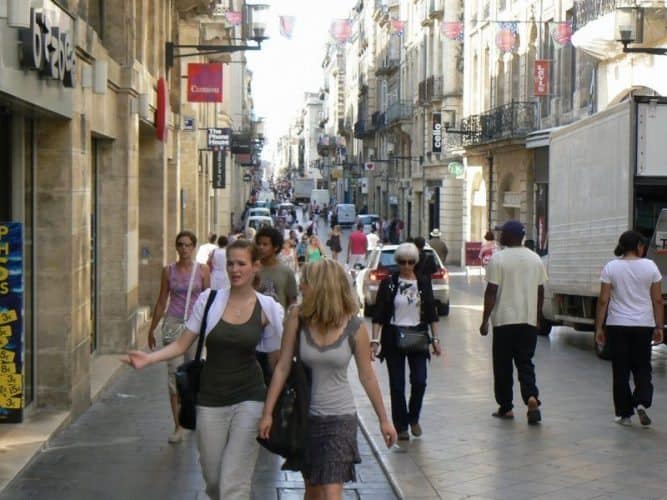
The final pillar of safety involves the psychological and social aspects of travel. Europe’s most popular landmarks—such as the Eiffel Tower, the Colosseum, and the Ramblas—are magnets for opportunistic individuals who utilize sophisticated distraction techniques. Common scams often involve a "social hook," such as an individual asking for directions, offering an unsolicited gift (like a "friendship" bracelet), or alerting the traveler to a fake stain on their clothing. These interactions are designed to divert the victim’s attention while an accomplice accesses their bags or pockets.

Maintaining situational awareness does not imply a state of perpetual fear, but rather a disciplined observation of one’s surroundings. Professional guides suggest that travelers should avoid looking at maps or phones while standing in the middle of a busy sidewalk; instead, they should step into a shop or a café to orient themselves. Displays of wealth, such as expensive jewelry or large amounts of cash, should be avoided to prevent being "marked" as a high-value target. If assistance is required, the safest protocol is to seek out uniformed staff at a hotel desk, a transit information kiosk, or a police station. Relying on unsolicited help from strangers in high-traffic tourist zones increases the risk of falling victim to "scam-baiting."
Chronological Safety Checklist for the European Itinerary
To ensure a high degree of safety, travelers should follow a chronological preparation timeline:
- 3 Months Prior: Verify passport validity (most European countries require at least six months of validity beyond the date of departure). Research the specific visa requirements of the destination countries, including the upcoming ETIAS (European Travel Information and Authorisation System) requirements.
- 1 Month Prior: Purchase a comprehensive travel insurance policy. Install and test a reputable VPN on all mobile devices. Enable two-factor authentication (2FA) on all sensitive accounts.
- 1 Week Prior: Create digital and physical copies of all travel documents. Notify banks and credit card companies of travel dates to prevent fraud-related account freezes.
- Upon Arrival: Identify the location of the nearest embassy or consulate. Set up a daily routine for backing up photos and data. Familiarize yourself with local emergency numbers (112 is the universal emergency number in the European Union).
Broader Impact and Implications for the Tourism Industry
The emphasis on traveler safety has broader implications for the European economy. Tourism accounts for approximately 10% of the European Union’s GDP, and the perception of safety is a primary driver of destination choice. Cities like Barcelona and Venice have begun implementing stricter regulations on "overtourism" partly to manage the strain on local law enforcement and to reduce the density of crowds where petty crime flourishes.

Furthermore, the rise of "digital nomadism" has forced a shift in how safety is perceived. Travelers are no longer just visiting for a week; they are living and working for months at a time. This shift has led to an increased demand for "Cyber-Safe" certifications for hotels and cafes, reflecting a new era where digital security is as valued as physical security. For the first-time traveler, adhering to these safety protocols is not just about avoiding misfortune; it is about preserving the integrity of the travel experience. By managing risks proactively, visitors can move beyond the anxiety of the unknown and fully engage with the historical and cultural richness that Europe offers. The "magic" of a first European trip is best protected by a foundation of practical, modern, and disciplined safety habits.