A Revealing Study Uncovers Critical Preparedness Gaps Among Wilderness Hikers and Trail Runners

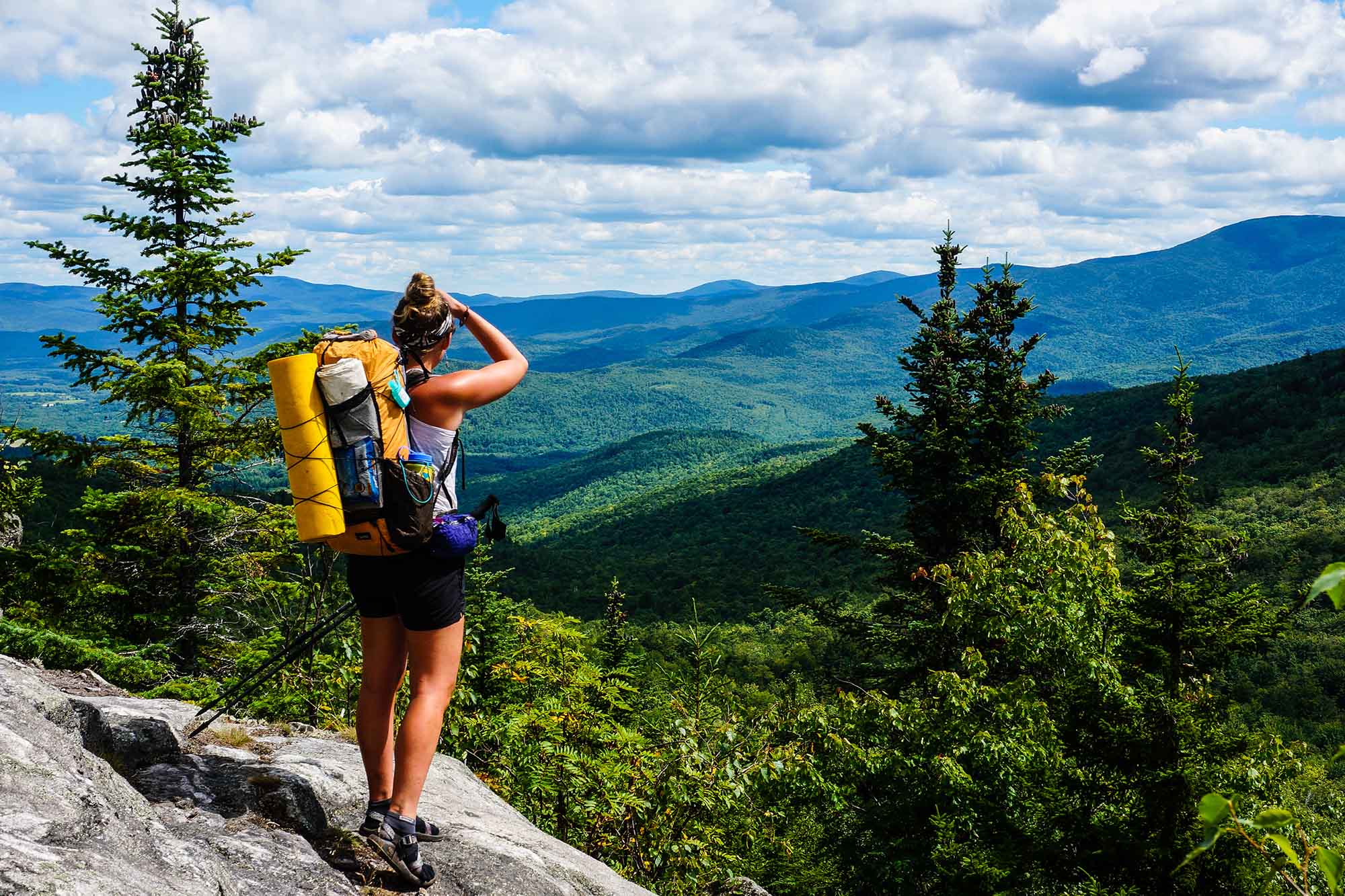
A groundbreaking study published in the esteemed journal Wilderness & Environmental Medicine in March 2026 has brought to light a significant disparity in wilderness preparedness between hikers and trail runners, despite both groups sharing similar risks in outdoor environments. The comprehensive research, which surveyed over 1,000 trailgoers, meticulously assessed their experience levels, essential gear, and overall readiness for outdoor recreation, revealing a surprising chasm between self-perception and actual preparedness. John Lambert, the lead author of the study, highlighted this critical disconnect, stating in an interview with GearJunkie, "The vast majority of these groups thought they were adequately prepared, but both groups vastly overestimated their level of preparedness." This finding carries profound implications for outdoor safety, especially as participation rates in both hiking and trail running continue their upward trajectory, placing increasing strain on volunteer search-and-rescue (SAR) crews tasked with responding to emergencies. Lambert expressed hope that the insights gleaned from this research would facilitate the development of straightforward strategies to enhance outdoor recreational preparedness, thereby mitigating the inherent risks individuals face in the wilderness.
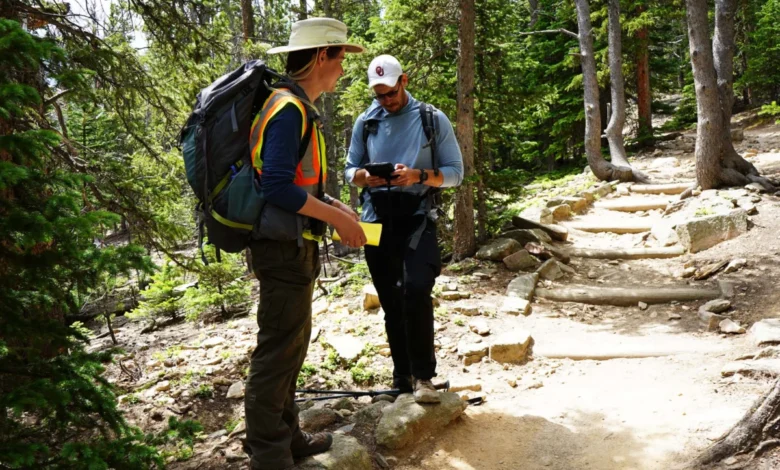
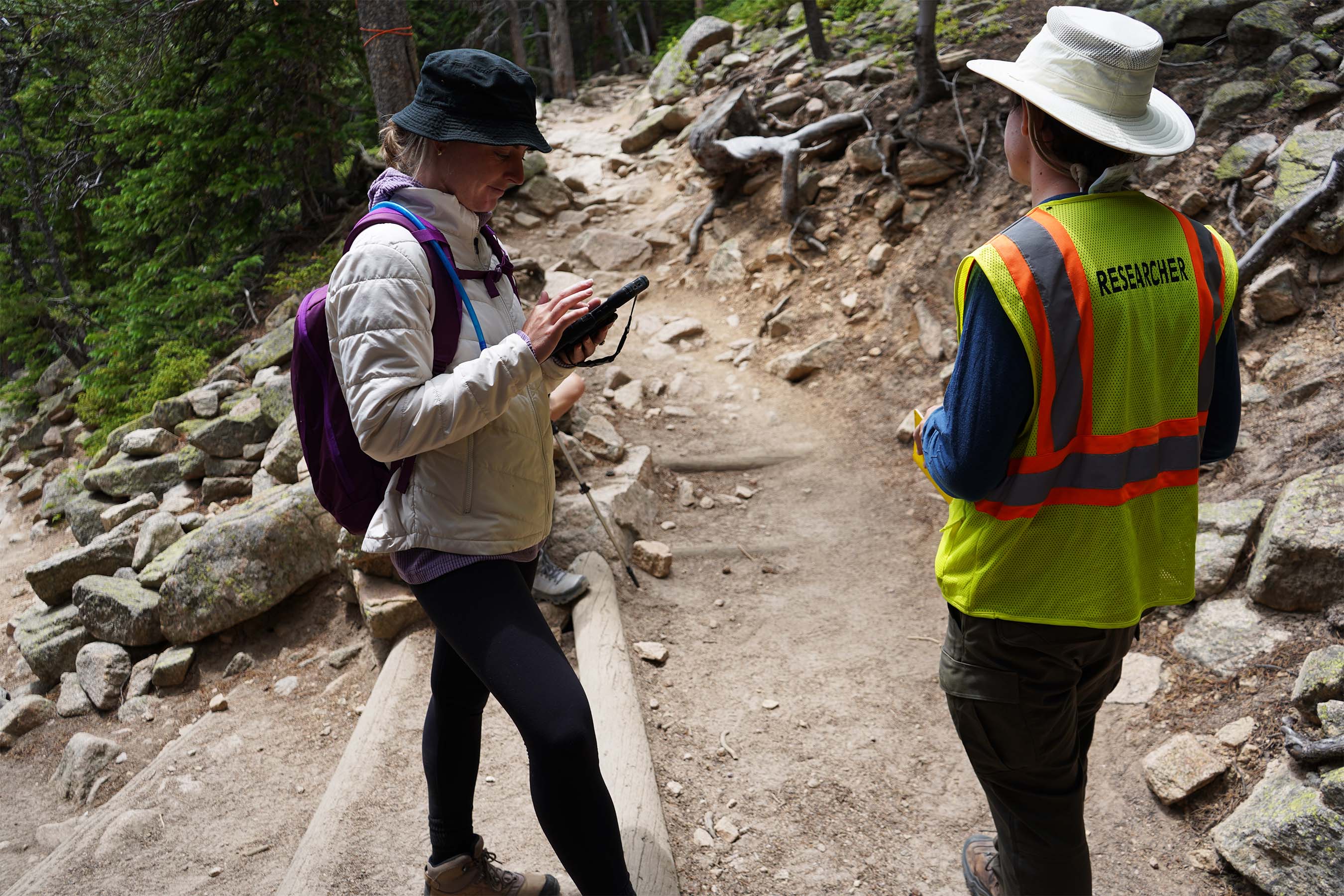
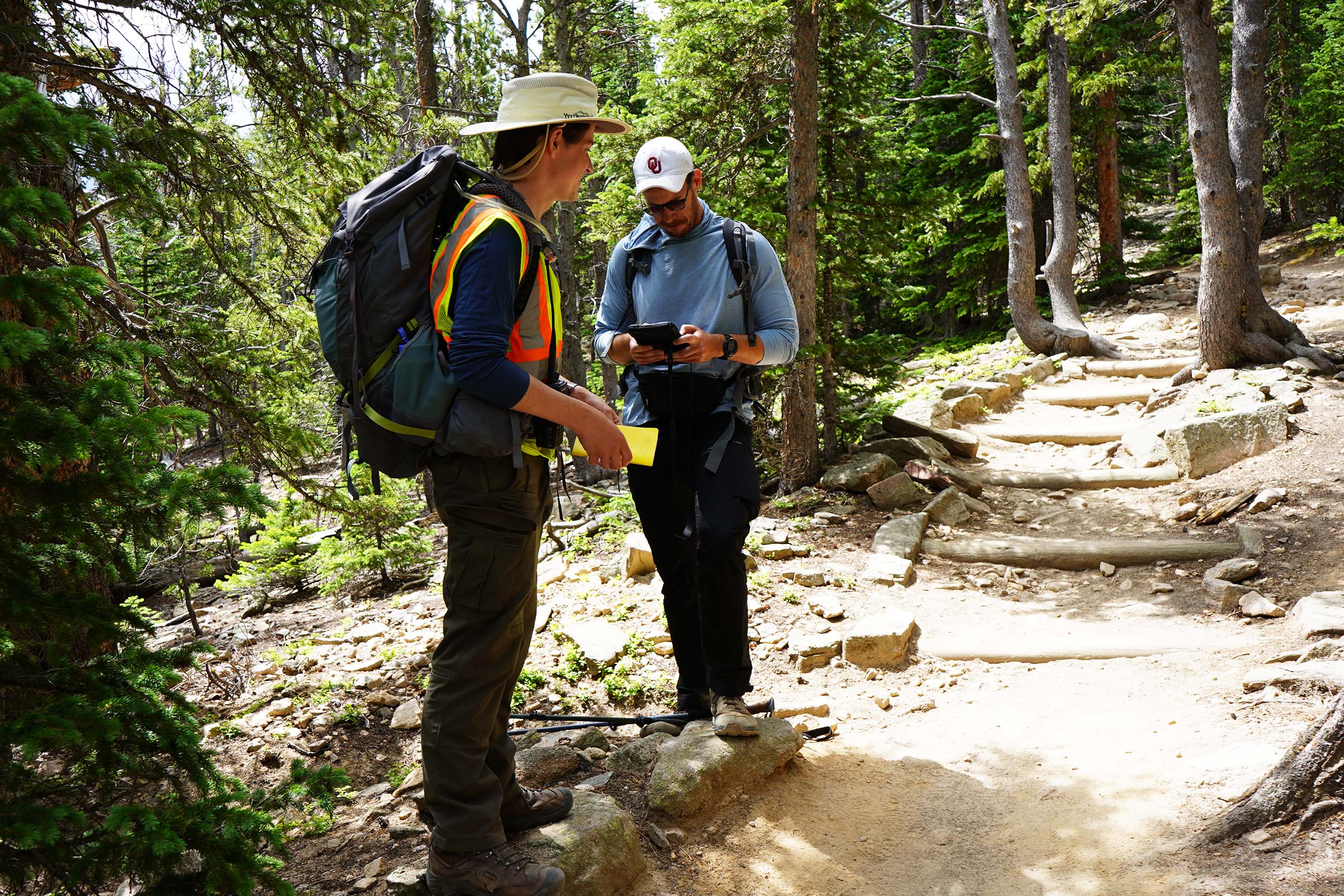
The genesis of this pivotal research stemmed from direct observations and conversations with park rangers at Rocky Mountain National Park (RMNP). Lambert identified a significant void in existing data, particularly concerning the preparedness habits and challenges unique to trail runners. Recognizing this critical knowledge gap, Lambert embarked on an ambitious cross-sectional survey project during the summer of 2024. His methodology involved identifying four distinct areas within RMNP, where he would intercept and interview groups and individuals returning from their trail excursions. Over several months, dedicating two to four days a week to fieldwork, Lambert painstakingly polled 1,714 hikers and runners. This extensive data collection, a monumental undertaking for a single researcher, underscored Lambert’s commitment to providing much-needed insights into outdoor safety. He proudly noted that his work represents the "first study of its kind examining wilderness preparedness in recreational trail runners," filling a crucial evidentiary void in outdoor recreation safety literature.
To establish a clear framework for evaluation, the study meticulously defined "Wilderness Preparedness." This definition encompassed several non-negotiable elements: possessing adequate hydration for the planned activity, carrying the "10 Essentials of Hiking," demonstrating the ability to orient oneself using either a physical or digital map and compass, and having the means to signal for help alongside a functional first-aid kit. The "10 Essentials of Hiking," a widely recognized baseline for outdoor safety, typically include navigation tools (map, compass, GPS device), sun protection (sunglasses, sunscreen), insulation (extra layers of clothing), illumination (headlamp or flashlight), first-aid supplies (including personal medications), fire starter (waterproof matches, lighter), repair kit and tools (knife, duct tape), nutrition (extra food), hydration (water, purification tablets), and emergency shelter. Beyond these core preparedness indicators, Lambert’s survey delved into other pertinent aspects, inquiring about participants’ overall outdoor experience, the number of days they spent on trails annually, any prior wilderness injuries they had sustained, and the consistent presence of a first-aid kit in their gear.
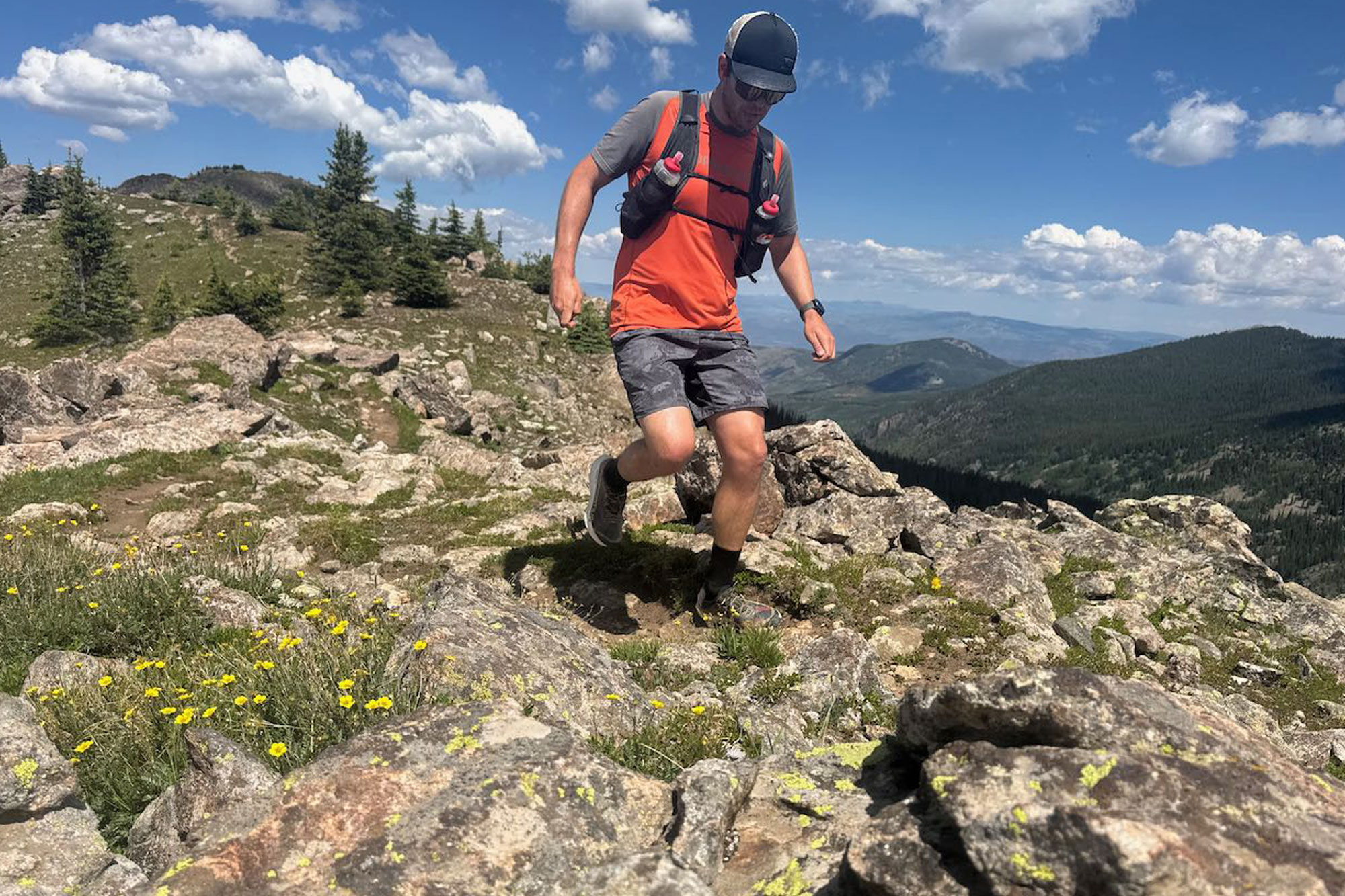
A detailed comparative analysis between hikers and trail runners revealed several distinct patterns. While hikers generally reported spending fewer days in the wilderness each year, they were more prone to undertaking multi-day excursions. Conversely, trail runners, who were typically younger and often ventured out alone or in smaller groups, reported a higher incidence of wilderness injuries and "close calls"—situations where they narrowly avoided injury or serious mishap. One of the most striking revelations from the study concerned off-trail behavior. Lambert noted with concern that "more than a quarter of trail runners reported going significantly off-trail during their run." While some of this involved seemingly innocuous actions like cutting switchbacks or taking shortcuts, a portion of these ventures led individuals deep into RMNP’s alpine regions for exploration. This tendency to stray from designated paths introduces a heightened level of risk; as Lambert rightly pointed out, individuals injured far from the main trail are significantly less likely to be discovered by passing good Samaritans or helpful bystanders, thus amplifying the urgency of self-reliance and comprehensive preparedness.
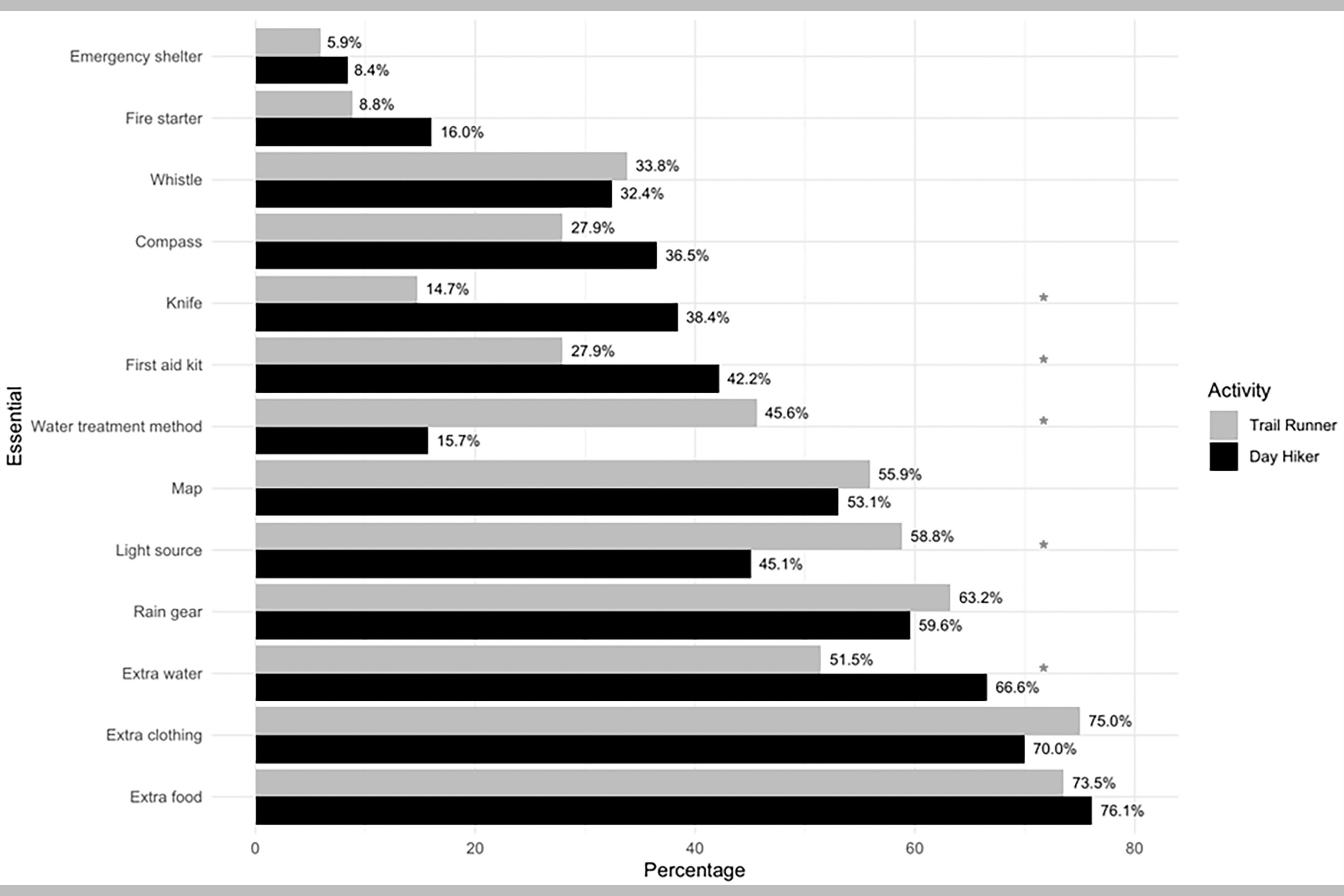
Despite these observed differences in behavior and risk exposure, both groups shared a common, concerning trait: an overestimation of their own readiness. A staggering 87.7% of hikers and 88.2% of trail runners self-assessed as "adequately prepared." However, when measured against Lambert’s stringent definition of "Wilderness Preparedness," the reality was starkly different. Only 15.7% of hikers and a mere 25% of trail runners actually met the established qualifications. This significant discrepancy underscores a pervasive lack of awareness regarding what constitutes true preparedness for wilderness environments. Lambert observed that extra layers of clothing were among the most commonly carried items by both groups, indicating a basic understanding of thermal regulation but often failing to extend to a full suite of safety essentials.
Further examination of the specific gear carried by participants provided a nuanced picture of their preparedness profiles. Hikers demonstrated a greater propensity to carry first-aid kits, essential navigation tools such as physical maps and compasses, and various survival equipment, including firestarters and emergency shelters. This aligns with the traditionally more deliberate and planned nature of hiking trips. Trail runners, on the other hand, were more likely to be equipped with modern GPS communication devices or personal SOS beacons, suggesting a reliance on technology for emergency situations, possibly due to the lighter, faster nature of their activity. They also appeared generally better prepared to contend with rapidly changing weather conditions, perhaps reflecting the unpredictable nature of mountain environments where trail running often takes place. Notably, nearly all respondents across both categories reported carrying cellphones, highlighting a ubiquitous reliance on digital communication, though this reliance can be misplaced in areas with no cellular service or when battery life is depleted.
The implications of these findings extend far beyond individual safety. The escalating popularity of outdoor recreation, particularly in sensitive and often remote areas like RMNP, is directly correlating with an increased burden on search-and-rescue (SAR) operations. SAR teams, frequently composed of dedicated volunteers, are already stretched thin. A rise in incidents stemming from inadequate preparedness translates into more frequent, complex, and resource-intensive rescue missions. This not only puts the lives of those needing rescue at risk but also exposes SAR personnel to greater dangers. Park officials and SAR coordinators, while not directly quoted, would undoubtedly echo Lambert’s concerns, recognizing that every preventable incident diverts critical resources and human effort from other essential park management and emergency services. The study, by illuminating specific preparedness deficits, offers a vital tool for these agencies to develop targeted educational campaigns aimed at fostering a culture of greater responsibility among outdoor enthusiasts.
Despite certain limitations, such as the study’s focus solely on RMNP and the disparity in sample sizes between hikers (712 groups) and trail runners (89 groups), Lambert emphasized that the research offers invaluable, actionable insights for improving outdoor safety. A primary takeaway, which incurs no cost and requires no additional gear, is the simple act of informing someone about one’s plans. The study revealed that approximately a quarter of hikers and 16% of trail runners did not communicate their itinerary or expected return time to anyone. Lambert stressed the "massive difference if search and rescue is needed" when someone has this crucial information. This simple step can dramatically reduce search times and increase the chances of a successful rescue.
Another significant finding pertained to navigation: over half of all survey respondents lacked any form of map, physical or digital. While many might be locals familiar with the trails, Lambert warned against complacency, noting that conditions can change rapidly, and disorientation can strike even experienced individuals. The pervasive presence of cellphones among participants presents an opportunity for easy improvement; encouraging users to download offline maps before venturing into areas with unreliable signal can be a lifesaving measure. Lambert’s overarching message is clear: "It’s really easy to improve your safety if something goes wrong." He champions the idea that preparedness doesn’t necessarily demand expensive gear. Simple, inexpensive, and lightweight items like an emergency mirror, an SOS whistle, or a basic fire starter can be easily incorporated into any pack or running vest, providing crucial capabilities in an emergency without significantly impacting comfort or speed.
In conclusion, John Lambert’s pioneering research stands as a critical alarm call, urging a re-evaluation of wilderness preparedness among recreational trail users. It meticulously exposes the widespread overconfidence and tangible gaps in essential gear and knowledge that permeate both the hiking and trail running communities. By highlighting these vulnerabilities, the study provides a robust foundation for targeted educational initiatives and practical recommendations that can empower outdoor enthusiasts to take greater personal responsibility for their safety. The collective effort of researchers, park authorities, and the outdoor community to disseminate these findings and promote adherence to basic safety protocols will be instrumental in reducing preventable incidents and alleviating the ever-increasing demands on search-and-rescue services. For those keen to delve deeper into the nuanced findings and comprehensive data, the full paper, titled "Know Before You Go! A Field Survey of the Preparedness of Wilderness Day Hikers and Trail Runners in Rocky Mountain National Park," is accessible online, offering a detailed exploration of this vital subject.