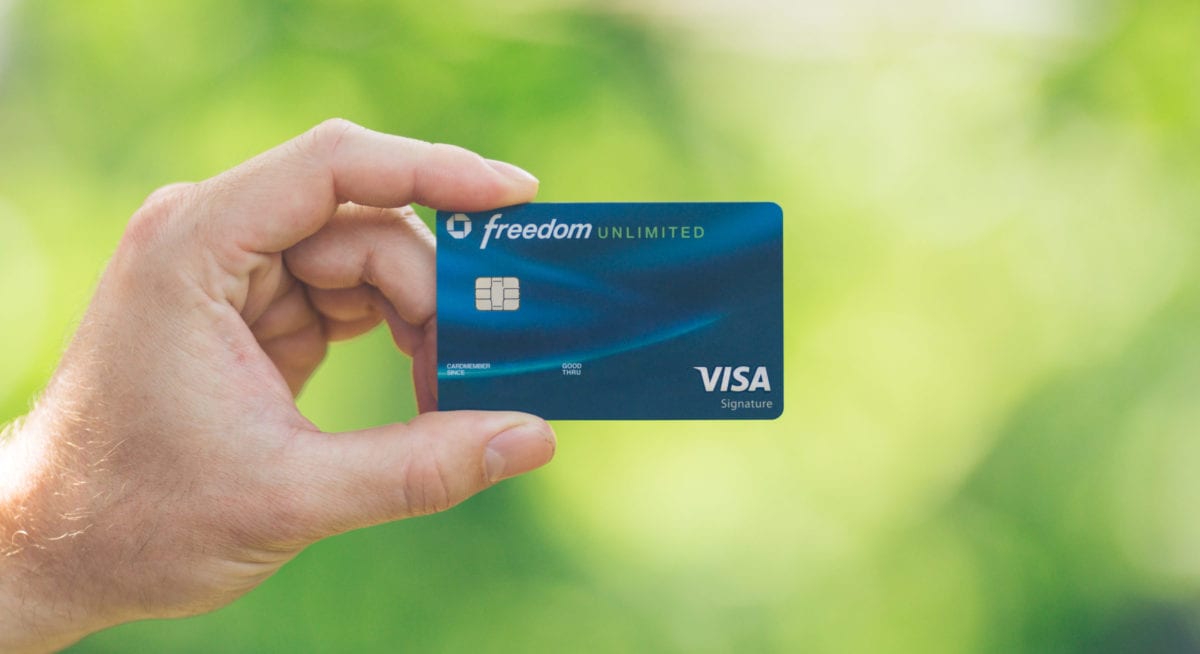
Chase Freedom Unlimited Review: Analyzing the No-Fee Credit Card’s $250 Bonus and Long-Term Value in the 2024 Financial Landscape

The Chase Freedom Unlimited has solidified its position as a cornerstone of the consumer credit market, offering a blend of simplicity and high-yield potential that appeals to both novice spenders and seasoned points enthusiasts. At the center of its current appeal is a significant limited-time sign-up bonus: new cardmembers can earn $250 in cash back after spending just $500 on purchases within the first three months of account opening. This offer represents a 50% return on initial spending, a figure that is remarkably high for the no-annual-fee credit card segment. Beyond the immediate incentive, the card serves as a strategic "catch-all" tool within the broader Chase Ultimate Rewards ecosystem, providing a consistent 1.5% return on purchases that do not fall into specific bonus categories.
The Evolution of the Chase Freedom Suite
To understand the current standing of the Chase Freedom Unlimited, it is necessary to look at the chronology of the Chase "Freedom" brand. For years, the flagship product was the standard Chase Freedom card, which featured 5% rotating quarterly categories. However, as consumer preferences shifted toward simplicity and "set-and-forget" rewards, JPMorgan Chase & Co. introduced the Freedom Unlimited in 2016.
Initially, the card offered a flat 1.5% cash back on all purchases. In September 2020, Chase significantly enhanced the card’s value proposition by adding permanent bonus categories: 5% on travel booked through the Chase Travel portal and 3% on dining (including takeout and eligible delivery services) and drugstore purchases. This move was widely viewed by industry analysts as a defensive strategy against competitors like the Citi Double Cash and the Capital One Quicksilver, which were aggressively courting the cash-back market.
Today, the Freedom Unlimited sits as the entry-level gateway into Chase’s ecosystem. It is designed to be the primary card for those who value ease of use, or the secondary card for "optimizers" who use it for any spending that doesn’t trigger higher multipliers on specialized cards.
Detailed Breakdown of Reward Structures and Supporting Data
The financial utility of the Chase Freedom Unlimited is rooted in its tiered earning structure. While many cards offer 1% as a base rate, the Freedom Unlimited’s 1.5% "everything else" rate provides a 50% premium over the industry standard for non-bonus spending.
Primary Earning Categories
- 5% on Chase Travel: This rate applies to flights, hotels, car rentals, and cruises booked through the proprietary Chase Travel portal. For a traveler spending $3,000 a year on vacations, this category alone nets $150 in rewards.
- 3% on Dining: This includes high-frequency spending at restaurants, cafes, and fast-food outlets. According to the Bureau of Labor Statistics, the average American household spends over $3,500 annually on "food away from home." At a 3% rate, this card yields $105 back on that expenditure.
- 3% on Drugstores: A unique category compared to many competitors, this provides significant value for healthcare-related purchases and household essentials found at major pharmacy chains.
- 1.5% on All Other Purchases: This is the card’s "catch-all" rate. For expenses like insurance premiums, utility bills, and professional services—which rarely fall into bonus categories—this rate ensures the user is never earning less than 1.5% back.
The Value of the Welcome Offer
The current $250 bonus for a $500 spend is a notable increase from the card’s traditional $150 or $200 offers. In the competitive landscape of 2024, banks are increasingly aggressive in customer acquisition. Financial analysts note that the "cost to acquire" a customer (CAC) for premium banks has risen, leading to these lucrative short-term offers. For the consumer, the low spending threshold of $500 makes the bonus accessible to almost any budget, unlike premium cards that may require $4,000 to $6,000 in spending to trigger a bonus.
Strategic Synergy: The Chase Trifecta
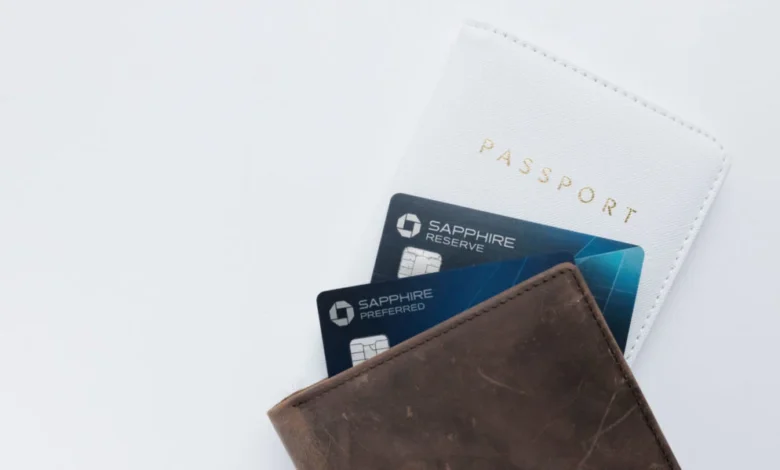
While the Freedom Unlimited is marketed as a cash-back card, its true potential is unlocked when paired with a "premium" Chase card, such as the Chase Sapphire Preferred® Card, the Chase Sapphire Reserve®, or the Ink Business Preferred® Credit Card. This strategy, often referred to by enthusiasts as the "Chase Trifecta," allows users to move the cash back earned on the Freedom Unlimited into their Sapphire or Ink account, effectively turning "cash" into "Ultimate Rewards points."
Impact on Redemption Value
When converted to points, the value of the rewards can increase significantly:
- Travel Portal Redemptions: Points are worth 25% more (1.25 cents each) with the Sapphire Preferred or 50% more (1.5 cents each) with the Sapphire Reserve when used to book travel through Chase.
- Transfer Partners: This is the most lucrative path. Points can be transferred 1:1 to airline and hotel partners such as Hyatt, United Airlines, and British Airways. In many cases, these transfers can result in a value of 2.0 cents per point or higher.
Under this model, the "1.5% back" on the Freedom Unlimited effectively becomes "1.5 points per dollar," which, at a 2-cent valuation, represents a 3% return on all spending. This synergy is why many financial advisors recommend the Freedom Unlimited even to high-net-worth individuals who already carry premium travel cards.
Market Context and Competitive Comparison
The Chase Freedom Unlimited does not exist in a vacuum. It faces stiff competition from other major issuers.
- Wells Fargo Active Cash® Card: Offers a flat 2% cash rewards on all purchases. For a consumer who only wants one card and does not use travel portals, the Active Cash provides a higher base return than the Freedom Unlimited’s 1.5%.
- Citi Double Cash® Card: Similar to Wells Fargo, it offers 2% (1% when you buy, 1% when you pay). However, it lacks the 3% dining and drugstore categories found on the Chase card.
- Capital One SavorOne Cash Rewards Credit Card: Offers 3% on dining, entertainment, popular streaming services, and at grocery stores. The SavorOne is often cited as the primary rival to the Freedom Unlimited for those whose spending is concentrated on food and entertainment rather than general "un-categorized" spending.
The Freedom Unlimited’s advantage remains its integration with the Ultimate Rewards ecosystem and its lack of an annual fee, making it a "low-risk, high-reward" entry point for consumers.
Eligibility and the "5/24 Rule" Implications
Prospective applicants must navigate Chase’s internal approval metrics, most notably the "5/24 Rule." While not an official policy disclosed in marketing materials, it is a well-documented guideline in the credit industry. Chase will generally decline any application for a new credit card if the applicant has opened five or more personal credit cards (from any issuer) in the past 24 months.
This rule serves as a mechanism to prevent "churning"—the practice of opening cards solely for the sign-up bonus and then closing them. For consumers, this means the Chase Freedom Unlimited should often be one of the first cards they apply for in their financial journey. If a consumer opens several cards from other banks first, they may find themselves "locked out" of the Chase ecosystem for years.
Furthermore, Chase typically requires a "Good" to "Excellent" credit score for approval, generally defined as 700 or higher. Data suggests that Chase also prefers to see at least one year of credit history before approving an applicant for the Freedom line, unless the applicant has an existing banking relationship with the firm.
Constraints: Foreign Transactions and Interest Rates
Despite its many benefits, the Chase Freedom Unlimited has specific drawbacks that a professional journalistic analysis must highlight. Most prominent is the 3% foreign transaction fee. This makes the card an unsuitable choice for international travel or for making purchases from overseas vendors. For a traveler spending $5,000 on a trip to Europe, using this card would result in $150 in unnecessary fees, effectively wiping out the rewards earned on the trip.
Additionally, like most rewards cards, the Freedom Unlimited carries a variable APR that can be quite high depending on the user’s creditworthiness. As of mid-2024, interest rates for rewards cards often exceed 20%. Financial experts emphasize that the value of any cash-back or points earned is immediately negated if a balance is carried month-to-month. The card is most effective for "transactors"—those who pay their statement in full each month—rather than "revolvers" who carry debt.
Broader Economic Impact and Consumer Sentiment
The continued popularity of cards like the Freedom Unlimited reflects a broader trend in the American economy: the "gamification" of personal finance. As inflation has impacted the cost of living, consumers are increasingly seeking ways to recoup a percentage of their daily expenses. The 3% dining and drugstore categories are particularly relevant in an era of rising food and healthcare costs.
From the perspective of JPMorgan Chase, the Freedom Unlimited serves as a powerful "hook" for their ecosystem. By providing a high-quality, no-fee product, the bank establishes a relationship that often leads to consumers adopting other profitable products, such as mortgages, auto loans, or premium Sapphire cards.
Final Analysis: Is the Freedom Unlimited Right for You?
The Chase Freedom Unlimited remains one of the most balanced credit products on the market. Its $250 sign-up bonus is a compelling entry point, and its 1.5% base earning rate provides a safety net for all spending. However, its true value is subjective and depends on the user’s financial habits.
For the Simple Spender, the card is a "set-and-forget" tool that earns better-than-average rewards with zero maintenance costs. For the Strategic Traveler, it is an essential component of a multi-card strategy that maximizes the acquisition of high-value travel points. Conversely, for the International Traveler or the Debt-Carrier, the card’s foreign transaction fees and high APR represent significant financial pitfalls.
In the final assessment, the Chase Freedom Unlimited is a high-utility financial instrument. Its current limited-time offer provides an immediate fiscal boost, while its structured rewards ensure long-term relevance in a crowded and competitive marketplace. As with any financial product, the key to maximizing its value lies in disciplined use and a clear understanding of how it fits into one’s broader financial architecture.