The Siege of America’s Public Lands: Navigating the Intersection of Conservation Policy and Industrial Expansion

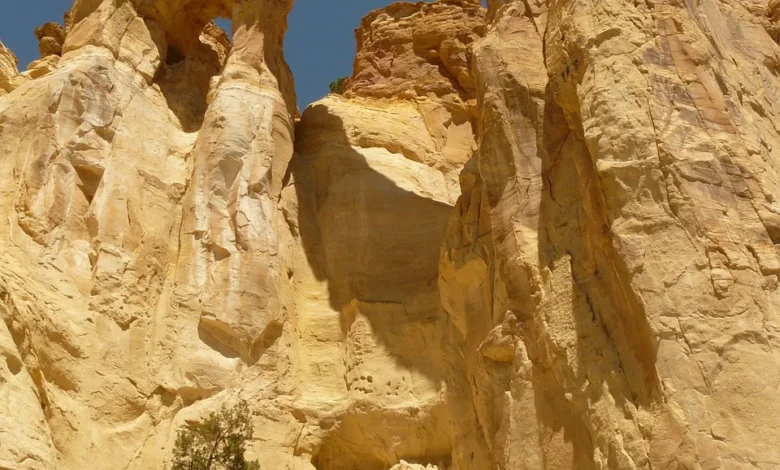
The concept of the national park has long been described as a quintessentially American innovation, a democratic ideal that suggests the most spectacular landscapes of a nation should belong to all its citizens rather than a privileged few. Author and environmentalist Wallace Stegner famously characterized these preserves in 1983 as the "best idea we ever had," noting that they reflect the nation at its best. This sentiment was a direct continuation of the philosophy championed by President Franklin D. Roosevelt, who, nearly half a century earlier, asserted that the fundamental purpose of the park system was the enrichment of the lives of all Americans. However, in recent years, this foundational philosophy has faced a significant ideological and structural challenge. A shift in federal priorities has placed these hallowed grounds at the center of a heated debate between preservation and industrial utility, leading to what many conservationists describe as an unprecedented era of vulnerability for public lands.
The Policy Pivot: Energy Dominance and Environmental Rollbacks
Since early 2017, the federal approach to land management has undergone a radical transformation, moving away from a primary focus on conservation toward a policy often described as "energy dominance." According to reports from the National Parks Conservation Association (NPCA), the executive branch has initiated dozens of policy changes that directly impact the integrity of the National Park System and surrounding public lands. These actions have not been isolated incidents but rather part of a systemic effort to reduce regulatory hurdles for extractive industries.
Among the most significant of these changes was the repeal of the Clean Water Rule, a regulation designed to protect the headwaters, streams, and wetlands that feed into larger water systems. For national parks, many of which rely on pristine watersheds to maintain delicate ecosystems, this repeal introduced new risks of upstream pollution. Furthermore, the administration directed the Environmental Protection Agency (EPA) to overhaul rules regarding carbon dioxide emissions from power plants and instructed federal agencies to discount the long-term effects of climate change when evaluating permits for fossil fuel production. This shift in data-driven decision-making has had immediate consequences for the Mojave National Preserve and the Mojave Trails National Monument, where groundwater mining projects have been proposed to extract up to 16 billion gallons of water annually, threatening the survival of desert flora and fauna.
A Chronology of the American Conservation Legacy
To understand the gravity of the current conflict, one must look at the historical timeline that built the modern National Park Service (NPS). The trajectory of American conservation was established over a century of legislative milestones:
- 1872: President Ulysses S. Grant signs the Yellowstone National Park Protection Act, establishing the world’s first national park and setting a global precedent for land preservation.
- 1906: The Antiquities Act is passed under President Theodore Roosevelt, granting the executive branch the authority to designate "historic landmarks, historic and prehistoric structures, and other objects of historic or scientific interest" as national monuments.
- 1916: The National Park Service Organic Act is signed by President Woodrow Wilson, creating a dedicated agency to manage the growing portfolio of parks and monuments with a mandate to leave them "unimpaired for the enjoyment of future generations."
- 1935: The Historic Sites, Buildings, and Antiquities Act formalizes the role of the National Park System Advisory Board, ensuring that citizens and experts have a voice in the designation of natural and historic landmarks.
- 2017-2018: A series of executive orders initiates a review of dozens of national monuments, leading to the largest reduction of protected lands in American history.
This chronology highlights a long-standing bipartisan commitment to expansion that has only recently met with a concerted effort toward contraction.
The Contraction of National Monuments: Bears Ears and Grand Staircase-Escalante
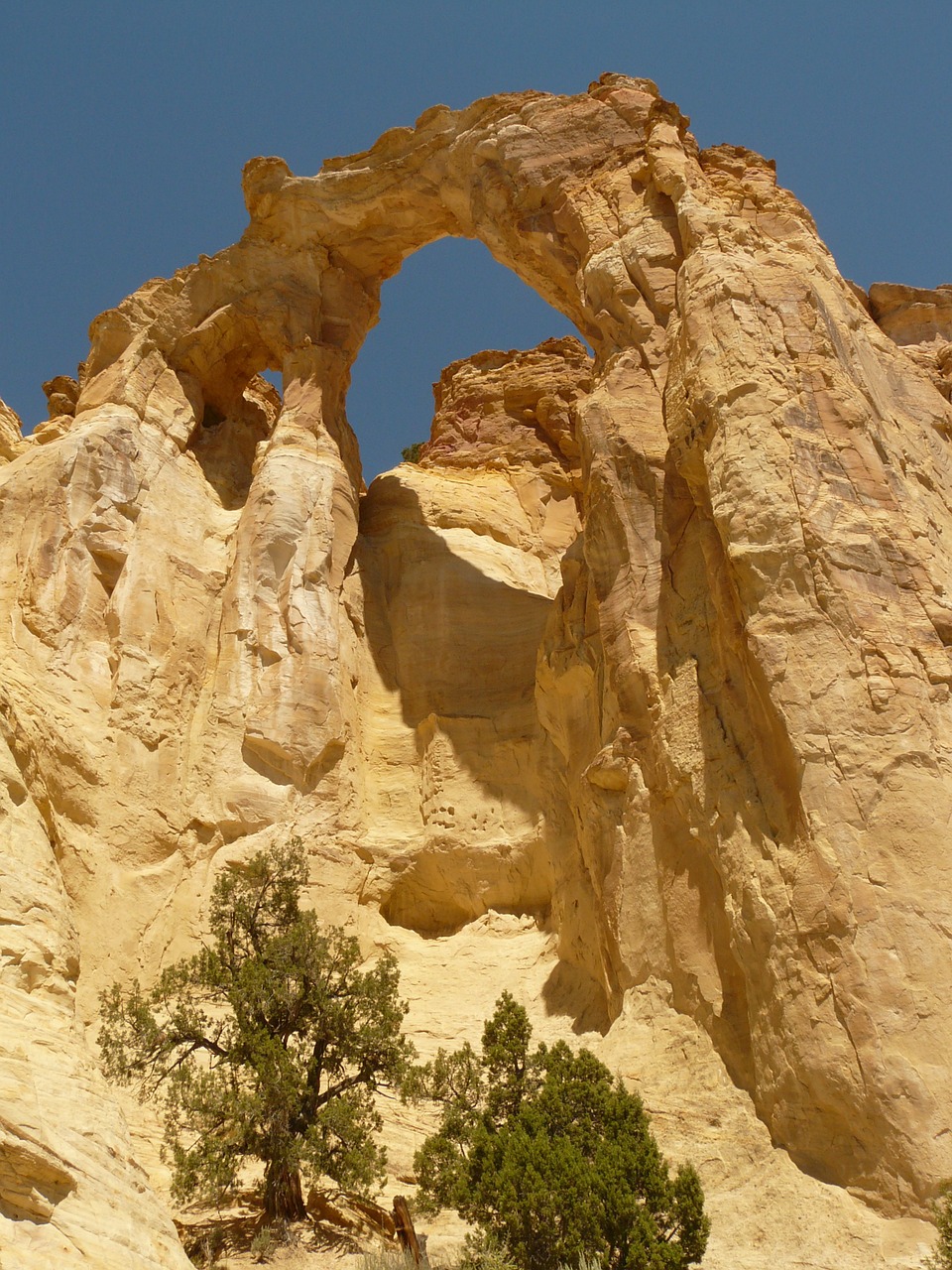
The most visible flashpoint in this struggle occurred in late 2017, when the federal government moved to drastically reduce the size of two major national monuments in Utah: Bears Ears and Grand Staircase-Escalante. The reduction of Bears Ears by 85 percent and Grand Staircase-Escalante by nearly 50 percent opened up hundreds of thousands of acres to potential mining and drilling.
Proponents of the reduction, including several local political leaders and industry representatives, argued that the original designations were examples of "executive overreach" that locked up valuable natural resources and hindered local economic development. They contended that the Antiquities Act was intended for small, specific sites rather than vast landscapes. Conversely, conservationists and a coalition of five Native American tribes—the Navajo Nation, Hopi, Ute Mountain Ute, Pueblo of Zuni, and Ute Indian Tribe—argued that the landscapes themselves are the "objects" of interest, containing thousands of sacred sites and irreplaceable paleontological records. The legal battle that followed centers on whether the Antiquities Act, which grants a president the power to create a monument, also grants the power to diminish or abolish one—a power that legal scholars note is not explicitly stated in the 1906 law.
Institutional Instability and the Advisory Board Exodus
The internal tension within the Department of the Interior (DOI) reached a breaking point in January 2018. In a move that signaled deep dysfunction within the federal land management apparatus, nearly all members of the National Park System Advisory Board resigned en masse. The departing members, led by former Alaska Governor Tony Knowles, cited a lack of engagement from the administration and a refusal by leadership to convene required meetings.
The board, which is legally mandated to meet twice a year to advise on the management of the park system, had been sidelined for over a year. The resignations left the DOI without a functioning body to certify new National Historic or Natural Landmarks. In resignation letters, board members expressed "profound concern" that the mission of stewardship was being abandoned in favor of short-term industrial gains. This exodus underscored a growing divide between career conservation experts and the political appointees overseeing the nation’s natural resources.
Economic Realities: Staffing Cuts vs. Record Visitation
The administrative challenges are compounded by a widening gap between the popularity of national parks and the resources allocated to manage them. In 2017, the National Park System recorded approximately 331 million visits, a near-record high that reflects the immense value Americans place on these spaces. However, the proposed federal budgets for 2018 and 2019 included significant funding cuts for the Department of the Interior.
The 16 percent proposed cut to the DOI budget threatened to eliminate nearly 2,000 National Park Service ranger positions. This reduction in force occurs as the NPS faces a maintenance backlog exceeding $11 billion. This backlog includes crumbling roads, aging visitor centers, and deteriorating wastewater systems that are essential for both visitor safety and environmental protection. Analysts suggest that by choking off funding for staff and infrastructure while visitation continues to rise, the administration risks a "de facto" degradation of the park experience, potentially making the case for future privatization or further land sell-offs.
The Environmental and Cultural Implications
The implications of these policy shifts extend far beyond administrative disputes. The opening of lands near the Grand Canyon to uranium mining, for instance, raises significant concerns regarding the contamination of the regional aquifer, which is the primary water source for the Havasupai Tribe and millions of people downstream. In the Mojave Desert, the disruption of groundwater cycles could lead to the extinction of endemic species that have survived for millennia in one of the harshest environments on Earth.
From a cultural perspective, the reduction of monument boundaries threatens the "living heritage" of indigenous populations. For the tribes involved in the Bears Ears coalition, the land is not merely a scenic vista but a repository of ancestral knowledge and a site for ongoing traditional practices. The removal of federal protections makes these sites vulnerable to looting, vandalism, and the irreversible scars of industrial infrastructure.
Analysis of the Path Forward: Litigation and Civic Advocacy
As the federal government continues to push for the industrialization of public lands, the battle has largely moved to the judicial system. Multiple lawsuits filed by environmental groups, tribal nations, and outdoor recreation companies like Patagonia are currently working their way through the courts. The outcome of these cases will likely define the scope of presidential power regarding public lands for the next century. A ruling in favor of the administration would set a precedent allowing any future president to unilaterally dismantle the conservation legacies of their predecessors.
In the interim, the role of public advocacy has become increasingly vital. Organizations such as the NPCA and the Sierra Club have seen surges in membership as citizens seek ways to voice their opposition to land rollbacks. Recommendations for public involvement include:
- Legislative Engagement: Contacting congressional representatives to support permanent funding for the Land and Water Conservation Fund.
- Volunteering: Participating in "Friends" groups that provide labor and resources to parks struggling with staffing shortages.
- Civic Participation: Engaging in the public comment periods required for environmental impact assessments of new industrial projects.
Ultimately, the current state of America’s public lands is a reflection of a broader national debate over the definition of progress. While the administration views these lands as untapped assets for the national economy, a significant portion of the public views them as a non-negotiable heritage. As the legal and political battles unfold, the words of Woody Guthrie serve as a reminder of the original intent behind these preserves: that the land was made for the collective benefit of the people, a legacy that requires constant vigilance to maintain. (Visited 3,204 times, 1 visits today)