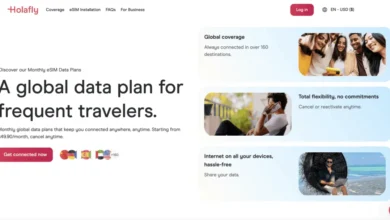
Holafly eSIM Delivers Robust International Connectivity in Field Test, Signaling Shift in Global Roaming Landscape.

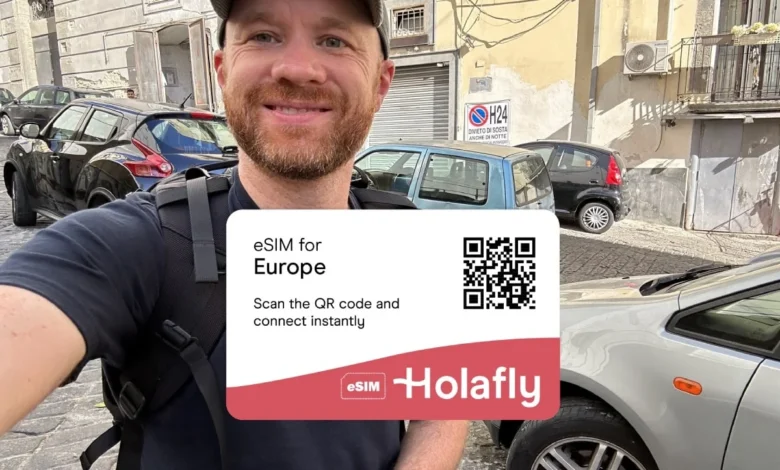
Holafly, a nascent eSIM data plan provider headquartered in Dublin, has emerged as a significant player in the international mobile connectivity market, offering data plans characterized by their unlimited data provisions, inclusion of calling minutes, and competitive pricing. A recent hands-on evaluation of Holafly’s eSIM service during a two-week sojourn through Italy has demonstrated its robust performance, challenging common technical hurdles associated with international eSIM usage and positioning the company as a viable alternative to traditional roaming options. The assessment focused on real-world application, scrutinizing connectivity speeds, reliability, and the overall user experience across diverse geographical settings within Italy.
The Rise of eSIM Technology and Holafly’s Market Entry
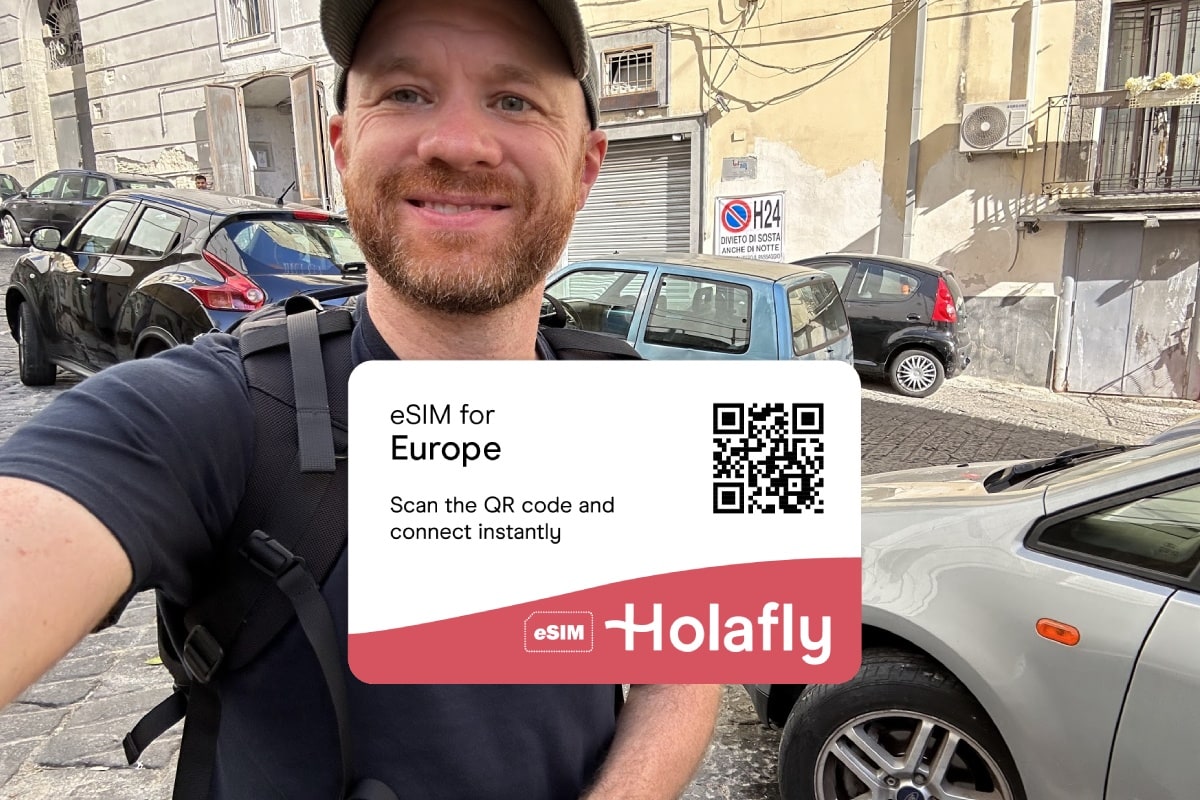
The telecommunications industry has been undergoing a transformative shift with the advent and increasing adoption of eSIM technology. An eSIM, or embedded Subscriber Identity Module, is a digital SIM that allows users to activate a cellular plan from a carrier without the need for a physical SIM card. This technology offers unparalleled convenience, enabling travelers to switch between networks, activate local plans, or subscribe to international data packages digitally, bypassing the need to purchase physical SIM cards upon arrival in a new country. The global eSIM market, valued at approximately $8.2 billion in 2022, is projected to reach $20.4 billion by 2028, underscoring the rapid growth and widespread acceptance of this innovation. Major smartphone manufacturers, including Apple and Samsung, have increasingly integrated eSIM capabilities into their devices, with some newer models, particularly in the U.S., becoming eSIM-only, further accelerating its adoption.
Holafly capitalized on this technological evolution, establishing itself as an eSIM data plan company out of Dublin. Its business model centers on aggregating bandwidth from local mobile network operators (MNOs) across the globe, thereby providing a streamlined, digital-first solution for international travelers. This approach directly addresses long-standing pain points associated with international roaming, such as exorbitant charges, the inconvenience of physical SIM card acquisition, and often unreliable connectivity. Holafly’s entry into the market reflects a broader trend of digital disruptors offering more flexible and cost-effective mobile connectivity solutions, challenging the dominance of traditional carriers’ roaming services.
Methodology of the Real-World Evaluation

To provide a comprehensive and trustworthy assessment, the Holafly eSIM was subjected to a rigorous real-world test. The reviewer utilized Holafly’s 15-day unlimited data eSIM plan on an iPhone 14 Pro, integrating it into a two-week travel itinerary across Italy. This trip encompassed major urban centers like Rome and Naples, as well as frequent day excursions to more remote or geographically challenging locations, including the island of Capri and the ancient ruins of Pompeii. The itinerary also involved extensive travel by train between key cities, offering a diverse set of environments to evaluate network performance, signal strength, and data consistency.
The reviewer brought a significant background in evaluating international mobile data solutions, having previously tested prominent European data plans such as the Orange Holiday Europe data plan and the Bouygues Telecom Vacation Prepaid Data Plan. Furthermore, experience with T-Mobile’s international data plan, a domestic carrier’s roaming offering, provided a valuable baseline for comparison. This cumulative experience, coupled with extensive journalistic coverage on utilizing data plans abroad, established a robust foundation for an informed and credible assessment of Holafly’s service.
Holafly’s Service Offerings: Plans, Coverage, and Network Partnerships
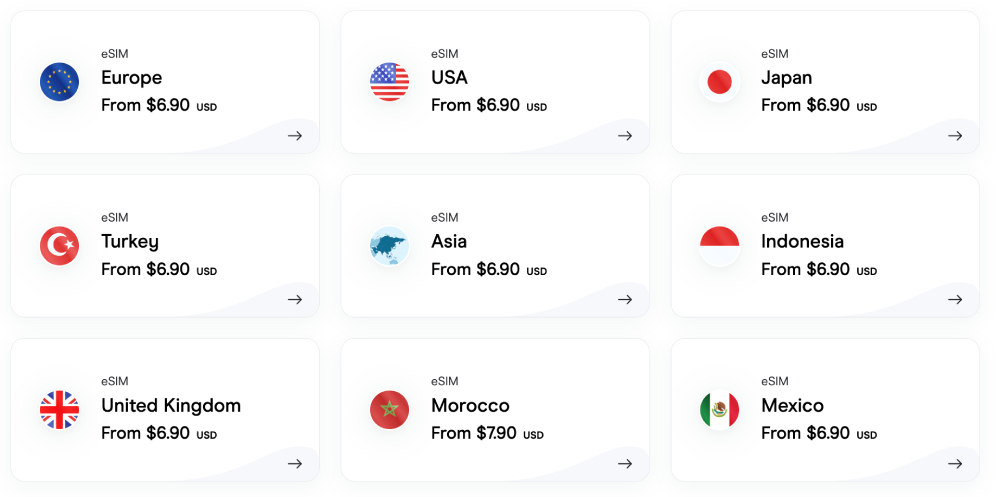
Holafly’s portfolio of eSIM plans is designed with the international traveler in mind, offering a balance of flexibility and comprehensive coverage. The company primarily offers unlimited data plans for key regions such as Europe and North America, with customizable durations ranging from a single day up to 90 days. This granular approach allows users to procure connectivity precisely for the duration of their travel, optimizing cost-efficiency.
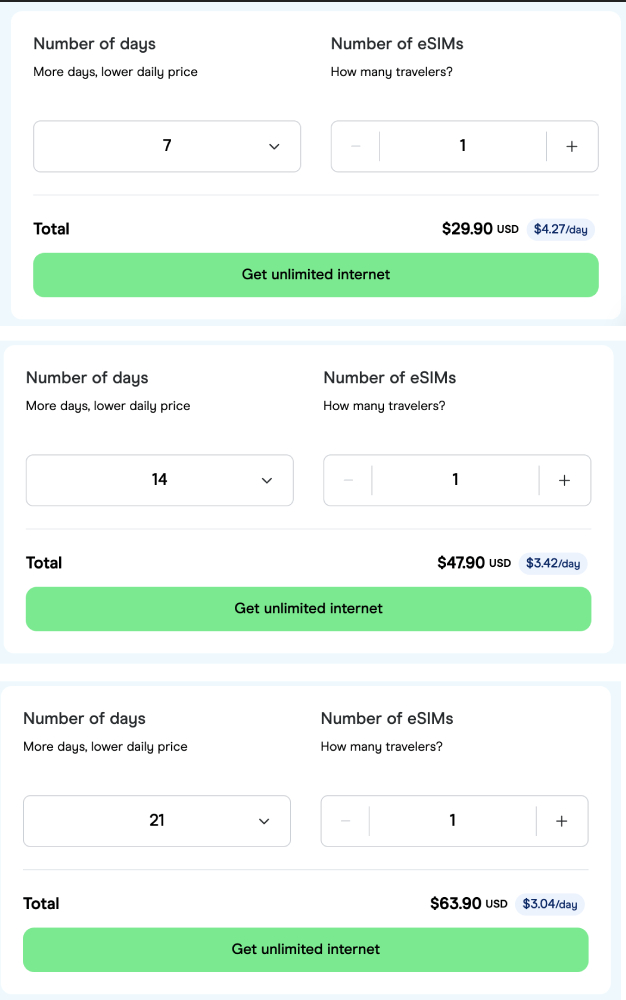
A notable aspect of Holafly’s pricing strategy is the decreasing per-day cost as the plan duration extends. For instance, a 7-day plan is priced at approximately $4.27 per day, whereas a 21-day plan drops to around $3 per day. The specific 15-day plan utilized in the Italy test amounted to $50.9, translating to an average daily cost of $3.39. This tiered pricing structure incentivizes longer-term commitments while still offering competitive rates for shorter trips.
While the term "unlimited data" often warrants scrutiny in the telecommunications sector due to potential fair usage policies or data throttling, Holafly’s offerings generally maintain high speeds for typical usage. The reviewer did not experience any instances of data throttling during their extensive use, suggesting that for standard travel-related activities such as navigation, messaging, and social media, the "unlimited" claim holds true in practice. However, it is a common industry practice for local providers, whose networks Holafly utilizes, to implement such policies for excessive data consumption (e.g., prolonged high-definition streaming), a detail important for users to consider.
Holafly boasts an impressive global reach, providing eSIM data plans for over 200 destinations worldwide. Beyond individual country plans, the company offers regional eSIMs, such as the "Europe" eSIM, which covers more than 40 European countries. This extensive coverage is achieved through strategic partnerships with local mobile network operators. Holafly functions as a Mobile Virtual Network Enabler (MVNE) or Mobile Virtual Network Operator (MVNO), leveraging the existing infrastructure of major carriers. For example, in Italy, Holafly users connect to the Wind Tre network; in France, it’s SFR; in the U.S., AT&T; and in Germany, T-Mobile. This partnership model ensures that Holafly users benefit from the established network quality and coverage of leading local providers. While generally providing speeds comparable to direct subscribers of these networks, there can be instances of slightly slower speeds during periods of heavy network congestion, a caveat common across many MVNO services.
Evolution of Holafly’s Offerings: The Discontinuation of Calling Minutes
An important update in Holafly’s service portfolio concerns its European eSIM data plans. In June 2023, Holafly introduced a significant enhancement: the inclusion of a European phone number with 60 minutes of calling credit for calls to other European phones. This feature was lauded for adding substantial value, particularly for travelers needing to make local reservations, contact tour operators, or communicate with fellow travelers within Europe without relying solely on data-based communication apps. However, as of the summer of 2024, this service has been discontinued. While the exact reasons for this discontinuation have not been publicly detailed by Holafly, such changes can often be attributed to evolving regulatory landscapes, cost-efficiency considerations in complex multi-carrier agreements, or a strategic decision to focus exclusively on core data services. The removal of this feature, while noted, does not detract from the primary value proposition of reliable data connectivity, which remains Holafly’s core offering.
Streamlined Setup, Installation, and Activation Process
One of the critical advantages of eSIM technology is its simplified setup process, a benefit that Holafly fully leverages. The installation and activation of a Holafly eSIM have been made even more user-friendly with recent operating system updates, particularly Apple’s iOS 17.4. This update introduced enhanced automatic eSIM installation and activation features, guiding users through the process with intuitive prompts.
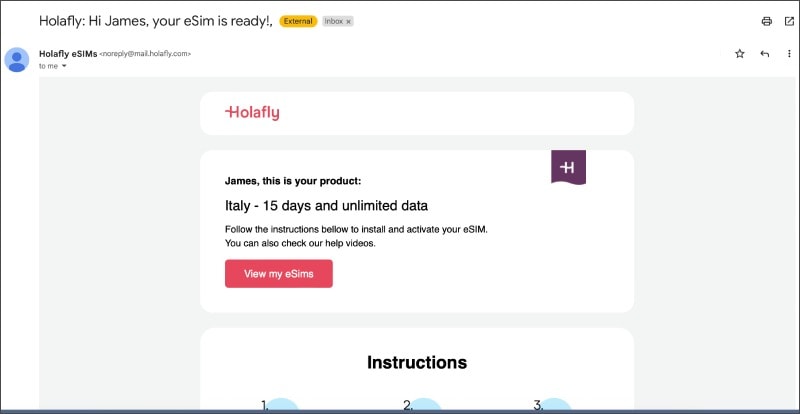
Upon purchasing a Holafly data package, customers receive an email containing a QR code. This QR code, or an alternative manual activation code, is central to the installation. Users simply scan the QR code with their smartphone, and the device then initiates a guided process for adding the cellular plan. The phone prompts for a few necessary setting adjustments, and once completed, the service is activated and automatically connects to the designated local provider.
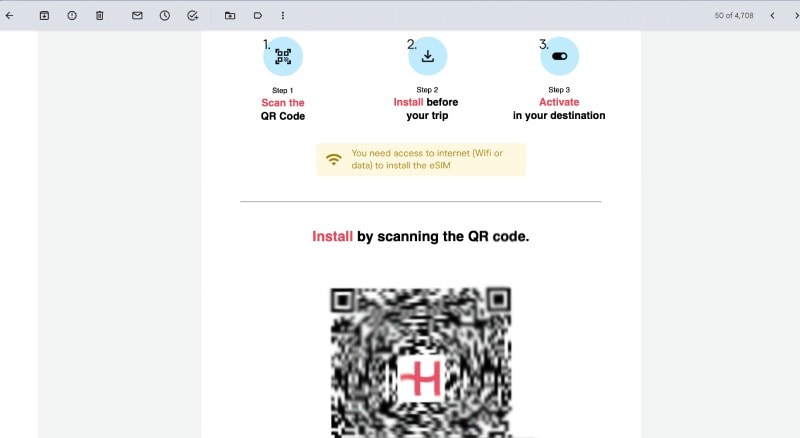
A crucial advisory for users is the timing of activation. While the eSIM can be installed prior to travel, it is imperative to delay activation until arrival at the destination. Accidental early activation can prematurely deplete the plan’s validity period. To mitigate this risk, it is recommended to install the Holafly eSIM on the morning of the flight or upon arrival, ensuring that the service duration aligns with the travel period. Despite the initial potential for confusion regarding installation versus activation, the overall process is notably straightforward and user-friendly, a significant improvement over the complexities of physical SIM card management.
Real-World Performance: A Comprehensive Assessment
The practical evaluation of the Holafly eSIM’s performance in Italy yielded overwhelmingly positive results. Despite initial skepticism often associated with "unlimited data" claims from new providers, the service consistently delivered high-quality connectivity throughout the two-week trip. The reviewer reported experiencing predominantly 5G speeds, with occasional transitions to LTE/4G, all without any perceptible data throttling.
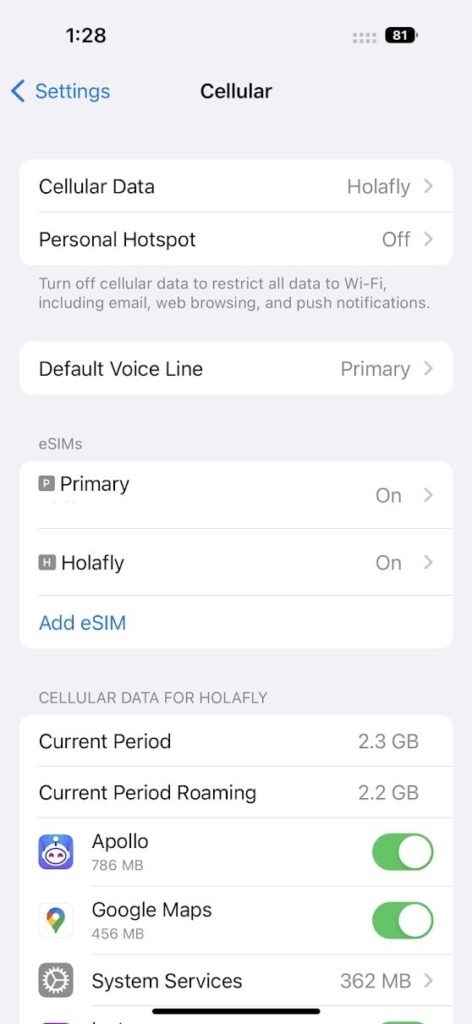
The eSIM proved highly effective across a range of typical traveler activities. Navigation applications, such as Google Maps, functioned flawlessly, providing accurate directions and real-time traffic updates without lag. Communication via iMessage, including the sending of high-resolution photos and videos, encountered no issues, demonstrating robust upload and download speeds. Social media applications also performed swiftly, allowing for quick posting and browsing. While the reviewer did not engage in extensive high-data-consumption activities like streaming large amounts of video content, the performance for standard usage scenarios was consistently reliable.
This consistent performance extended across varied Italian landscapes. From the bustling streets of Rome and Naples to the challenging cellular environments of a moving train between cities, and even in more isolated locales like the ancient site of Pompeii and the island of Capri, Holafly maintained strong signal integrity and data speeds. This broad geographic reliability suggests that Holafly’s partnerships with established local networks are effective in providing comprehensive coverage. Based on this robust performance in Italy, there is a reasonable expectation that Holafly’s service would perform similarly well across other developed nations and within the extensive European coverage area.
Value Proposition and Broader Market Implications

Holafly presents a compelling value proposition for international travelers. The affordability of its plans, with the 15-day service costing approximately $3.39 per day, stands in stark contrast to the typical international roaming charges levied by domestic carriers, which often exceed $10-$15 per day. This significant cost saving, combined with the convenience of digital activation and the reliability of service, positions Holafly as an attractive option for budget-conscious and tech-savvy travelers alike. The availability of a promotional code, "THESAVVYBACKPACKER," offering a 5% discount, further enhances its affordability.
The emergence and success of companies like Holafly carry broader implications for the global telecommunications landscape. For travelers, it signifies a future of increasingly seamless, flexible, and affordable international connectivity. The days of hunting for local SIM cards or incurring punitive roaming fees are gradually being replaced by the simplicity of activating an eSIM digitally before or upon arrival. This shift empowers travelers with greater control over their mobile expenses and ensures constant connectivity, essential for navigation, communication, and accessing information on the go.
For traditional mobile network operators, the rise of eSIM providers like Holafly represents both a challenge and an opportunity. It pressures them to innovate their international roaming packages, offering more competitive rates and user-friendly solutions to retain customers who might otherwise opt for third-party eSIM services. Simultaneously, it presents an opportunity for MNOs to diversify revenue streams by partnering with eSIM aggregators, effectively monetizing their existing network infrastructure through wholesale agreements.

The discontinuation of the European phone number feature, while a minor setback for some, reinforces Holafly’s primary focus on delivering high-quality, unlimited data. This specialization could be a strategic move to optimize service delivery and maintain competitive pricing in a rapidly evolving market.
In conclusion, the hands-on review indicates that Holafly has successfully carved out a niche as a dependable and cost-effective provider of international eSIM data plans. Its performance in Italy demonstrated consistent speed and reliability, fulfilling the promise of "unlimited data" for typical usage. As eSIM technology continues to mature and gain wider adoption, Holafly’s model of leveraging local network partnerships to offer affordable, flexible, and robust connectivity is poised to play an increasingly pivotal role in shaping the future of global travel and mobile communication.
Related posts: