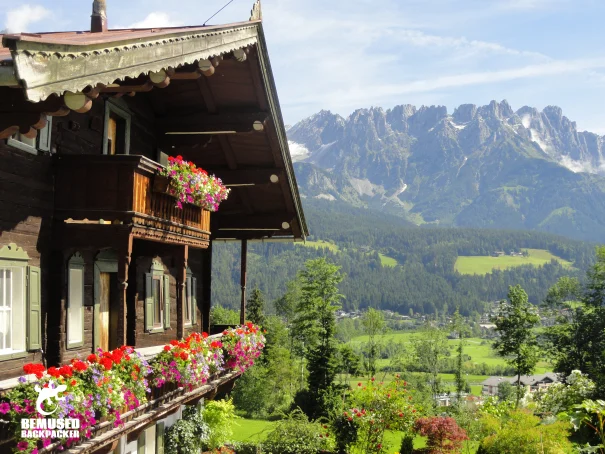
The Wilder Kaiser region, situated in the eastern reaches of the Austrian state of Tirol, has established itself as a premier global destination for both alpine sports and sustainable nature tourism. Flanked by the rugged limestone peaks of the Kaisergebirge mountain range to the north and the rolling grass-covered hills of the Kitzbühel Alps to the south, the region encompasses four primary municipalities: Ellmau, Going, Scheffau, and Söll. Historically significant for its agricultural heritage, the area has transitioned over the last century into a sophisticated tourism hub that balances high-capacity winter infrastructure with a commitment to preserving its ecological integrity and cultural traditions. This dual focus has enabled the Wilder Kaiser to remain a year-round attraction, drawing millions of visitors annually who seek a blend of adrenaline-fueled adventure and restorative wellness.
A Legacy of Alpine Excellence and Sustainable Tourism
The Wilder Kaiser’s prominence in the international travel sector is not incidental but the result of decades of strategic development and environmental stewardship. The region was the first in Austria to be awarded the "Austrian Hiking Seal of Approval," a certification that recognizes excellence in trail maintenance, signage, and natural diversity. This commitment to quality is mirrored in the winter season by the SkiWelt Wilder Kaiser-Brixental, which consistently ranks among the top ski resorts globally.
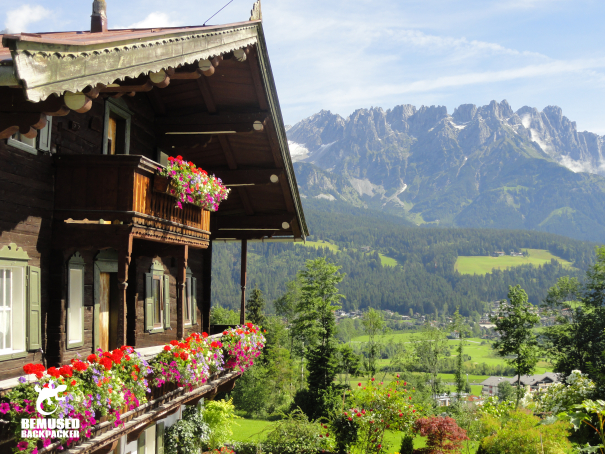
The economic and social fabric of the region is inextricably linked to its geography. The Kaisergebirge range, comprising the Zahmer Kaiser and the Wilder Kaiser peaks, was designated a nature reserve as early as 1963, ensuring that the expansion of tourism does not compromise the biodiversity of the Alpine flora and fauna. Today, the region serves as a model for "soft tourism," where modern amenities—such as high-tech cable cars and e-bike infrastructure—are integrated into a landscape that remains largely pristine.
1. Premier Hiking and the Alpine Seal of Quality
With over 400 kilometers of marked trails, hiking remains the cornerstone of the Wilder Kaiser’s summer appeal. The terrain caters to a wide demographic, from families seeking leisurely strolls through alpine meadows to professional mountaineers tackling the "Adlerweg" (Eagle Walk), Tirol’s most famous long-distance hiking trail. The region’s infrastructure includes a network of summer cable cars that provide easy access to high-altitude plateaus, allowing hikers to experience panoramic views of the Großglockner and the Hohe Tauern range without the necessity of a grueling ascent.
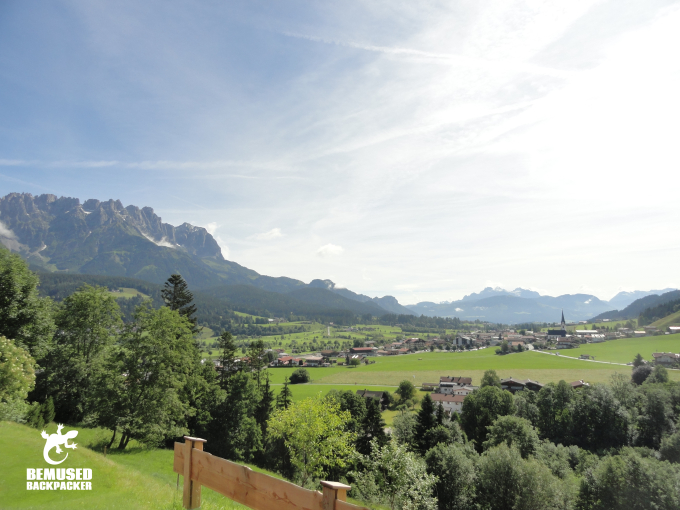
The geological diversity of the region is a significant draw. To the north, the limestone cliffs of the Wilder Kaiser offer dramatic, rocky landscapes, while the southern slopes provide gentler, greener paths. Educational themed trails, such as the "Hexenwasser" (Witches’ Water) in Söll, integrate local folklore with environmental education, making the region a leader in family-oriented mountain tourism.
2. World-Class Skiing at SkiWelt Wilder Kaiser-Brixental
During the winter months, the region transforms into one of the largest and most technologically advanced ski areas in the world. The SkiWelt Wilder Kaiser-Brixental features approximately 270 kilometers of interconnected slopes, serviced by over 80 modern lifts. The resort is notable for its snow reliability, supported by an extensive network of eco-friendly snow-making facilities that utilize natural meltwater reservoirs.
The SkiWelt is not merely defined by its scale but by its accessibility. With slopes ranging from "nursery" hills for beginners to challenging black runs and professional racing tracks, it accommodates all skill levels. Furthermore, the resort has invested heavily in night skiing infrastructure, particularly in Söll, which hosts the largest night skiing area in Austria, extending the operational hours of the slopes and providing a unique nocturnal alpine experience.
3. The Cardio-Vascular Benefits of Cross-Country Skiing
For those seeking an alternative to downhill skiing, the Wilder Kaiser offers over 60 kilometers of meticulously groomed cross-country trails. These trails traverse the valley floor, connecting the villages of Going, Ellmau, Scheffau, and Söll. Cross-country skiing is promoted in the region as a high-value "active wellness" activity, providing a full-body workout in a low-impact format.
The region’s commitment to this sport is evidenced by the floodlit village track in Scheffau, which allows enthusiasts to train after sunset. The "Koasalauf," one of the largest cross-country skiing events in Austria, takes place in the vicinity, attracting thousands of participants and highlighting the region’s status as a hub for Nordic sports.
4. Ecological Conservation and Natural Water Reserves
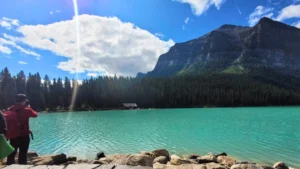
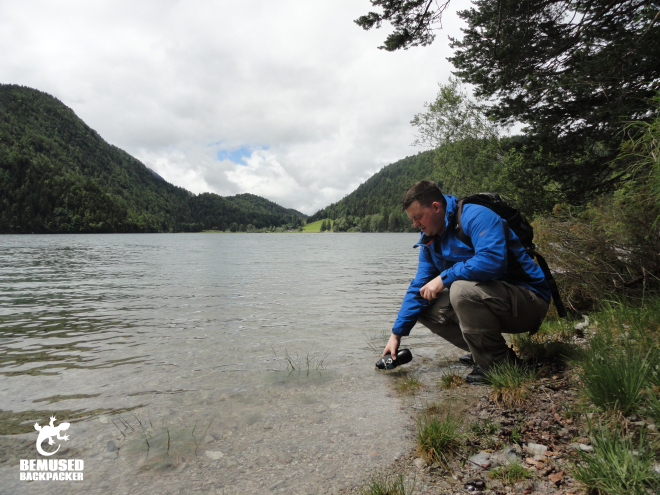
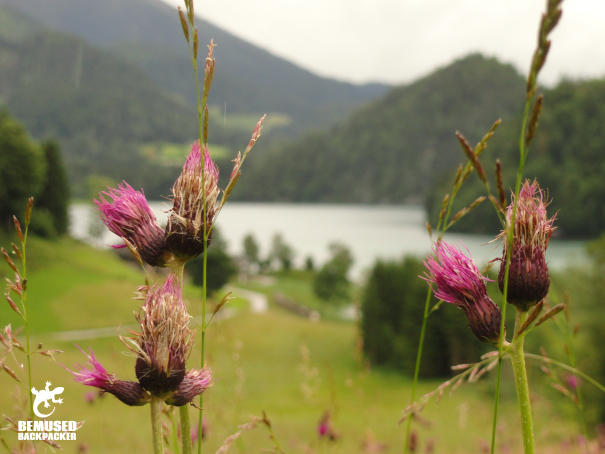
The Wilder Kaiser is home to some of Tirol’s most significant natural landmarks, including the Hintersteiner See in Scheffau. Frequently cited as the cleanest and most beautiful mountain lake in the province, Hintersteiner See is a prime example of the region’s successful conservation efforts. The lake is fed by underground springs and maintains a crystal-clear quality that attracts swimmers and hikers alike.
Beyond Hintersteiner See, the region is dotted with high-altitude lakes such as the Astbergsee and the Hartkaisersee, which serve as vital ecological reservoirs and aesthetic focal points. The presence of the Ramsar conservation area—a designation for wetlands of international importance—further underscores the region’s role in protecting Alpine water systems and the species that depend on them.
5. The Cultural Impact of the Bergdoktor Phenomenon
In recent years, the Wilder Kaiser has gained international fame as the primary filming location for the popular television series Der Bergdoktor. The village of Ellmau, in particular, has become a site of "screen tourism," where fans visit the "Bergdoktorhaus" and other iconic sets featured in the show.
Local authorities have integrated this cultural phenomenon into the tourism strategy by offering guided "Bergdoktor" trails and fan weeks. This has provided a significant boost to the local economy, demonstrating how modern media can be leveraged to promote traditional village life and alpine scenery to a global audience.
6. High-Adrenaline Canyoning and White-Water Rafting
The melting snows of the Alps feed the region’s rivers and gorges, creating ideal conditions for water-based adventure sports. Between June and September, the Wilder Kaiser becomes a destination for canyoning, where participants navigate deep gorges, waterfalls, and rock pools using techniques such as abseiling and jumping.
The Tiroler Ache stream, located near Kössen, is often referred to as the "Grand Canyon of the German-Austrian border." It offers world-class white-water rafting experiences through the Entenlochklamm gorge. These activities are managed by certified local guides, ensuring that the high-adrenaline experience is balanced with rigorous safety standards and environmental protection protocols.
7. The Evolution of Alpine Spa and Wellness Culture
Wellness in the Wilder Kaiser is characterized by "Active Wellness," a philosophy that combines physical exertion with therapeutic relaxation. The region boasts a high density of luxury spa hotels that utilize local natural resources, such as alpine herbs, mountain salt, and mineral-rich water, in their treatments.
The spa culture here is an extension of the Tirolean tradition of "Sommerfrische" (summer retreat), modernized to include state-of-the-art saunas, infinity pools with mountain views, and holistic health programs. This sector plays a crucial role in the region’s "four-season" strategy, attracting visitors during the shoulder seasons of spring and autumn.
8. Gastronomy and the "Kulinarium Wilder Kaiser"
The culinary landscape of the Wilder Kaiser is a sophisticated blend of traditional Tirolean fare and contemporary gourmet innovation. The region is famous for its "Culinary Weeks," particularly in the autumn, when the "Wilder Kaiser Gourmet Festival" in Scheffau showcases the talents of local chefs.
Traditional dishes such as Kaspressknödel (cheese dumplings) and Kaiserschmarrn (shredded pancakes) are served in over 80 mountain huts, many of which still source their ingredients from local alpine farms. This "farm-to-table" approach is a protected aspect of the regional identity, supported by the "Kulinarium Wilder Kaiser" initiative, which promotes high-quality local produce and Tirolean wines.
9. Infrastructure for the E-Bike Revolution
The Wilder Kaiser is part of the world’s largest E-bike region, featuring an extensive network of charging stations and rental outlets. With over 350 kilometers of cycling paths, the region has adapted its infrastructure to accommodate the surge in electric-assisted cycling, making the steep terrain of the Alps accessible to a broader range of ages and fitness levels.
The "Kaiser Circular Route" is a flagship trail that allows cyclists to circumnavigate the mountain range, passing through scenic villages and past natural landmarks like the Walchsee. This focus on cycling is part of a broader move toward carbon-neutral transport within the tourism sector.
10. Climbing Heritage and the Via Ferrata
The limestone walls of the Wilder Kaiser have been a mecca for climbers since the early 20th century. The region offers a diverse array of climbing opportunities, from well-secured via ferratas (iron paths) for intermediate climbers to challenging multi-pitch routes for professionals. The "Kaiserschützensteig" and the "Klamml" via ferrata are among the most famous routes, providing spectacular exposure and technical challenges. For indoor training, the region features modern climbing halls in Ellmau, ensuring that the sport remains viable regardless of weather conditions.
Analysis of Broader Implications and Future Outlook
The success of the Wilder Kaiser region offers a blueprint for sustainable alpine development. As climate change poses a threat to traditional winter sports, the region’s diversification into summer adventure, cultural tourism, and wellness ensures economic resilience. Data from the Tirol Tourism Board indicates that year-round occupancy rates in the Wilder Kaiser have remained stable despite global economic fluctuations, largely due to the high rate of returning visitors who value the region’s commitment to quality and authenticity.
However, the region faces the ongoing challenge of balancing high visitor numbers with environmental preservation. Future strategies are expected to focus on "smart" mobility solutions, such as increasing rail access and reducing car dependency within the valley. By maintaining its focus on the "Kaiser" brand—a name synonymous with both majesty and protection—the Wilder Kaiser is well-positioned to remain at the forefront of the global tourism industry for decades to come.