Empowering Amazigh Artisans: Anou’s Digital Revolution Transforms Morocco’s High Atlas Economy


Nestled within the majestic, often formidable valleys of Morocco’s High Atlas mountains, the Amazigh tribes have for generations maintained a way of life deeply rooted in agriculture and traditional craftsmanship. This enduring cultural heritage, however, has long been overshadowed by economic vulnerabilities, particularly the exploitative practices of intermediaries who historically siphoned the vast majority of profits from the sale of their exquisite goods. It was against this backdrop of cultural richness and economic disparity that Anou, Morocco’s pioneering truly fair-trade cooperative, emerged, leveraging digital innovation to empower artisans directly.
The Enduring Legacy of Amazigh Craftsmanship
The Amazigh, or Berbers as they are sometimes known, are the indigenous people of North Africa, with a profound history and distinctive culture that predates Arab influence in the region. In the High Atlas, their communities are characterized by a deep connection to the land and a remarkable resilience in preserving their traditions. Craftsmanship is not merely a trade but an integral part of their identity, passed down through generations. From the famed Beni Ourain rugs, celebrated globally for their minimalist beauty and warmth, to intricate wood carvings, delicate metalwork, and vibrant weaving, these creations serve both practical purposes in daily life and stand as testaments to extraordinary artistic skill. Beni Ourain rugs, for instance, are not just fashionable decor items but were originally crafted to provide essential warmth against the High Atlas’s notoriously harsh winters, where temperatures frequently plummet below freezing.
For decades, the economic reality for these artisans was stark. The journey from remote mountain villages like Ait Bougmez, located some 200 kilometers from Marrakech, was an arduous five-hour trek, often made impossible by severe weather conditions like snow, which could isolate communities for weeks. With limited access to personal vehicles and virtually non-existent public transportation, artisans found themselves geographically and economically marooned. This isolation created a perfect environment for exploitation.
The Middleman’s Grip: A History of Disadvantage
The traditional market system saw shop owners from major cities like Marrakech and Fez venturing into these remote villages. They would offer artisans a meager sum for their painstakingly crafted goods, or sometimes a token exchange – a 100 dirham ($10 USD) blanket for a rug that would later fetch thousands of dirhams (hundreds of dollars) in urban markets or internationally. Locals familiar with the trade estimate that as much as 95% of the final profit ended up in the middleman’s pocket, leaving the producers with a mere pittance.
This systemic exploitation was exacerbated by significant communication barriers. Many adult artisans in these regions are illiterate and primarily communicate in Tachelhit, a local Amazigh language distinct from Darija, the Moroccan dialect of Arabic. This linguistic divide, coupled with geographical isolation and a lack of market knowledge, left artisans with virtually no alternative but to accept these unfair terms. When questioned about their choices, the universal response was a resigned "what other choice did they have?" This question encapsulates the profound economic entrapment faced by communities whose livelihoods depended on selling their crafts.
The Genesis of Anou: A Vision of Direct Empowerment
The turning point arrived in 2008 with the arrival of Dan Driscoll, a Peace Corps volunteer assigned to Ait Bougmez. Driscoll, an American with a keen eye for leveraging technology for social good, quickly befriended Brahim El Mansouri, a local leader driven by a powerful desire to improve his community’s economic prospects. Their shared vision laid the foundation for Anou (pronounced "anew"), a cooperative designed to fundamentally transform the market landscape for Amazigh artisans.

Driscoll recognized the paradox of modern connectivity in a traditional setting. He recalled, "Here I was living in my mud house with no running water, but I could use the Internet." This observation sparked the idea: why not use the internet to connect artisans directly with global buyers? Initial attempts involved listing products on established e-commerce platforms like Etsy and eBay. However, this proved challenging. The platforms were designed for digitally literate users, predominantly in English, a language neither Dan nor Brahim’s initial group of artisans could read or write. Furthermore, the constant changes in website layouts and design led to frustration as memorized sequences for listing products became obsolete. It became clear that a truly effective solution would need to be built from the ground up, tailored specifically to the unique needs and context of the Amazigh artisans.
Anou’s Innovative Platform: Bridging the Digital Divide
The core principle behind Anou is radical simplicity and absolute transparency: to completely remove external organizations and allow local communities to manage their sales and receive 100% of the financial benefits of their labor. This commitment led to the development of a custom-built, culturally responsive, and largely language-free interface.
The platform’s design addresses critical barriers:
- Accessibility: Artisans primarily use basic smartphones with an internet connection.
- Ease of Use: A visual, icon-based interface allows artisans to easily take pictures of their products, upload them, and set their own prices. This intuitive design minimizes the need for literacy or proficiency in foreign languages.
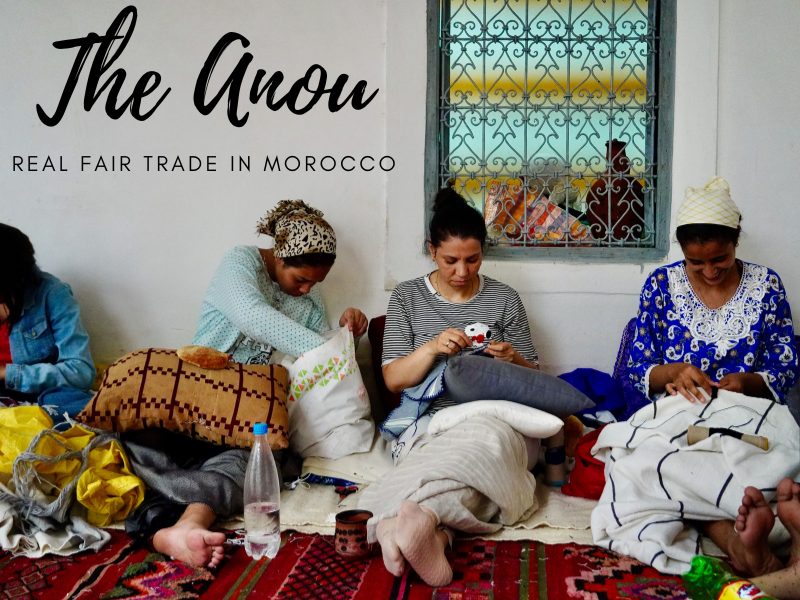
- Community Support: Each participating community has a dedicated trainer who guides new members through the process of using the technology, capturing high-quality product images, and pricing their goods fairly. This peer-to-peer learning model fosters self-sufficiency and digital literacy within the community.
- Quality Control and Feedback: Once a product is listed, the community trainer reviews it, providing feedback through a color-coded symbol system, ensuring accuracy and consistency.
- Streamlined Transactions: When a sale occurs, the artisan receives a simple text message containing only the item number and shipping address, minimizing cognitive load and avoiding complex financial jargon. Payments are processed securely and directly to the artisans.
This innovative approach has effectively bypassed the traditional middlemen, ensuring that the artisans receive the true value of their work. The transparency of the system empowers them not just economically, but also through ownership of the entire sales process, from creation to pricing to fulfillment.

Transformative Impact and Artisan Voices
The impact of Anou on the High Atlas communities has been profound and multifaceted. What began with a handful of artisans in Ait Bougmez has expanded to include 50 communities and 500 artisans across Morocco. The cooperative is not just about increasing income; it’s about fostering economic self-sufficiency, preserving cultural heritage, and empowering individuals, particularly women, who are often the primary weavers and craftswomen.
Fatima, a weaver and local trainer, embodies this transformation. Through Anou, she has seen tangible improvements in her family’s quality of life, gaining the ability to purchase essential food and clothing without constant financial worry. Beyond the material benefits, Fatima speaks of a newfound sense of pride and self-esteem derived from her economic independence. This sentiment resonates deeply across the participating communities, where artisans now have a direct stake in their economic future and a global platform to showcase their talent.
The success of Anou has shifted dynamics significantly. Where once the organization had to actively seek out artisans, communities are now proactively requesting to join. This organic growth underscores the cooperative’s efficacy and the widespread demand for fair economic opportunities in rural Morocco.
Broader Implications and Future Horizons

Anou’s model offers a compelling case study in sustainable development and digital inclusion. It demonstrates how appropriate technology, combined with community-led initiatives, can bridge significant geographical, linguistic, and educational divides. The cooperative’s success has several broader implications:
- Economic Empowerment: By ensuring artisans receive fair prices, Anou contributes directly to poverty reduction in some of Morocco’s most underserved regions. The goal of Brahim El Mansouri, Anou’s co-founder, is ambitious yet grounded: to expand to 800 communities and empower 80,000 artisans to earn a sustainable income of 2,000 dirham (approximately $200 USD) per month. While this might seem modest by Western standards, it represents a significant increase in disposable income for many rural Moroccan families, enabling access to better nutrition, education, and healthcare.
- Cultural Preservation: By making traditional crafts economically viable, Anou helps safeguard ancient techniques and designs that might otherwise be lost. The demand created through direct sales encourages younger generations to learn and continue these ancestral skills.
- Digital Literacy and Inclusion: The process of learning to use the Anou platform enhances digital literacy among artisans, integrating remote communities into the global digital economy. This is a crucial step in bridging the urban-rural digital divide.
- Gender Equality: A significant portion of Amazigh artisans are women. Anou’s platform provides them with independent income, enhancing their social standing and decision-making power within their households and communities.
- A Model for Fair Trade: Anou’s "zero-middleman" approach sets a new standard for fair trade, offering a more direct and transparent model than many traditional fair trade organizations that still involve multiple layers of distribution.
Anou is also strategically partnering with socially conscious tourism operators, such as Journey Beyond Travel, to offer immersive experiences. These partnerships allow visitors to engage directly with artisans, learn about their craft, and purchase goods on-site, further strengthening the direct connection and ensuring that tourism benefits local communities authentically and sustainably. This initiative aligns with a growing global demand for responsible tourism that prioritizes local economies and cultural exchange over mass-market exploitation.
The journey of Anou from a Peace Corps volunteer’s observation to a thriving digital cooperative underscores the power of local initiative combined with innovative technology. It is a testament to the resilience and entrepreneurial spirit of the Amazigh people and a beacon of hope for fair economic development in remote communities worldwide. By enabling artisans to reclaim the value of their artistry, Anou is not just selling products; it is building futures, preserving heritage, and fostering a profound sense of dignity and self-determination that, indeed, cannot be quantified. For those seeking to support this impactful movement, shopping directly on Anou’s website (https://www.theanou.com) offers a tangible way to contribute to the economic well-being and cultural vitality of Morocco’s Amazigh artisans.