North Carolina is frequently defined by its geographical extremes, from the rugged peaks of the Blue Ridge Mountains to the windswept dunes of the Outer Banks. However, a closer examination of the state’s interior reveals a sophisticated cultural infrastructure that transcends traditional tourism. In recent decades, the state has transitioned from an economy once dominated by tobacco, textiles, and furniture manufacturing to one increasingly fueled by the "creative economy." This shift is evidenced by the proliferation of bold murals, world-class galleries, and a community-centric approach to the arts that permeates both metropolitan hubs and rural enclaves.
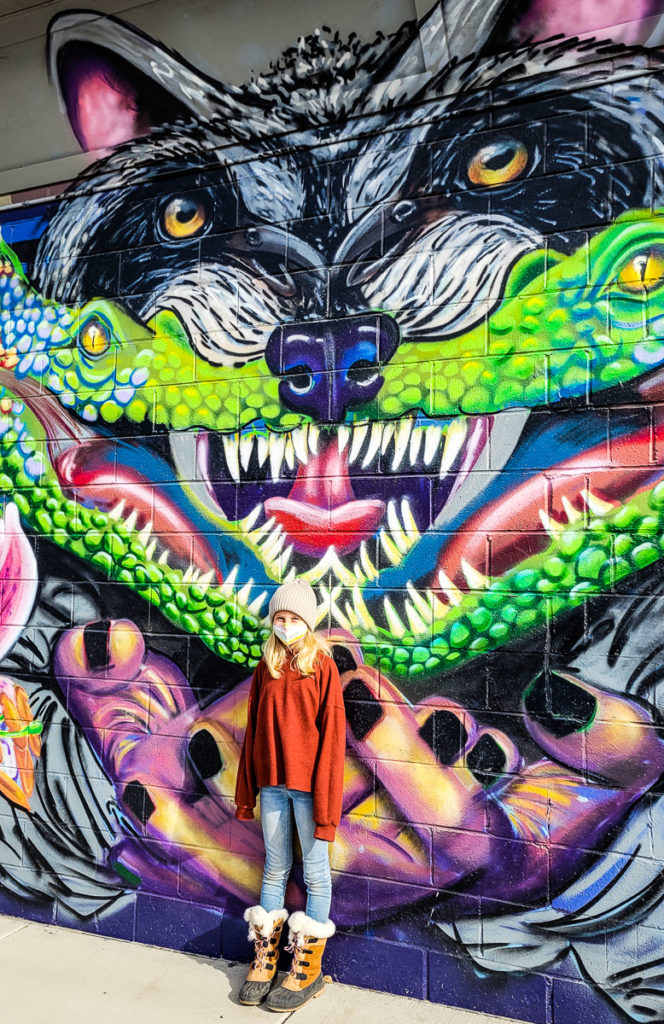
For the modern traveler and art enthusiast, North Carolina offers a diverse landscape where creativity is not confined to formal institutions but is woven into the social and economic fabric of its towns. From the industrial-chic galleries of Durham to the centuries-old pottery traditions of Seagrove, the state serves as a primary destination for those seeking a deeper connection with American craftsmanship and contemporary innovation.
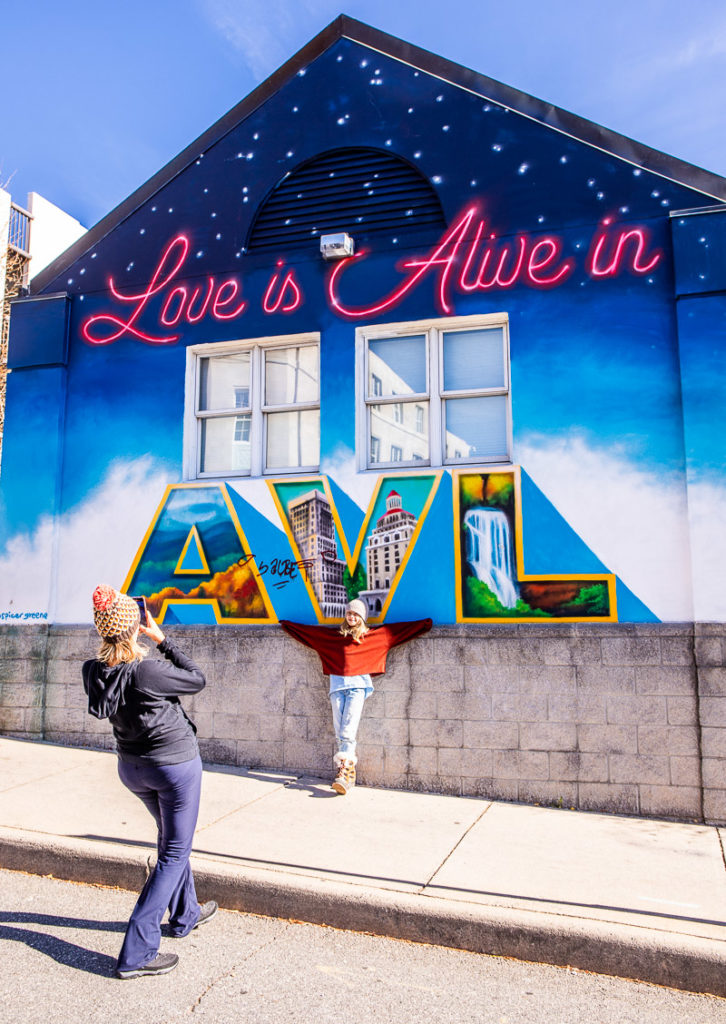
The Resilience of Asheville and the Western Creative Hub
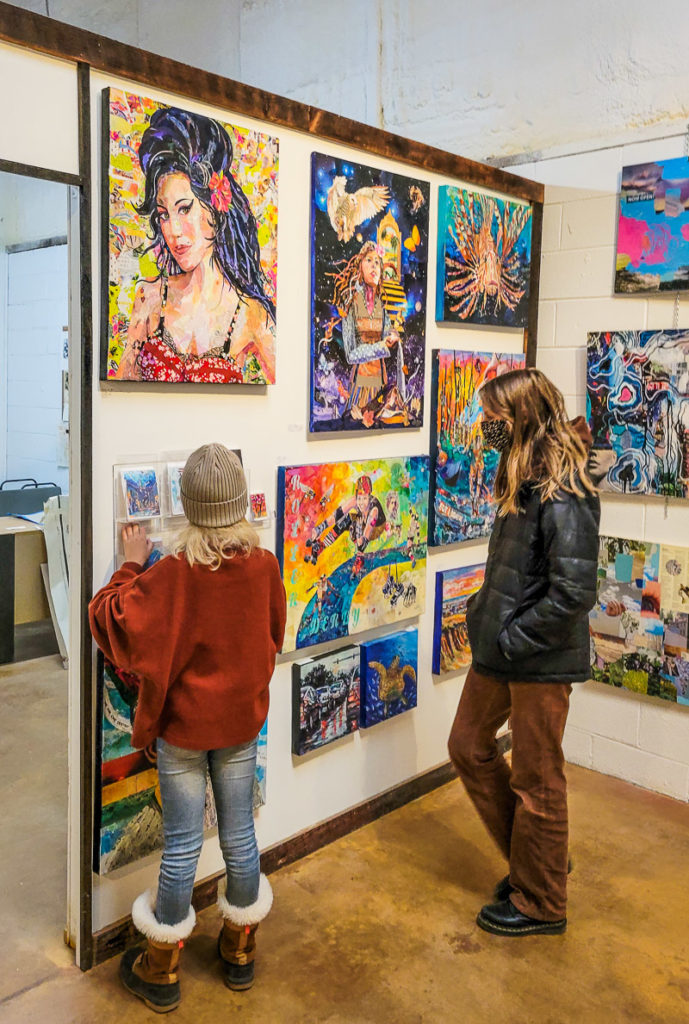
Asheville has long held the title of the premier mountain arts destination in the Southeast. Its creative identity is anchored by the River Arts District (RAD), a collection of former industrial warehouses along the French Broad River that now house more than 200 working artists. Visitors to the RAD can observe the creative process firsthand, engaging with painters, potters, glassblowers, and sculptors in their studios.
The city’s creative output extends into its renowned craft beer scene and a culinary landscape that frequently garners national accolades. However, the community faced an unprecedented challenge in late 2024 when Hurricane Helene caused catastrophic flooding, destroying significant portions of the River Arts District. In the wake of the disaster, local arts organizations and the Asheville Area Arts Council have emphasized a "spirit of intactness," launching recovery funds to rebuild the creative infrastructure. Despite the physical loss, the city’s cultural calendar remains robust, featuring acclaimed events such as Shindig on the Green, the Mountain Dance and Folk Festival, and the Asheville Fringe Arts Festival.
Durham and Winston-Salem: From Industry to Innovation
The transformation of Durham and Winston-Salem serves as a case study in urban revitalization through the arts. Durham, once the global center of tobacco production, has repurposed its historic brick warehouses into contemporary galleries and performance spaces. The American Tobacco Campus and the American Underground now serve as hubs for creators and changemakers, blending technology with artistic expression.
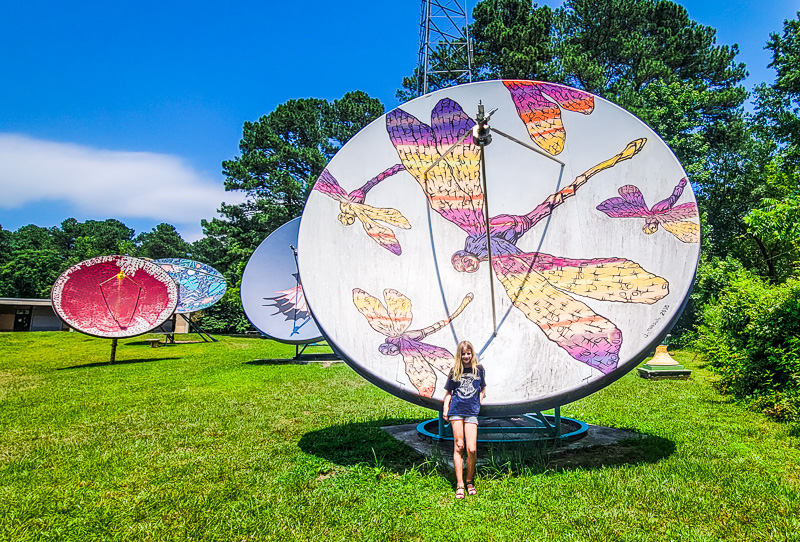
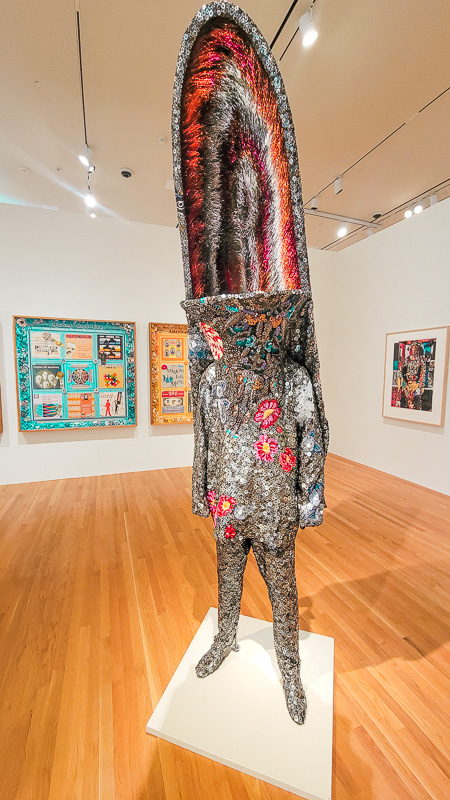
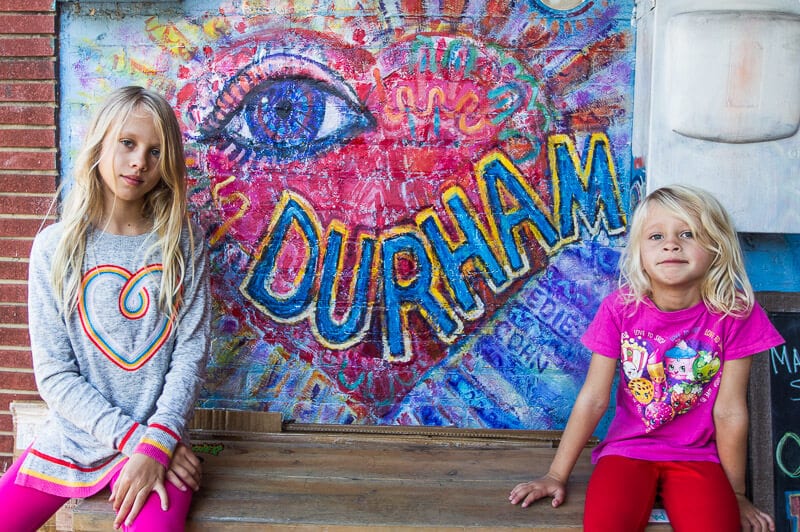
Durham’s cultural anchor, the Durham Performing Arts Center (DPAC), consistently ranks among the top-attended venues in the United States for Broadway touring productions. Complementing these large-scale performances is a thriving indie scene, exemplified by intimate jazz venues like the Sharp 9 Gallery and the Durham Underground Market. The Nasher Museum of Art at Duke University further elevates the city’s status, offering a world-class collection of contemporary art.
Similarly, Winston-Salem has officially adopted the moniker "City of Arts and Innovation." It is home to the first arts council in the United States, established in 1949, and the prestigious University of North Carolina School of the Arts (UNCSA). The city’s Downtown Arts District (DADA) provides a walkable corridor of studios and galleries, while "ARTivity on the Green" offers an art-themed urban park featuring misting towers and changing light installations. The Reynolda House Museum of American Art remains a cornerstone of the region, housing one of the country’s finest collections of American masterpieces in the former estate of R.J. Reynolds.

Raleigh: A Synthesis of Technology and Public Art
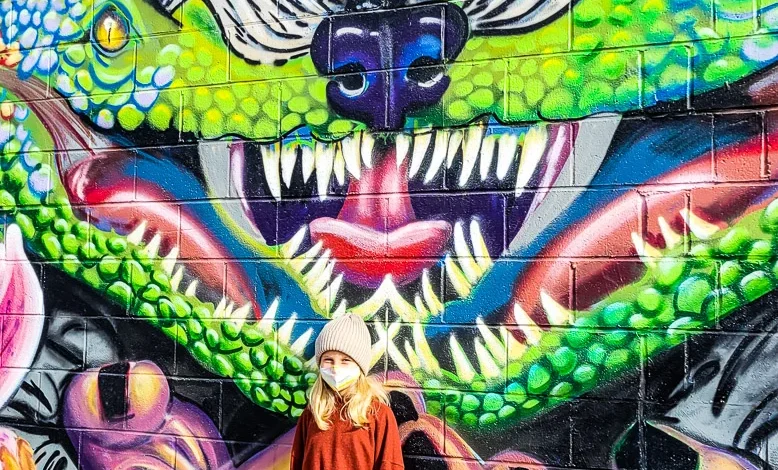
As the state capital, Raleigh has successfully integrated large-scale public institutions with grassroots artistic ventures. The North Carolina Museum of Art (NCMA) is a premier destination, featuring a sprawling 164-acre museum park where art and nature converge. Raleigh’s commitment to accessibility is reflected in the Raleigh Art Murals project, which has transformed the downtown district into an open-air exhibition.

The city’s creative energy is palpable during annual events like Artsplosure and the Illuminate Art Walk. A significant new addition to the landscape in late 2025 is the installation of five giant trolls by world-renowned recycle artist Thomas Dambo in Dorothea Dix Park. These sculptures, crafted from reclaimed materials, encourage environmental stewardship while providing a whimsical, interactive experience for visitors. Raleigh’s "ArtSpace" in the downtown core further supports the local economy by providing affordable coworking studios for artists, ensuring that the creative class remains central to the city’s growth.

The Academic Influence: Carrboro and Chapel Hill
The proximity of the University of North Carolina at Chapel Hill has fostered a unique artistic ecosystem in the neighboring towns of Chapel Hill and Carrboro. Carrboro is frequently cited as the state’s most "unapologetically artsy" town, maintaining a fiercely local and eccentric identity. The ArtsCenter in Carrboro serves as a community nexus, offering classes, theater productions, and gallery space. The town’s musical heritage is cemented by Cat’s Cradle, a venue that has hosted legendary acts for over 50 years, ranging from Nirvana to Public Enemy.

Chapel Hill complements this energy with a more formal academic focus. The Ackland Art Museum houses over 20,000 works of art, providing a comprehensive historical perspective. The town also places a high value on the written word, supporting a Poet Laureate program and hosting the West End Poetry Festival. The biennial selection of a Poet Laureate underscores a regional philosophy that creativity is a public good worthy of financial support and official recognition.

Seagrove: The Pottery Capital of the United States
While metropolitan areas focus on contemporary shifts, the town of Seagrove maintains a creative legacy that dates back more than 300 years. Located in the central Piedmont region, Seagrove is home to the largest concentration of working potters in the country. The abundance of local red clay led to the establishment of a pottery tradition that has been passed down through multiple generations.

Today, more than 100 pottery studios are scattered along the quiet backroads of Seagrove. The North Carolina Pottery Center serves as the interpretive heart of the town, detailing the evolution from utilitarian salt-glazed jugs to modern sculptural ceramics. The annual Seagrove Pottery Festival in November attracts collectors from across the globe, yet the town retains a grounded, tactile atmosphere. Analysts suggest that Seagrove’s success lies in its "slow art" movement, offering a human-centric alternative to mass-produced consumer goods.

Coastal Creativity and Highland Heritage: Wilmington and Blowing Rock
Wilmington’s creative identity is inextricably linked to its film industry. Often referred to as "Hollywood East," the city has served as the backdrop for hundreds of films and television series, including Iron Man 3 and Dawson’s Creek. Beyond the screen, Wilmington’s Riverwalk is adorned with public sculptures and murals, while the Cameron Art Museum (CAM) provides a sophisticated venue for regional and international fine art. A unique highlight is the "Bottle Chapel" at Airlie Gardens, a mosaic structure made from thousands of glass bottles, symbolizing the intersection of folk art and environmental consciousness.

In the High Country, Blowing Rock and Black Mountain offer a blend of Appalachian tradition and modern artistic flair. Blowing Rock’s Art in the Park series and the Blowing Rock Art and History Museum (BRAHM) highlight the region’s photographers and painters. Black Mountain, once the site of the experimental Black Mountain College (which hosted luminaries like Robert Rauschenberg and Merce Cunningham), continues to attract a high density of artists. The town features the Black Mountain Center for the Arts and the notable religious frescoes of Benjamin F. Long IV, maintaining a link to classical techniques within a mountain setting.

Economic Impact and Broader Implications
The concentration of creative talent in North Carolina is more than a cultural asset; it is a significant economic driver. According to data from the North Carolina Arts Council, the nonprofit arts and culture sector generates over $2.1 billion in direct economic activity annually. This sector supports more than 72,000 full-time equivalent jobs and generates $201 million in local and state government revenue.

The success of these creative towns suggests that investment in the arts is a viable strategy for sustainable urban and rural development. By preserving historic architecture, supporting local artisans, and integrating art into public spaces, North Carolina has created a blueprint for regional identity in the 21st century. As the state continues to grow, these creative hubs serve as essential anchors, ensuring that innovation remains grounded in community and heritage. For the art lover, North Carolina provides not just a gallery to view, but a vibrant, living ecosystem to experience.