Discovering Rhode Island: A Comprehensive Guide to the Smallest States Big Family Appeal


Rhode Island may hold the distinction of being the smallest state in the United States by land area, but its contribution to the New England tourism sector is disproportionately significant, particularly for families seeking a blend of coastal leisure and historical immersion. While neighboring destinations like Cape Cod or Martha’s Vineyard often dominate the summer headlines, Rhode Island offers a distinct alternative characterized by shorter travel distances, a more deliberate pace of life, and a landscape that remains remarkably uncrowded. The state’s 1,214 square miles are packed with nearly 400 miles of coastline, ranging from the rugged cliffs of Newport to the serene, sandy stretches of South County. For travelers, the ease of exploration is the primary draw; one can traverse from the urban cultural hubs of Providence to the tranquil shores of Watch Hill in under an hour, making it a premier destination for multi-generational travel.

The Strategic Appeal of the Ocean State
The state’s tourism infrastructure is built upon its unique geography. Rhode Island is essentially defined by Narragansett Bay, a north-south trending ria, or drowned river valley, that encompasses an archipelago of over 30 islands. This geographical layout creates a sheltered maritime environment that has historically fostered both a robust naval presence and a world-class sailing culture. Loren Braunohler, a Travel Advisor for Ciao Bambino and a resident of the state, emphasizes that the appeal lies in the balance of activities. "Rhode Island is a dream," Braunohler notes, highlighting how the region allows families to seamlessly integrate beach time with rigorous historical education and outdoor adventure.
Unlike many high-traffic summer colonies, Rhode Island’s coastal roads often remain navigable even during peak weekends, and the absence of massive high-rise resorts along much of the shoreline helps maintain an authentic, "off-the-beaten-path" atmosphere. This preservation of character is partly due to strict local zoning and a long-standing commitment to coastal conservation, which ensures that the historic seaside towns retain their architectural integrity.
A Chronology of Coastal Heritage and the Gilded Age
To understand Rhode Island’s current status as a premier destination, one must look at its historical evolution. The state’s trajectory from a colonial maritime powerhouse to a playground for the Industrial Revolution’s elite has left an indelible mark on its landscape.
- Colonial Origins (1636–1776): Founded by Roger Williams on the principle of religious freedom, the state developed as a hub for trade. Newport, in particular, became one of the five most important cities in the colonies.
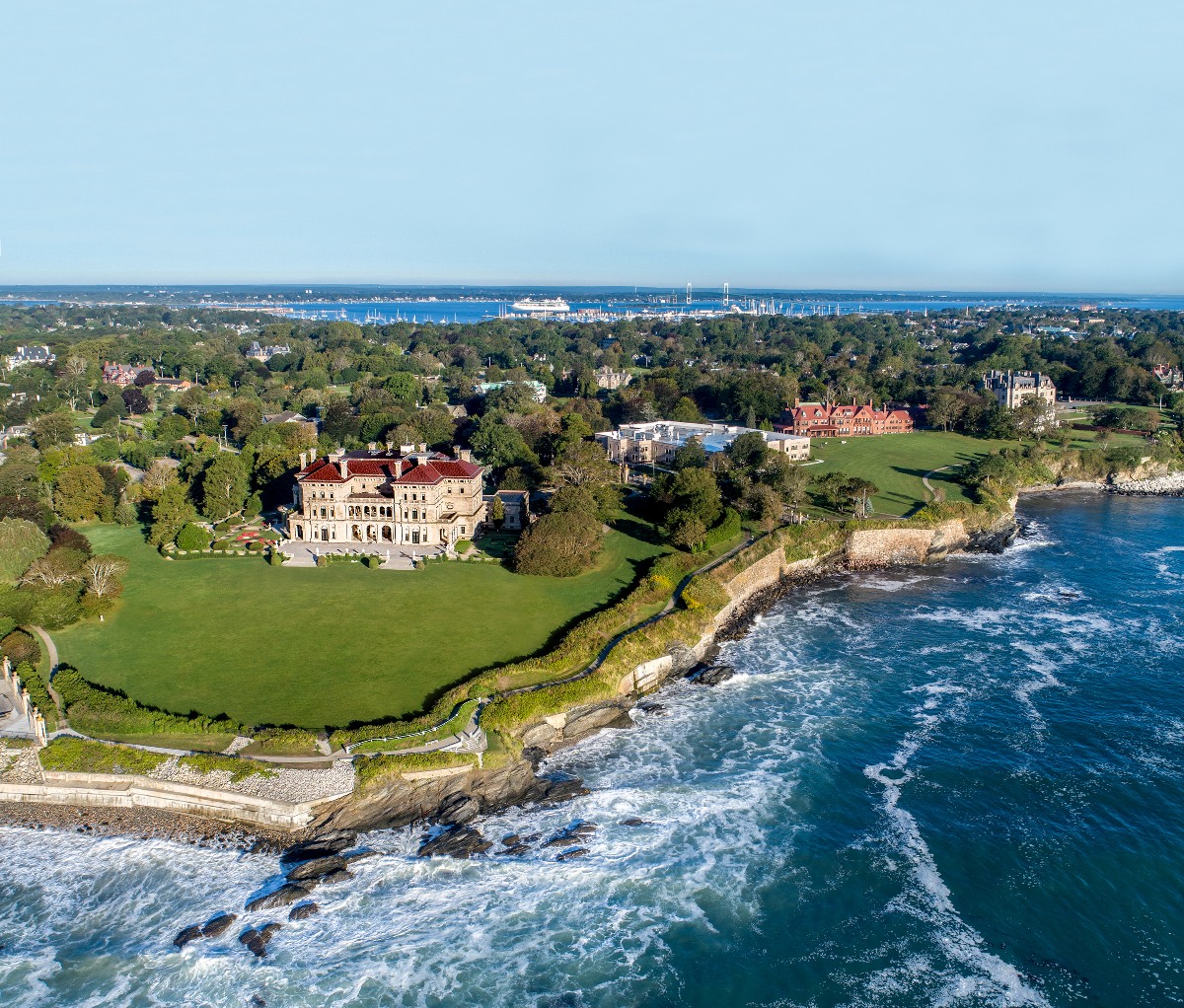
- The Gilded Age (1870–1900): During the late 19th century, America’s wealthiest families—the Vanderbilts, Astors, and Morgans—chose Newport as the site for their "summer cottages." These palatial estates, such as The Breakers and Marble House, were designed by renowned architects like Richard Morris Hunt and remains the pinnacle of American Renaissance architecture.
- The Rise of Modern Tourism (1950s–Present): Following the decline of the industrial era, Rhode Island pivoted toward its "Ocean State" identity. The establishment of the Newport Folk Festival (1959) and the Newport Jazz Festival (1954) cemented the region as a cultural destination, while the preservation of its beaches ensured a steady stream of seasonal visitors.
Analytical Overview of Top Family-Friendly Shorelines
Rhode Island’s coastline is diverse, offering different experiences depending on the specific "cove" or "point" a family chooses to visit. Navigating the beach system requires some logistical foresight, as parking and access permits vary by municipality.
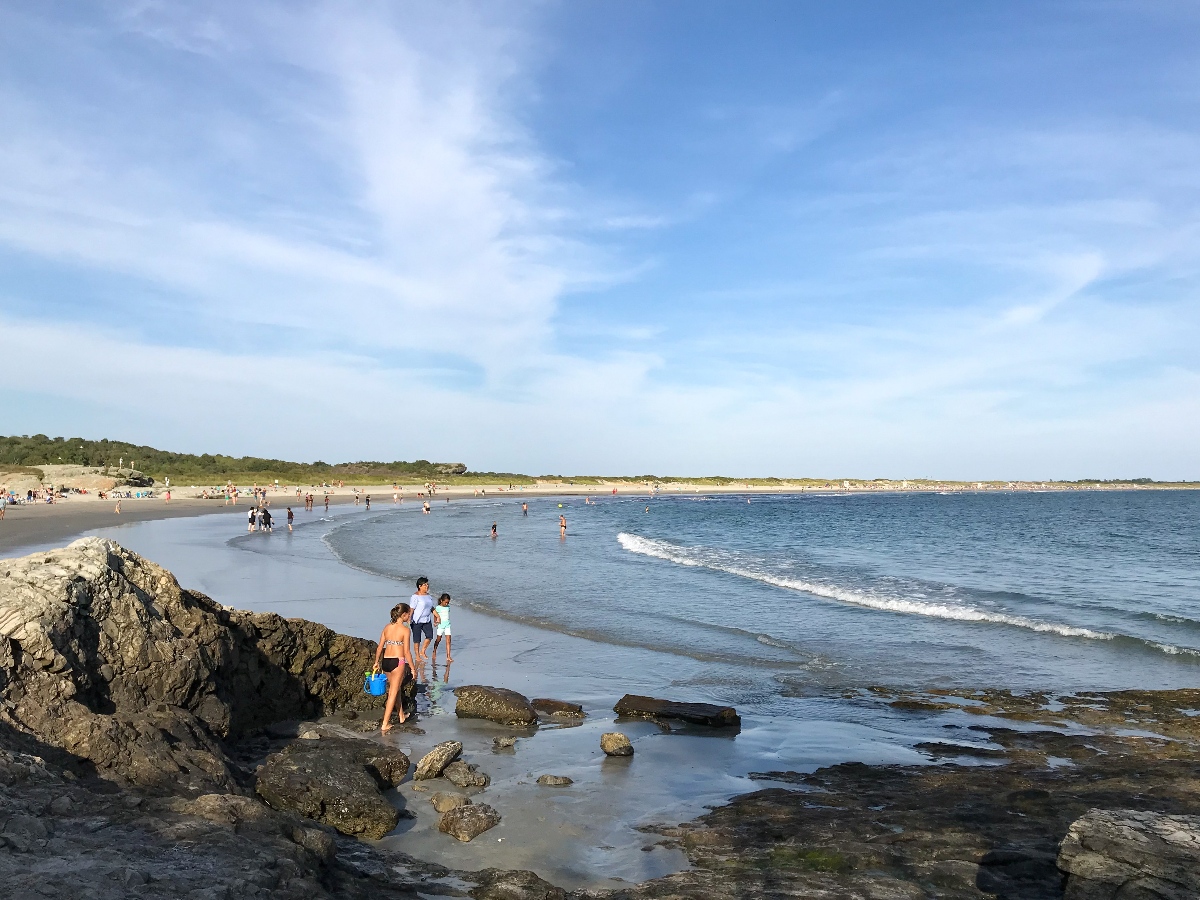
Second Beach (Sachuest Beach), Middletown
Located adjacent to the Sachuest Point National Wildlife Refuge, this mile-long crescent of sand is favored by locals for its pristine environment and excellent surfing conditions. The beach is a prime example of the state’s efforts to blend recreation with conservation; the nearby refuge provides a habitat for migratory birds and New England cottontail rabbits, offering an educational component to a standard beach day.
Narragansett Town Beach
Situated in the heart of Narragansett, this beach is a cornerstone of the local economy. It is widely regarded as one of the best surfing spots in New England due to its consistent swell. During the summer months, the town integrates community programming into the beach experience, hosting outdoor cinema events and food truck festivals. Data from the Narragansett Chamber of Commerce indicates that the beach attracts over 10,000 visitors on peak summer days, necessitating an early arrival for those seeking parking.
Gooseberry Beach, Newport
Tucked away along the exclusive Ocean Drive, Gooseberry Beach offers a more sheltered experience. Because it is situated within a cove, the waters are notably calmer than the Atlantic-facing beaches, making it the preferred choice for families with toddlers or young children. The backdrop of Gilded Age estates provides a scenic vista that is unique to the Newport coastline.
Urban Renaissance: The Cultural Depth of Providence
While the coast is the primary draw in summer, the capital city of Providence serves as the state’s intellectual and artistic heart. Home to Brown University and the Rhode Island School of Design (RISD), the city has undergone a significant "Renaissance" over the last three decades, transforming its downtown riverfront into a public space.
The centerpiece of this transformation is WaterFire, an award-winning installation by artist Barnaby Evans. The event involves the lighting of over 80 braziers on the three rivers that pass through the center of downtown. This installation is more than just an aesthetic display; it is a major economic driver, attracting an estimated one million visitors annually and generating significant revenue for local hospitality businesses.
For families, the city offers the Roger Williams Park Zoo, one of the oldest zoos in the country. Spanning 40 acres, it is recognized for its conservation efforts, particularly regarding the red panda and the African elephant. Additionally, the Providence Children’s Museum and the Museum of Natural History and Planetarium provide hands-on educational opportunities that align with STEM curricula, making the city a viable destination for educational travel during the shoulder seasons.

The Maritime Legacy: Newport and Block Island
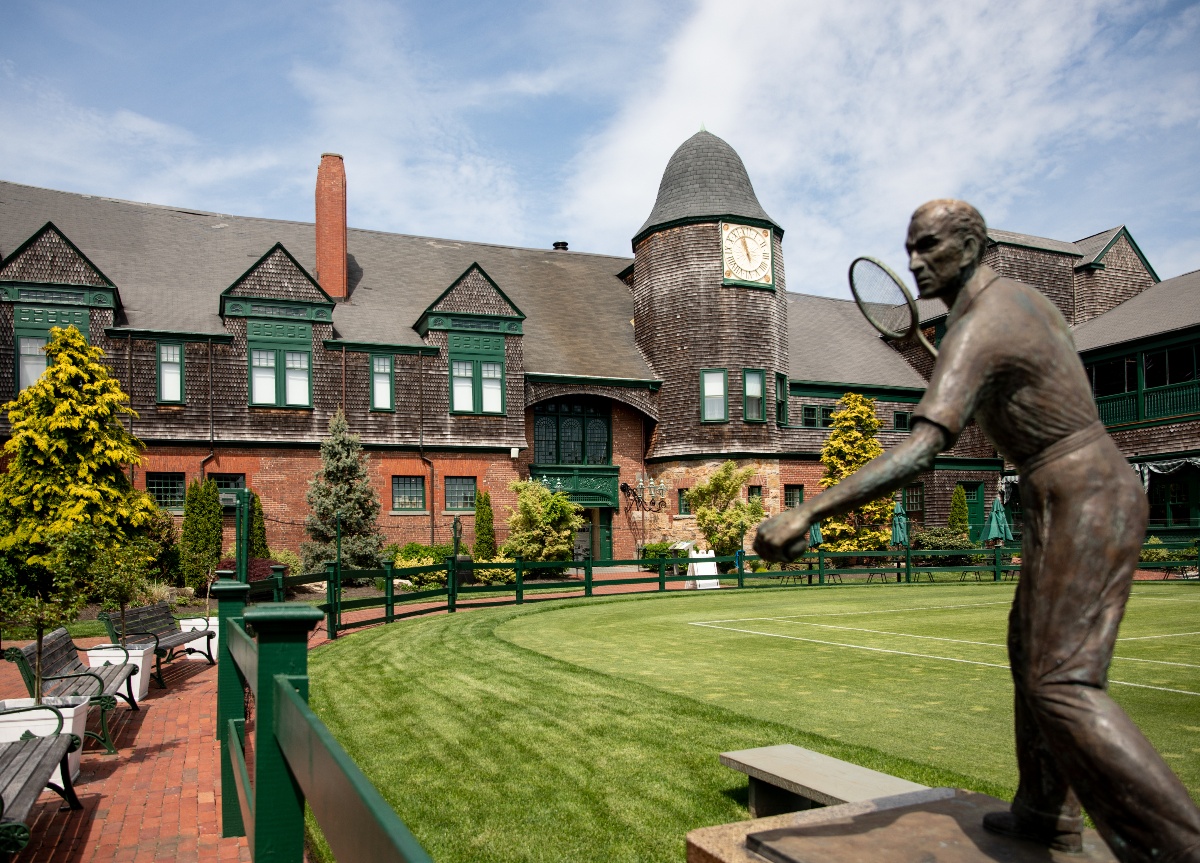
Newport’s identity is inextricably linked to the sea. As the former home of the America’s Cup for over 50 years, the city remains a global epicenter for sailing. Families can engage with this history at the International Tennis Hall of Fame, located at the Newport Casino. This site is significant not only for its museum but for its historic grass courts, which remain open to the public—a rarity in the sporting world.
Further south, Fort Adams State Park offers a glimpse into the nation’s military past. Constructed in the mid-19th century, the fort features a complex system of "listening tunnels" designed to detect enemy mining operations. Today, it serves as a panoramic vantage point for Newport Harbor and a venue for the state’s most prestigious music festivals.

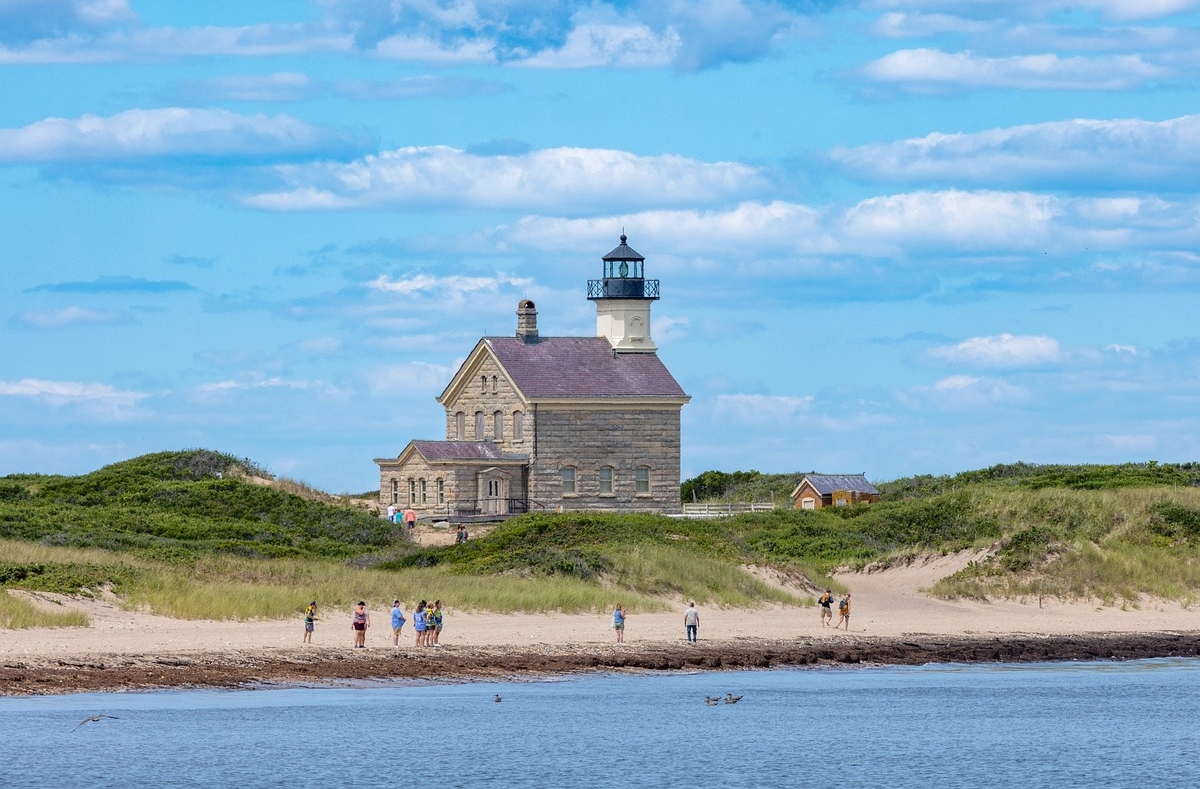
A short 45-minute ferry ride from the mainland leads to Block Island, which The Nature Conservancy once named one of the "Twelve Last Great Places" in the Western Hemisphere. The island is characterized by the Mohegan Bluffs—clay cliffs that rise 150 feet above the Atlantic—and a commitment to land preservation. Roughly 47% of the island is protected from development, ensuring that its 28 miles of hiking trails and two historic lighthouses remain accessible to the public in their natural state.
Premier Accommodations and Economic Impact
Rhode Island’s hospitality sector has evolved to offer luxury experiences that cater specifically to the family demographic. The economic impact of these high-end establishments is substantial, contributing to the $4.5 billion that tourism brings into the state annually.
- Ocean House (Watch Hill): This Forbes Five-Star property is a reconstruction of a 1868 hotel. It represents the pinnacle of New England luxury, offering a private beach and a robust "Sandcastle Club" for children. Its sister property, the Weekapaug Inn, offers a more naturalist-focused experience on the shores of Quonochontaug Pond, highlighting the state’s diverse ecosystem.
- The Vanderbilt (Newport): An Auberge Collection property, this hotel is housed in a 1909 mansion built by Alfred Gwynne Vanderbilt. It provides an immersive Gilded Age experience with modern family amenities, including indoor and outdoor pools and proximity to the historic Thames Street shopping district.
- The Brenton Hotel (Newport): Representing the modern side of Newport luxury, The Brenton focuses on floor-to-ceiling harbor views and suite-style layouts. Its "book concierge" service and dog-friendly policies reflect a broader trend in the hospitality industry toward personalized, lifestyle-oriented stays.
Broader Implications and Environmental Stewardship
The future of Rhode Island’s tourism industry is closely tied to the health of Narragansett Bay. Organizations like Save The Bay play a critical role in both education and advocacy. The Hamilton Family Aquarium in Newport serves as a front-line educational tool, introducing younger generations to the importance of marine biodiversity.
As climate change continues to impact coastal regions, Rhode Island has become a leader in coastal resiliency planning. The state’s ability to balance its historic preservation with the need for modern, sustainable infrastructure will determine its long-term viability as a premier travel destination. For now, the "Ocean State" remains a compelling example of how a small geographic footprint can host a vast array of cultural, historical, and recreational riches, providing a slow-paced sanctuary in an increasingly fast-paced world.