Global Travel Trends and Regional Infrastructure Challenges A Comprehensive Analysis of December 2025 Tourism across the Caribbean and North America

The final month of 2025 witnessed a significant surge in multi-destination international travel, characterized by a complex intersection of luxury maritime expeditions, cultural tourism, and disparate levels of regional infrastructure development. As the global travel industry continues to evolve in the post-pandemic era, the month of December served as a case study for the contrasting experiences available within the Caribbean basin and the North American northeast. From the highly developed tourism corridors of Barbados and Saint Martin to the rugged, nascent industry in Dominica, the period highlighted the critical role of logistics, economic accessibility, and environmental resilience in shaping the modern traveler’s itinerary.

Strategic Overview of Caribbean Maritime Tourism
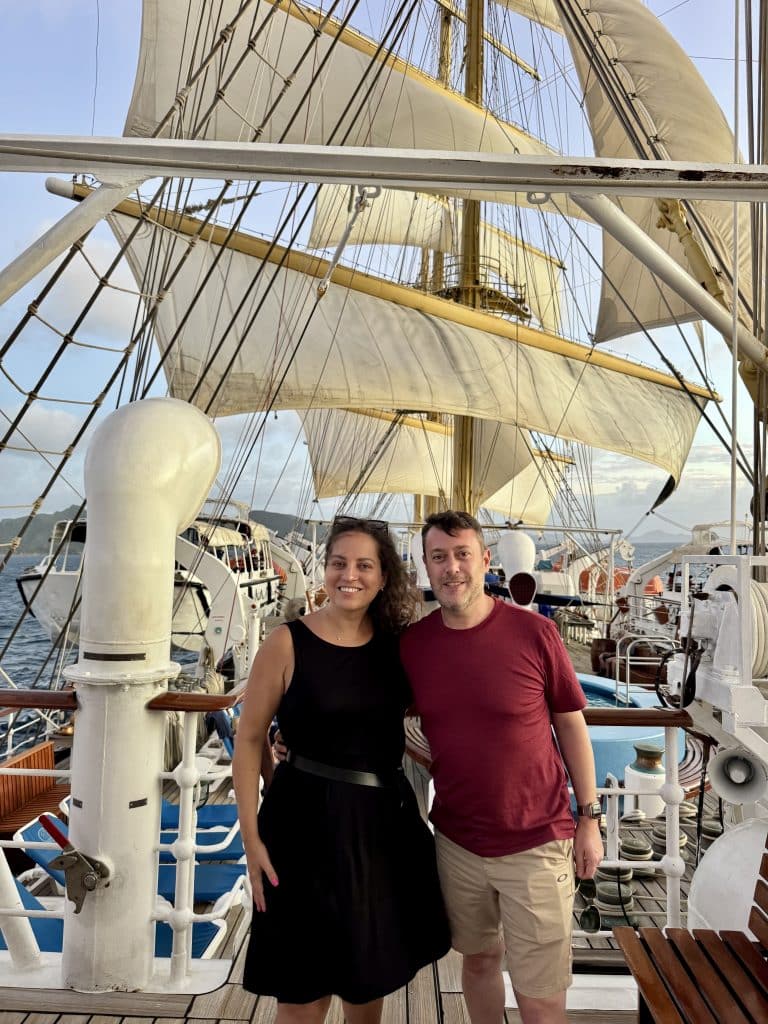
A central feature of the late-2025 travel landscape was the continued popularity of niche, small-ship cruising, exemplified by the operations of Star Clippers. The deployment of the Royal Clipper, a five-masted, square-rigged sailing vessel, underscores a growing demand for "retro-elegant" maritime experiences that prioritize traditional sailing mechanics over the mass-market amenities of mega-cruise ships.
Departing from Bridgetown, Barbados, the mid-December itinerary spanned several sovereign states and overseas territories, including Grenada, St. Vincent and the Grenadines, Martinique, and St. Lucia. Data from maritime industry analysts suggest that small-ship cruising accounts for an increasing share of the luxury market, as passengers seek access to smaller ports like the Tobago Cays and Bequia, which remain inaccessible to larger vessels. The Royal Clipper, recognized by Guinness World Records as the largest square-rigged ship in service, offers a distinct value proposition by integrating participatory activities—such as mast-climbing and bow-sprit netting—into the luxury experience.

Regional Infrastructure and Economic Disparity: Barbados vs. Dominica
The contrast between the tourism infrastructures of Barbados and Dominica in December 2025 provided a stark illustration of the economic diversity within the Lesser Antilles.
The Barbados Model: High-End Development and Inflationary Pressures
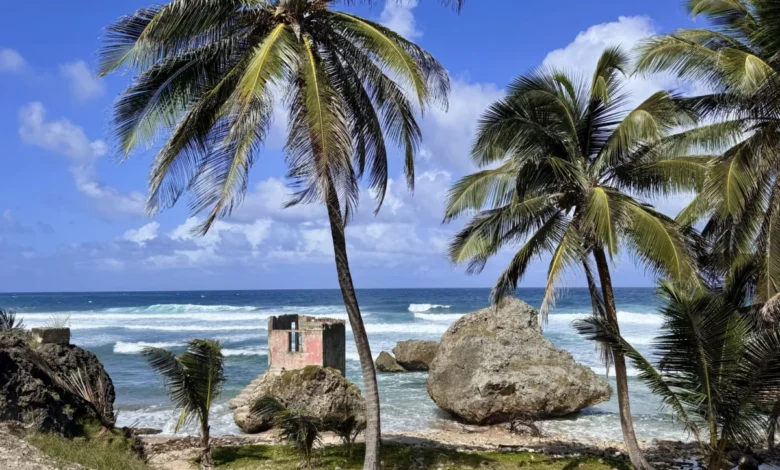
Barbados remains a premier destination for travelers seeking a high-density "activity-based" environment. The island’s infrastructure supports a wide array of historical tours, geological excursions such as Harrison’s Cave, and world-class culinary events like the Oistins Friday Night Fish Fry. However, this level of development has been accompanied by significant inflationary pressures. Reports indicate that the cost of basic services and dining in Barbados has reached a threshold that some analysts describe as "prohibitive" for mid-market travelers. For instance, a standard breakfast for two in a tourist-centric district can exceed $50 USD, reflecting a broader trend of rising operational costs and high import duties across the island.
The Dominica Challenge: Resilience and Recovery
In contrast, Dominica continues to grapple with the long-term effects of environmental volatility and underfunded infrastructure. While the island is celebrated for its "nature island" branding—featuring geothermal hot springs in Wotten Waven and the scenic Indian River—the logistical realities for visitors remain difficult.
Following the devastating impacts of Hurricane Maria in 2017 and subsequent tropical storms, the northern road networks of Dominica remain in a state of disrepair. Travelers in December reported hazardous driving conditions characterized by severe potholes and unlit mountain passes. Furthermore, the island’s service economy remains restricted; in areas like Marigot, food accessibility is limited by early closing times for essential vendors, often before 6:00 PM. Analysts suggest that for Dominica to transition into a more competitive destination, significant investment in road safety and the stabilization of the service sector is required.

The Dual-Governance Dynamics of Saint Martin
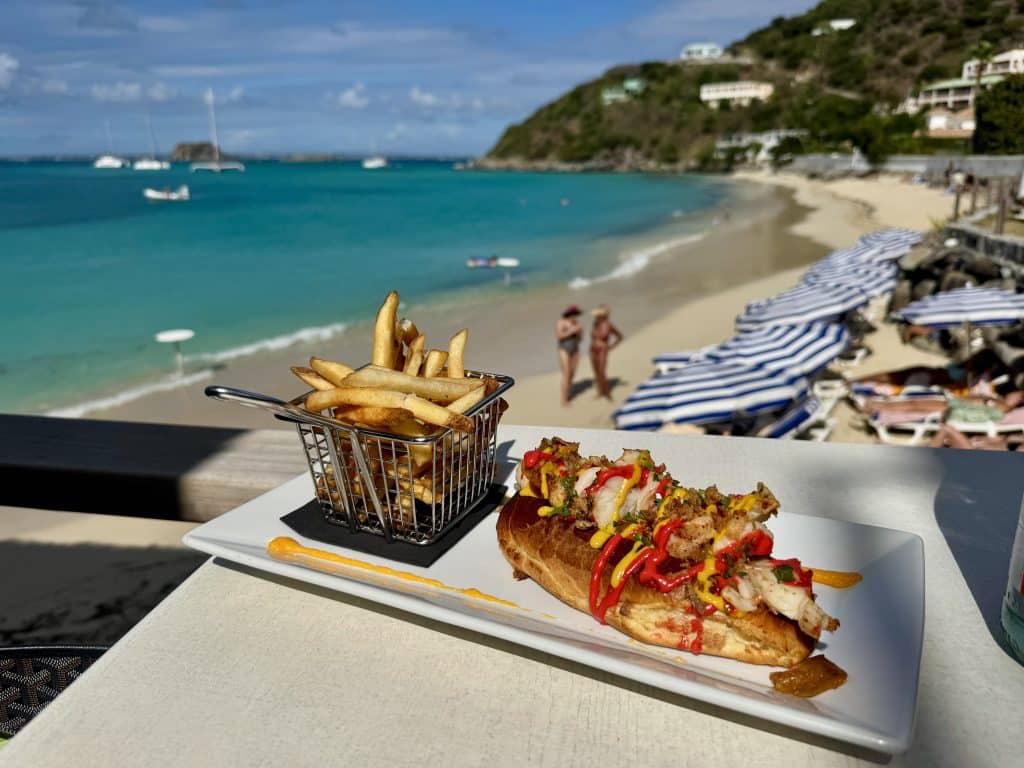
The conclusion of the Caribbean tourism cycle often centers on Saint Martin, an island uniquely divided between French (Saint-Martin) and Dutch (Sint Maarten) administrations. In late 2025, the French side, particularly the town of Grand Case, maintained its reputation as the "culinary capital of the Caribbean."
The economic appeal of the French side is bolstered by its direct ties to European supply chains. Consumers benefit from "French products at French prices," a result of the territory’s status as an Overseas Collectivity of France, which facilitates the import of high-quality goods under EU trade regulations. Conversely, the Dutch side, Sint Maarten, continues to dominate the high-volume resort and cruise-port sector. The synergy between the two sides allows Saint Martin to serve as a regional hub, providing ferry links to neighboring islands such as Anguilla, St. Barth’s, Saba, and St. Eustatius, thereby enhancing its strategic importance in the Caribbean transit network.
North American Winter Tourism: The Vermont Resurgence
Transitioning from the tropical climate of the Caribbean to the temperate forests of New England, the latter half of December saw a robust performance in the New England winter tourism sector. Vermont, in particular, experienced a "back-to-basics" surge, with travelers favoring the state’s quiet atmosphere and traditional small-town aesthetics over the more commercialized corridors of neighboring states.
The 2025 holiday season in Vermont was marked by significant snowfall, which provided a necessary boost to the local ski and hospitality industries. Economic data from the region suggests that "mountain-town" tourism is increasingly driven by a desire for domestic stability and family-oriented holiday experiences. The comparison between Vermont’s "authentic" mountain culture and the perceived "mass-market" feel of other regional destinations remains a primary driver of the state’s brand loyalty.

Cross-Border Regulatory Discrepancies in the Food Industry
A notable incident during the December travel period highlighted the ongoing discrepancies between United States and European Union food safety regulations. A traveler reported a systemic allergic reaction to a seasonal American cereal ("Elf on a Shelf"), which utilizes synthetic food dyes.
In the European Union, many synthetic dyes (such as Red 40, Yellow 5, and Yellow 6) require a mandatory warning label stating that the additives "may have an adverse effect on activity and attention in children," or they are banned entirely in certain contexts. In the United States, the Food and Drug Administration (FDA) maintains a more permissive stance. This divergence in chemical regulation poses a minor but persistent health risk for international travelers who may be unaccustomed to the higher concentrations of synthetic additives in the North American food supply.
Cultural Consumption and Media Trends in the Travel Sector
The downtime associated with long-haul travel in December 2025 reflected broader trends in digital media consumption. The streaming market, led by platforms like Apple TV+, continues to invest heavily in high-production-value "limited series" designed for international audiences.
The series Down Cemetery Road, starring Emma Thompson and Ruth Wilson, emerged as a significant cultural touchstone for travelers during the month. Despite criticism regarding plot consistency, the series’ use of high-definition cinematography featuring British landscapes (specifically Oxford) illustrates the "location-placement" strategy used by streaming services to influence tourism. Similarly, the ongoing interest in "legacy media," such as Rolling Stone’s 500 Greatest Albums of All Time, suggests that travelers are increasingly engaging in "curated discovery," using their transit time to revisit historical cultural milestones in music and literature.

Chronology of December 2025 Travel Events
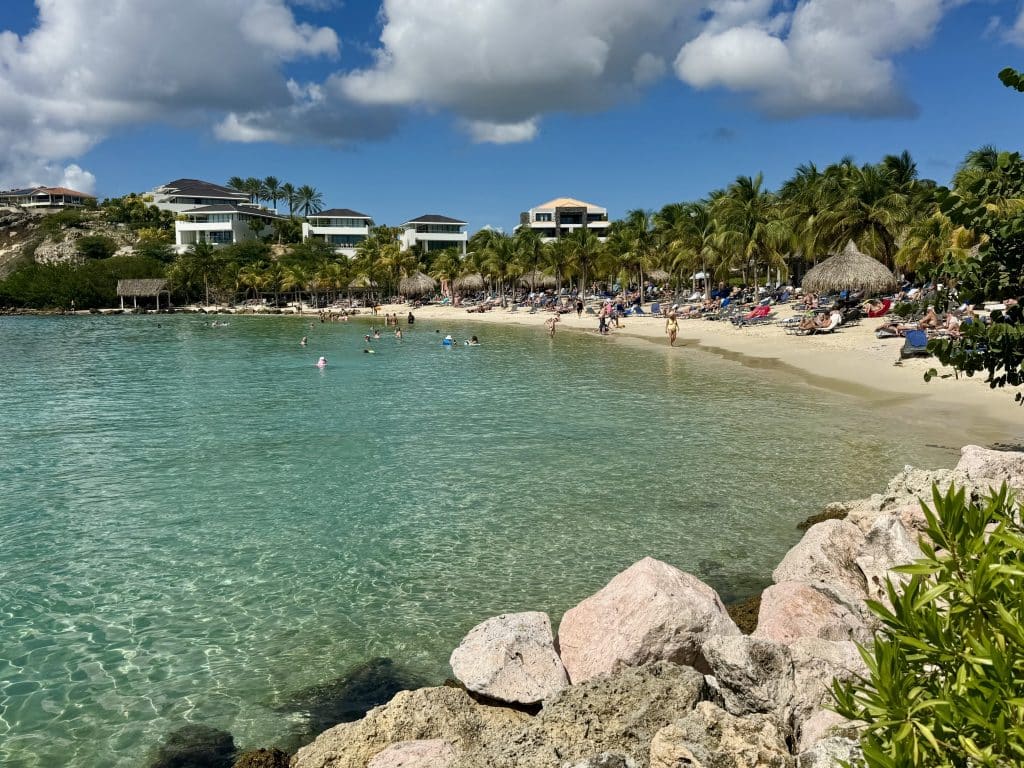
- December 1–3: Exploration of Curaçao, focusing on the Blue Bay development and the historic Curaçao Liquor Distillery.
- December 4–7: Arrival in Barbados; engagement with the "Bajan" food circuit and geological survey of Harrison’s Cave.
- December 8–15: Embarkation on the Royal Clipper. The vessel transited from Barbados through the Grenadines, Martinique, and St. Lucia.
- December 16–19: Field observations in Dominica, noting infrastructure challenges in the northern districts and geothermal activity in Wotten Waven.
- December 20–23: Transition to Grand Case, Saint Martin, for an analysis of the French Caribbean culinary economy.
- December 24–29: Domestic travel within the United States, covering Maine and Vermont, focusing on family-centric holiday tourism.
- December 30–31: Return to Central Europe (Prague) for year-end economic and social assessments.
Broader Impact and Implications for 2026
The travel patterns observed in December 2025 suggest a bifurcated future for the global tourism industry. On one hand, highly developed destinations like Barbados and St. Martin are successfully capturing the luxury and "foodie" markets, though they face risks associated with over-saturation and high costs. On the other hand, destinations like Dominica offer "authentic" and "raw" experiences that appeal to a niche demographic but are hampered by significant safety and logistical hurdles.
As 2026 approaches, the industry is expected to see a continued emphasis on "slow travel" and maritime expeditions. The success of the Star Clippers model indicates that travelers are willing to forgo modern conveniences for the sake of historical authenticity. However, for regional growth to be sustainable, Caribbean nations must address the widening gap in infrastructure quality. The reliance on seasonal tourism makes these economies vulnerable to both climate change and shifts in consumer sentiment, necessitating a more integrated approach to regional development and transportation.